
August 1945
Barrett Tillman tells us about his research into the month 'when the shooting stopped'


It is 80 years since the fighting stopped in August 1945 and World War II reached its dramatic conclusion.
But while one phase of history was ending, another era of conflict was opening in Europe. As Winston Churchill memorably put it, 'From Stettin in the Baltic, to Trieste in the Adriatic, an iron curtain has descended across the continent.'
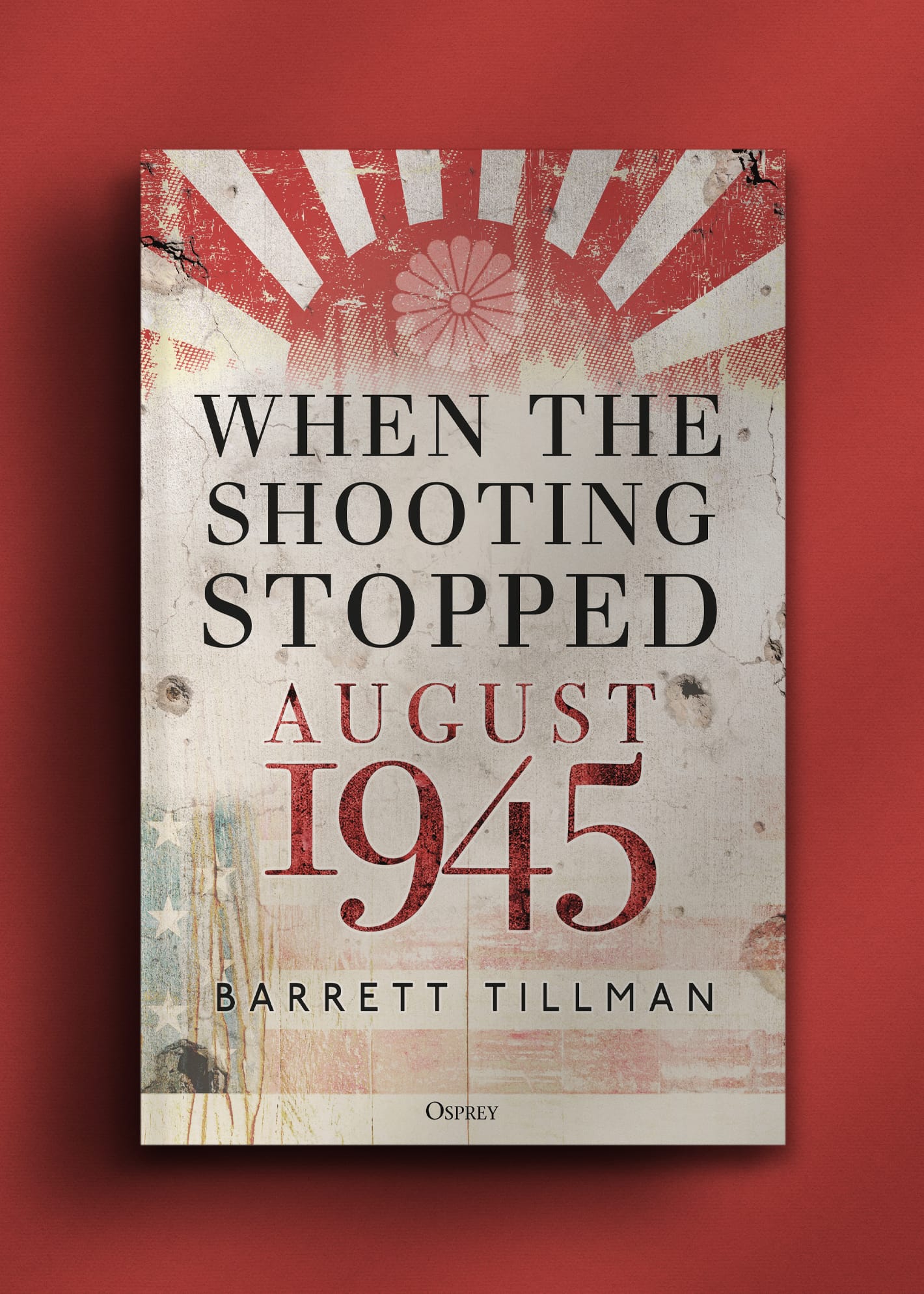
Barrett Tillman is the author of a book, When the Shooting Stopped, that analyses the events of that month. Here he reflects on the project, explaining when it began and what it taught him.

August 1945 was the month that changed the world. With Japan’s acceptance of the Allies’ Potsdam Declaration, the six-year conflagration that seared three continents came to an end. Historians continually recompute the lives lost, now reckoned upwards of 80 million —approximately 3 percent of earth’s population.
The end of the Second World War also heralded the end of the Colonial Era. Imperial Japan and Nazi Germany were stripped of their conquests immediately, but Great Britain, France, Belgium and others would also, eventually, lose their far-flung possessions.
Nations that had lived under foreign rule for generations began a slide into national independence, notably in India, Indonesia, and Vietnam.
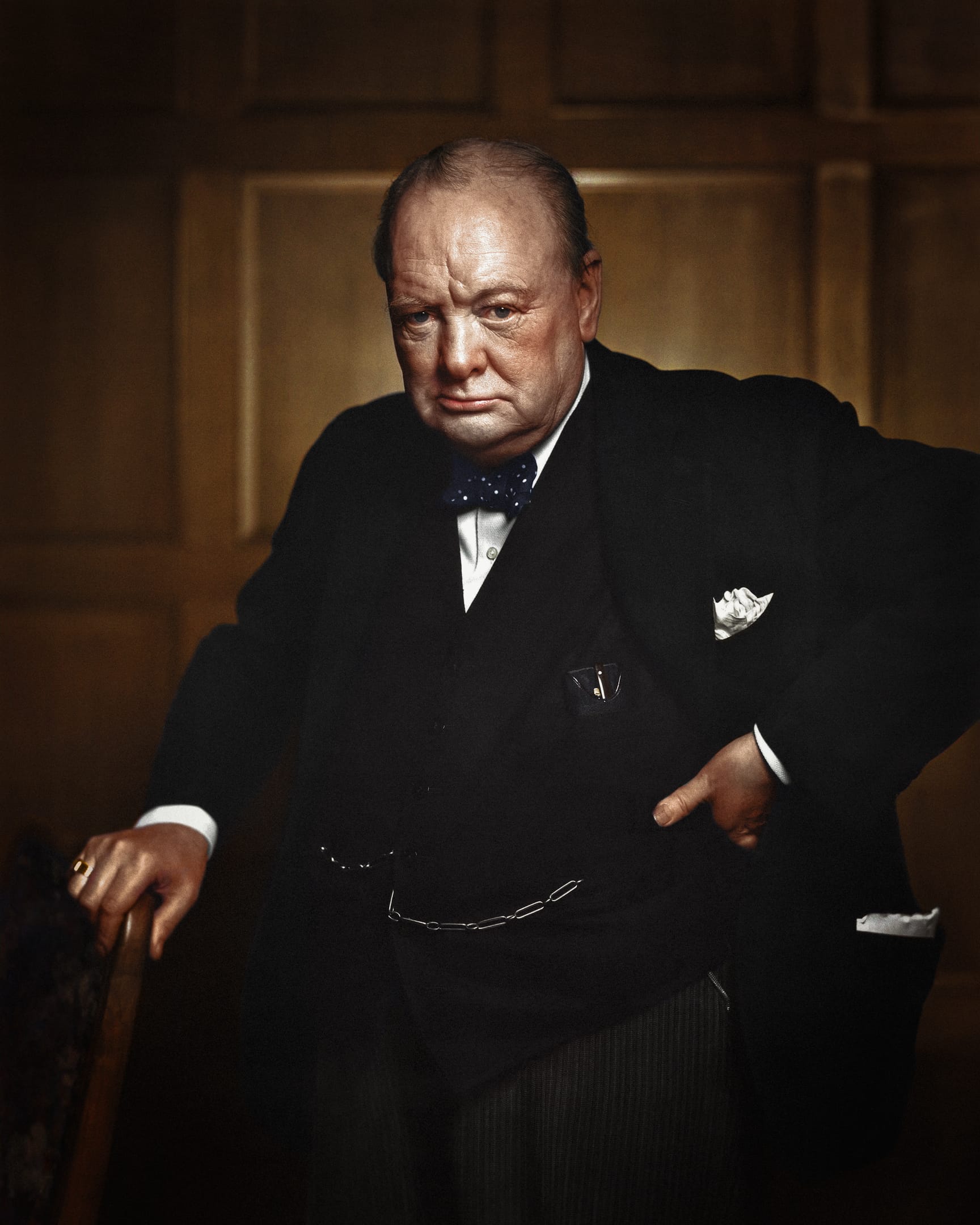
At the same time, VJ Day began the Cold War with Winston Churchill’s description of the Soviet Union's Iron Curtain. Thus, August 1945 set the stage for global confrontations over the next four decades, with geopolitical fault lines still remaining.
My book, When the Shooting Stopped, reminds us that history is a journey more than a destination. The project began with a 1990 magazine article describing U.S. Navy combat on the last day of hostilities, August 15, 1945 (Western Pacific date). Subsequently I built on that foundation, expanding coverage to the entire month.
The cast was large and varied, from national leaders Truman, Churchill, Stalin, Gandhi, and Hirohito to U.S., British, Soviet, and Japanese sailors and fliers at the sharp end of combat.
Also included are voices from the thousands of prisoners of war and detainees facing an uncertain future, often overlooked in broader studies.
The VJ period offers authors scenarios rich in variety. Aside from the two atom bombs and U.S. and Royal Navy fleet operations, conflict spread on the Asian mainland. Nationalist and Communist Chinese forces fought the Japanese, setting the stage for the four-year civil war.
Meanwhile, the Soviets launched a massive offensive into Japanese-held Manchuria on the same day that Hiroshima was bombed. It was the third time Tokyo and Moscow had crossed swords, breaking the 'tie' of Japan’s victory in 1905 and Russia’s in 1939.
Aircrew and sailors in the Western Pacific were caught in a time warp on the morning of August 15. Hundreds of B-29 bombers were returning from their nocturnal missions over Japan when crews heard the radio announcement of Tokyo’s surrender.
At the same time, carrier airmen were inbound to targets when they were belatedly recalled.
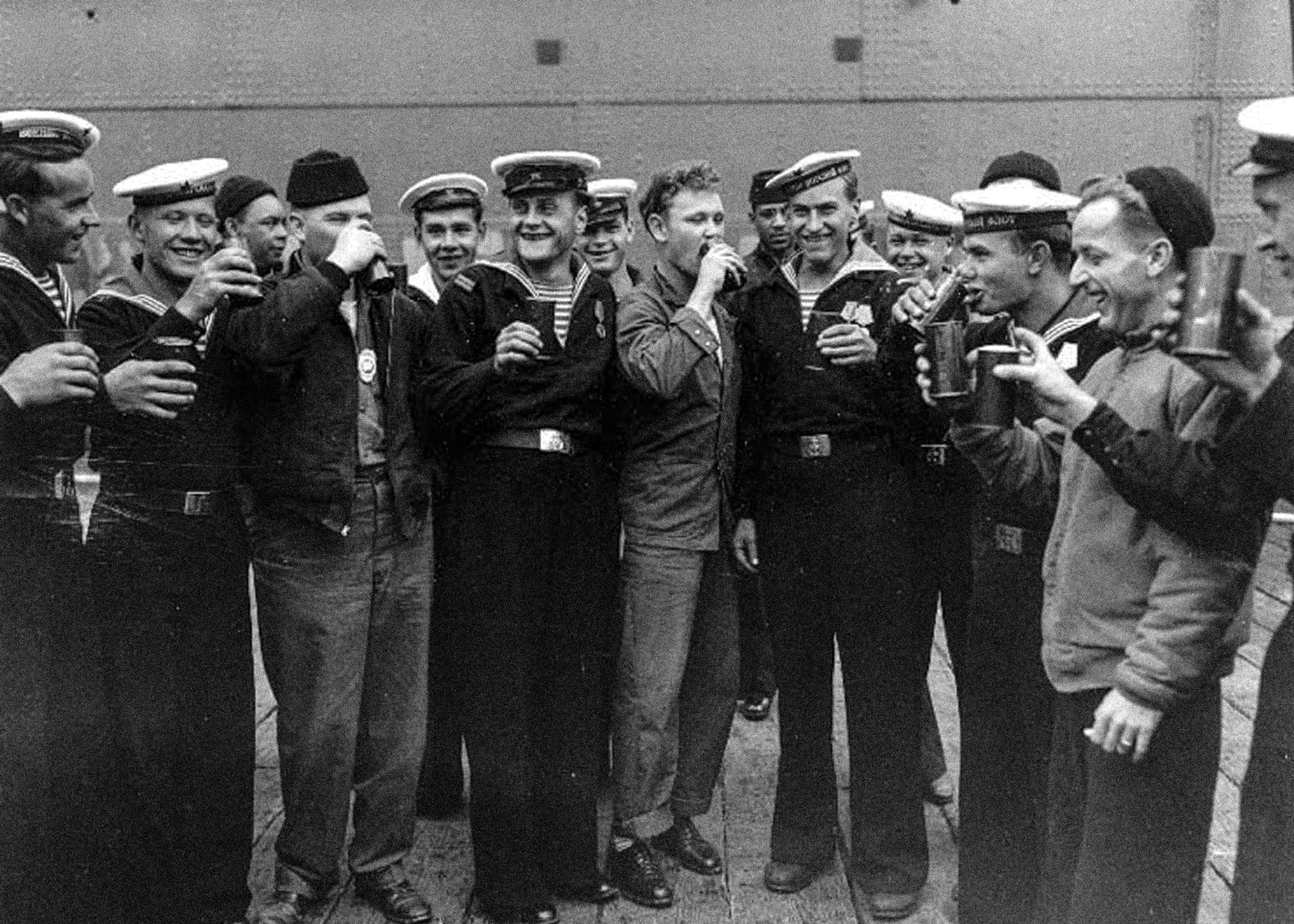
I knew naval aviators who flew that morning, and some were caught between Tokyo’s announcement and the broadcast to Allied forces in the Asia-Pacific realm. As one later wrote, 'It brought all the joy and unreasoning happiness that we would live and not die.'
However, some did die, either in belated combats or murdered by vengeful captors. Those tragedies are also a part of When the Shooting Stopped.
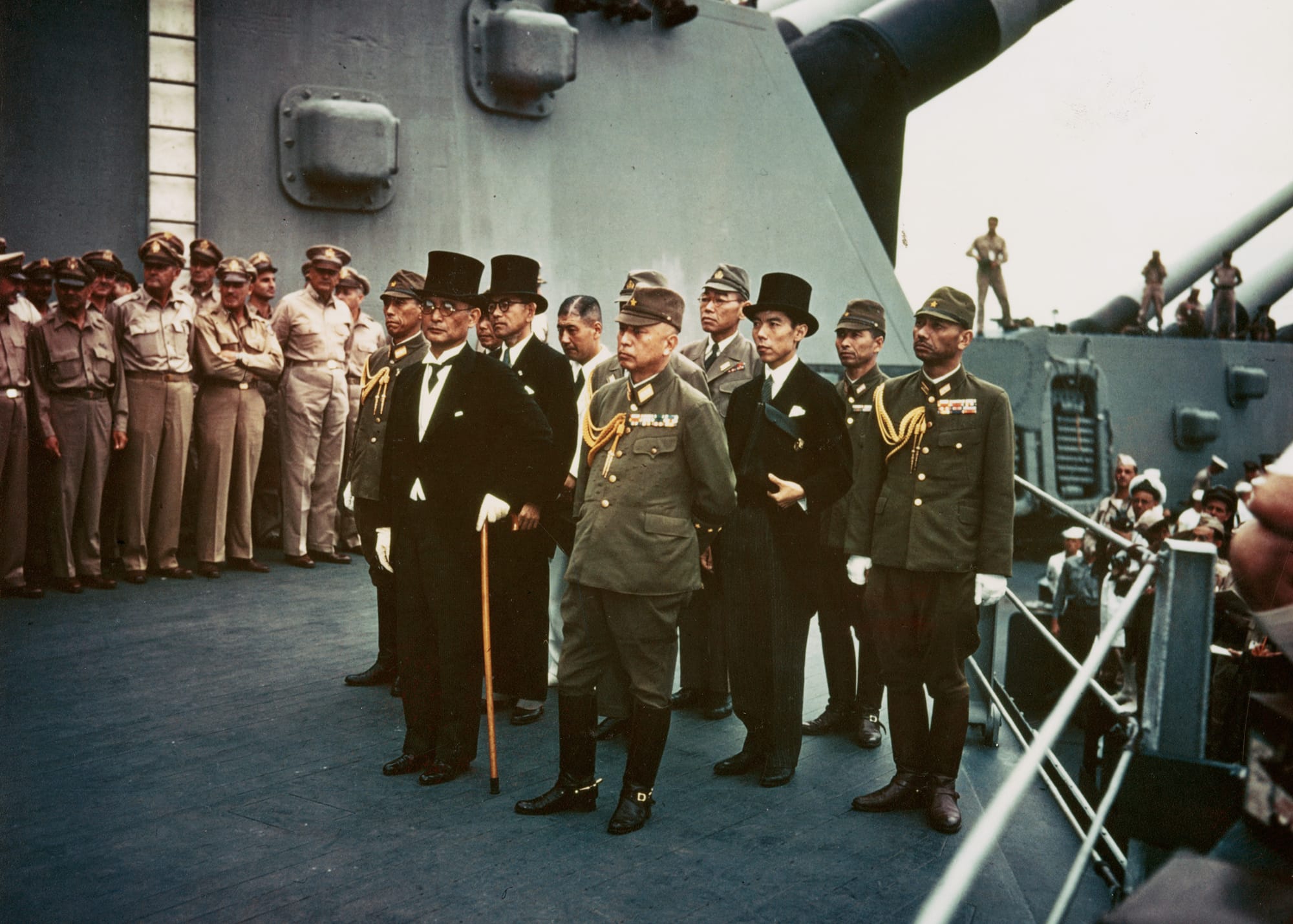
The official end of the war came two weeks later when Japanese and Allied officials signed the documents aboard the battleship Missouri in Tokyo Harbor on September 2.
Only one veteran contributor to the book remains today, just three years after publication. He’s a 103-year-old Hellcat ace who got waylaid while driving through Louisiana en route to his new duty station in Florida.
The local residents celebrated the news and offered their hospitality, even providing gasoline free of charge.
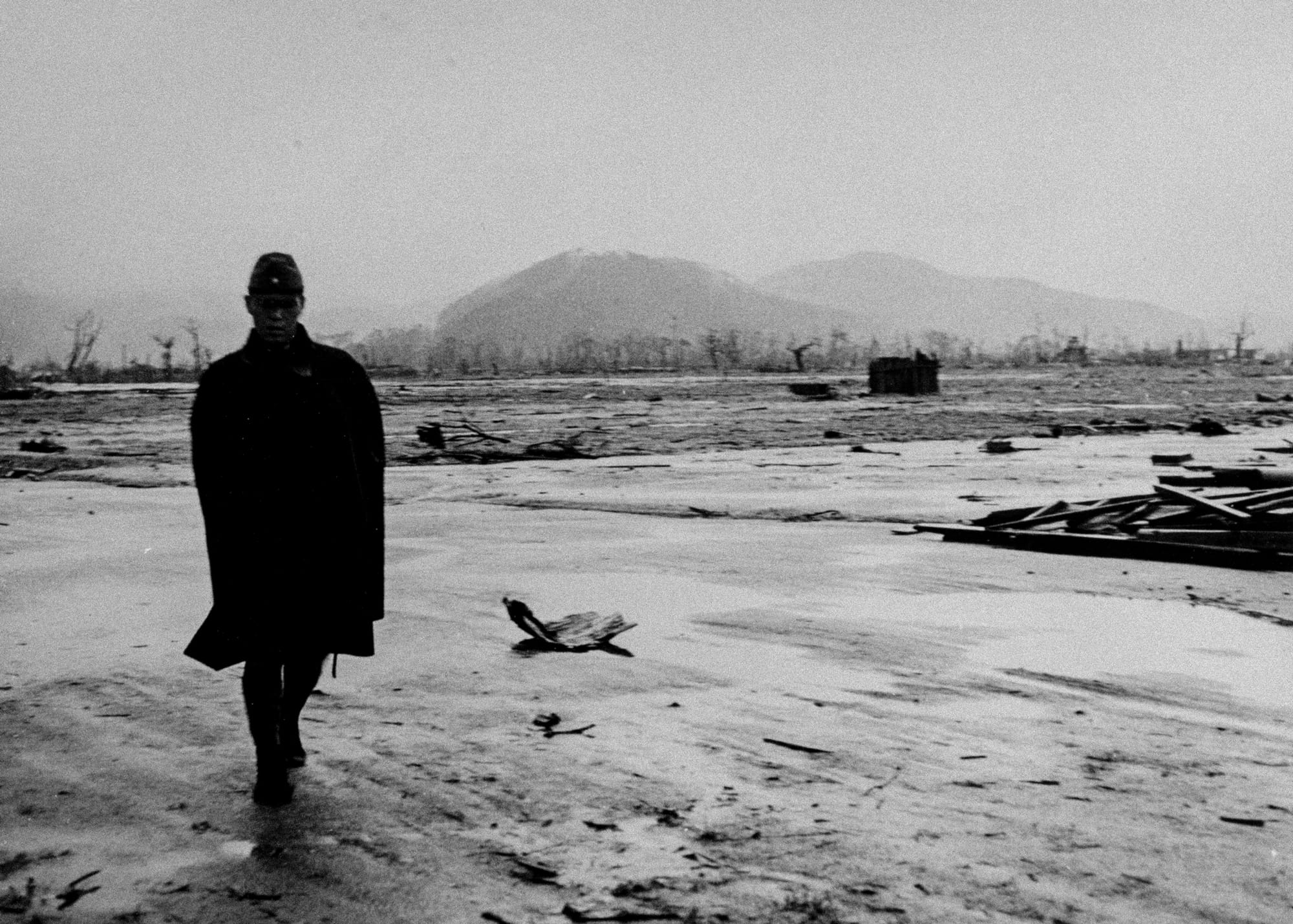
Civilian accounts of VJ Day are part of the story as well. They range from horror at the irradiated rubble of Hiroshima and Nagasaki to joyous outpourings around the world, most notably the huge gathering in New York’s Times Square with the iconic image of 'the kiss' that resonates eight decades later.
But often overlooked are Western internees in Japanese captivity from the Home Islands to China and the Dutch East Indies.
Among American civilians I recalled a long-ago account from my mother, who in 1945 was an Oregon rodeo princess. She saw the exuberance of navy pilots violating a variety of regulations, then partying without concern for officialdom.
Despite the passage of 80 years, there are still lessons to be learned from August 1945 and how they apply to our present world.
Most of the controversy over Japan’s unconditional surrender and the atomic bombs occurred in an information vacuum for decades. With declassification of diplomatic and military documents, a far greater understanding of the U.S. and Allied decision-making process is possible, and that background is explained in When the Shooting Stopped.
Whatever the era, living history has a shelf life. Anyone interested in a particular period can benefit future historians by interviewing and recording the experiences of those who lived the events. 'Do it now.'
'The Greatest Generation' mantra has become reflexive since Tom Brokaw’s 1998 book of the same name. But When the Shooting Stopped objectively examines World War II in the context of previous generations, especially America’s founders who faced immensely greater challenges.
Nevertheless, 'the VJ generation' returned dozens of countries to their rightful owners, and that in itself was 'great' •
This feature was originally published August 15, 2025 on the 80th anniversary of VJ Day.
He holds seven awards for history and literature including the 1996 Tailhook Association Lifetime Achievement Award and third place in the US Naval Institute Prize in 2009.
Tillman has appeared in more than a dozen documentaries including The History Channel’s Dogfights.
When the Shooting Stopped: August 1945
Osprey Publishing, 14 April, 2022
RRP: £19.99 | 304 pages | ISBN: 978-1472848987
“It's a complex story, very well told here”
― New York Journal of Books
In the 44 months between December 1941 and August 1945, the Pacific Theater absorbed the attention of the American nation and military longer than any other. Despite the Allied grand strategy of "Germany first," after the Japanese attack on Pearl Harbor, the U.S. especially was committed to confronting Tokyo as a matter of urgent priority.
But from Oahu to Tokyo was a long, sanguinary slog, averaging an advance of just three miles per day. The U.S. human toll paid on that road reached some 108,000 battle deaths, more than one-third the U.S. wartime total. But by the summer of 1945 on both the American homefront and on the frontline there was hope. The stunning announcements of atomic bombs on Hiroshima and Nagasaki on August 6 and 9 seemed sure to force Tokyo over the tipping point since the Allies' surrender demand from Potsdam, Germany, in July. What few understood was the vast gap in the cultural ethos of East and West at that time. In fact, most of the Japanese cabinet refused to surrender and vicious dogfights were still waged in the skies above Japan.
This fascinating new history tells the dramatic story of the final weeks of the war, detailing the last brutal battles on air, land and sea with evocative first-hand accounts from pilots and sailors caught up in these extraordinary events. Barrett Tillman then expertly details the first weeks of a tenuous peace and the drawing of battle lines with the forthcoming Cold War as Soviet forces concluded their invasion of Manchuria.
When the Shooting Stopped retells these dramatic events, drawing on accounts from all sides to relive the days when the war finally ended and the world was forever changed.
With thanks to Elle Chilvers.
📸 Dive into our Features
🎤 Read Interviews
🎧 Listen to Podcasts
🖼️ Buy fine art prints & more at our Store


