
Double Crossing Hitler
Taylor Downing on the campaign of deception and disinformation that preceded D-Day in 1944


As the tide of war turned in 1943, speculation began to rise about a possible Allied invasion of western Europe. Was such an attack possible, people wondered? If so, where would it take place?
In the months after the Casablanca Conference of January 1943 secret plans began to develop. But alongside preparations for a series of landings in Normandy, a campaign of disinformation was initiated.
In this article Taylor Downing, author of the new book, The Army That Never Was, explains how the Allies sought to double cross Hitler in the critical months before D-Day.
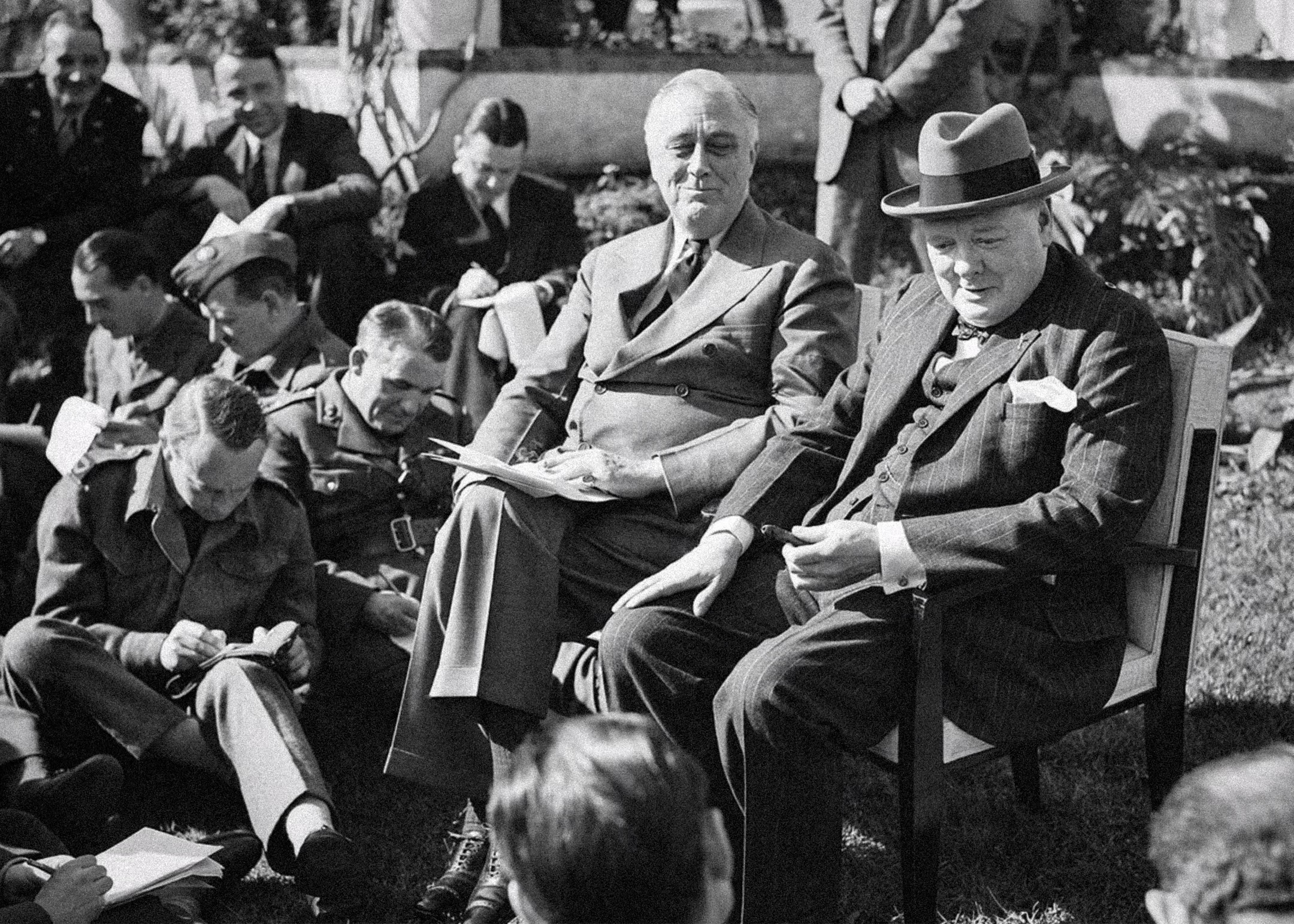

From the moment the decision was made to launch a major invasion of occupied Europe, the need to deceive the enemy as to where, when and how the amphibious operation would take place, was paramount.
It was after the Casablanca Conference in January 1943 that a planning team was set up to start making plans for the invasion. It was charged with creating ‘an elaborate camouflage and deception scheme’ to fool the enemy as to Allied intentions.
When Winston Churchill discussed the plan later in the year with Joseph Stalin at the Tehran Conference he used the phrase ‘In wartime, truth is so precious it should always be attended by a bodyguard of lies.’ On hearing the translation of this remark, Stalin cheered.
When General Montgomery returned from Italy to Britain at the end of the year to take command of 21st Army Group and become the leader of the land forces for what was now being called Operation Overlord, he brought with him the head of his deception operations in the Eighth Army, Lieutenant-Colonel David Strangeways.
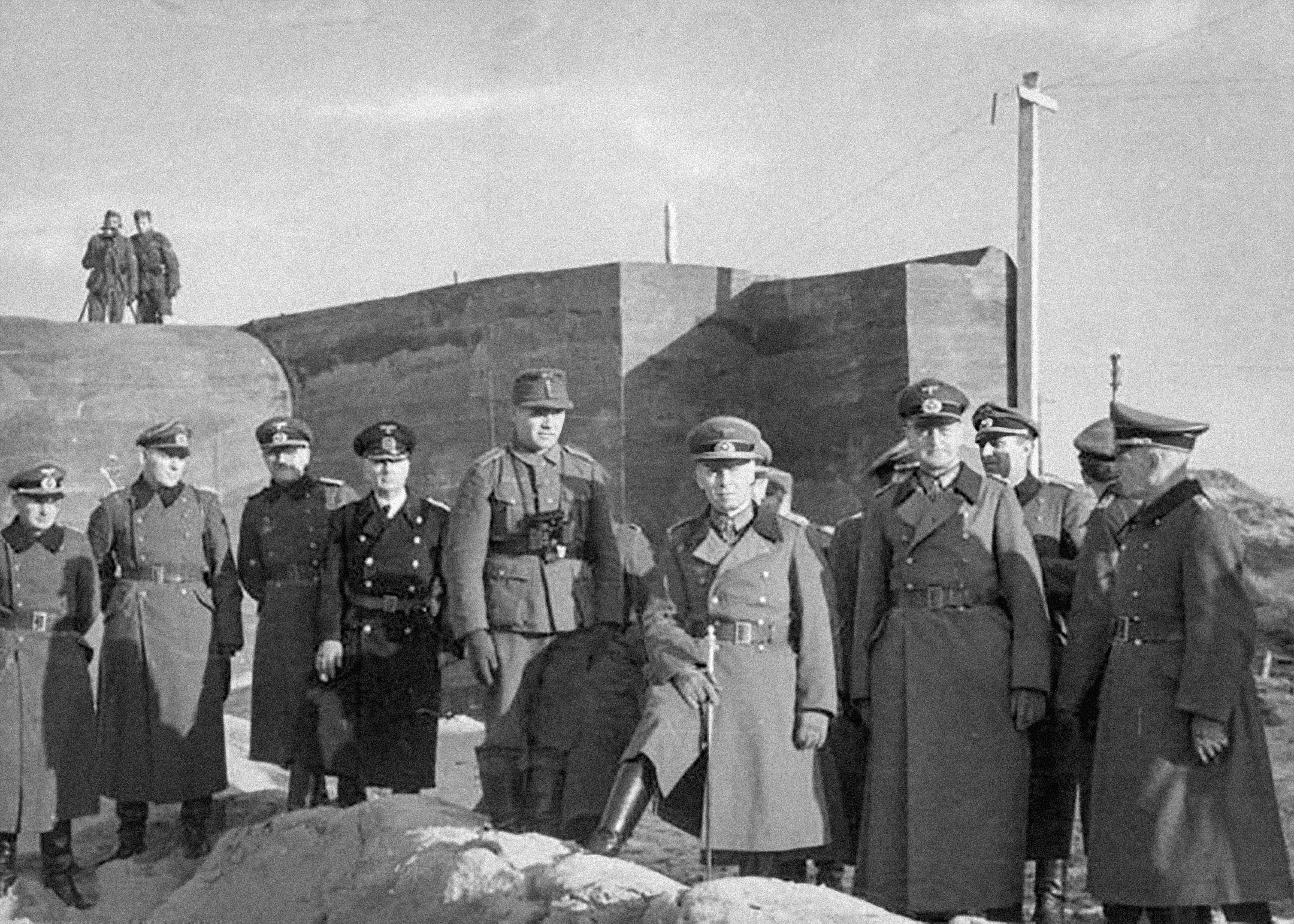
Strangeways quickly realised that the best way to mislead the Germans into thinking that the invasion was going to come not in Normandy, but across the shortest stretch of Channel against the Pas-de-Calais, was to create a vast fake army group in the south-east of England that appeared to be preparing to launch an invasion from Kent.
But this meant creating a phoney army of up to 300,000 men. How could the deception planners possibly manage to convince German military intelligence, the Abwehr, that such a vast force existed, when it didn’t?
Firstly, this imaginary force acquired a name, the First US Army Group, better known by its acronym, FUSAG. Some existing divisions that were training for Normandy were allocated to it.
But dozens of new units, brigades, divisions and corps, were invented to build up its order of battle to the strength needed to be credible. Two units of US and British signallers started sending messages that such a vast force would naturally create: instructions about imaginary training programmes, dates for pretend exercises and gossip about officer promotions.
Even if the Germans did not follow every message they could see from the volume of signals generated that large numbers of troops were assembling in Kent, Essex and Suffolk — the counties in which FUSAG was supposed to be gathering.
Dummy tanks were assembled by the hundred, consisting of rubber and canvas on metal frames which could be inflated by an air pump. They were lined up in huge encampments, just as was happening in the south west of England where the 21st Army Group were preparing for the real invasion.
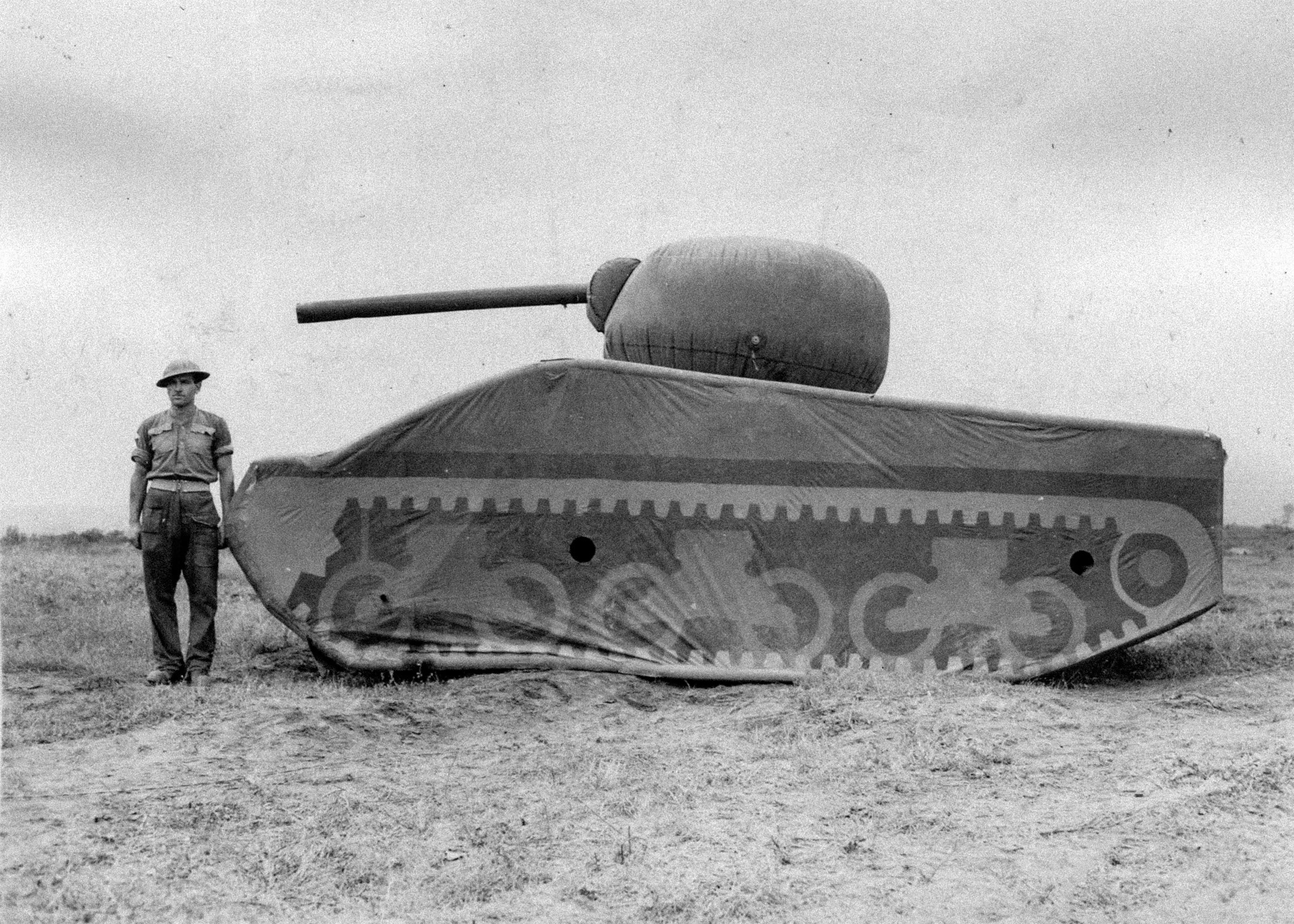
Fake landing craft were built, large structures that floated on empty oil drums. Two hundred and fifty of these were located along the Kent coast and as far north as Great Yarmouth.
A dummy fuel storage depot was created just outside Dover, similar again to the one being built in the south west. But this one consisted only of fibre boards, wooden scaffolding and sections of old piping recycled from bomb sites.
German reconnaissance aircraft were allowed occasionally to penetrate English airspace and to photograph the evidence of what looked like a large army assembling.
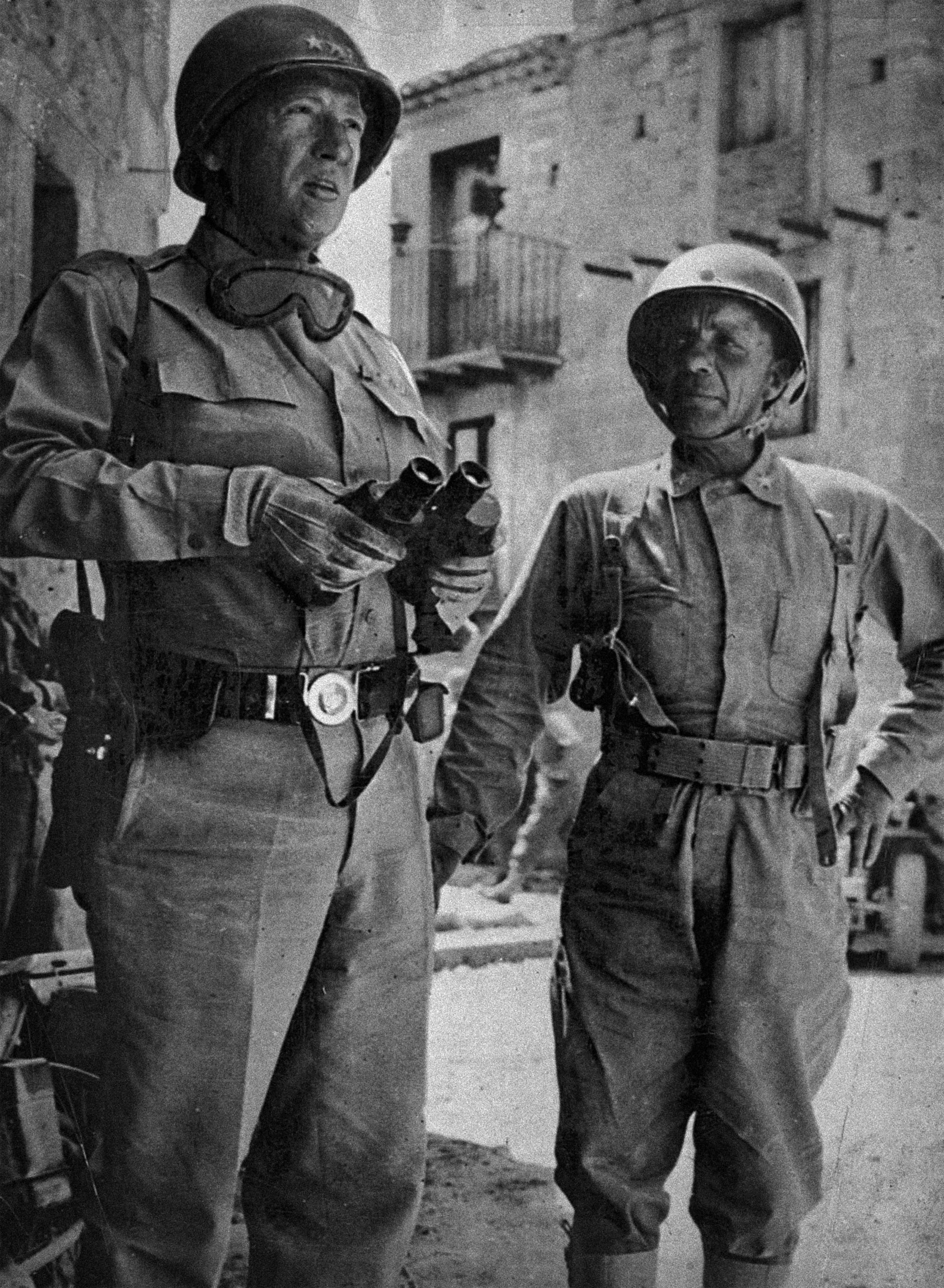
In a final coup de theatre, General George S. Patton was appointed commander of FUSAG. He was a bullish figure with a known reputation as an aggressive commander of men and armour.
But it so happened that in the spring of 1944 Patton was still in disgrace for having slapped a couple of hospitalised soldiers in Sicily who were suffering from war trauma or what is now called post traumatic stress disorder. He berated them, called them cowards and threatened to shoot them if they did not return to the front.
Despite calls for his dismissal, his commanding officer, General Eisenhower, had kept him on and now his moment had come. Patton was a natural showman and travelled around Kent addressing troops in units that didn’t exist and inspecting tanks and vehicles that were fake.
Everywhere Patton went he was accompanied by photographers and German Intelligence soon caught up with his appointment. They had great respect for Patton and thought he would be just the general appointed to spearhead the invasion.
Double agents, German spies who had been ‘turned’ by MI5 sent specially composed messages back to their Abwehr minders. They also transmitted detailed reports of the units gathering in the south-east.
Prominent here were the Catalan farmer, Juan Pujol Garcia, known by his codename as Garbo, and the former Polish army officer, Roman Czerniawski, codenamed Brutus.
The dozens of messages they sent in the spring of 1944 further reinforced the German belief in an imminent invasion along the coast near Calais.
We now know that Field Marshall Gerd von Rundstedt, commander of German forces in the West, was convinced by his intelligence officers that the Allies would invade from the south-east of England.
Any landings elsewhere, he came to believe, would be a feint designed to distract the Germans from the major event. But the deception went higher than this. On 27 May, Adolf Hitler met with the Japanese ambassador Baron Hiroshi Oshima.
In a lengthy conversation the Führer told Oshima that he fully expected an invasion in the Pas-de-Calais and he would not move troops from this area, even if a preliminary assault came elsewhere, like Normandy or Brittany. Oshima sent a coded telegram to Tokyo reporting on his conversation.
It was intercepted and decoded. When the Allied commanders read the transcript they could barely believe how far their deception had penetrated. It was as though they had written Hitler’s script for him.
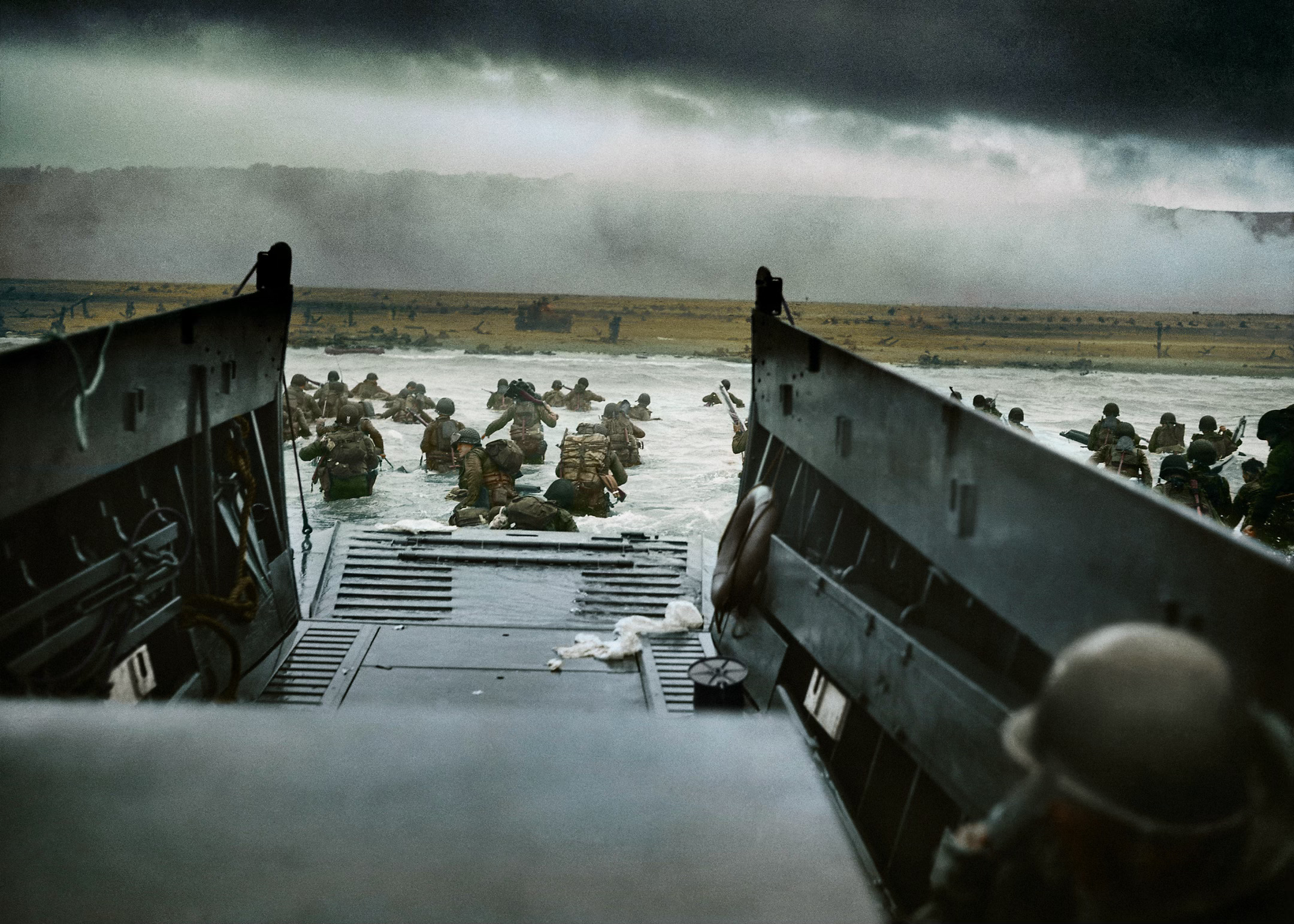
When the landings did take place across fifty miles of Normandy coastline on the morning of 6 June 1944, they totally surprised the Germans.
The powerful 15th Army that defended the Atlantic Wall in the Pas-de-Calais region was ordered to stay put. The battle ahead was still a hard one and it would take two months to break out from Normandy.
But how much worse it would have been had the hundred thousand soldiers based around Calais been sent to Normandy? But they were not.
D-Day was ultimately a great success and a turning point in the war. The deception operations contributed to this success and so helped win the war •
This feature was originally published May 23, 2024.
The Army That Never Was: D-Day and the Great Deception
Icon Books, 5 June, 2025
RRP: £11.99 | ISBN: 978-1837731589
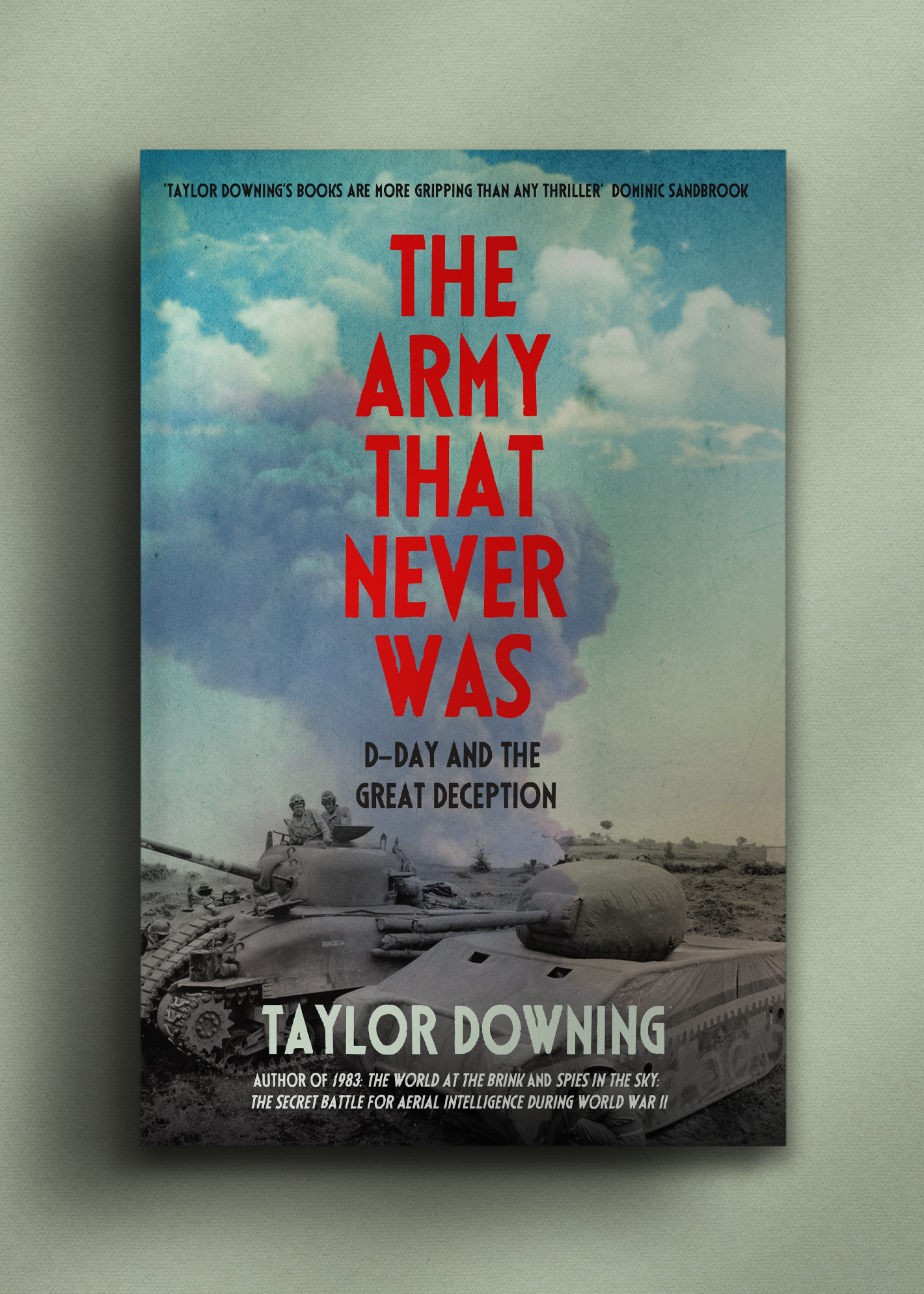
“Taylor Downing's books are more gripping than any thriller”
– Dominic Sandbrook
The Army That Never Was: D-Day and the Great Deception tells the remarkable story of the deceptions, hoaxes and misdirections carried out by the Allies ahead of the most pivotal moment of the Second World War - the D-Day invasion.
The most audacious of these schemes aimed to convince German forces that plans to storm Normandy were a mere sideshow, and featured a fictitious army led by General Patton and furnished with hundreds of real-world dummy landing craft, tanks and aircraft.
New research reveals a hidden link with Britain's film industry, as the fascinating behind-the-scenes story of this dramatic gambit is explored in detail. Full of fascinating characters from the US, Britain and Germany, this compelling and propulsive narrative explores one of the most remarkable secret campaigns of the Second World War.
With thanks to Rhiannon Morris.
📸 Dive into our Features
🎤 Read Interviews
🎧 Listen to Podcasts
🖼️ Buy fine art prints & more at our Store


