
Josef Mengele the Elusive Nazi
Betina Anton explains how one of the most infamous Nazis remained at large for decades after the end of the Second World War


Even in the context of Nazi villainy, the crimes committed by Josef Mengele stand out.
Infamously known as the 'Angel of Death' for his actions at the Auschwitz Extermination Camp, Mengele was one of the many who vanished in May 1945.
Unlike Adolf Eichmann who was captured in Argentina in 1960, Mengele's whereabouts long remained a mystery. Despite having a team of Mossad agents tasked with his capture, no trail was found that led to the fugitive.
Only in the mid-1980s was the mystery finally unravelled. Rather than Paraguay, Spain or Cairo, the story that had been concealed for so long lay in São Paulo, Brazil.
Here Betina Anton, author of a courageous new book, Hiding Mengele, explains how she became involved in one of the greatest manhunts in postwar history.
Questions by Peter Moore

Unseen Histories
Could you tell us about your journalistic background? What other investigative stories have you worked on?
Betina Anton
I've been a journalist for over 20 years. I studied history at the London School of Economics and started out in magazines and newspapers, but soon moved to television.
I work at TV Globo, the largest broadcaster in Latin America, as an international editor. I'm also an international affairs commentator for Globonews, a 24-hour news channel.
I've done a lot of work for TV, such as a series of reports on the 70th anniversary of the Universal Declaration of Human Rights, which won the most important Brazilian award for coverage of human rights issues. Hiding Mengele is my first book. It combines journalism with history, something I love.
Unseen Histories
Growing up in São Paulo, were you aware of whispers about fugitive Nazis?
Betina Anton
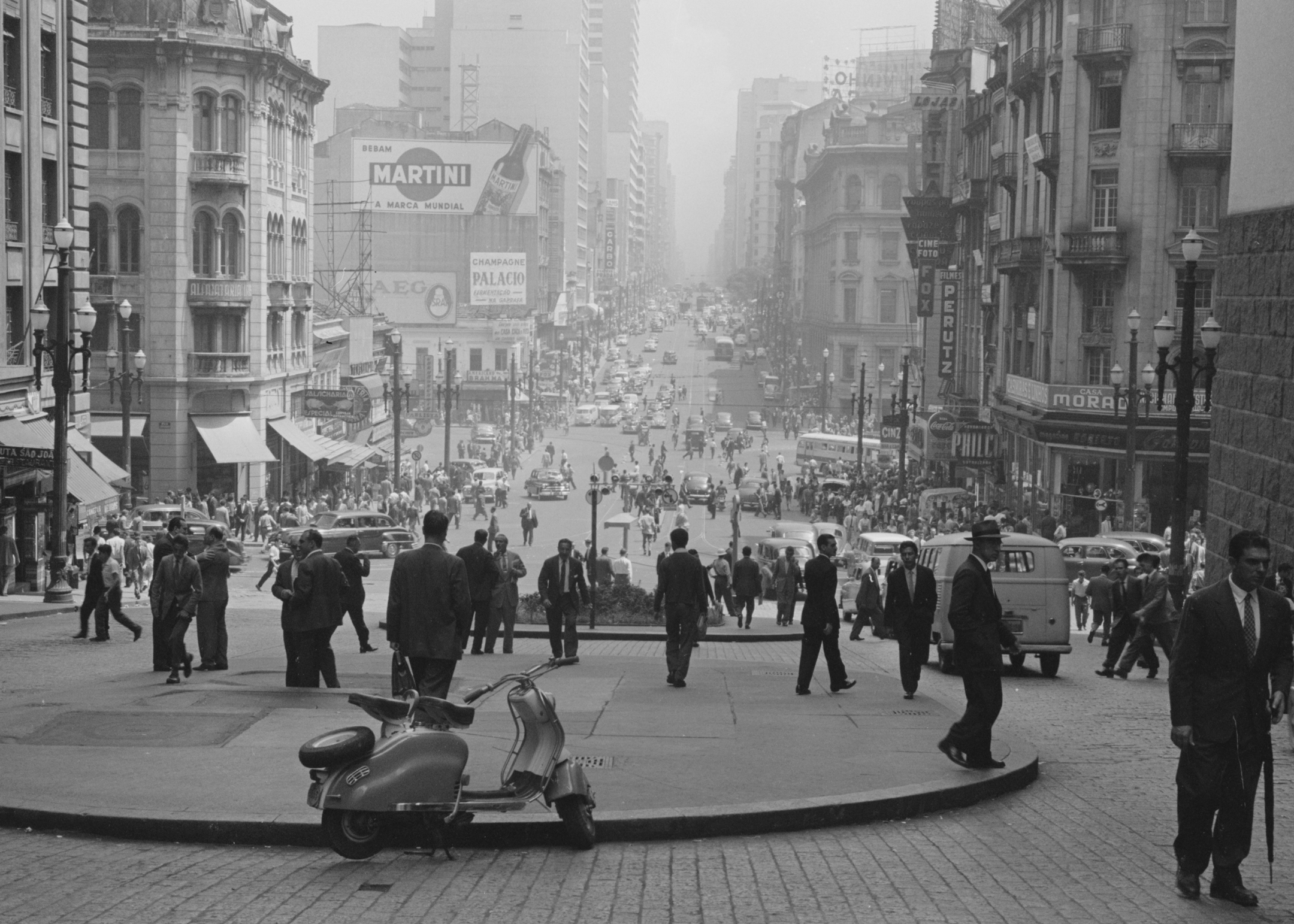
I was born in São Paulo and since childhood I've been connected with the German community. But I lived in a bubble. I went to a German school, attended a Lutheran church, my father worked for a German multinational company. Everyone I knew spoke German and Portuguese. I don't remember, though, talking about Nazis who were part of that community.
Of course, everyone knew someone who had fought on the German side in the war, but not Nazi criminals. When it was disclosed that Josef Mengele had lived in São Paulo, many people were shocked.
On the other hand, I discovered while writing Hiding Mengele that relatives of acquaintances of mine had had contact with Mengele, and knew who he was at the time.
Unseen Histories
As a young child you were taught by a teacher, ‘Tante Liselotte’. Can you recall your early memories of her?
Betina Anton
Liselotte was an ordinary person, nothing extraordinary that caught my eye. What really captured my attention was the scandal that broke out at school when they discovered that she had buried Mengele under a false name.
The parents were incredulous and while we children didn’t fully understand, we knew that something very wrong had happened.
Unseen Histories
Your story is activated by the revelation that Liselotte harboured Josef Mengele in the last years of his life. He was, by this point, an infamous Holocaust villain, wasn’t he?
Betina Anton
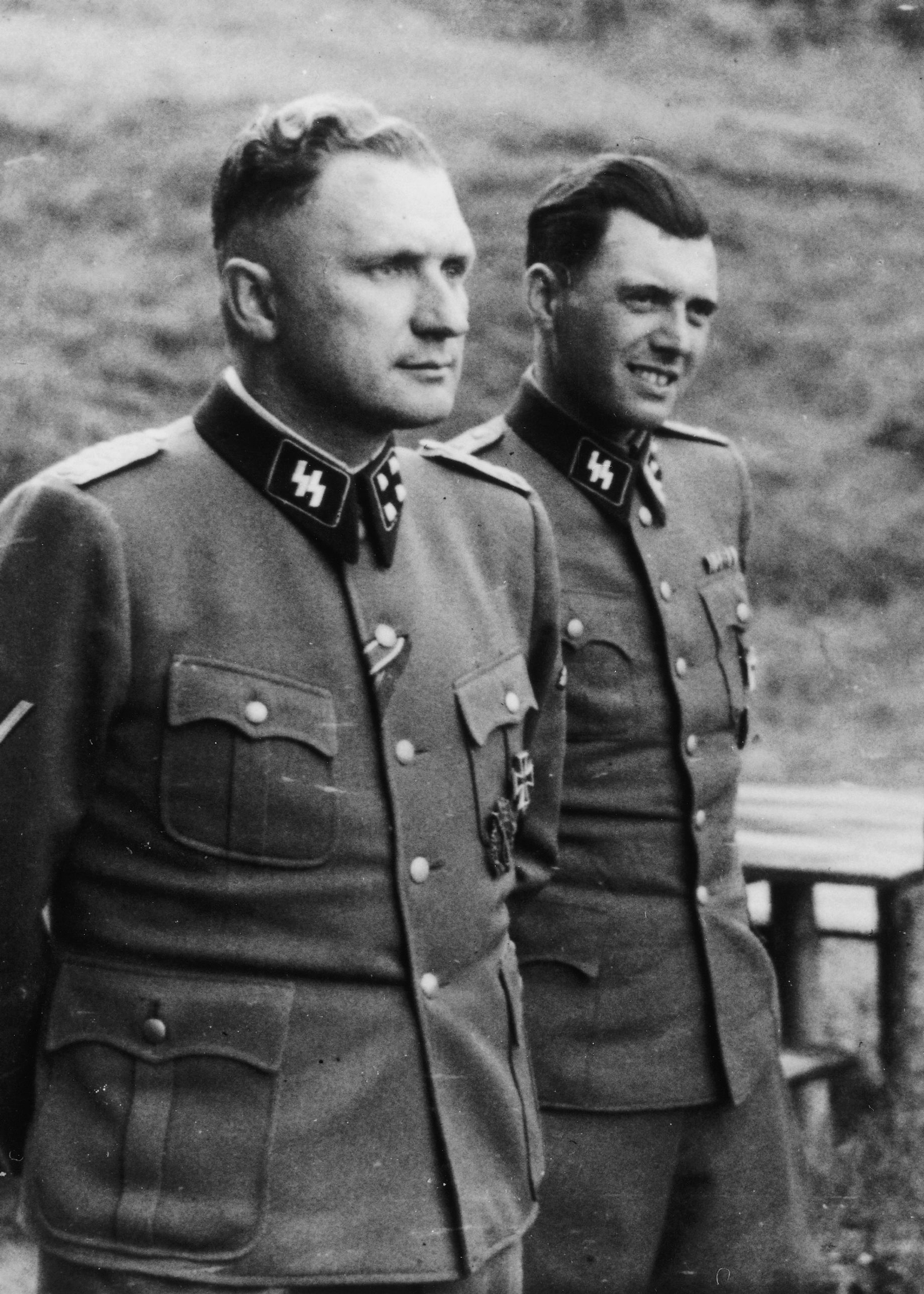
I think we can say that Auschwitz was the symbol of the Holocaust and that Mengele was the symbol of Auschwitz.
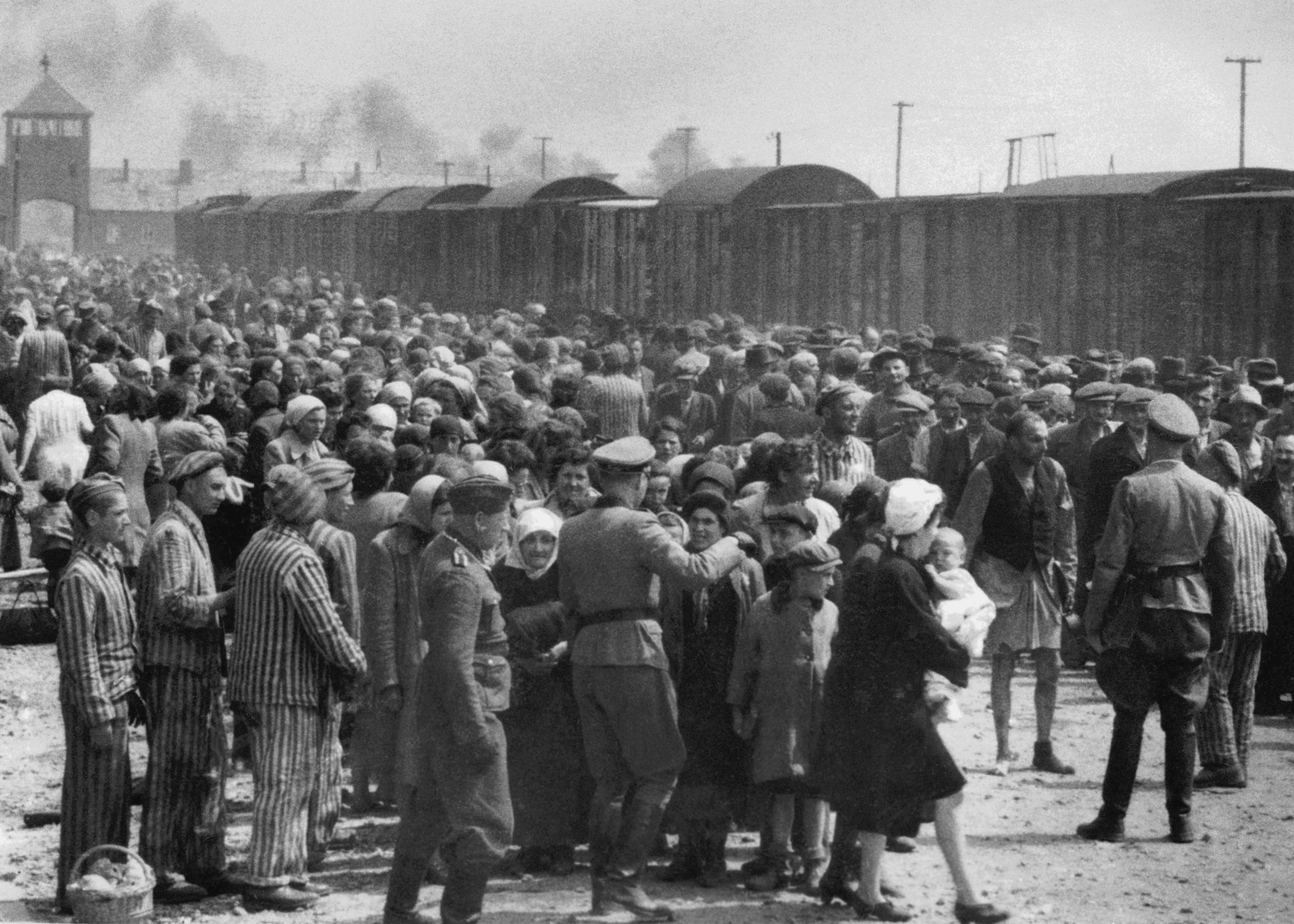
By that, I mean that he was a central figure in the Holocaust, firstly because of the ruthless way in which he sent people to the gas chambers. He worked harder than was necessary in this role because he was after guinea pigs for his medical research.
Secondly, Mengele conducted cruel and senseless experiments on people, defenceless children, as if they were laboratory rats. All this cruelty made him a global symbol of human evil.
Unseen Histories
You write that accounts of Mengele’s ‘cruel and bizarre experiments’ have always haunted you. Was it difficult to confront the documentary evidence of his crimes? Does much material exist?
Betina Anton
Yes, it's a challenge to research what Mengele did. His cruelty was beyond measure. It's difficult to even believe that a person was capable of doing things like throwing a baby into a fire.
At first, I thought it was an exaggeration. But I realized that this was documented in the first-hand accounts of several people, including a doctor, the ultra-Orthodox Jew Gisella Perl. Then I understood that, even though it was hard to believe, he really had done it.
Documentation of Mengele's crimes is scarce. There are some records in the Auschwitz Museum in Poland. There is also research linking his experiments with the Kaiser Wilhem Institute in Berlin-Dahlem during the Second World War. Another vital source of research are the countless testimonies of victims and doctors who worked with him.
Unseen Histories
Mengele died more than three decades after the Liberation of Auschwitz and many years after the capture of Eichmann. Was he shielded by a sophisticated network of sympathisers, or was he simply lucky?
Betina Anton
Neither. He did have a network of supporters who ensured that he survived unscathed in Brazil, but it wasn't a sophisticated network. And, of course, luck always helps.
But I wouldn't say it was the predominant factor. It was a combination of things that made it possible for him to remain undiscovered for 40 years (34 years alive and 6 after his death).
I think Mengele was a very cautious person, always ahead of anyone who might be behind him. An example of this is that the Mossad managed to capture Eichmann, but not Mengele.
Unseen Histories
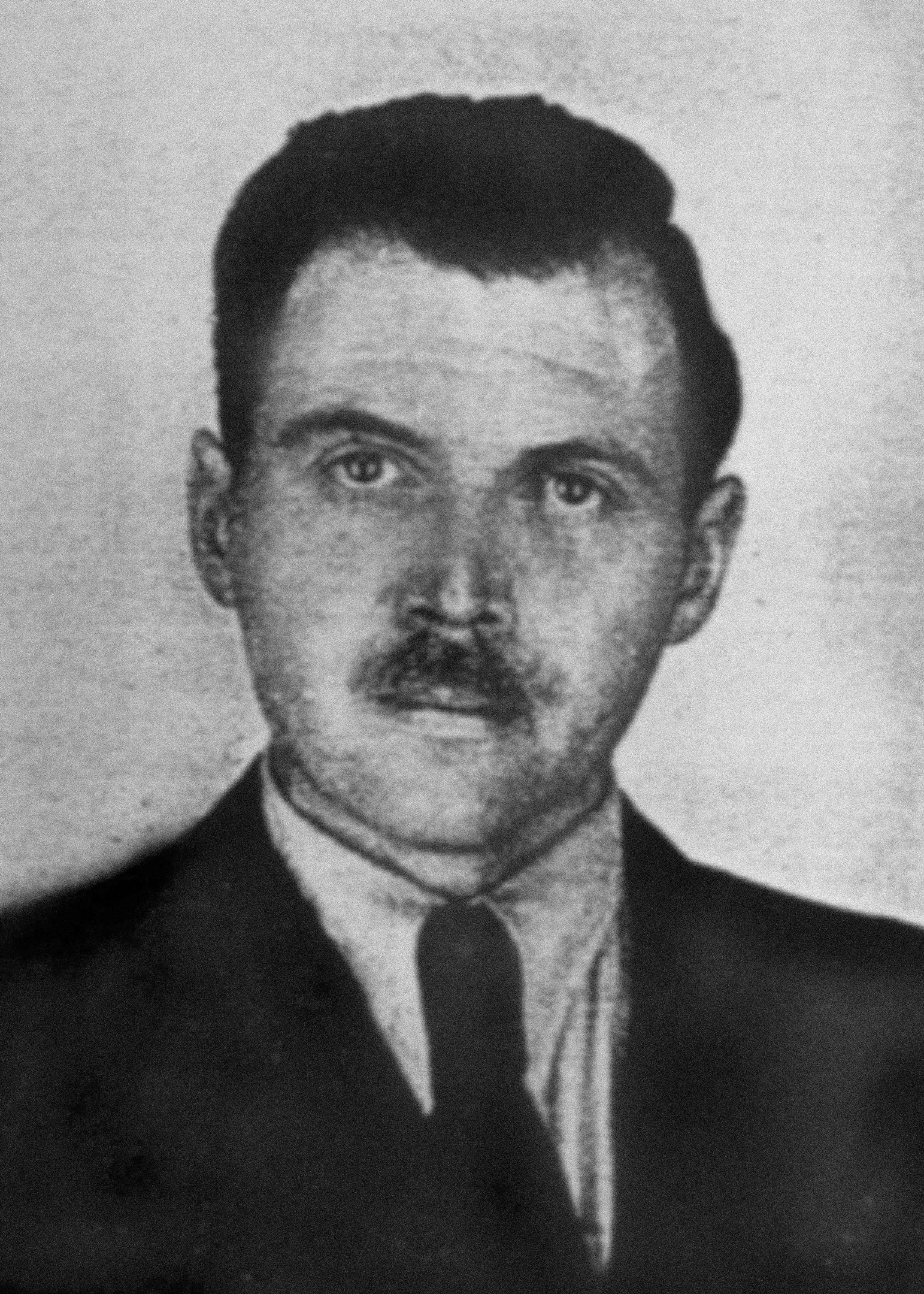
There is a picture of Mengele with a bushy moustache and fedora hat in later life. How much effort did he put into physical concealment?
Betina Anton
Mengele avoided going out without a hat here in São Paulo because he thought it helped him hide. What I find funny about this is that nobody here wears hats and that doing so would probably attract even more attention.
Liselotte gave an interview saying that he had undergone plastic surgery. But I don't know the details. Mengele also avoided being photographed and the few images available were taken by his friends and acquaintances.
Unseen Histories
Many hidden Second World War stories have come to light in recent years. But when you track Liselotte down she has no intention of speaking. Can you tell us about her attitude?
Betina Anton
Liselotte didn't want to talk about Mengele and also started threatening me when I told her that I wanted to write a book about him from the German community’s perspective.
That made me very afraid, because I didn't know who she was associated with.
Her attitude was strange in a very specific way because, on the one hand, she talked to me like an old acquaintance. On the other she threatened me, which made the situation all the more sinister.
Unseen Histories
Despite this being distant history, did it feel like a dangerous story to research?
Betina Anton
Of course. Liselotte's threats made me afraid because I didn't know if she was part of a Nazi network or something else entirely. In addition, there are people who were young when Mengele lived in São Paulo and who knew him and who will live for many years with their memories of him.
These people appear in a photograph that was taken at a barbecue where Mengele is surrounded by young people. But these people don't want to talk about it. The nephew of one of them threatened to sue me if his uncle's name appeared in the book. His name is there •
This interview was originally published February 26, 2025.
She has more than twenty years of experience as a journalist. As an international news editor at Globo TV, the largest channel in Latin America, she has participated in major news coverage, such as the wars in Ukraine and Syria, and all the American elections since 2008. In 2019, she won the Vladimir Herzog Award, the most prestigious journalism prize in Brazil.
Hiding Mengele: How a Nazi Network Harbored the Angel of Death
Icon, 27 February, 2025
RRP: £16.99 | ISBN: 978-1837733002
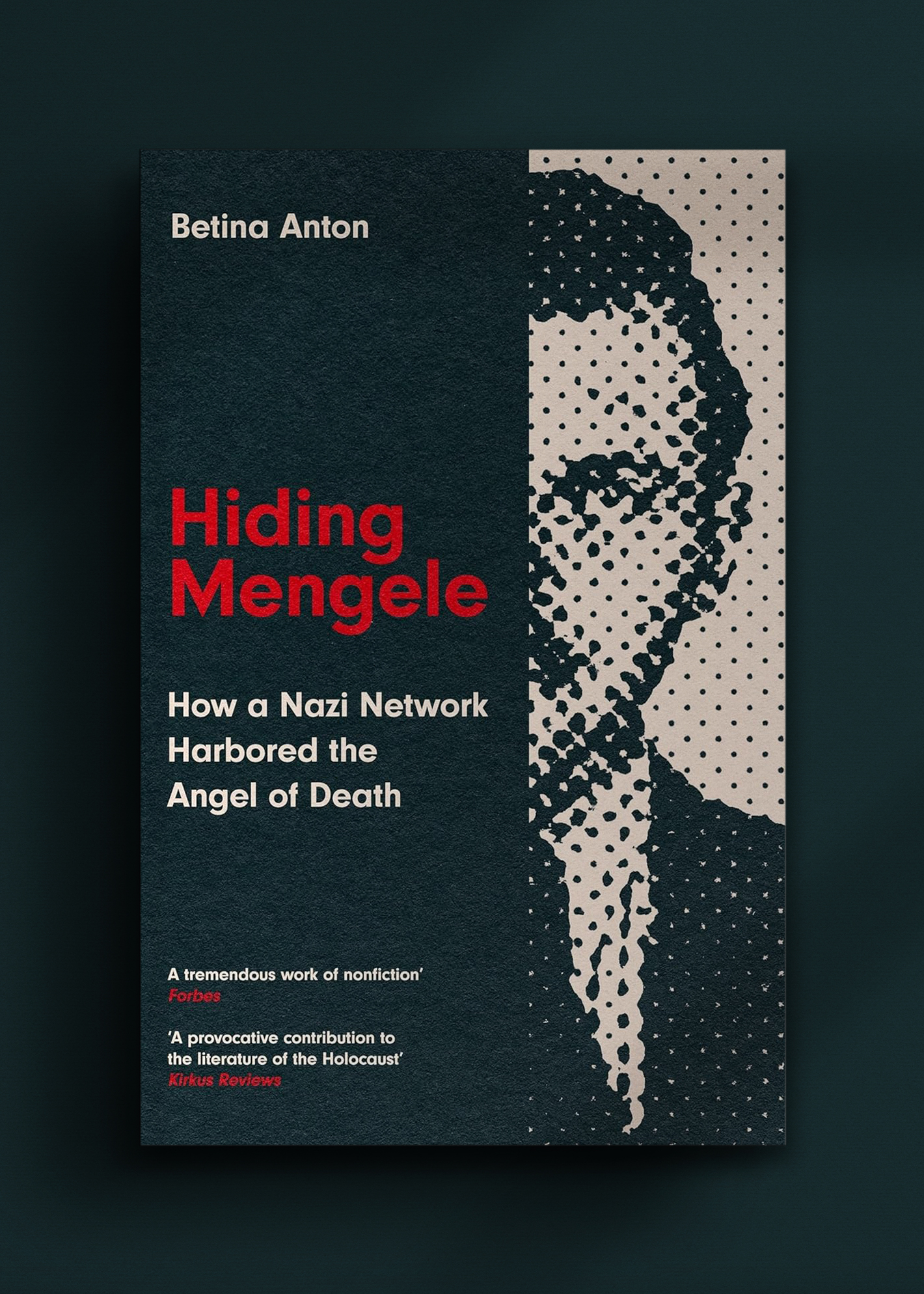
“A tremendous work of nonfiction” – Forbes Magazine
Unearthing the network that hid the 'Angel of Death', the infamous Nazi doctor who escaped justice for more than three decades.
In 1985, Betina Anton watched Brazilian authorities apprehend her kindergarten teacher for allegedly using false documents to bury in secrecy the remains of Josef Mengele, known worldwide for cruel human experiments and for sending thousands to the Auschwitz gas chambers. Decades later, as an experienced journalist disturbed by the mysteries surrounding the departure of Austrian expat Liselotte Bossert, Anton set out to find her and see if the rumors were true. She could not imagine how deeply into Mengele's life-on-the-run her investigation would take her.
Josef Mengele was a fugitive in South America for 34 years after World War II, sought by Israeli secret service and Nazi hunters. Hidden for half that time in Brazil, thanks to a small circle of expatriate Europeans, Mengele created his own paradise where he could speak German with new friends, maintain his beliefs, stay one step ahead of the global manhunt, and avoid answering for his crimes.
Translated from the Brazilian Tropical Bavaria edition and based on extensive research, including revelatory interviews and never-before-seen letters and photos, Hiding Mengele is a suspenseful narrative haunted not only by the doctor's horrific actions, but also by the motivations driving a community to protect an evil man.
With thanks to Amelia Kemmer.
📸 Dive into our Features
🎤 Read Interviews
🎧 Listen to Podcasts
🖼️ Buy fine art prints & more at our Store


_1b.jpg?ref=unseen-histories.ghost.io)
