
Martha Dodd: A Yank in the KGB
Brendan McNally describes the strange sequence of events that took a girl from Chicago to Nazi Berlin


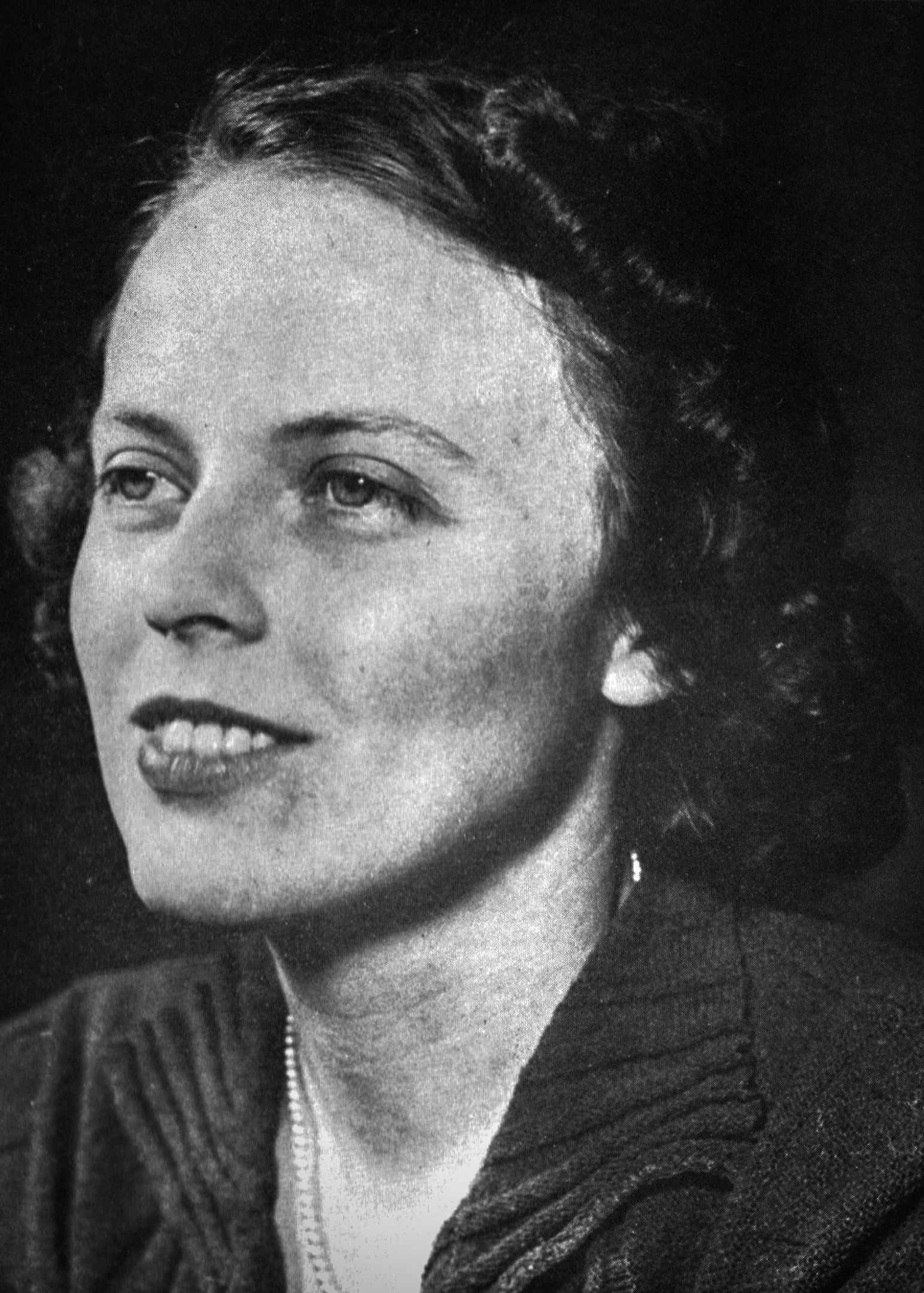
Martha Dodd, the daughter of a history professor from Chicago, was living a frivolous life as the 1930s began. Two ambitions drove her. The first was to seek freedom, the second was to be recognised as a writer.
In 1933 she was wrenched out of this existence when President Franklin D. Roosevelt appointed her father as the US Ambassador to Nazi Germany.
Professor Dodd asked for permission to bring his high spirited daughter to Berlin with him. And so began, as Brendan McNally describes in this feature, a 'traitor's odyssey'.

Growing up in Chicago during the 1920s and early '30s, Martha Dodd dreamed of being a famous writer. Anything less didn’t interest her.
People kept telling Martha her writing was good, but to Martha what only mattered was whether it was good enough to be ‘great.’ Because if not, she wasn’t sure she was interested. She was studying literature and poetry in university and writing short stories on the side, some of which got published, some she even got paid for.
After being offered a job as assistant books editor at the Chicago Tribune, she quit school, telling herself she didn’t need the degree, because she was already ‘on her way!’ But assistant books editor turned out to be, at least in her eyes, a ‘flunky job’ and she quickly bored of it.
Martha’s personal life was, at the time, ‘complicated.’ She had a bunch of boyfriends and that was all good, except that one, a banker in New York, whom she had secretly married a year earlier on a whim, was now pressuring her to start ‘settling down’. It wasn’t that Martha didn’t love him. She did. She just wished all of it would go away.
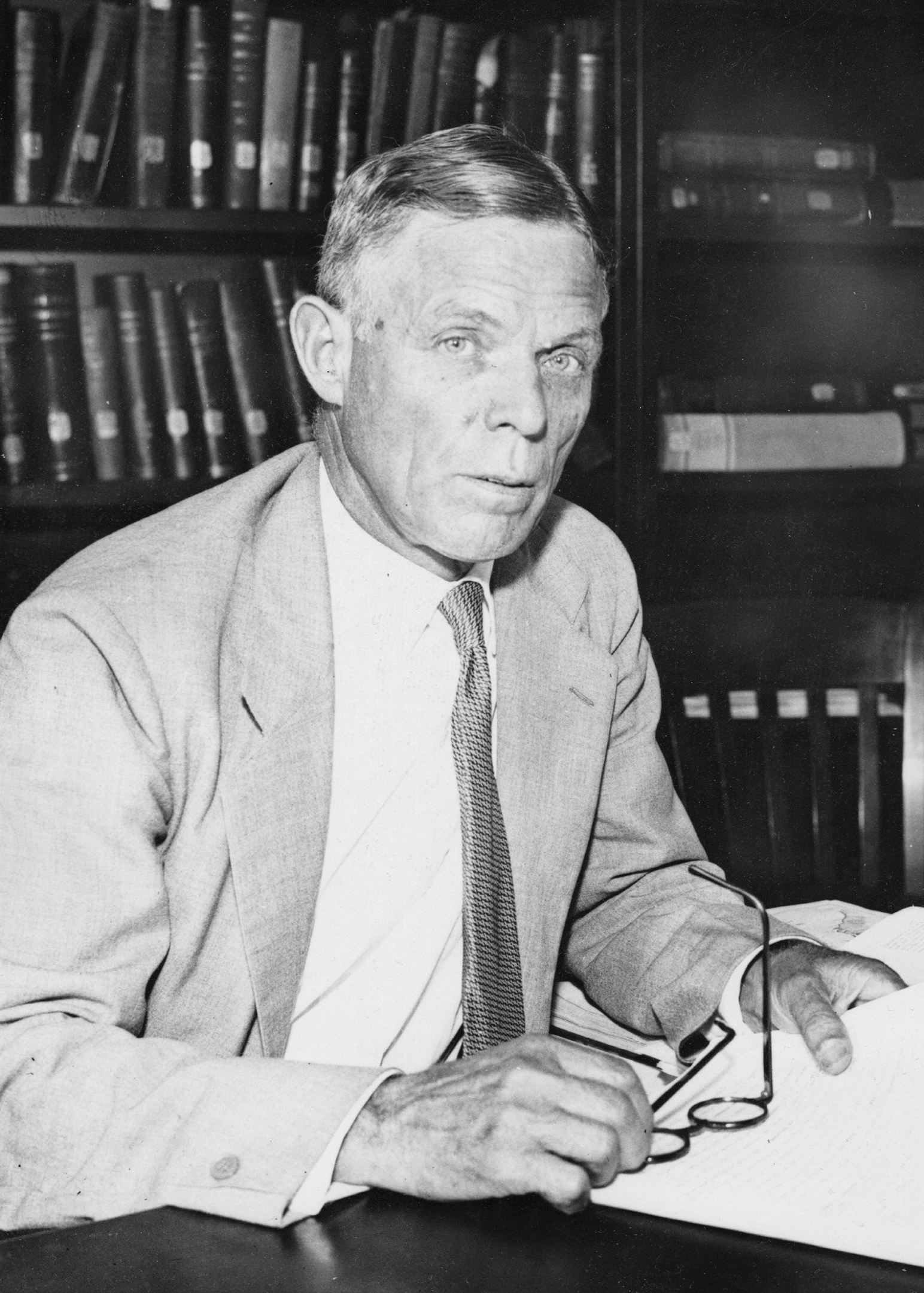
Out of the blue, her father, Professor William E. Dodd, head of the History Department at University of Chicago, got a phone call from Franklin Delano Roosevelt, the new President, offering him the ambassadorship to Germany.
FDR told Dodd he wanted him as his personal envoy to the strange new fellow, Hitler, running things there. Neither man knew what to make of him or the nasty things he was saying about Jews.
Dodd, who held to a genteel brand of anti-Semitism then common among intelligent and ‘polite’ society, thought it was likely an exaggeration by the press. FDR himself wasn’t sure, but said he thought it was important to have a German-speaking ‘Jeffersonian Democrat like Dodd’ present, ‘so Hitler understood what Americans were all about.’
FDR didn’t mention he’d already offered the job to nine more-important men who’d all turned it down and that they needed to get the post filled before the Washington summer break, which was starting in a couple days.
Dodd asked if he could bring his son and daughter. Even though both were grown, he thought it would be nice if they could all have one last adventure together. FDR told him a family adventure sounded splendid. So they went.
Though her real reason for leaving was so her messy personal problems might sort themselves out, everyone naturally assumed that Martha, a ‘newswoman,’ had leapt at the chance to report on Hitler and everything going on in Germany.
But Martha had never been interested in current events. She had no real opinion about Hitler and didn’t care about Jews, oppressed or otherwise. What did interest her was Berlin’s fabled nightlife, which she heard was tops. Someone at the paper told her not to bother packing her gowns for going out. People weren’t going out anymore. The Nazis had put an end to it. Martha went anyway. She knew she could always find a good party.
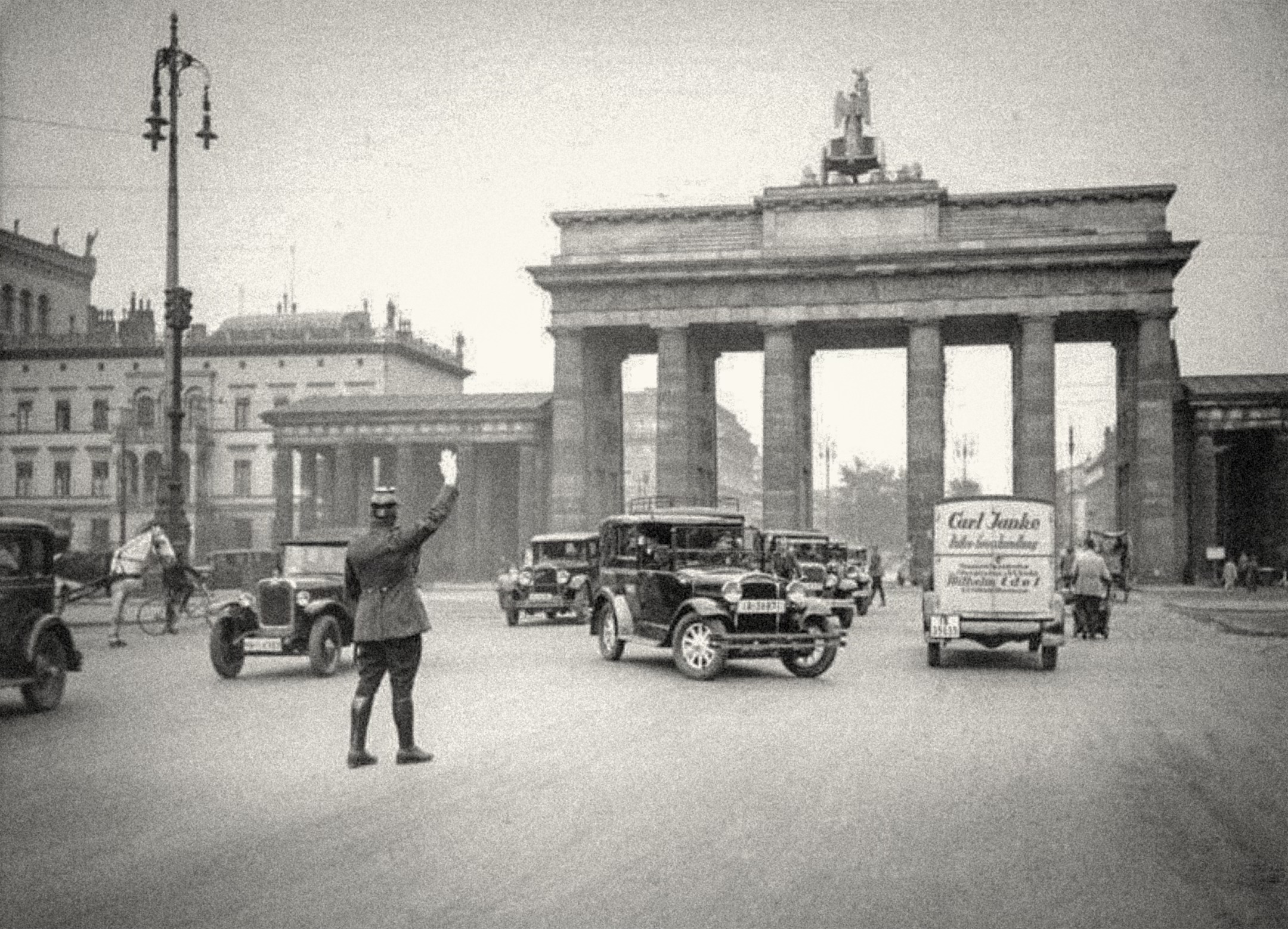
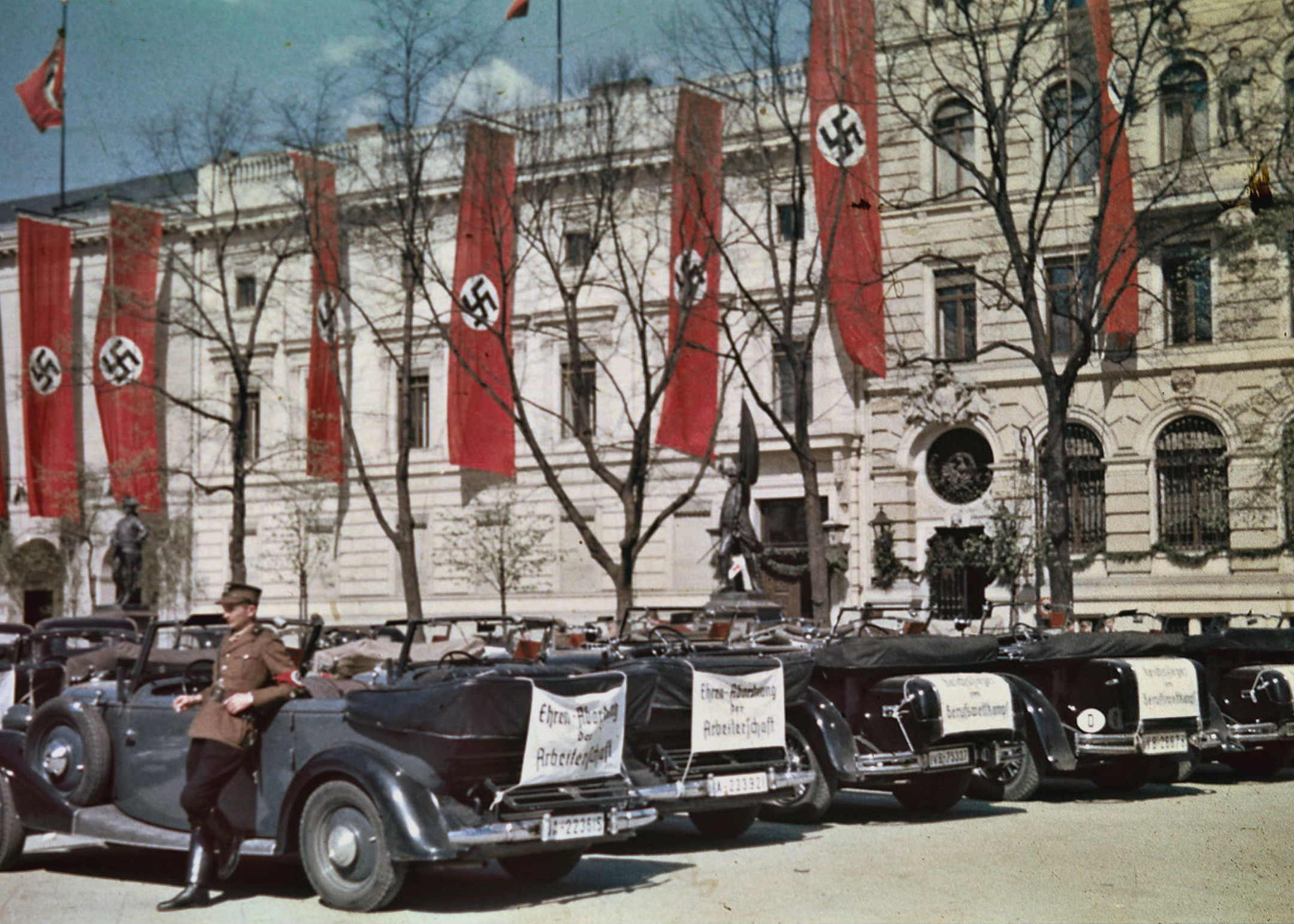
In Chicago, the Dodds were nobodies. In Berlin, as the family of the American Ambassador, they were a very big deal.
The moment they stepped off the ship in Hamburg, the spotlight was on them. Hundreds had travelled up from Berlin to greet them with flowers and good wishes. Their pictures appeared in the papers. Against Dodd’s wishes, they were put up, almost for free, in the grandest suite of The Esplanade, Berlin’s premier hotel.
Dodd, a man who detested artifice and classism, couldn’t stand it. Martha loved it. She loved how people came by, dropping off visiting cards. Many, she noticed, had ‘von’ attached to them. With them came invitations to dinners, receptions, and cocktail parties.
In Berlin, a new ascendancy had come to the fore: young blades who’d fortuitously hitched themselves to different Hitler henchmen and, having gotten themselves into plum posts, now wanted to party. Their bosses might all have their knives out for each other, Weimar’s cabarets might be closed, but some nightclubs still were open and going great guns catering to the new Nazi elite. And into it all, eager for fun, came the very free-spirited Martha Dodd.
Martha adored the Nazis right off. So many good-looking men, charming, eminently fuckable, and mostly English-speaking! Among her posse of swains, was Dr. Rudolf Diels, the very witty and charming head of the Gestapo; Udet, fighter ace turned Hollywood stunt pilot and playboy, lured back to help birth the still-gestating Luftwaffe.
Of course there was also ‘Putzi’ Hanfstaengl, Hitler’s lumbering ‘piano player from Harvard;’ ‘Captain’ Wiedemann, Hitler’s adjutant, private secretary, personal envoy, and, unbeknownst to everyone, his wartime commanding officer, plus more generals than anyone knew how to count.
What never made any sense to her was Hitler. For all she heard about him, she couldn’t see what the big deal was. She saw his speeches and thought they were dumb and the one time she actually met him for tea, aside from his eyes, which she admitted were ‘mesmerizing,’ she thought he was basically a drip; not really gross, just kind of sad and with horrible breath and certainly not anyone she’d have sex with, not even to be nice. What did her new friends even see in him? Still, fun was fun and Martha was having lots of it.
Ambassador Dodd’s ‘genteel’ anti-Semitism didn’t hold up long in Germany. Once he saw what the reality was; how Jews were being treated, he knew he’d been wrong about so much.
Overnight Dodd became an anti-fascist. No one can say when Martha’s love for Nazi Germany turned to loathing, but it did, though it took at least a year.
There were two parties that brought it about. The first was Mildred, an American who immediately became Martha’s best friend.
The second was Boris, a tall, dashing Soviet diplomat who would be the great love of her life.
Doctor Professor Mildred Fish von Harnack was a brilliant, impoverished academic who lectured on American literature at Berlin University. She and her husband Arvid became Martha’s refuge. Mildred wrote precise, erudite essays on literature and writers for German newspapers that were widely read. Tall, gaunt, strikingly beautiful, Mildred exuded a quiet grace and deep intellectual seriousness people found irresistible.
Mildred was also an endless whirlwind of activity, singlehandedly running Berlin’s American community, including the Women’s Club and Berlin Chapter of the Daughters of the American Revolution. With Arvid, a respected economist, she also organized and ran study groups and discussion circles on economic and geo-political topics. She and Arvid gave every appearance of being Nazis, but it was a ruse. They were actually leading the Resistance.
Through Mildred and Arvid, Martha finally faced up to the evil that Hitler and the Nazis represented. They made her start caring about the Jews and other people being beaten down. From them she also learned that sometimes people are obligated to decide what side they’re on. If not for them, she might have remained pro-Nazi.
Though conservative and devoutly Christian, the von Harnacks knew Hitler absolutely had to be brought down and if the only way to do it was become Communist, they’d become Communist. If that meant Stalin and Moscow, then so be it. They and their networks became part of the Soviet spy apparatus.
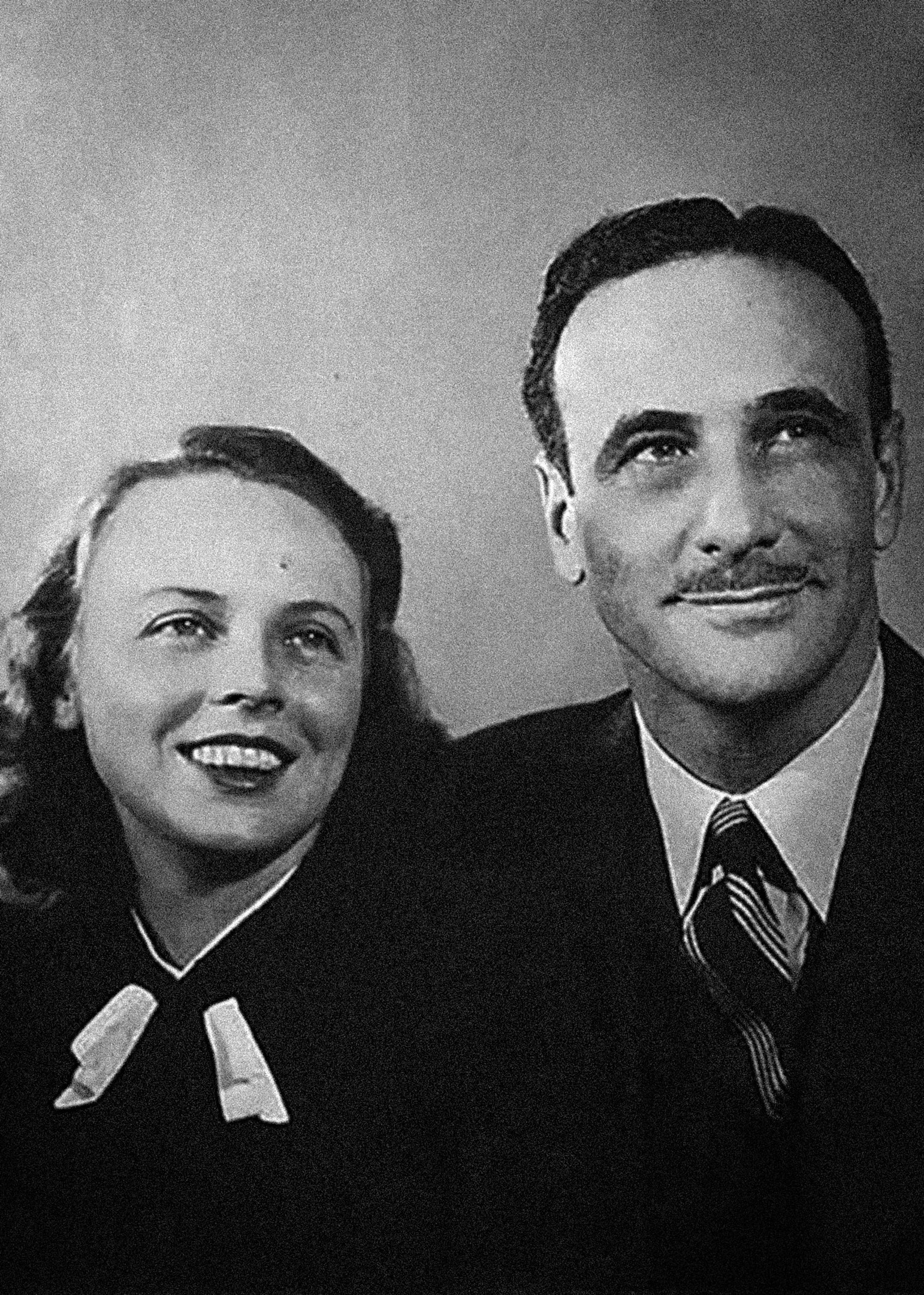
As for Boris Vinogradov, all Martha knew was that when their eyes first met at some reception or function, the sparks flew and right away, she and he both fell mad-crazy in love with each other.
Boris wasn’t like any man she’d ever met before. Tall, handsome, and jovial, Boris was a third secretary at the Soviet Embassy and it’s press spokesman. For most, Boris was the only Soviet official they’d ever meet. In spy parlance, Boris was a ‘Romeo,’ placed there for the wives of biggies to fall in love with. It was a strategy Moscow Center had always done well with, but then many spy agencies did also. Falling in love with him, Martha, the American Ambassador’s daughter, most definitely did, and he with her, not that either of them ever stopped being alley cats.
Martha soon began supplying Boris with cables and reports from her father’s desk, along with information gleaned through pillow talk with different top Nazis. Theirs was a tumultuous relationship, endlessly fighting and making up, being crazy and not even pretending to be faithful. When they were together they’d dream about a future together as diplomats and spies, and, oh, the things they’d do!
In March,1934, Boris’ boss at the embassy received instructions to order Boris to write Martha a ‘warm, comradely letter,’ inviting her to travel to Paris and ‘meet certain friends of his.’
So would begin her recruitment as one of their agent-comrades. But Martha decided not to go. She hated Paris. Instead, she flew to Russia and presented herself directly to the wise men of Moscow Center and explained what she could do for them. Martha even brought a stack of Jazz records as a gift for foreign minister Vyacheslav Molotov, whom she understood had once been Boris’ boss and mentor.
The meetings went well. The senior officials of Soviet intelligence listened to her pitch and more or less liked what she proposed. They didn’t promise Martha anything, but saw that at least a day got spent teaching her some essentials of spycraft. After that, they took her shopping, bought her some things, took her to one of Moscow’s nicest restaurants and then saw her off.
Martha returned to Berlin. A couple months later, Boris got reassigned to Bucharest. Martha was assigned a new handler: Bukhartsev, codename Emir, working under journalistic cover. Martha didn’t like him and complained to the Soviet ambassador. In very short order, Bukhartsev was ordered back to Moscow where he was arrested, tried, and shot.
A replacement was sent and not long after Martha reported that she liked him very much.
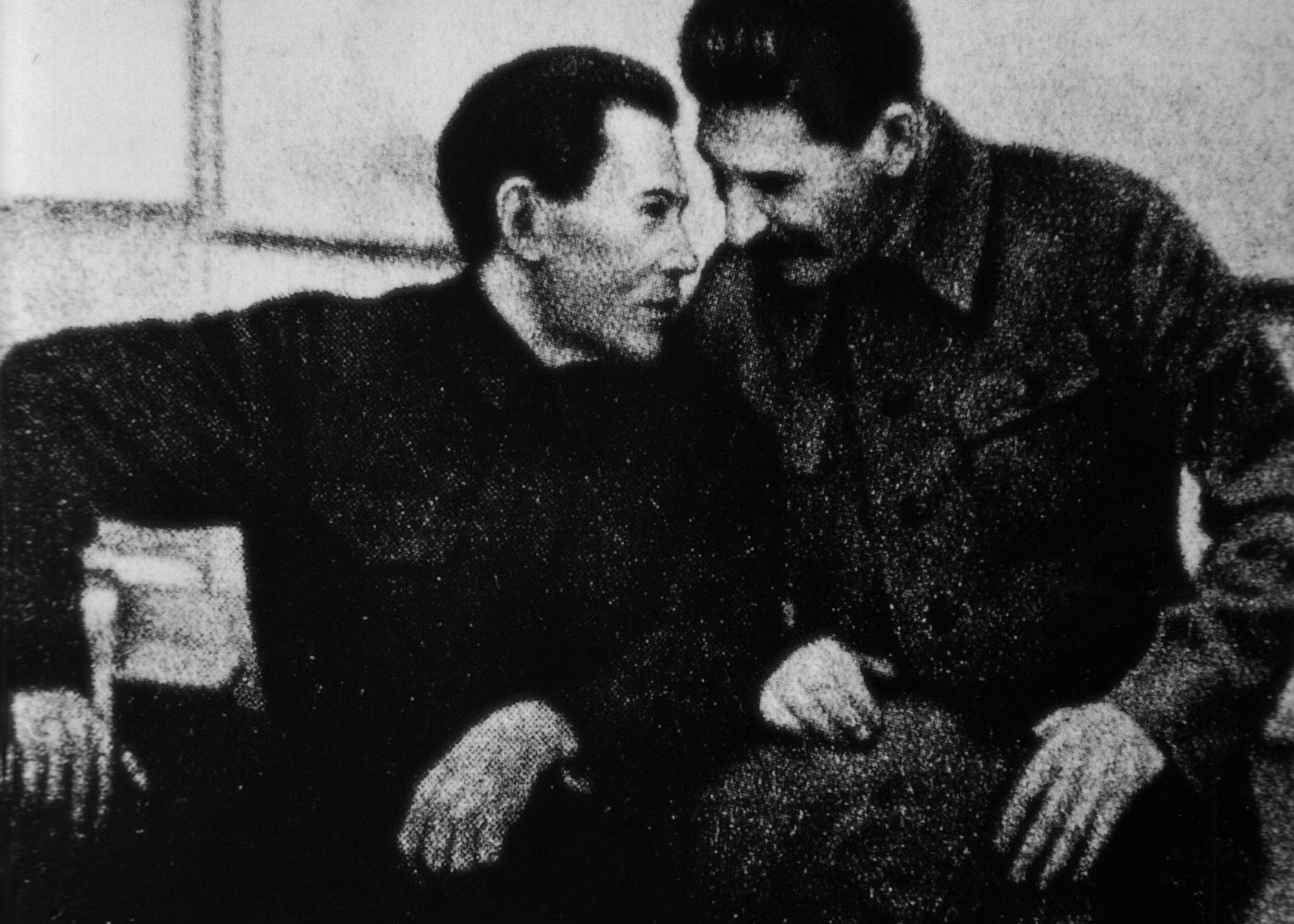
For a year or so, Martha was one of Moscow Center’s prime agents. Her reports went directly to Stalin’s desk. What it was that earned Martha their very high regard isn’t known, but it probably involved sex. About all that is known is that it only lasted for a while and once it was over, her output dropped down to very little, apart from the stuff off her dad’s desk.
The freewheeling days of 1933 were over. The SS now controlled everything and had everyone scared. Her old boyfriends were too worried about their own necks to risk being seen with Martha, let alone sleeping with her. Even the ones that did, wouldn’t say much.
Even though he was far away, Martha’s mad-crazy love for Boris never stopped burning. More than once they took trains to meet each other, often for a few hours together in different towns halfway between Berlin and Bucharest. Moscow Center found out about it and ordered them both to knock it off. They were also instructed to restrict their communications to official channels so they would know what they were telling each other. For once, both did as they were told.
In early 1937, Boris was reassigned to Warsaw. He asked permission for Martha to come see him. Permission was given along with an invitation for Martha to come see them in Moscow once she’d finished her visit, for some discussions about her future.
Martha spent a happy week with Boris in Warsaw, then got back on the train and went to Moscow. Unlike her previous visit, this time it was all strictly business. They told her they’d heard there was a move afoot to have her father recalled and replaced with someone else. What were Martha’s plans if that were to happen? Did she intend to remain in Germany? What about somewhere else in Europe?
Martha answered that since her utility as an intelligence gatherer in Berlin was now about zero, wouldn’t it make much more sense for her to be redeployed against the ‘American target.’ Back in Washington, her father would still exert a great deal of influence, since he knew Roosevelt and many of his advisors quite well.
They asked Martha what she knew about the First Lady Eleanor Roosevelt. Martha lied and said ‘quite a lot.’ That seemed to get them very excited. What did Martha think about infiltrating Eleanor Roosevelt’s ‘inner circle?’ Did Martha think she could do that? Martha smiled and told them it would be a “piece of cake.” This seemed to excite them. Experts were brought in and the infiltration campaign was mapped out. A case officer was picked from the New York rezidentura and assigned to Martha’s mission. This guy wasn’t just a handler. This would be serious stuff.
The planning session got very detailed and lasted several hours, but then, when it was wrapping up, Martha brought up Boris. She explained that they were in love and wanted permission to get married. They told her she’d need to petition Comrade Stalin himself. Did she really want to do that?
Martha did. She sat down and wrote out several letters, one to Stalin, another to Yezhov, head of foreign intelligence, explaining her qualifications, background and what she thought she can accomplish back in America. Training sessions followed. Since Martha was now coming formally into the fold, they talked to her at length about konspiritsa and its rules and protocols, but mostly its spirit and guiding principles. This meant she was no longer just an asset. Martha Dodd was now an agent; one of them.
Martha Dodd returned to Berlin feeling like she’d been reborn. For the next eight months she did very little, except think about the mission. The Berlin party scene was long dead. She and Mildred only got together once, because they couldn’t risk being seen together. When Martha finally left Germany, her departure barely made the papers.
Boris came down from Warsaw to brief her before she left. He said she could count on her case officer showing up a day or two after she arrived and introducing himself using a protocol she’d been taught. Then the two of them would go over the mission, discuss it in depth and set up the courier link and other logistics. Under no circumstances should Martha start her mission until after going over the mission with him.
Martha objected, saying it didn’t make sense. She already knew what she had to do. She wasn’t going to need a courier for months or any other support. Boris sighed. Thems the rules, darling. Do svidaniya Martha! I shall never forget you! Her voyage home was uneventful. The ship arrived at New York City just before Christmas. Martha stepped off, eager to begin her new, very important assignment. Now, she just had to wait for the case officer to show.
Two days passed, but no one came. A week passed, then two weeks, then three. Finally, someone did show up. A Russian acting like he was an American using the “Hi, I’m a friend of Bob Norman” protocol. He quickly explained that he was not her case officer, that her case officer had been recalled to Moscow ‘for consultations.’ Martha needed to stand by till he returned and no, he didn’t know when that might be. So Martha continued to wait and wait and wait.
What it was, Martha later learned, were the Purges. A bloodbath had erupted back in Moscow and lots of people had been shot, including, apparently, the whole section handling Martha’s mission. Every one of them went before a firing squad, along with her case officer and half of the New York rezidentura.
As a result, there was now a shortage of case officers as well as people from the lower ranks they could promote in a pinch. It meant anyone who hadn’t been shot now had a ton on their plate, so yeah, it might be a while, but they would be in touch.
She continued to wait. Years passed. Martha married a very wealthy man and wrote two bestsellers based on her time in Germany. She was now a famous writer, but really what she wanted was a case officer and a mission to bring down the fascist, capitalist, imperialist monster. More years passed. By now, the world was at war and America and Russia were allies; friends. But that didn’t matter to Martha.
Then the order came and Martha was finally activated and given what she was told would be a very important mission. After that, things got weird •
This feature was originally published November 20, 2024.
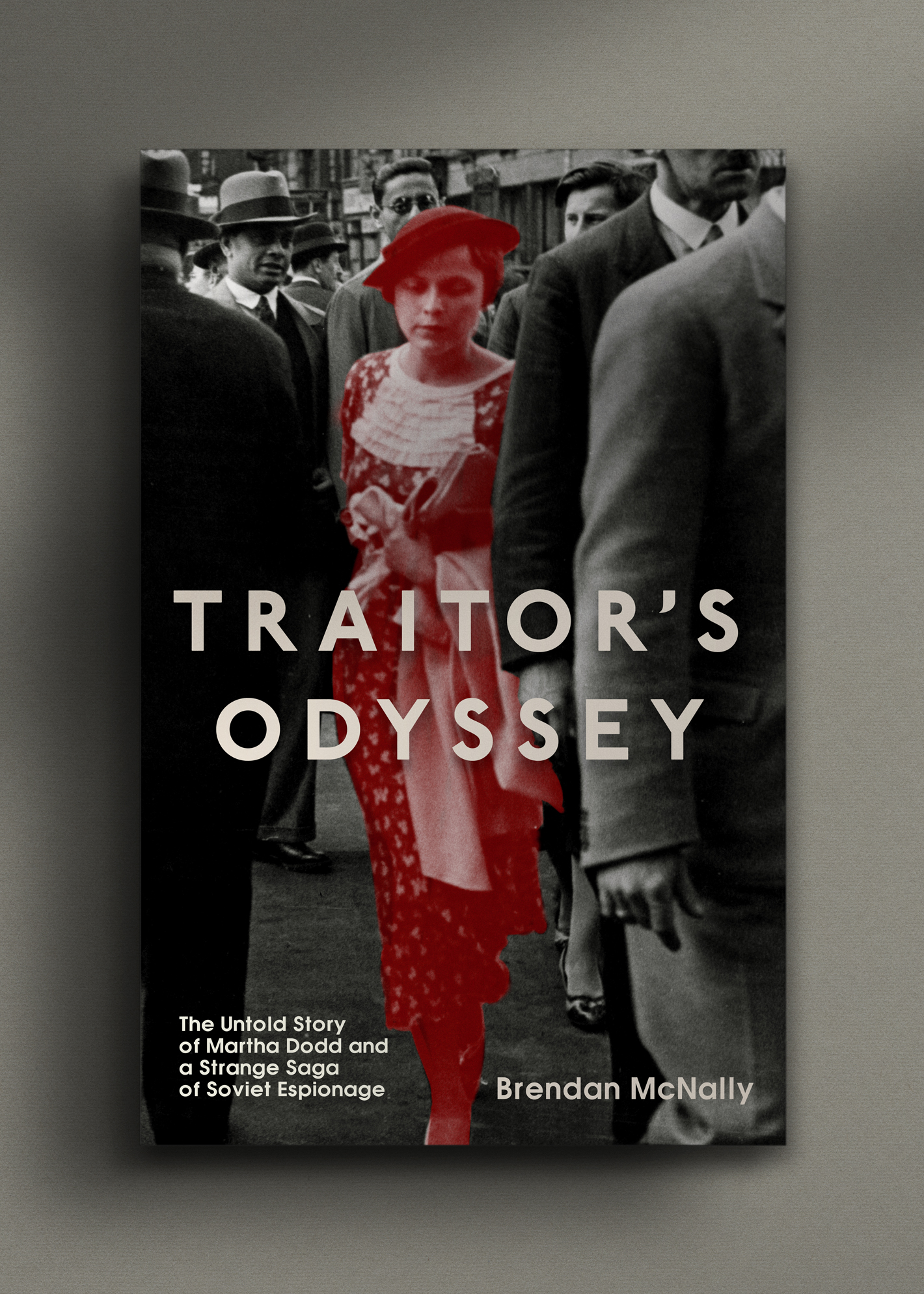
Traitor's Odyssey: The Untold Story of Martha Dodd and a Strange Sage of Soviet Espionage
Icon, 21 November, 2024
RRP: £25 | 384 pages | ISBN: 978-1837730322
“A captivating page-turner” – Helen Fry, author of Women in Intelligence
Accompanying her parents to Berlin in the 1930s, Martha Dodd knew almost nothing about Adolf Hitler or the Nazis. Yet almost overnight, she stepped into the spotlight, and found herself at the over-heated centre of Hitler's 'New Germany', befriending and dating several high-ranking Nazis, including the head of the Gestapo.
An affair with a dashing Russian diplomat saw her recruited as a spy, and so began a long and tumultuous career in both Berlin and America, including attempts to infiltrate First Lady Eleanor Roosevelt's inner circle and playing a key role in Henry Wallace's disastrous 1948 presidential campaign.
Betrayed by a Hollywood-hustler-turned-double-agent, Martha spent years under deep FBI surveillance - escaping twice - and went to ground in Cold War Prague, sad, lonely, rich and bored, living out her final decades in a Communist Sunset Boulevard.
Largely forgotten, Martha Dodd began to emerge as an iconic historical figure in the early 2000s. While her scandalous behaviour and pro-Soviet leanings were never much in dispute, the actual matter of her guilt remained unresolved. Now, using recently released KGB archived information and FBI files, author and journalist Brendan McNally sets the record straight in Traitor's Odyssey, telling the full epic tale of Martha Dodd's life for the first time, casting her in a new and bright light.
“A delicious, gossipy and thoroughly engaging romp ... heartily recommended”
― Tim Tate, author of Hitler's British Traitors and The Spy Who Was Left Out in the Cold
With thanks to Rhiannon Morris and Elle-Jay Christodoulou.
📸 Dive into our Features
🎤 Read Interviews
🎧 Listen to Podcasts
🖼️ Buy fine art prints & more at our Store


.jpg?ref=unseen-histories.ghost.io)
?ref=unseen-histories.ghost.io#/media/File:William_Dodd_(US_Ambassador_to_Germany).jpg)


