
Winner of the Cundill History Prize: Native Nations
Historian Kathleen DuVal is awarded one of the most prestigious history prizes


Each year the Cundill History Prize is awarded to a newly published book that 'embodies historical scholarship, originality, literary quality and broad appeal'.
At a ceremony in Montreal the prize for 2024 was presented to the American historian Kathleen DuVal, author of Native Nations, a groundbreaking book that brings Indigenous America into rich and vivid focus.
Here DuVal, Professor of History at the University of North Carolina at Chapel Hill, sets out what prompted her to write Native Nations.

Kathleen duVal, winner of the 2024 Cundill Prize
For over two decades, I have been a historian of early North America. Indigenous history is a central part of that era. In the centuries before the mid-nineteenth century, Native nations had most of the population of North America and held most of the power across the continent. My first two books centered on Native power in the 1500s, 1600s, and 1700s, showing how Native nations in the vast interior of the continent limited and shaped European colonialism.
And yet when I tell people what I teach and write about, the most common response I get, unless I’m talking to someone Indigenous, is something along the lines of 'it’s so sad what happened to the Native Americans.'
It is absolutely true that colonialism had horrible effects on Indigenous people, but for a sad history of victimization to be the only one that most people know does a great disservice to the millennia-long and tremendously varied histories of North America’s thousands of Native nations.
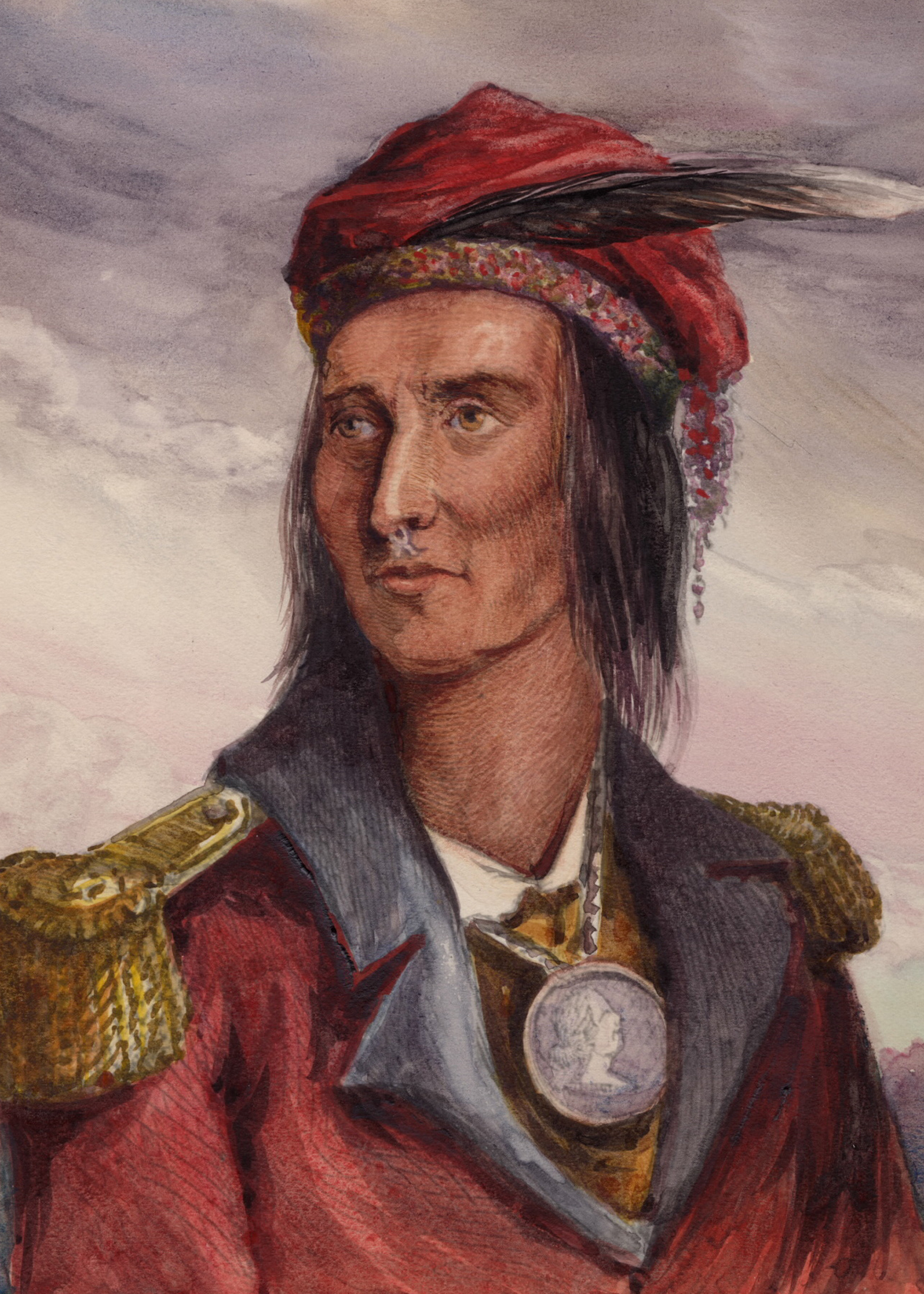
Even if well-meant, it can convey the impression that Native Americans aren’t around any more, that they declined and disappeared in the face of colonialism, that they are people only of the past. And yet it’s clear that Native people and Native nations are still here today—you don’t have to be paying much attention to see their very public and active presence in film, television, contemporary art museums, politics, and the courts.
I decided to write Native Nations to help readers bridge the divide between a vague understanding that First Nations were here before 1492 and today’s reality that Native Americans survived not only as descendants of the continent’s Indigenous peoples but also as nations.
Large numbers of Native nations and recognized Native communities still exist in Canada, the United States, and Mexico, and in the twenty-first century they are having a renaissance in sovereignty, economics, language, and culture.
Because my goal was connecting the distant past to today, it was important to me to teach readers about today’s Native nations at the same time that they are learning about the past. So, for example, Native Nations has a chapter on the Quapaws, a people of the Mississippi Valley (pictured in the header above).
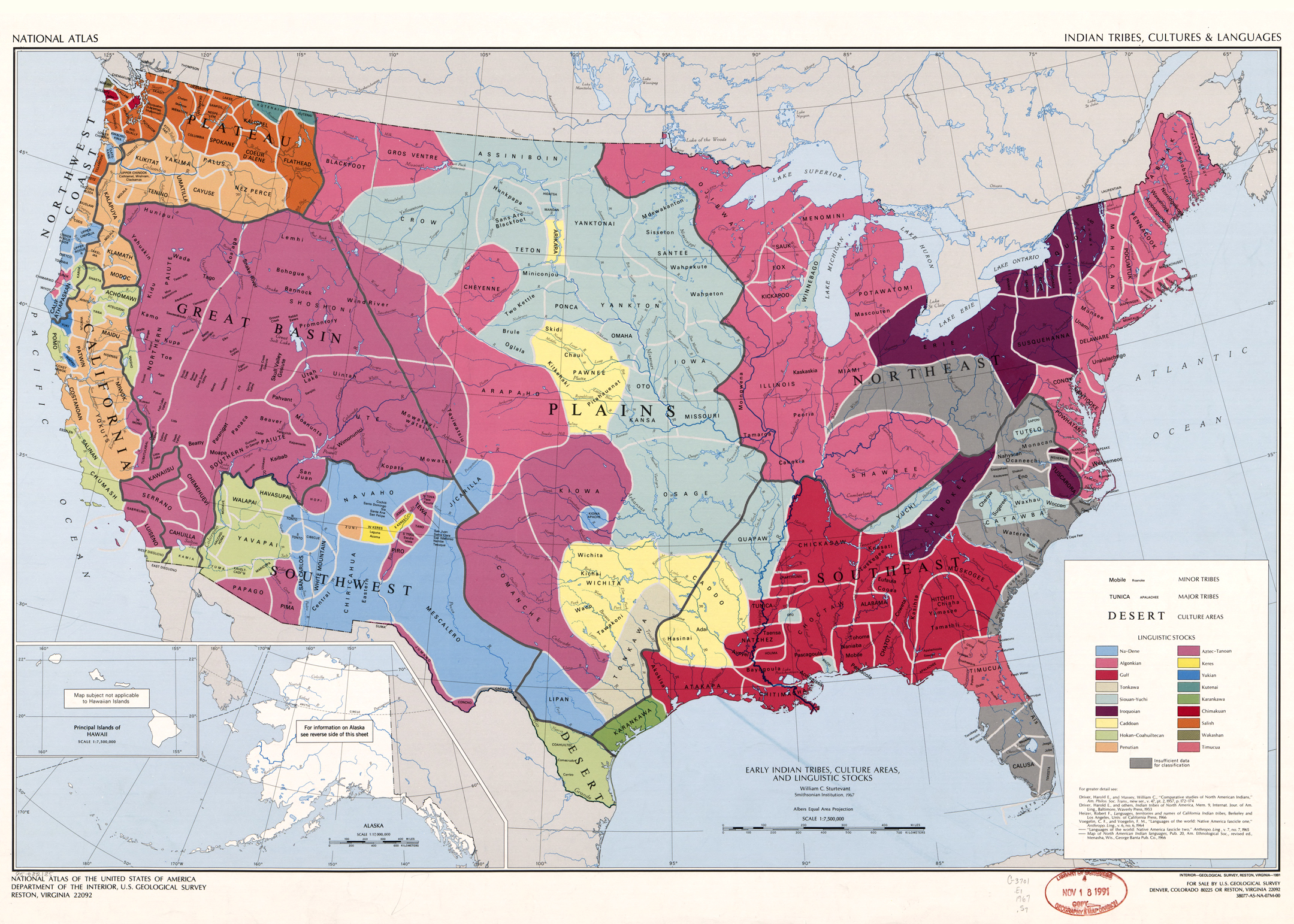
The reader learns about how they incorporated French colonialism in the eighteenth century to make it work to their advantage. The chapter relies on documents written by French officials and travellers as they reported their interactions with the Quapaws.
But the chapter also draws on Quapaw oral history and the linguistic, cultural, and historical knowledge of Quapaws today to fill out that distant past. After all, Quapaws—especially Quapaw scholars who spend their careers studying Quapaw language, culture, and history—know more than any outsider can.
Later chapters in the book return to the Quapaws and the other Native nations who survived, despite the odds, between the tenth and the nineteenth centuries. And readers learn what I have gleaned about these nations’ revivals today and how work goes on to preserve and promote them into the future •

The Cundill History Prize
Each year an award of $75,000 USD is presented to the author of a history book that 'embodies historical scholarship, originality, literary quality and broad appeal.'
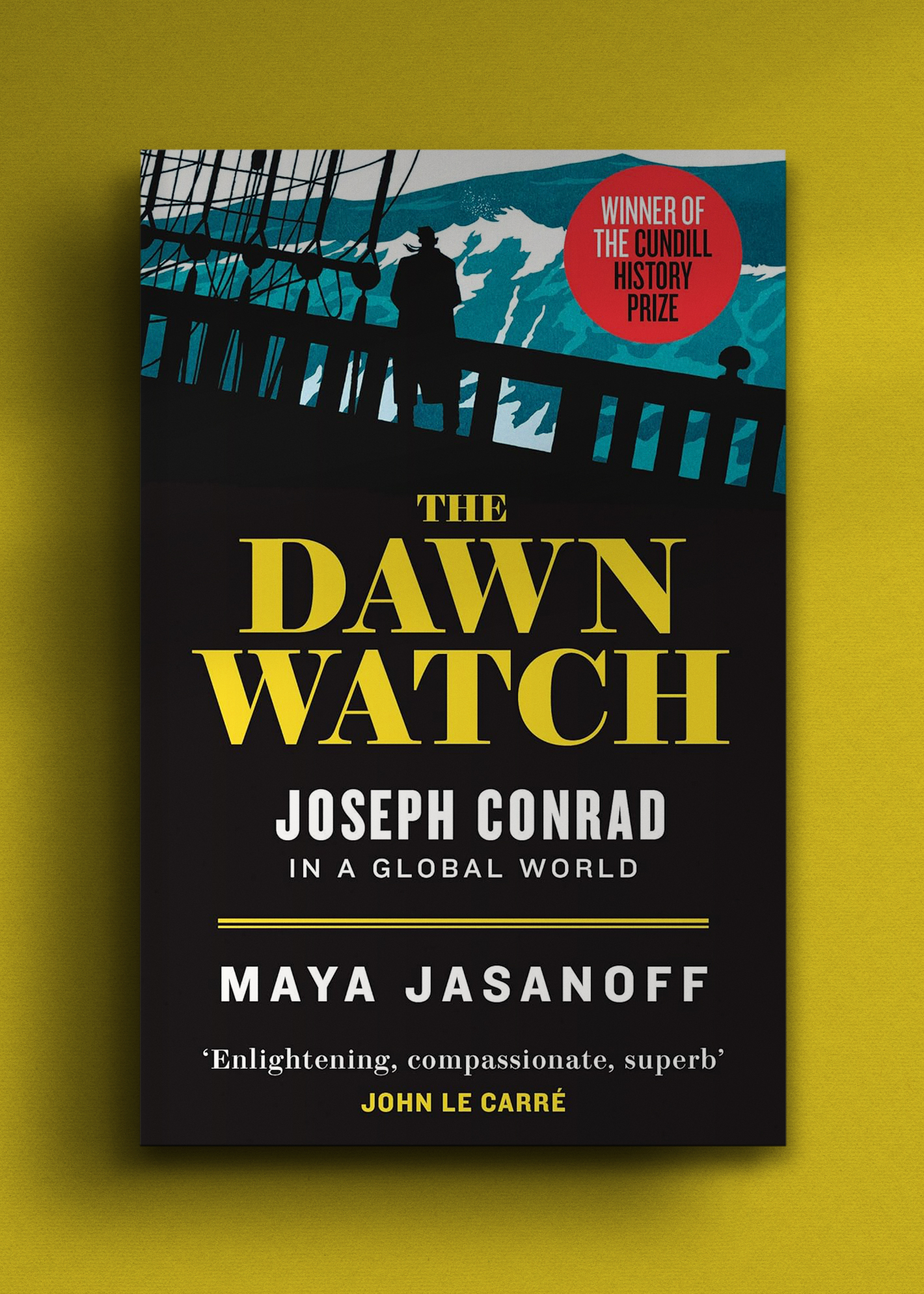
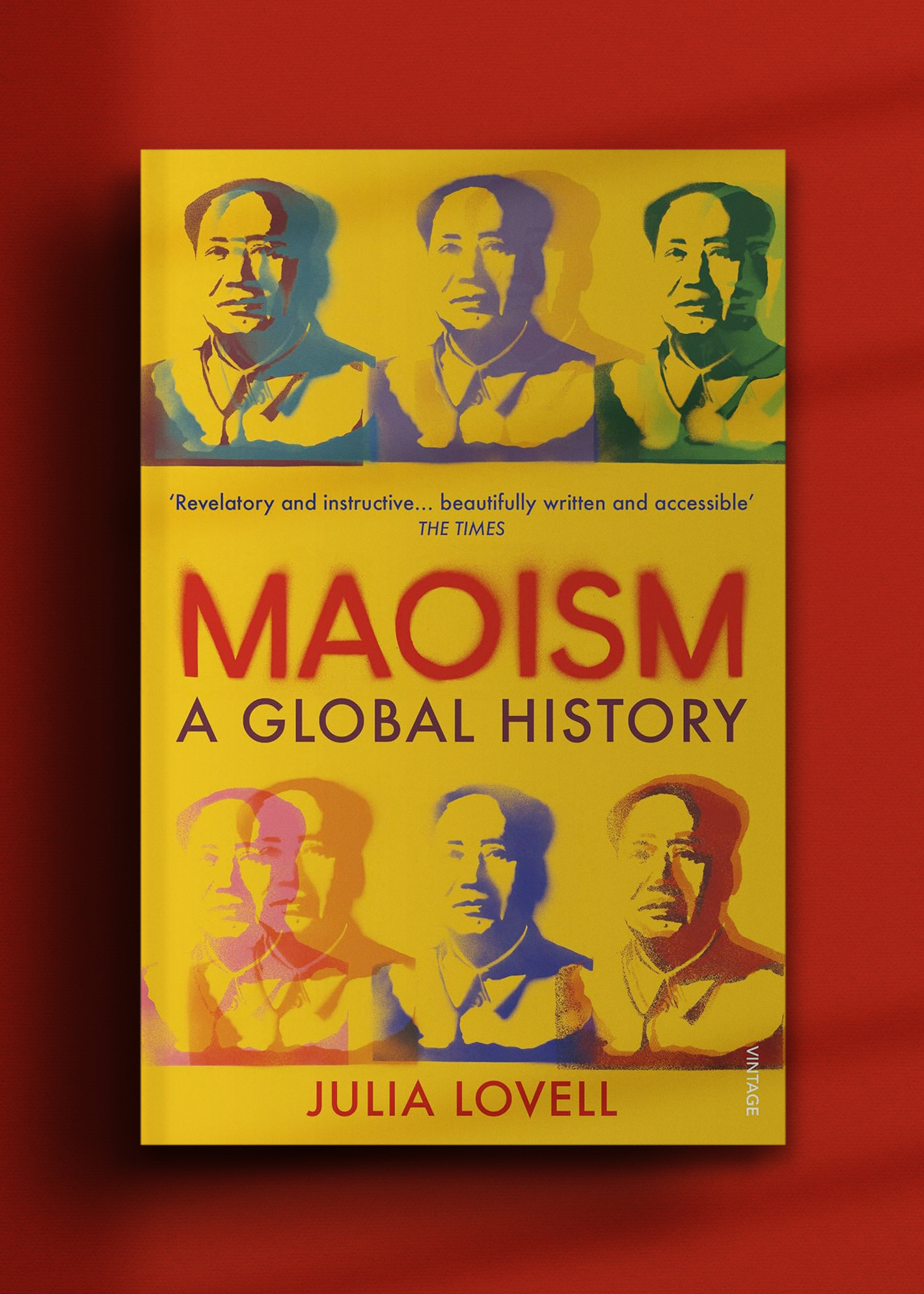

Past winners of the Cundill Prize
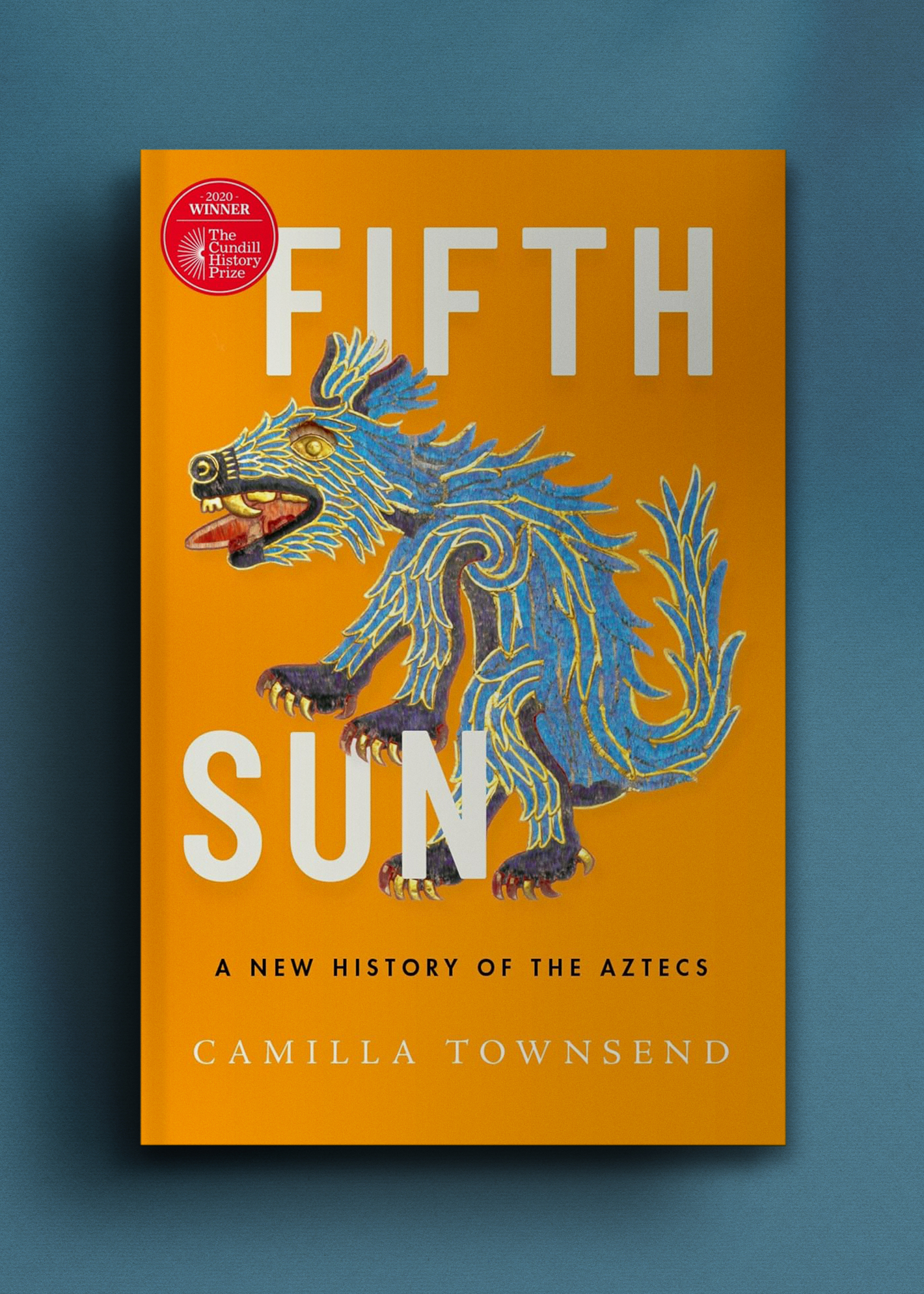
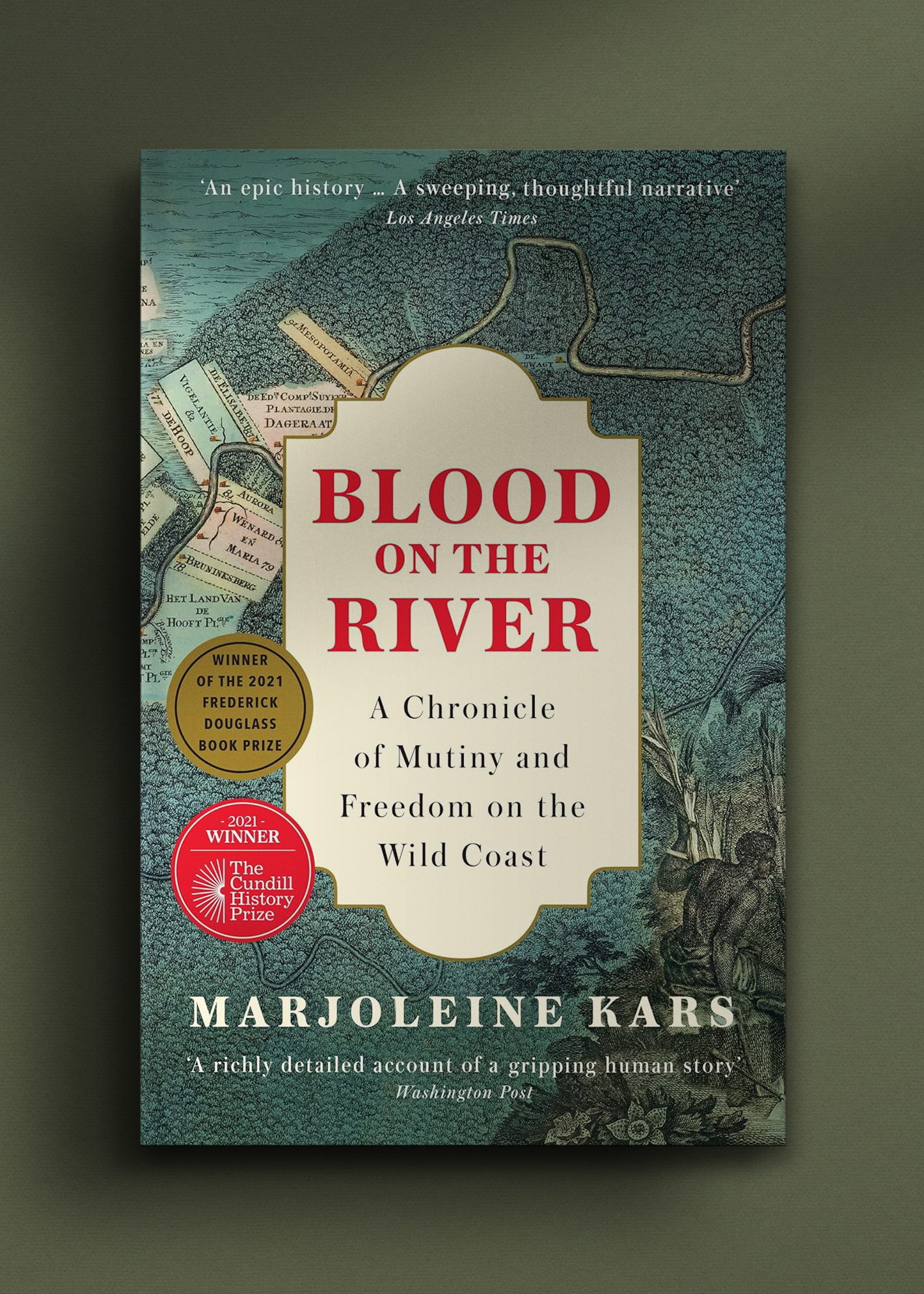
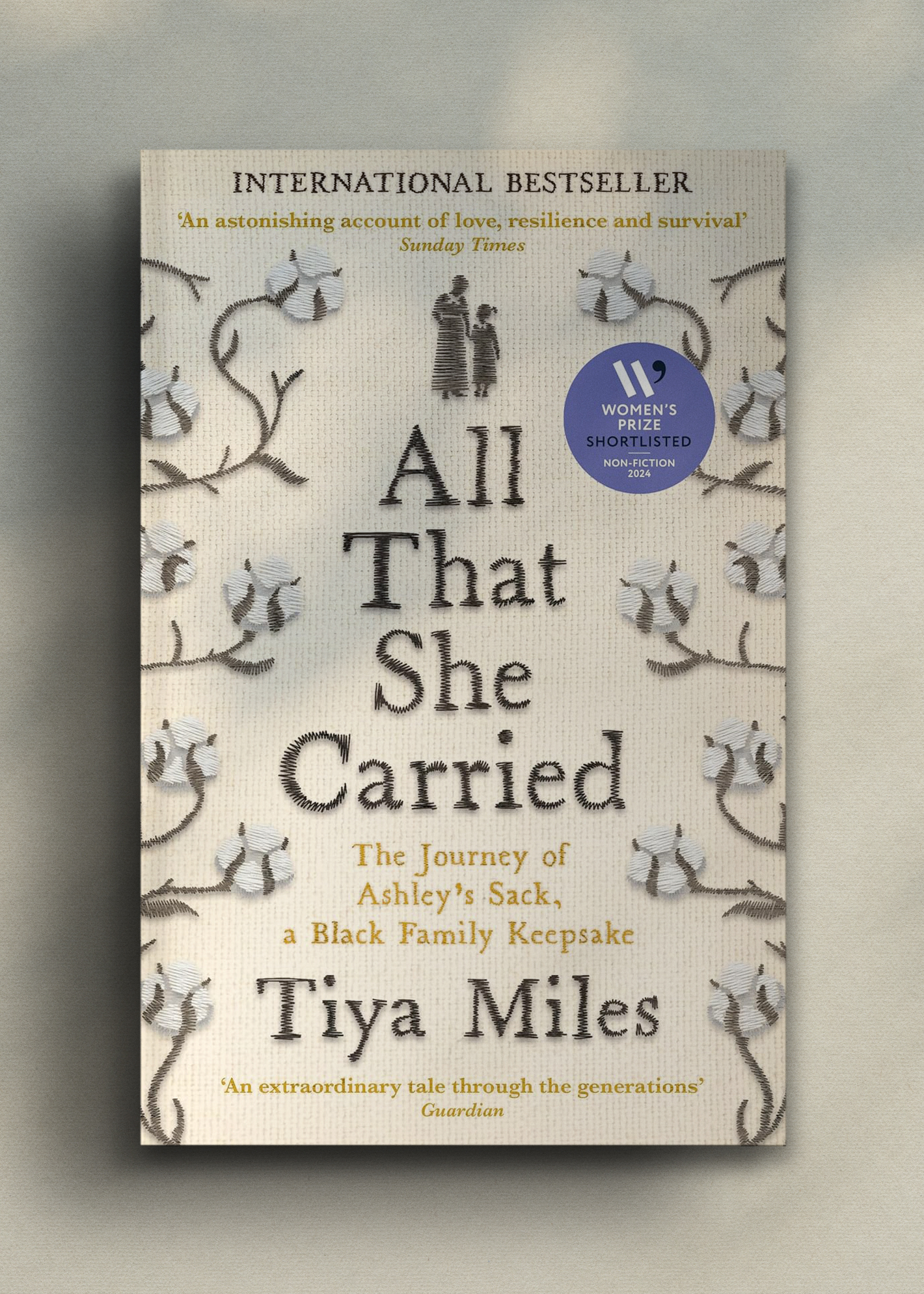
DuVal's Native Nations joins a distinguished list of past winners which includes Red Memory by Tania Branigan, The Dawn Watch by Maya Jasanoff and All That She Carried by Tiya Miles.
Rana Mitter, Chair of the judging panel, said of DuVal's work:
'One of the most wonderful things about Native Nations by Kathleen DuVal is that it brings unexpected and, to many readers, unknown aspects of that story, to prominence. She does this by bringing in historians and analysts of the Indigenous American experience from within their own scholarship, bringing the story to the forefront of our wider understanding in this huge sweeping history that starts more than 1000 years ago and brings us up to the present day.'
This feature was originally published October 31, 2024.
Kathleen DuVal is the Pulitzer Prize winning professor of early American history at the University of North Carolina, Chapel Hill. She is the author of Independence Lost: Lives on the Edge of the American Revolution (2015), The Native Ground: Indians and Colonists in the Heart of the Continent (2006), and Native Nations: A Millennium in North America (2024).
She is also co-editor of Interpreting a Continent: Voices from Early America (2009) and co-author of the textbook Give Me Liberty! She received her Ph.D. in American History from the University of California, Davis, in 2001. She lives with her family in Durham, North Carolina.
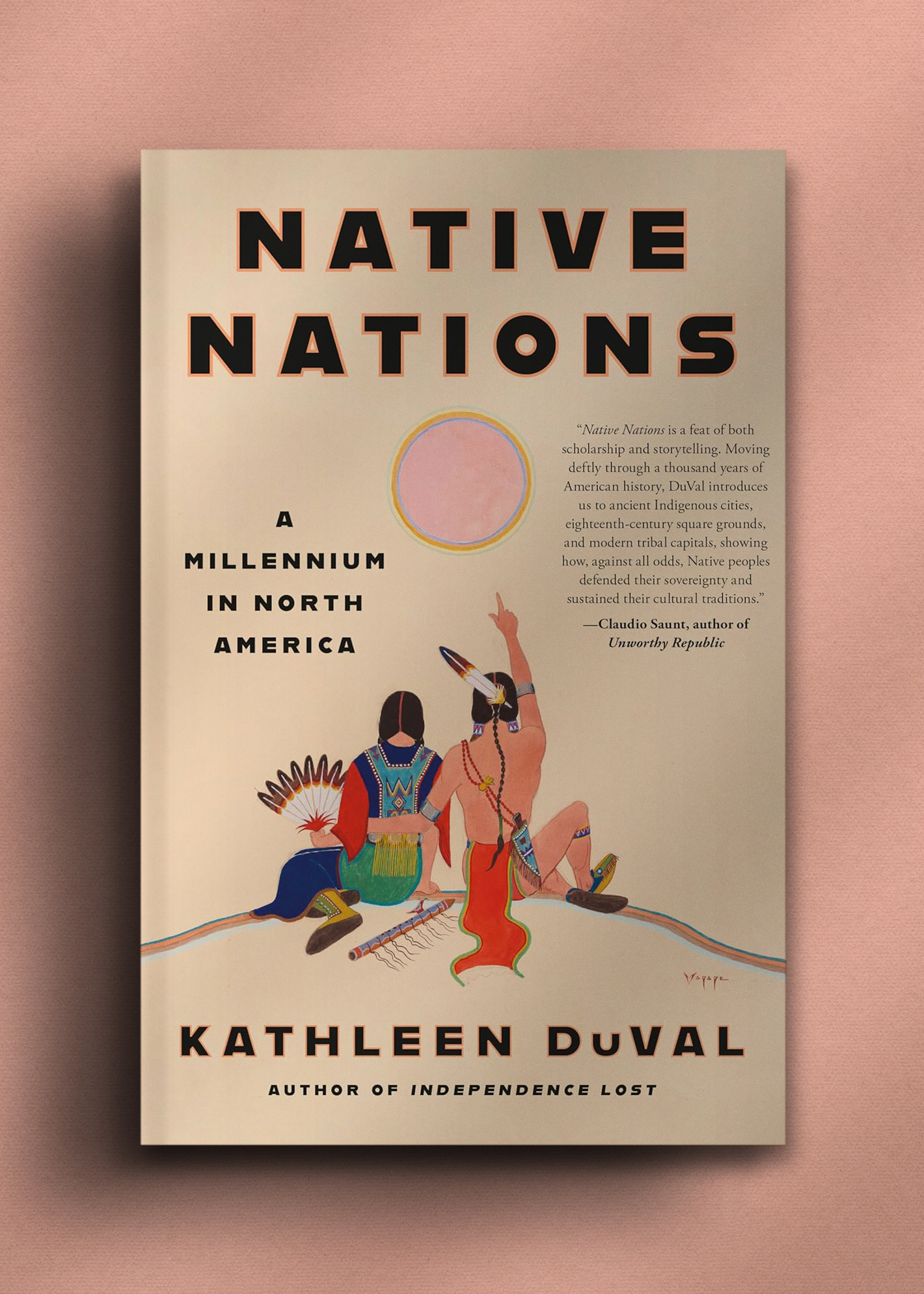
Native Nations: A Millennium in North America
Random House, 9 April, 2024
RRP: £32 | 752 pages | ISBN: 978-0525511038
“This is, to put it simply, a magnificent book” – Missouri Historical Review
A sweeping history of the power of Indigenous North America from ancient cities to fights for sovereignty that continue today, from an award-winning historian
In this magisterial history, Kathleen DuVal tells the story of Native nations, from the rise of ancient cities more than a thousand years ago to the present, reframing North American history with Indigenous power and sovereignty at its center. Before and during European colonization, Indigenous North Americans built diverse civilizations and lived in history, adapting to a changing world in ways that reverberated globally. As DuVal explains, no civilization came to a halt when a few wandering explorers arrived, even when the strangers came well-armed.
A millennium ago, North American cities rivaled urban centers around the world in size, but following a period of climate change and instability DuVal shows how numerous smaller nations emerged from previously centralized civilizations, moving away from rather than toward urbanization. From this urban past, patterns of egalitarian government structures, diplomacy, and complex economies spread across North America. So, when Europeans arrived in the sixteenth century, they encountered societies they did not understand, having developed differently from their own, and whose power they often underestimated.
For centuries after these first encounters, Indigenous people maintained an upper hand and used Europeans in pursuit of their own interests. In Native Nations, we see how Mohawks closely controlled trade with the Dutch--and influenced global markets--and how Quapaws manipulated French colonists. Power dynamics shifted after the American Revolution, but Indigenous people continued to control the majority of the continent. Shawnee brothers Tecumseh and Tenskwatawa forged new alliances and encouraged a controversial new definition of Native identity to attempt to wall off U.S. ambitions. The Cherokees created new institutions to assert their sovereignty on the global stage, and the Kiowas used their preponderance of power in the west to regulate the passage of white settlers across their territory.
In this important addition to the growing tradition of North American history centered on Indigenous nations, Kathleen DuVal uses these stories to show how the definitions of power and means of exerting it shifted over time, but the sovereignty and influence of Native peoples remained a constant and will continue far into the future.
“An essential American history . . . Examining both past and present from an indigenous rather than a European perspective, [Kathleen] DuVal fuses a millennium of Native American history into a thought-provoking, persuasive whole”
― Wall Street Journal
With thanks to Ned Green and Kealey Rigden.
📸 Dive into our Features
🎤 Read Interviews
🎧 Listen to Podcasts
🖼️ Buy fine art prints & more at our Store


.jpg)
