
New History Books for January 2026
From the Footlights to the Baltic, the Declaration of Independence to Suleiman the Magnificent


Here is a selection of anticipated new history books that will be released over the month ahead.

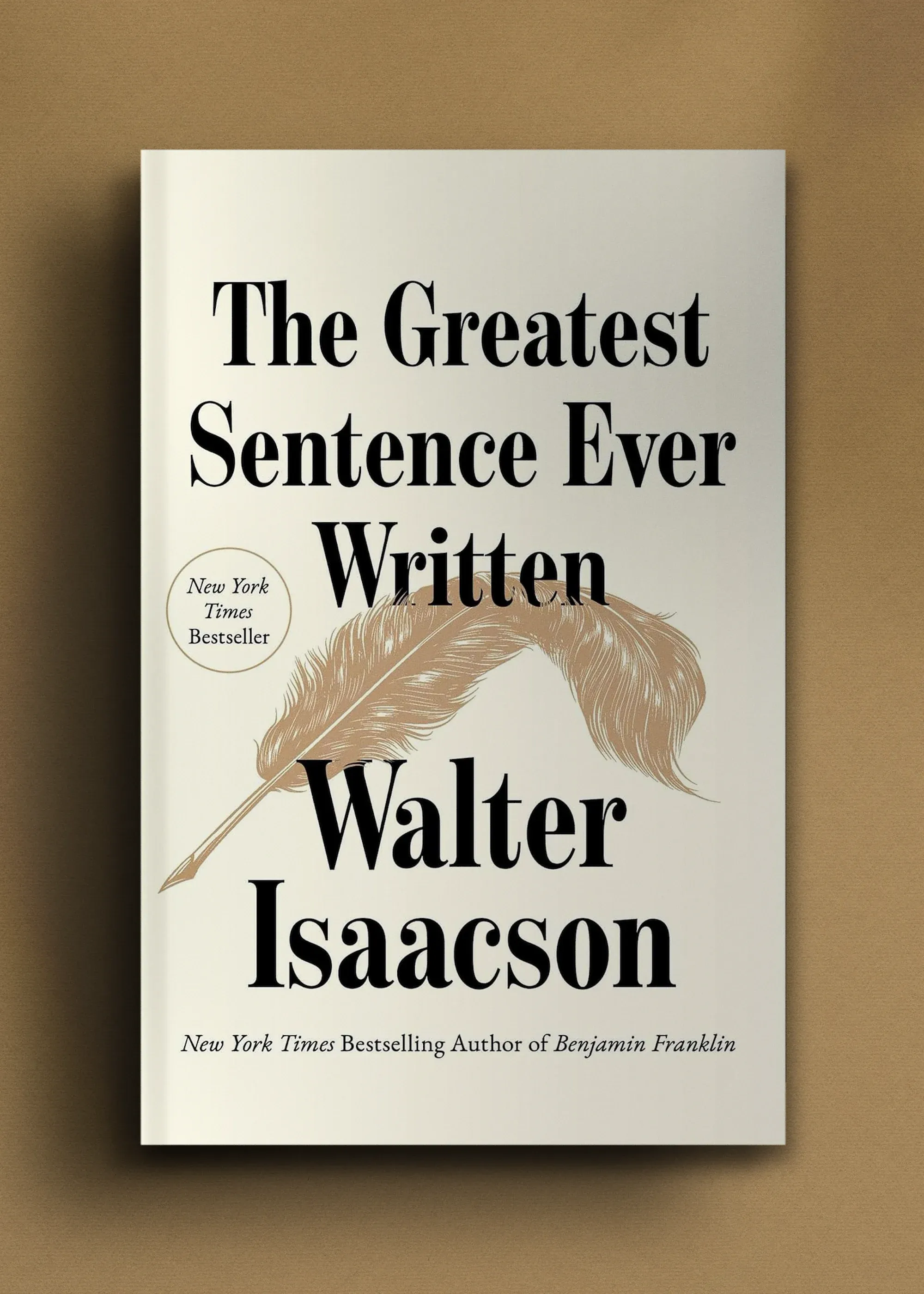
The Greatest Sentence Ever Written by Walter Isaacson
Simon & Schuster, 15 January 2026
This year marks a quarter of a millennium since that most fabled of dates, 4 July 1776, when the United States of America was created by the signing of the Declaration of Independence.
At a moment when today's USA is sharply divided, this anniversary feels all the more resonant and publishers are responding in kind with a slew of books. This one, by the well known biographer Walter Isaacson, is a good entry into the subject for those with an interest in political history and philosophy.
To make sense of a complicated story, Isaacson narrows his focus on the Declaration itself and, more particularly, the sonorous line from its preamble: 'We hold these truths to be self-evident ...'
Who wrote this sentence? What was the inspiration? How should we interpret it today? Isaacson progresses word by word, with questions like this firmly in mind.
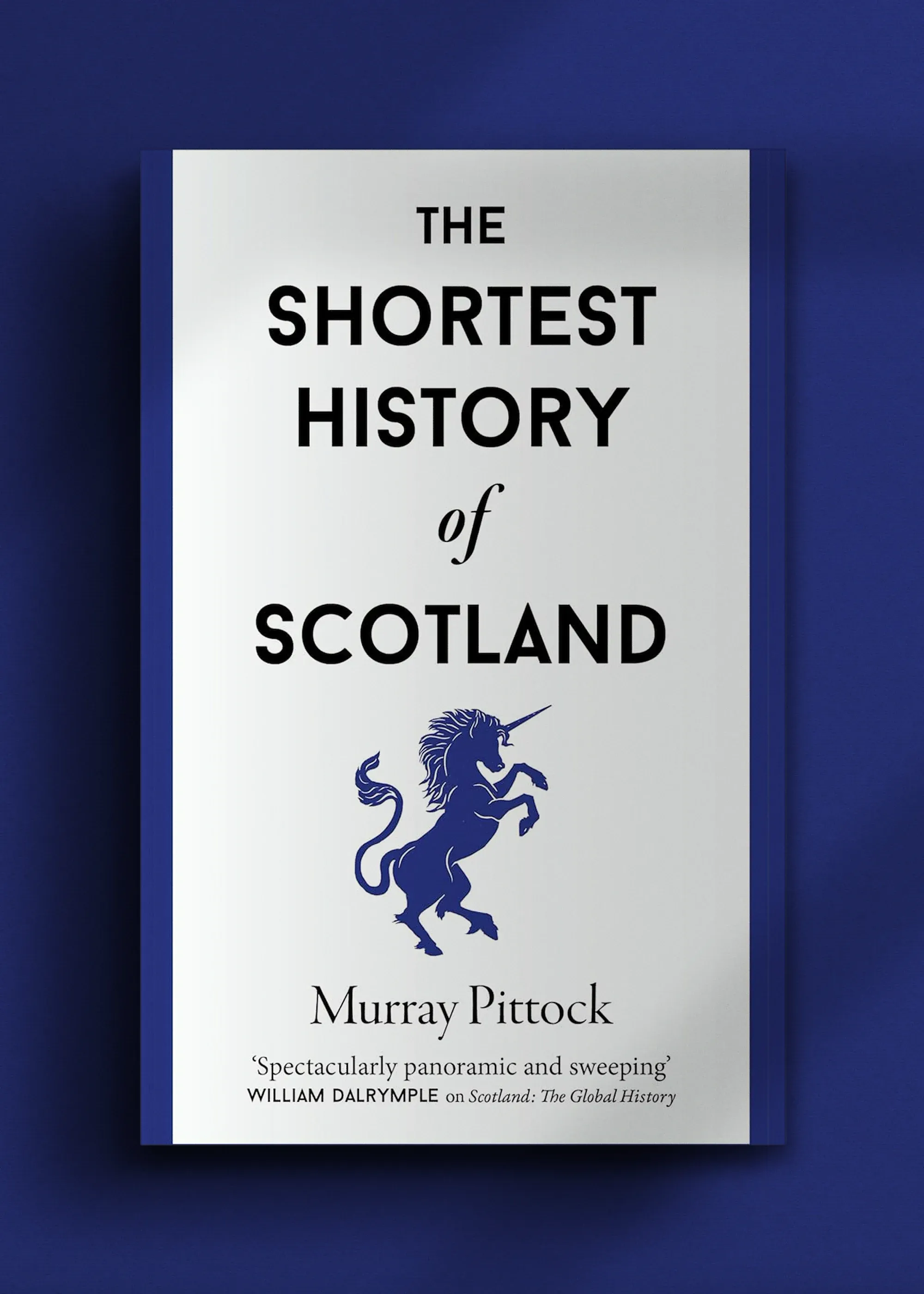
The Shortest History of Scotland by Murray Pittock
Old Street Publishing, 20 January 2026
Scotland might not be experiencing the kind of identity crisis that America is, but it certainly is an old nation fighting its way towards a new future. Anyone interested in this future would do well, too, to pick up Murray Pittock's elegant little study of Scotland's past – a place where all the country's old peculiarities are laid bare.
Pittock reminds us that Scotland is a truly distinctive place. It has its own church, law and education system. And while it might always have been overshadowed by its noisy neighbour to the south, the Scots have never yielded to the English. Their borders have scarcely changed since the thirteenth century and, after hundreds of years of fighting the English, they joined them in 1707 and became active protagonists in the great British project in the age of empires.
The Shortest History series is always a joy and this, on a vibrant and dynamic subject, is an excellent new addition.
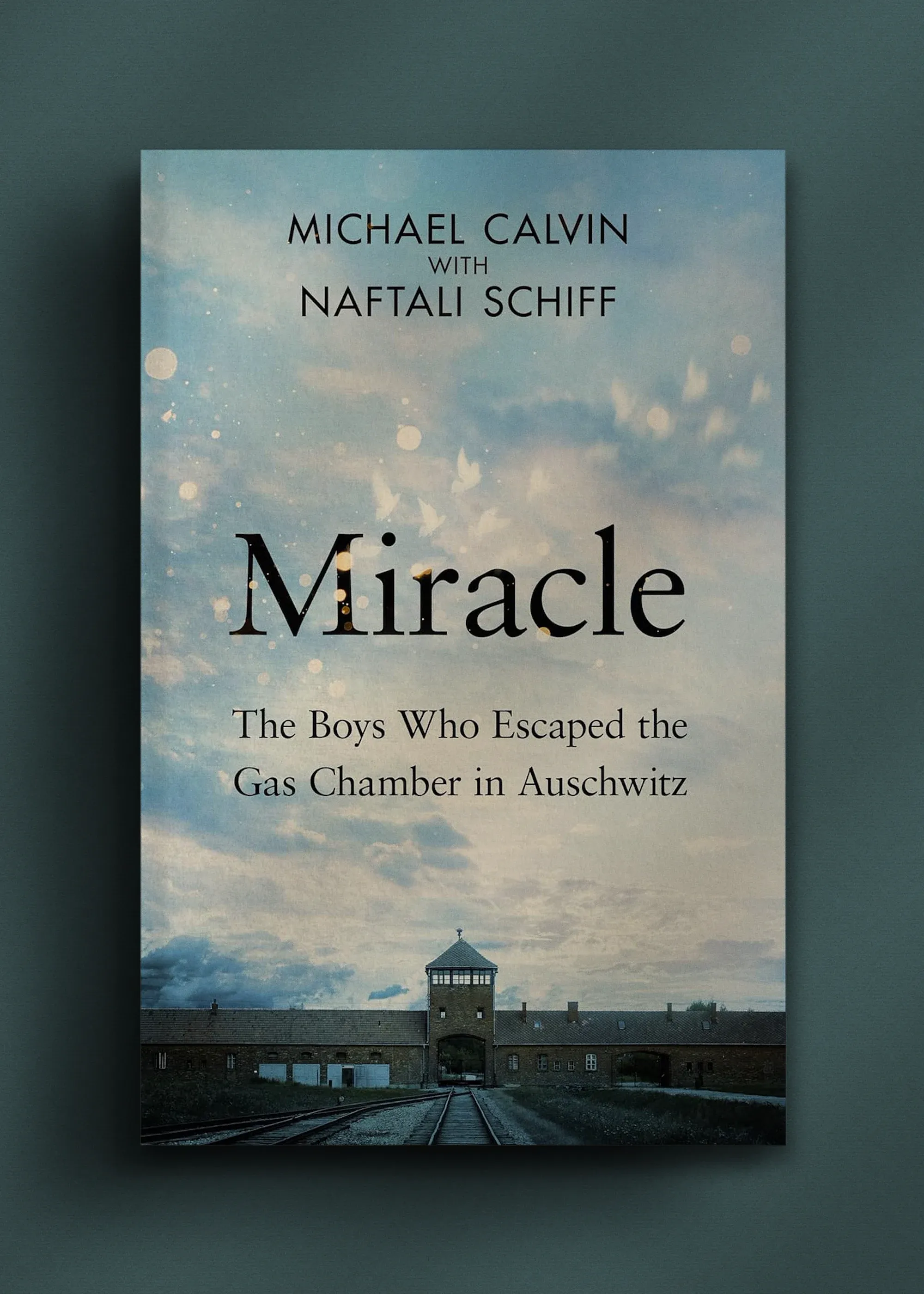
Miracle by Michael Calvin with Naftali Schiff
Bantam, 22 January 2026
Of all the horrors of Auschwitz perhaps the most bleak was the fact that there was hardly any chance of escape. To pass beyond its ghastly perimeter fence was, in almost all circumstances, to leave all hope behind.
And yet a tiny few did escape. Among these, a few months before the troops of the Red Army arrived in January 1945, were 51 boys who astonishingly fled the gas chamber. Miracle is an apt title for a book that tells this story for the first time in a narrative that is grounded in first hand testimony from the survivors.
The Holocaust is one of human history's bleakest episodes. Confronting it again in books like Miracle is to be reminded both of our capacity for brutality and, more cheerfully, that even in the very worst circumstances there is cause for hope.
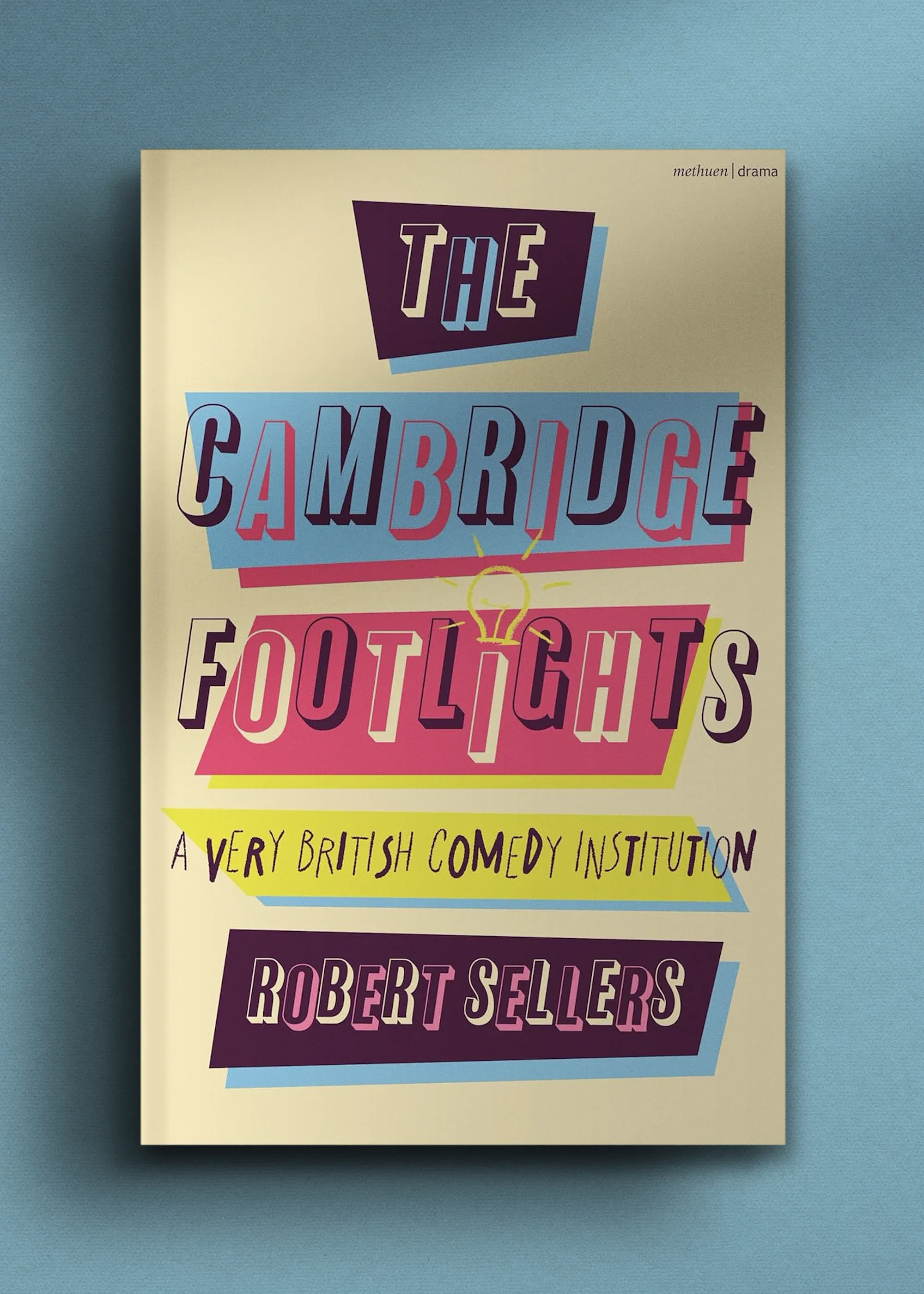
The Cambridge Footlights by Robert Sellers
Methuen 22 January 2026
Few people will have experienced the Cambridge Footlights – the university's premier comedy troupe – in person, but most of us will have felt their influence. Cleese, Cook, Fry, Laurie, Thompson, Margolyes, Greer, Mitchell, this is just a short roll call of those who were once members and who later went on to become significant figures in British culture.
In this book Robert Sellers examines the origins of the group, which, whimsically enough, had its genesis in a cricket match against a team from a psychiatric hospital.
An instructive beginning, perhaps, and Sellers traces its development in the post war years, looking at its comedic influences, its organisation, its limited membership base and, finally, its broader cultural significance as those like John Cleese rose to become household names in the golden age of television.
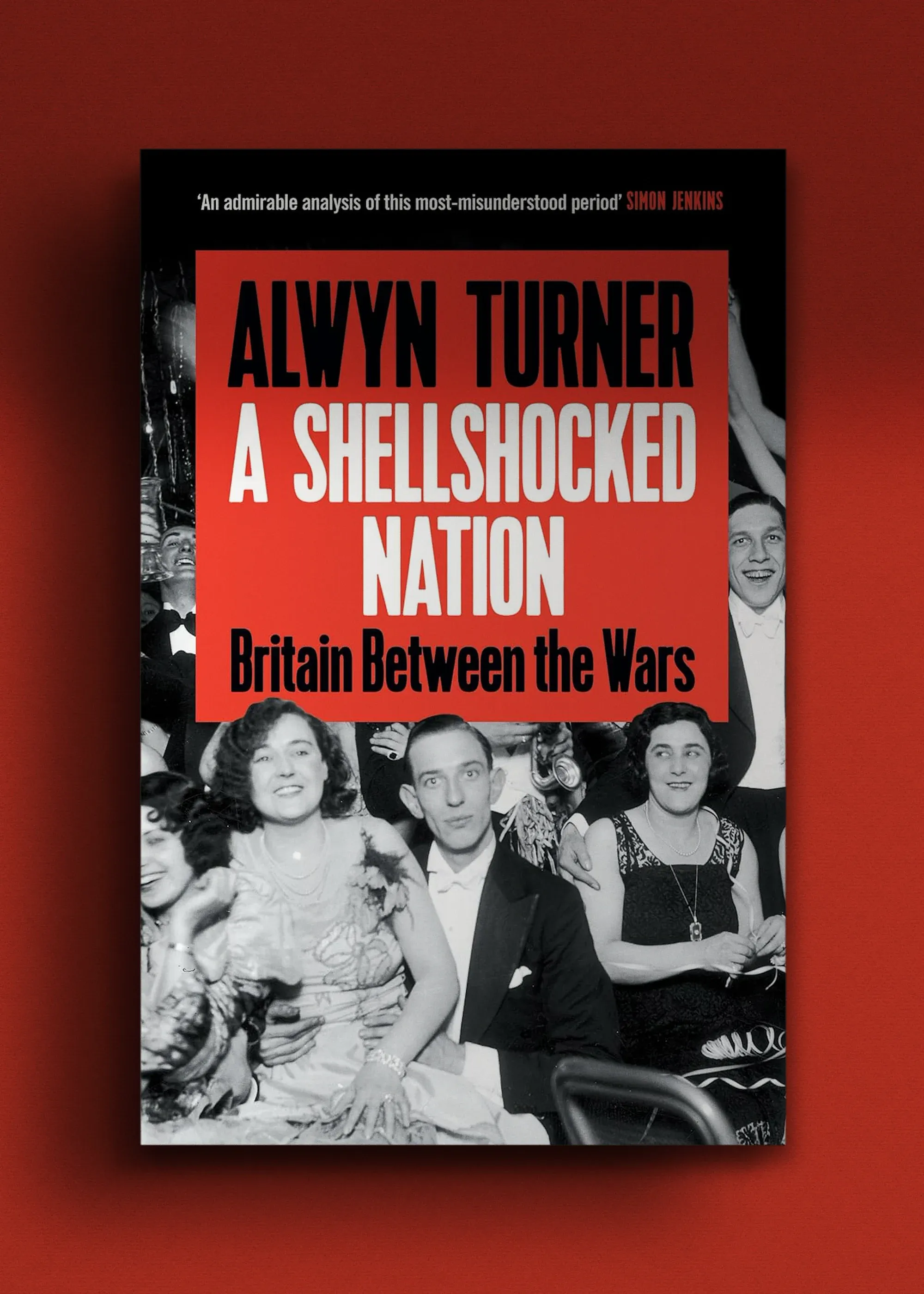
A Shellshocked Nation by Alwyn Turner
Profile Books, 22 January 2026
Between the Armistice of 1918 and Chamberlain's crackling radio address in 1939 – '... as a consequence we are at war with Germany' – lies a vibrant, compelling, complicated 21 years of English history. It is this mini-epoch that Alwyn Turner frames in this follow up to his well received 2024 study of the Edwardians, Little Englanders,
While readers can still find much of the old Edwardian conviviality here, the culture Turner traces in A Shellshocked Nation has a far more sinister undercurrent. He analyses the polarising and violent politics; the growing appetite for risk taking; industrial strikes and the pervasive feeling of anxiety that coloured everything.
The reader knows, of course, the tragedy that awaits the characters at the end of this story. But rather than the Second World War it is the legacies of the First that shadows Turner's incisive narrative. This is a study of a traumatised nation, suspended between one dreadful war and another.
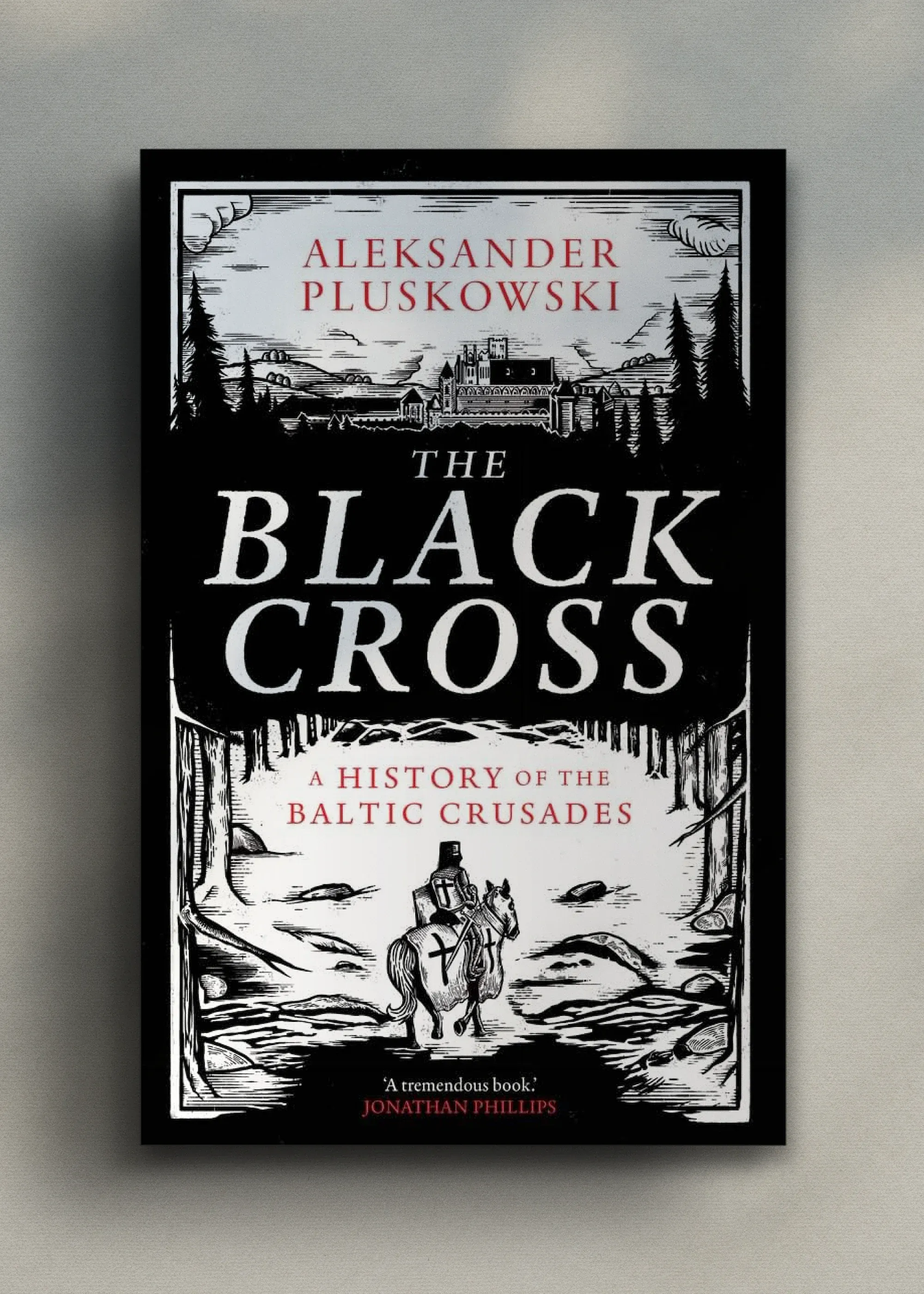
The Black Cross by Aleksander Pluskowski
Yale University Press, 27 January 2026
The single word 'crusade' is enough to conjure powerful visions: of the walls of Jerusalem, of wealthy Franks in their suits of armour holding high their banners of the Cross.
This might be the conventional picture, but in the fascinating The Black Cross, Aleksander Pluskowski invites us to think about an entirely different part of this history. As Christianity spread throughout the Medieval Age, crusaders looked not only towards the Holy Land but also towards the Baltic States where the last of the old Pagan society remained.
During a 300 year period, between 1100 and 1400, these places were subject to conquest and conversion by waves of Catholic armies. Pluskowski, a professor at the University of Reading, is an expert guide to this little known history which has all the freshness, scope and characteristics of a true Medieval epic.
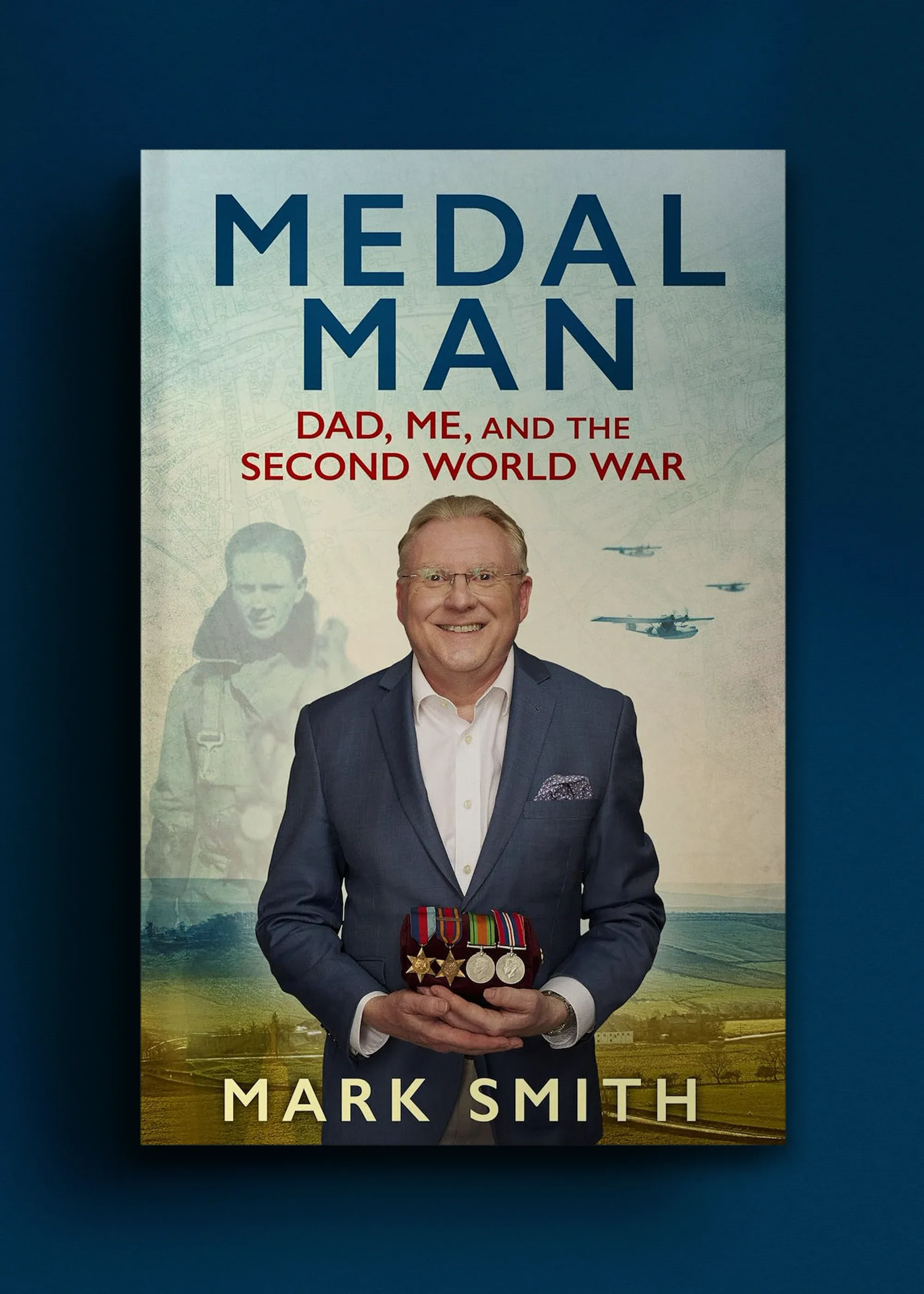
Medal Man by Mark Smith
Michael Joseph, 29 January 2026
History can sometimes feel distant to us: old kings, old queens, old battles, old pieces of parchment. One of the ways that it can be made to feel real is through family keepsakes and, for millions of Britons, through the medals their own ancestors earned during the wars.
Few people understand the significance and history of these medals like Mark Smith, the Antiques Roadshow expert who is colloquially known as 'the Medal Man'.
In this book he explains that his father, a veteran, was the source of his passion for these 'old pieces of medal'. He learned knowledge from him, too, as well as a deep respect for those who gave their lives to service.
This is a book that reminds us that history is not a distant abstraction, but something that lives deep within us all. In the stories that Smith recounts we see the past as an active force, shaping and inspiring us.
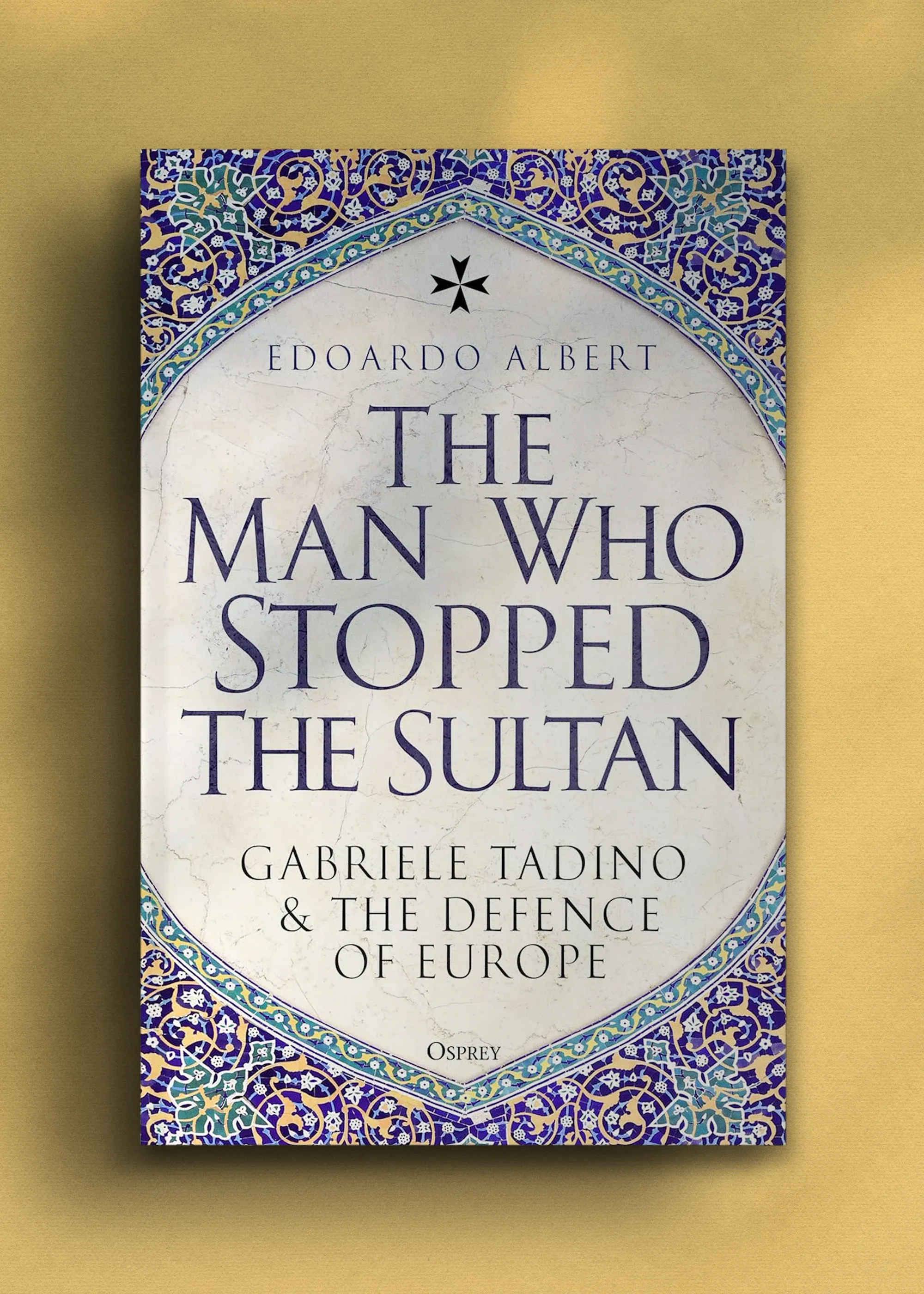
The Man Who Stopped the Sultan by Edoardo Albert
Osprey, 29 January 2026
For those of you looking for a shot of vim and inspiration as the new year dawns, then Edoardo Albert's account of the life of Gabriele Tadino should do very nicely indeed.
Tadino, an engineer, lived on the island of Rhodes in the sixteenth century at a time when Suleiman the Magnificent ruled all as Sultan of the Ottoman Empire. Here is the playful dynamic at the heart of Albert's book: the mighty sultan and the humble engineer. The clue to the plot is very much embedded in the title.
There is so much here to enjoy: geopolitics at the dawn of the modern age; the advances in science and military engineering with tunnels, forts and gunpowder; the splendour of Constantinople in the years after its conquest by Mehmed II; the strategic island of Rhodes. This is a book full of glorious fighting spirit.
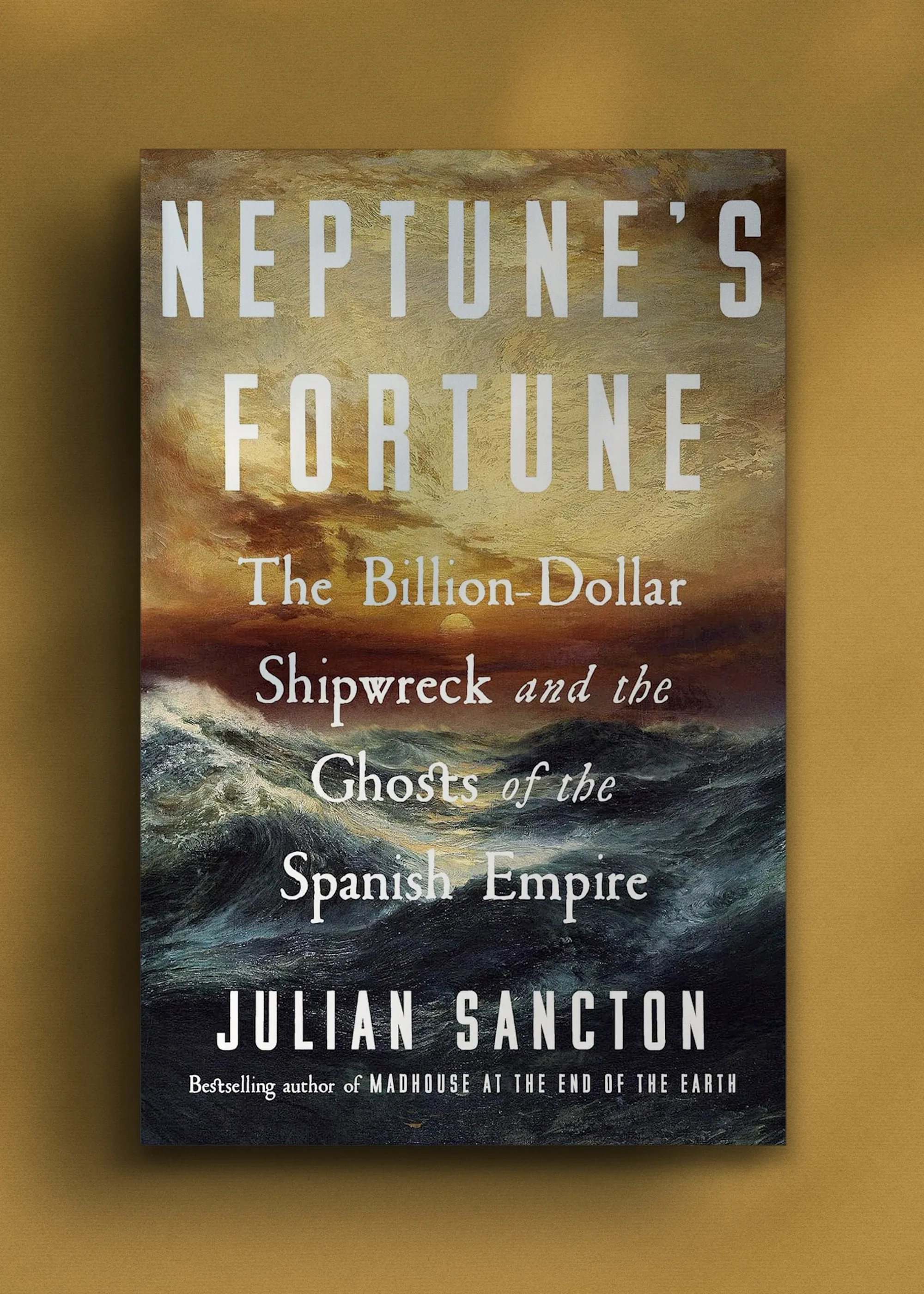
Neptune's Fortune by Julian Sancton
WH Allen, 29 January 2026
One of the joys of history, as any good scholar will tell you, is the experience of finding something new in the archives. It might be a clue about a crime, the unveiling of some buried secret or, as it was in the 1980s for a diver called Roger Dooley, it may be the discovery of the location of an enchanting shipwreck.
It is with this discovery that Neptune's Fortune opens. Dooley is a colourful character and his discovery concerned one of the most notable of all shipwrecks. The Spanish galleon San Jose was sunk off the coast of Cartagena in 1708 with a massive cargo of gold, silver and jewels.
Establishing the likely position of the San Jose was one thing, but actually finding it in reality was quite another. Years passed until, not so very long ago, the galleon's resting place was established. In Neptune's Fortune Julian Sancton races stylishly through the gripping story of 'the billion dollar shipwreck'.
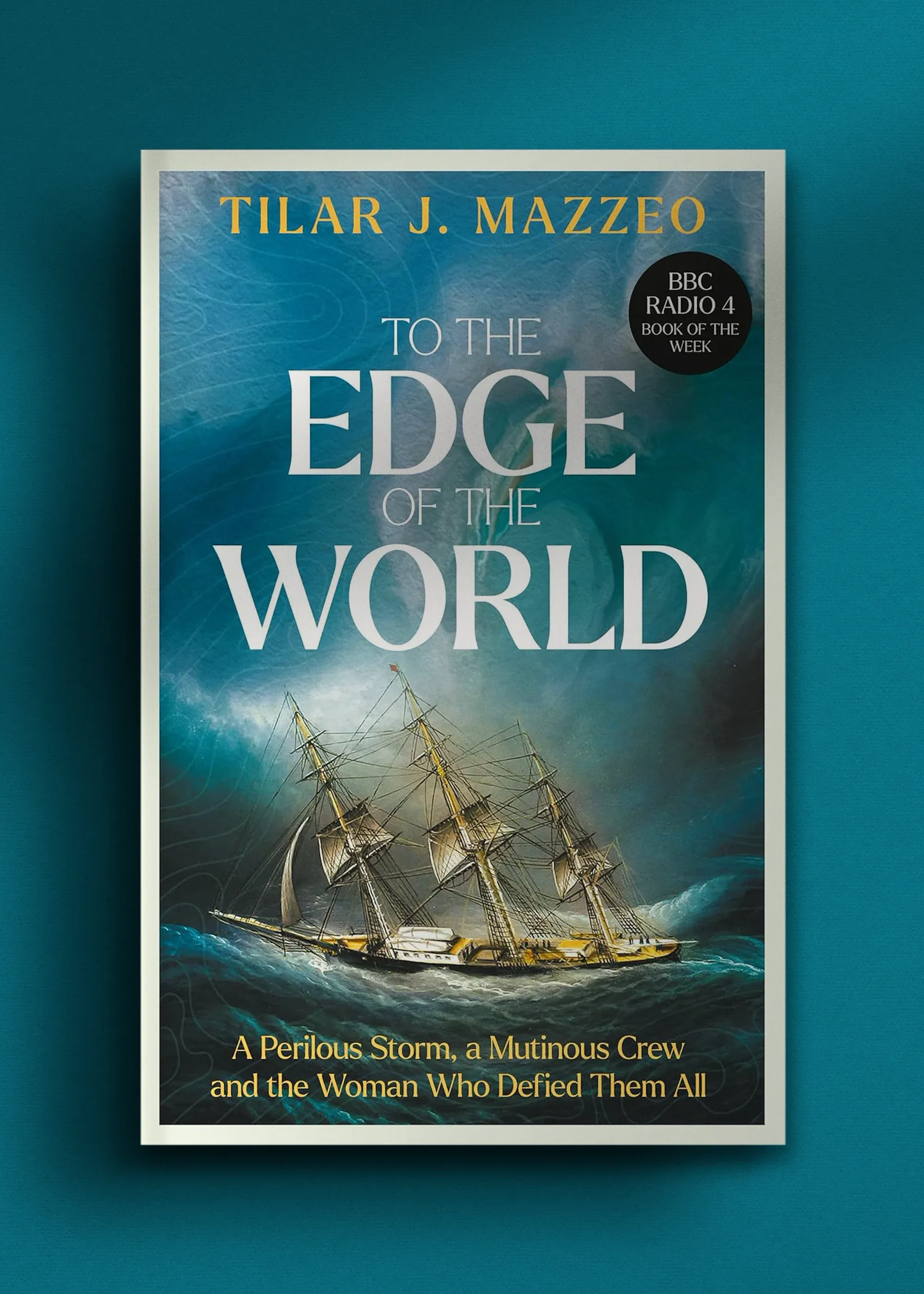
To the Edge of the World by Tilar J. Mazzeo
Elliott & Thompson, 29 January 2026
To the Edge of the World is a hugely refreshing work of naval history. In one sense the story it tells is familiar. It charts a voyage from New York around the tip of South America into the Pacific – with the sailors encountering all the familiar challenges of weather, geography and turbulent seas along the way. What transforms this book into a far more original story is the fact that the vessel was commanded by a young woman.
Mary Ann Patten is the nineteen year old heroine of Mazzeo's tale. Hers is a tale that lurches forward in an utterly unanticipated way. Patten's original aim was to accompany her husband Joshua, but when he fell ill and others aboard mutinied, she was left alone to assume a very daunting and quite unique challenge.
Elegantly written, Mazzeo's is a story filled with dramatic action, peril and surprise. For those of you looking for an exhilarating opening to your 2026 reading – seek no further.
This month's Previews were by Peter Moore.
📸 Dive into our Features
🎤 Read Interviews
🎧 Listen to Podcasts
🖼️ Buy fine art prints & more at our Store


