
Anna May Wong's Performance of a Lifetime
Katie Gee Salisbury takes us to London in 1928, as Anna May Wong prepared to give the performance of her life


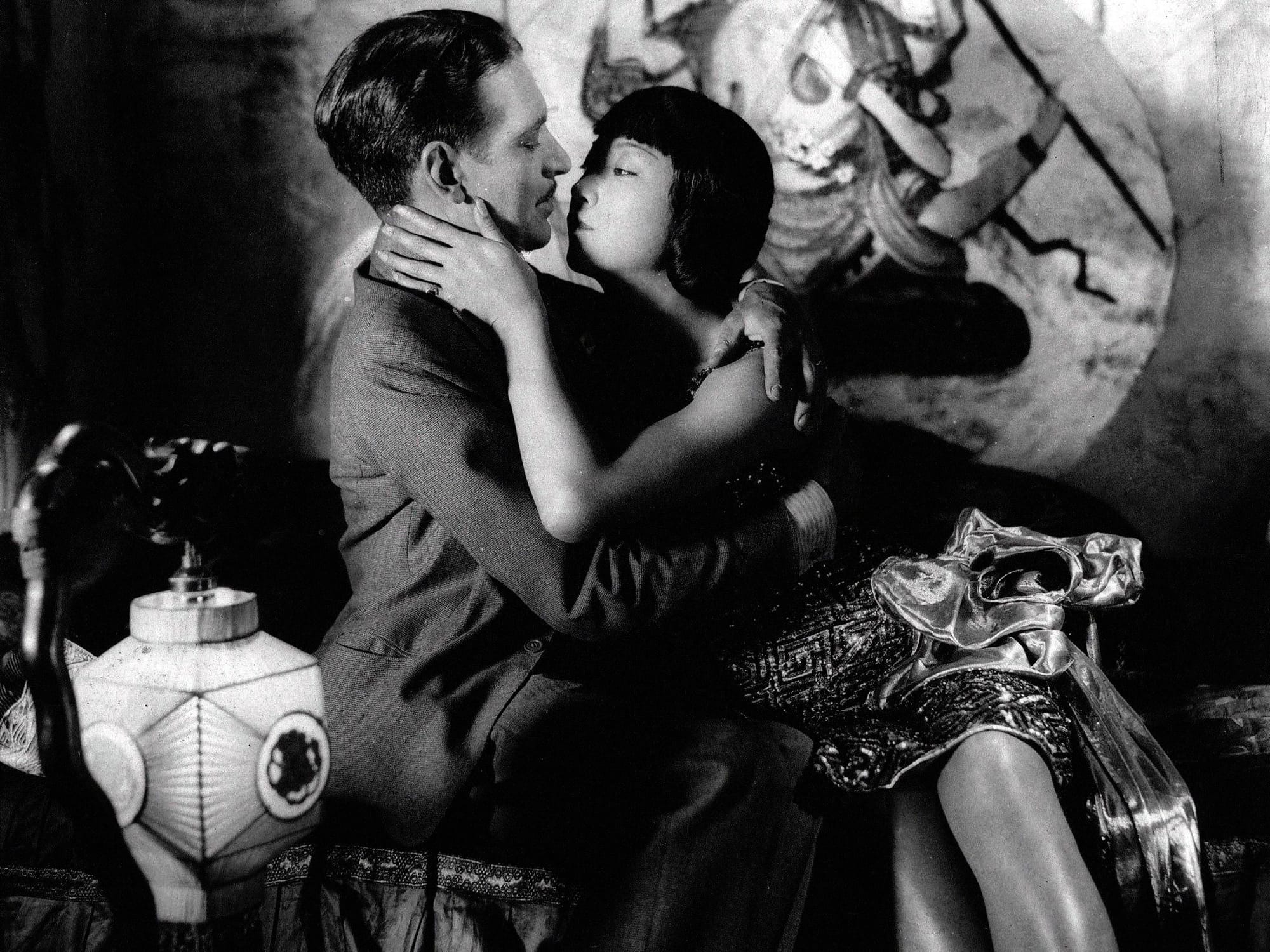
In the summer of 1928 a wave of excitement rolled through London society as Anna May Wong arrived to begin filming for Piccadilly.
By the late 1920s Wong, the first Asian-American movie star, was already a familiar Hollywood figure. She had risen to fame with an admired performance in The Thief of Baghdad and the hope was that this new silent film, Piccadilly, was going to be her biggest yet.
Described by the studio British International Pictures as ‘an intense drama of love, passion and revenge, enacted amid the glamorous club life of London’, Piccadilly cast Wong as ‘Shosho’, a scullery maid whose strange, sensual dancing transfixes an urbane club manager called Valentine Wilmot.
In this excerpt from Not Your China Doll: The Wild and Shimmering Life of Anna May Wong, Katie Gee Salisbury takes us behind the scenes of Piccadilly, as Wong prepares to give the performance of her life.

For references please consult the finished book.
Filming for Piccadilly began in earnest in August 1928 with the arrival of its ostensible star, Gilda Gray. Meanwhile, sitting in her dressing room at Elstree Studios, wearing a striking blue-and-silver kimono, and casually reclining in a chair while reading a paperback novel to kill time, was Anna May Wong, looking every bit the show stealer. She had the singular power of transforming an ordinary room, cluttered with bric-a-brac, dirty makeup brushes, and perfume bottles, into the most extraordinary scene.
Miss Wong, they're ready for you on set.
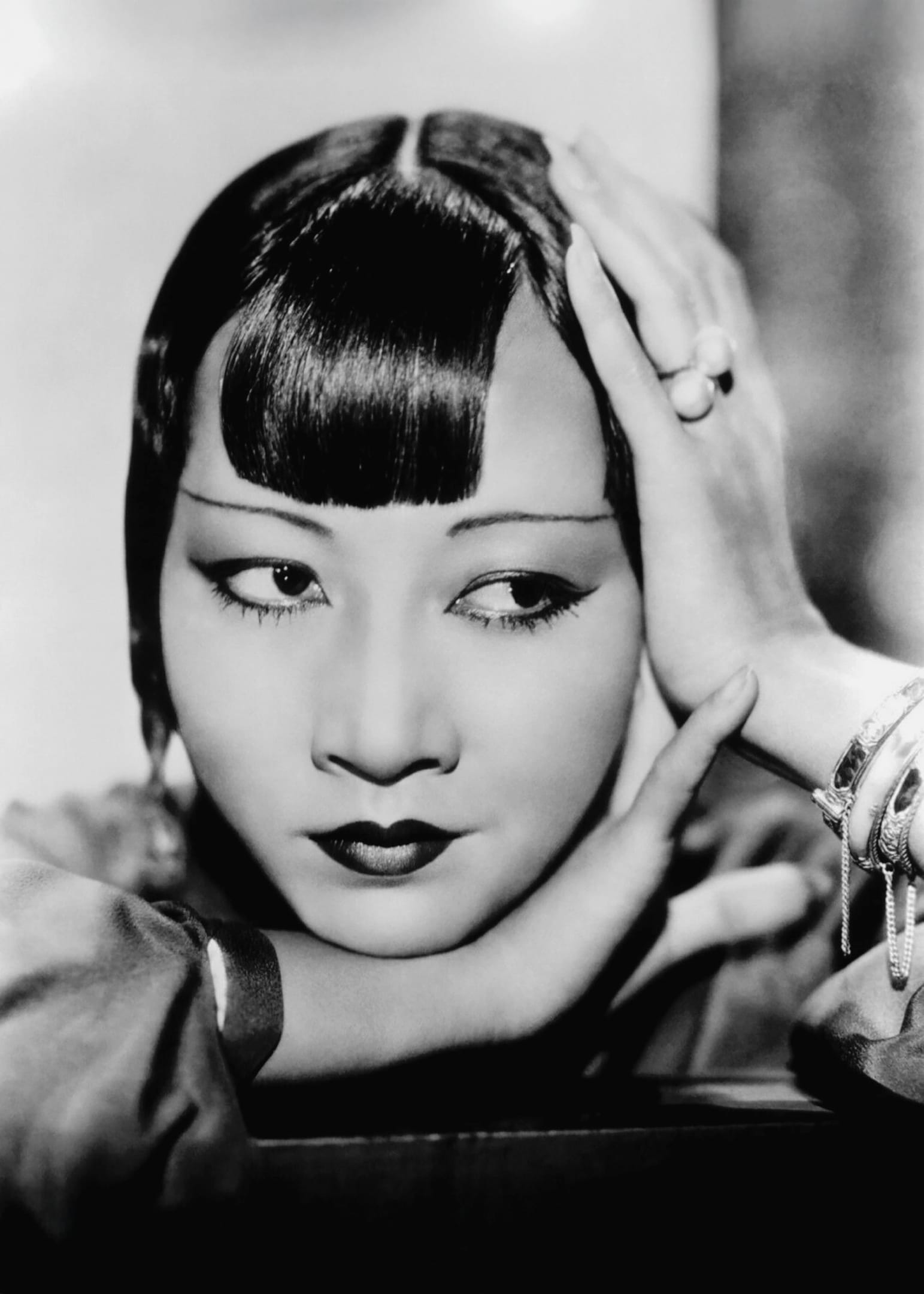
With that, the actress sprang to life and into action. Anna May sat up as an assistant hurriedly lowered a gilded headdress atop her head. When she stood up and disrobed, it was as if she were Arthur drawing Excalibur from its sheath, revealing a virile, sharpened blade. Her costume—a throwback to her Mongolian slave days-was a scant, shimmering two-piece, more armor than apparel. Each shoulder ended with a curved, twisted point, while the headdress framed her face with jewels and a crown of spikes.
The costume was provided by Nathan's, the famous firm of costumiers known to house 50,000 garments in its archives.
A representative of the company affirmed that 'every actor and actress of note since 1790, in England and many on the Continent and in the Colonies, has passed through our hands,' and now they had added Anna May Wong to their rolls. Though her costume was nothing like the long robes and flowing sleeves of the Chinese and more aptly resembled those of Siamese Khon dancers, there was no denying the look was a showstopper.
Anna May stepped onto the set, glinting in the studio lights. She was about to perform the most important scene in Piccadilly, the one on which the entire film's credibility hinged: when Shosho takes center stage as an anonymous ingenue and leaves it transformed into a star. Sure, she knew how to Charleston like any good flapper, but although she was frequently asked to twirl and gyrate in roles like Song and Shosho, Anna May was no dancer.
To ensure the performance had the spellbinding effect indicated in the script, she recruited Noranna Rose, principal dancer at Drury Lane Theatre. Noranna taught her the fundamentals of classic dance and helped her choreograph the final number so that it would enrapture all who watched it unfold.
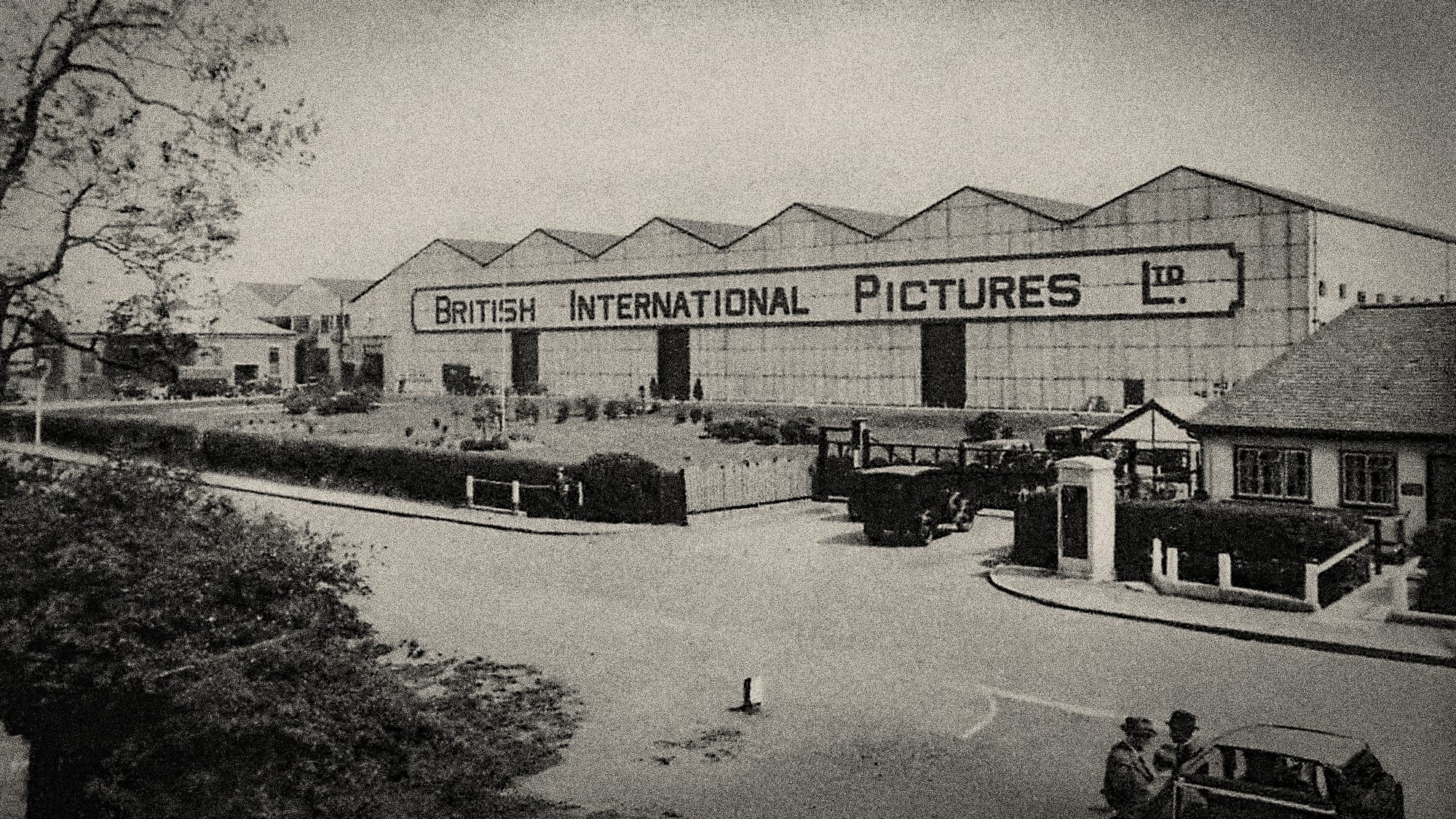
British International Pictures and director Ewald André Du-pont, a German emigré well-known in German expressionist cinema, reportedly spent in excess of £8,000 constructing the set for the Piccadilly Club, the largest and most elaborate yet built in a British studio.
BIP had only recently changed its name from British National Pictures to British International Pictures, signaling its bid to break into the international film market and compete with the American studios. Hence, Piccadilly became its most expensive and prestigious production at Elstree Studios, a series of production facilities in the sleepy hamlets of Elstree and Borehamwood, fifteen miles northwest of London.
Part of England's ambition to assemble a world-class film industry, the area was branded the British Hollywood. It eventually succeeded as a hub for British and international film productions, but Elstree never supplanted Hollywood in the glitz and glamour department.
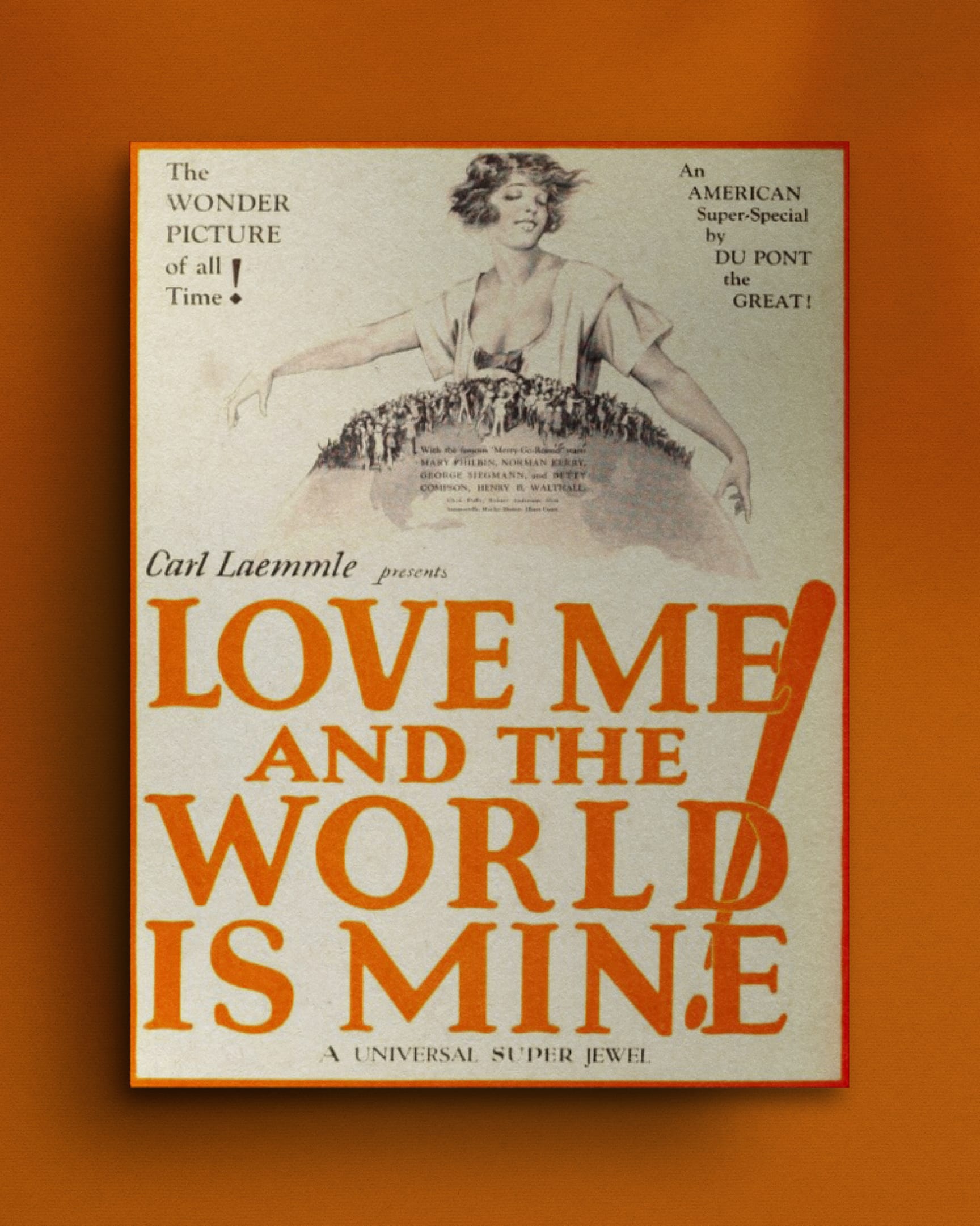
E. A. Dupont, like Anna May, was happy to be working far away from the censure and constraints of Hollywood. His last film there – Love Me and the World Is Mine, a romance set in Vienna – had been a total flop, mostly due to studio meddling. Ironically, Dupont had signed with Universal Pictures because he thought he would be afforded more artistic license in America.
The producers at Universal, however, were less concerned with Dupont's distinctive eye than they were with playing up the film's setting of Old Vienna, to which they believed Dupont could lend an air of cultural authority. The effect of Universal's demands was a film overrun by nostalgic kitsch. The movie did so poorly, Carl Laemmle sent Dupont packing and terminated his three-year contract.
So here they were, Wong, Dupont, and Gray, three immensely talented artists who had all seen some measure of success before being marginalized, misjudged, and cast out by Hollywood's ruthless machine. They had come to England looking for an outlet to express their genius. What was left unsaid was the underlying desire they all harbored of returning to America triumphant — and wanted.
The lights on set dimmed and the more than three hundred extras dressed as club patrons in velvet gowns and tuxedos quieted themselves in anticipation of the performance about to unfold on the dance floor.
Film rolling!
Anna May walked out to take her place at center stage. She pulled her arms across her golden breastplate and assumed her opening pose, remaining 'calm and cold as a statue.' Giant flickering candles installed on rotating pillars surrounded her petite figure on every side, reflecting tiny shards of light onto the faces in the gallery.
Then, summoning Shosho's life force from some invisible reservoir of feeling, Anna May inhaled and lifted her eyes to meet that evening's audience, revelers who had come to drink her in, for they were no longer extras milling about idly but curious Londoners thirsty for their next fix.
All eyes were on her—Anna May, now Shosho—as she began to twist and sway her body. Sometimes briskly with her fingers trilling to the music and her arms unfolding into right angles, echoing the spikes of her crown; at other times languorously slinking across the stage, her hips swinging back and forth. Every movement was cast into stark relief by a kinetic shadow projected onto the stage floor by an overhead spotlight.
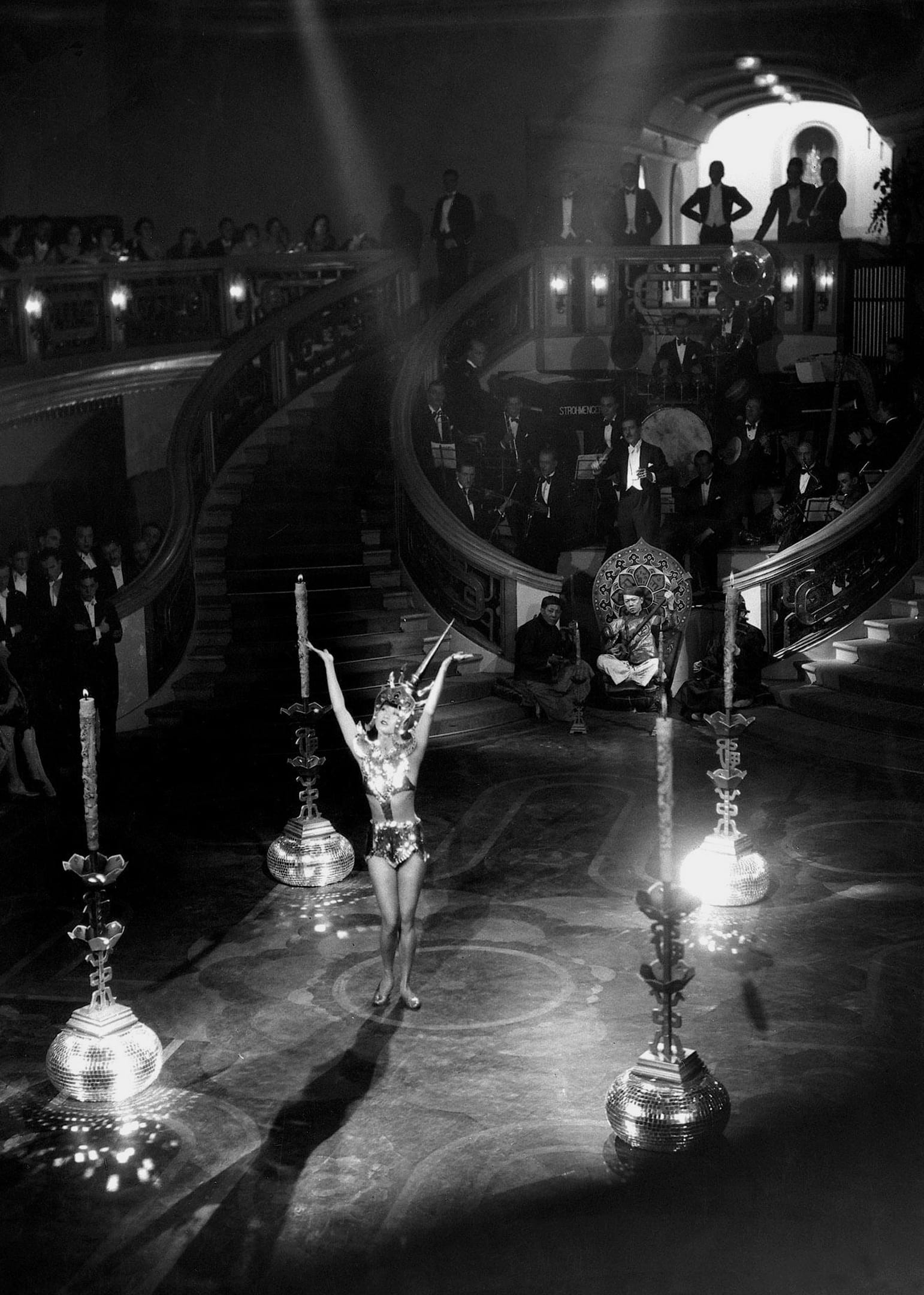
Shosho's performance was peculiar. Uncomfortable. Hypnotic. 'The strangest dancing' you'd ever seen, if you could even call it dancing. And yet... it was absolutely, undeniably, viscerally mesmerizing. Some watching may have felt the blood rise to their heads, a dampness begin to collect involuntarily in the soft crevices of their bodies, a sudden and urgent thumping in their chests.
Her conquest complete, Shosho lowered her outspread hands in front of her face and kneeled on the floor, signaling the end of her dance. The crowd seated around the perimeter of the stage leapt to their feet for a standing ovation. There was a feeling of wonder and astonishment wafting through the soundstage, as if they had all witnessed history in the making.
Shosho stood and composed herself back into the statue she had entered as – true to the script's direction – and silently exited stage left, returning to whatever world she had been conjured from by her vessel Anna May. Whether the applause was for the actor or her character was of no importance. The former knew she had given the performance of a lifetime. Gilda Gray and E. A. Dupont knew it. So did the entire soundstage. And it had been imprinted on film for the ages •
This excerpt was originally published April 22, 2024.
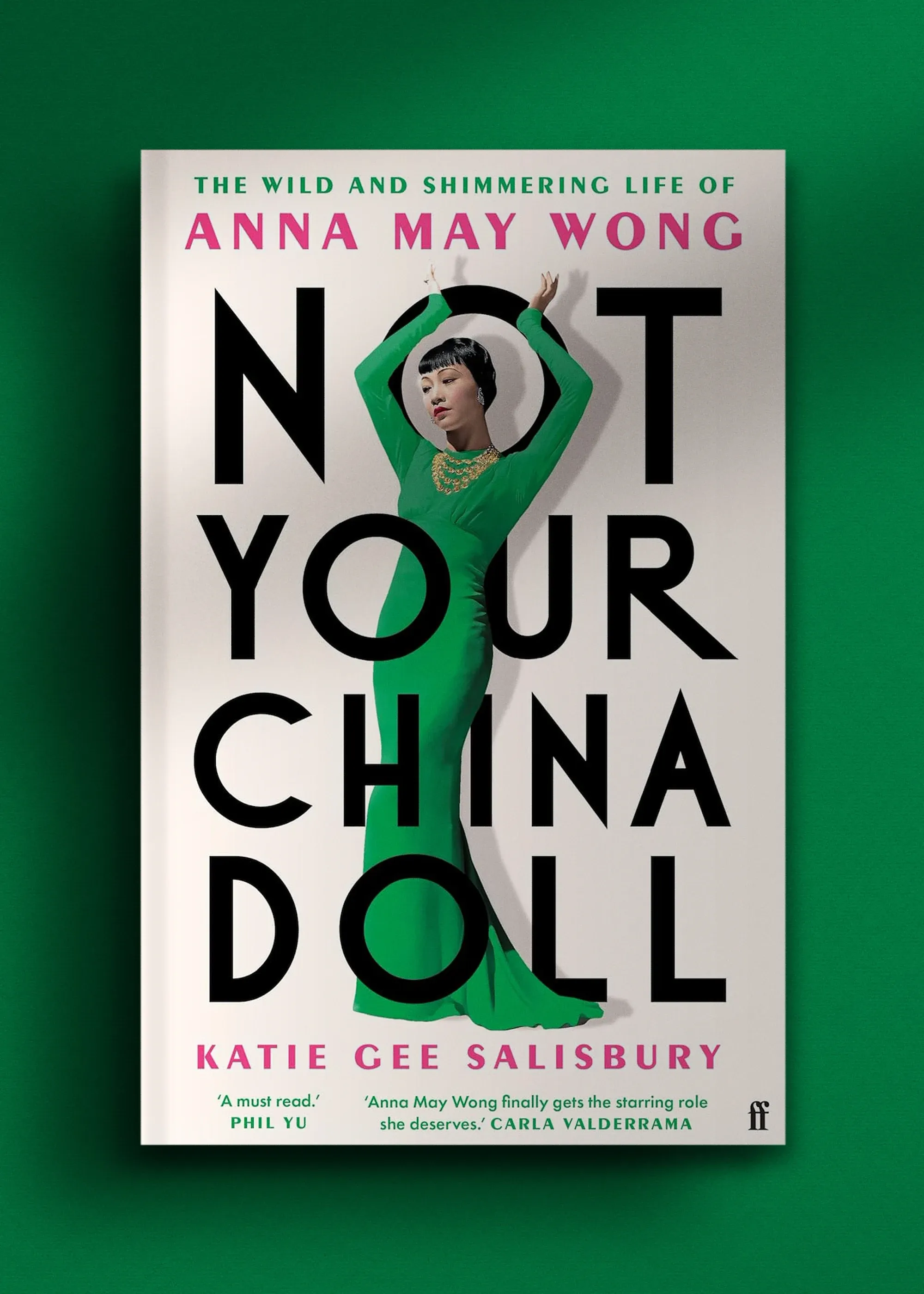
Not Your China Doll: The Wild and Shimmering Life of Anna May Wong
Faber, 4 April, 2024
RRP: £25.00 | 480 pages | ISBN: 978-0571388677
“Splendidly entertaining” – The Times
Set against the glittering backdrop of Los Angeles in the gin-soaked Jazz Age and the rise of Hollywood, this debut book celebrates Anna May Wong, the first Asian American movie star, to bring an unsung heroine to light and reclaim her place in cinema history.
In her time, Anna May was a legendary beauty, witty conversationalist, and fashion icon. Plucked from her family's laundry business in Los Angeles, she rose to stardom in Douglas Fairbanks's blockbuster The Thief of Bagdad. Fans and the press clamored to see more of this unlikely actress, but when Hollywood repeatedly cast her in stereotypical roles, she headed abroad in protest.
Anna May starred in acclaimed films in Berlin, Paris, and London; she dazzled royalty and heads of state across several nations, leaving trails of suitors in her wake. She returned to challenge Hollywood at its own game by speaking out about the industry's blatant racism. She used her new stature to move away from her typecasting as the China doll or dragon lady, and worked to reshape Asian American representation in film.
Along with unprecedented access to Anna May's personal effects courtesy of the Wong family, in Not Your China Doll, Katie Gee Salisbury also draws on her own experiences as an Asian American woman to showcase the vibrant, radical life of a groundbreaking artist.
“A rich biography . . . The Wong who emerges from Salisbury's lively and admiring account is a character who brimmed with resilience, intelligence and wit . . . Salisbury also paints an evocative picture of the ramshackle embryonic days of Hollywood”
– Daily Telegraph
With thanks to Arabella Watkiss at Faber. Jacket Original design by PRH US.
📸 Dive into our Features
🎤 Read Interviews
🎧 Listen to Podcasts
🖼️ Buy fine art prints & more at our Store


