
Operation Stopgap: The First Shot in America’s War on Drugs
David Tuch pinpoints the beginning of the US war on narcoterrorism


Today the US military frequently attempts to disrupt drug trafficking networks with operations on land and at sea. It's a complex and expensive undertaking that costs the Department of Defense nearly a billion dollars each year.
This situation is very different to the early 1970s when criminals exploited a legal loophole to import marijuana from offshore boats.
This situation, explains David Tuch, author of The Wireless Operator, lay behind the founding moment in America's long war on drugs: Operation Stopgap.

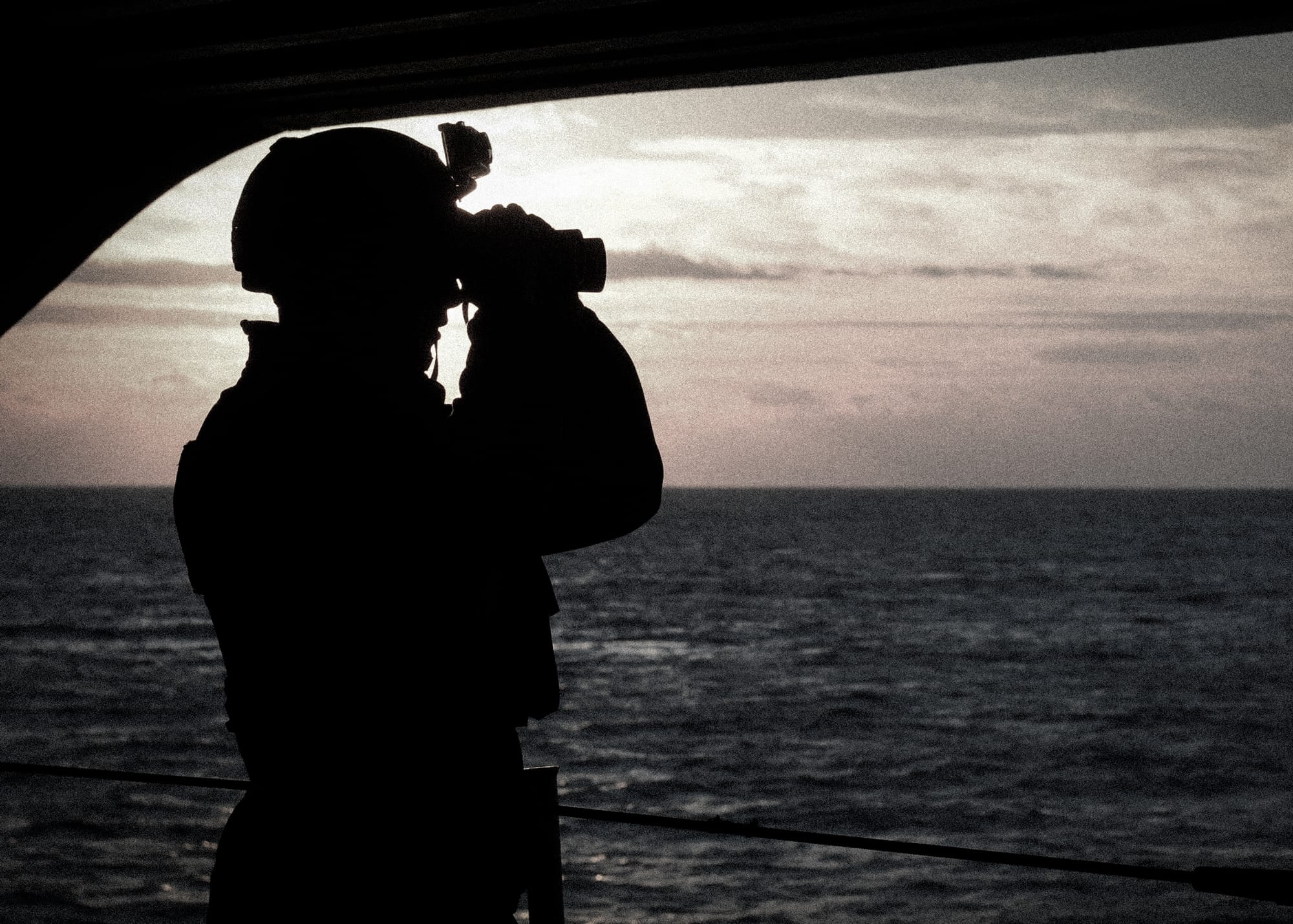
In September, President Donald Trump announced that U.S. forces had destroyed two alleged Venezuelan drug boats in international waters, killing more than a dozen men. He released video of one vessel exploding in flames, hailing the strikes as victories against narco-terrorists.
Venezuela condemned the attacks as unlawful aggression. Legal experts warned they likely violated maritime and human-rights law.
Half a century ago, such a use of military force to combat narcotics trafficking would have been unthinkable. Yet today, warships, drones, and even 'kinetic strikes' have become routine tools of drug interdiction.
How did we get here? The answer begins not with Trump, or Reagan, but with a top-secret Cold War mission approved in the White House in the mid-1970s: Operation Stopgap.
To understand Stopgap, we return to the moment the legal framework for the modern drug war was signed into being.
On October 27, 1970, President Richard Nixon sat at his desk in the White House flanked by aides and cameras. He took up his pen, leaned over the ceremonial signing desk, and scrawled his name onto the Controlled Substances Act.
The CSA consolidated dozens of drug laws into one sweeping statute and gave the federal government unprecedented power to pursue traffickers. Nixon called it a landmark in the fight against drugs. Smugglers regarded it as the opportunity of a lifetime.
The CSA did more than consolidate drug laws. By superseding the Narcotics Import Act, it created a staggering legal oversight — the 'mothership loophole' — that opened the floodgates to a tidal wave of drugs.
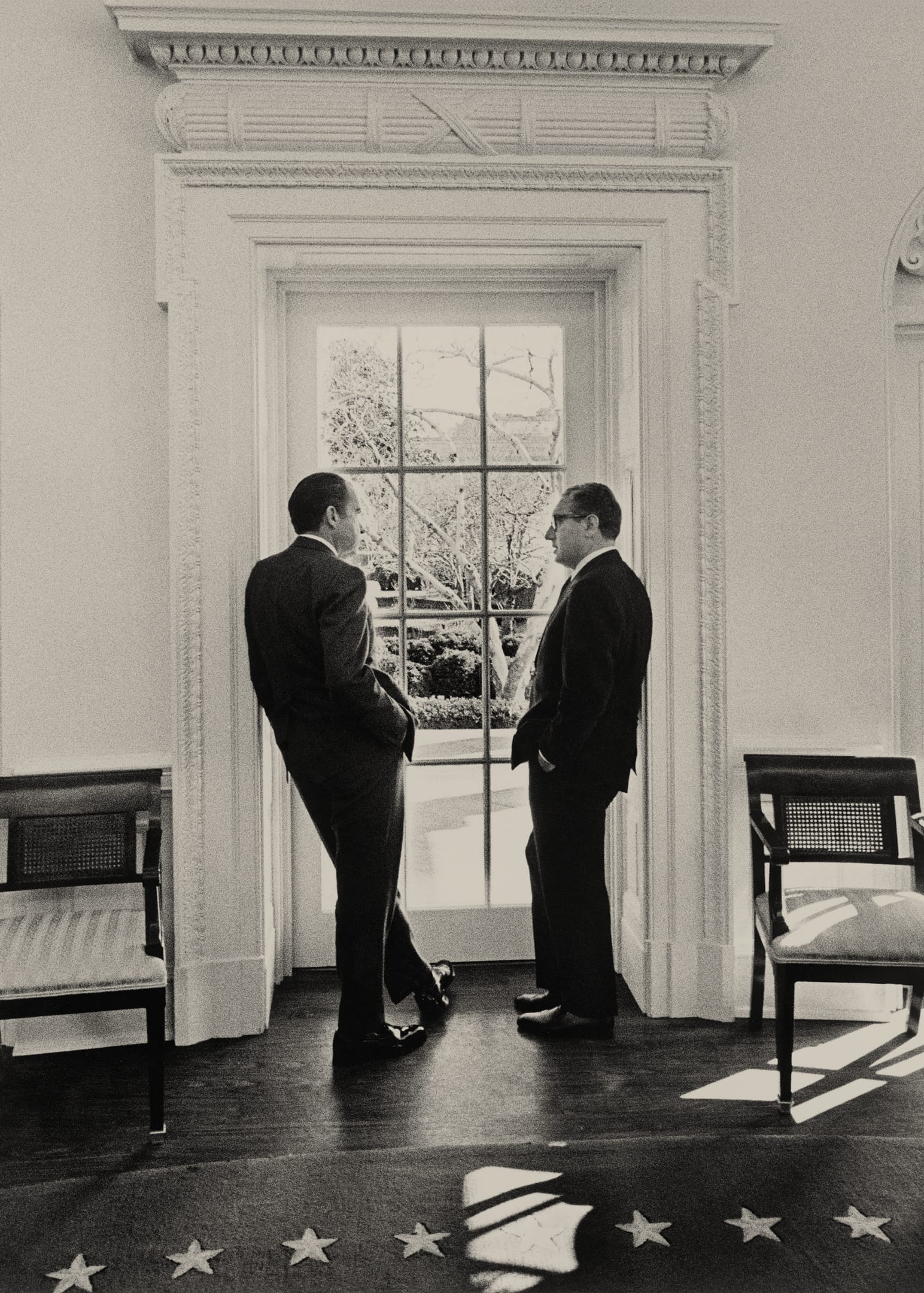
Until then, the Narcotics Import Act had made it a crime simply to possess drugs in international waters, giving the Coast Guard sweeping authority to stop traffickers and seize their cargo on the high seas.
But once that statute was nullified, possession alone was no longer enough. The Coast Guard could still board foreign vessels for routine checks — yet to make an arrest or seize narcotics, agents now had to prove that a ship was actively conspiring to import its cargo into the United States.
That new evidentiary hurdle changed everything. Smugglers quickly realised that a freighter could anchor just beyond the twelve-mile territorial limit, its holds packed with drugs, and remain effectively untouchable.
From there, fleets of high-powered speedboats could shuttle smaller loads ashore. If one boat was seized, the loss was trivial; the mothership itself—the true prize—remained beyond the reach of U.S. law. By creating this 'mothership loophole,' Congress had unwittingly paved the way for the industrialisation of drug trafficking.
A British sailor named Harold Derber was among the first to seize the opportunity. A former Merchant Navy radio officer turned smuggler, Derber is credited with inventing the drug mothership method.
By exploiting the loophole, his fleet of rotating motherships delivered upwards of several hundred tons of marijuana a year into the United States with legal impunity. By 1975, he had become the largest marijuana trafficker in American history after spotting a flaw Congress had missed.
At the center of Derber’s fleet was a single vessel that inspired awe and frustration among maritime law enforcement: the Night Train. To smugglers it was a workhorse; to federal agents it was a ghost ship that evaded every attempt at detection yet was delivering hundreds of tons of marijuana along the Atlantic seaboard.
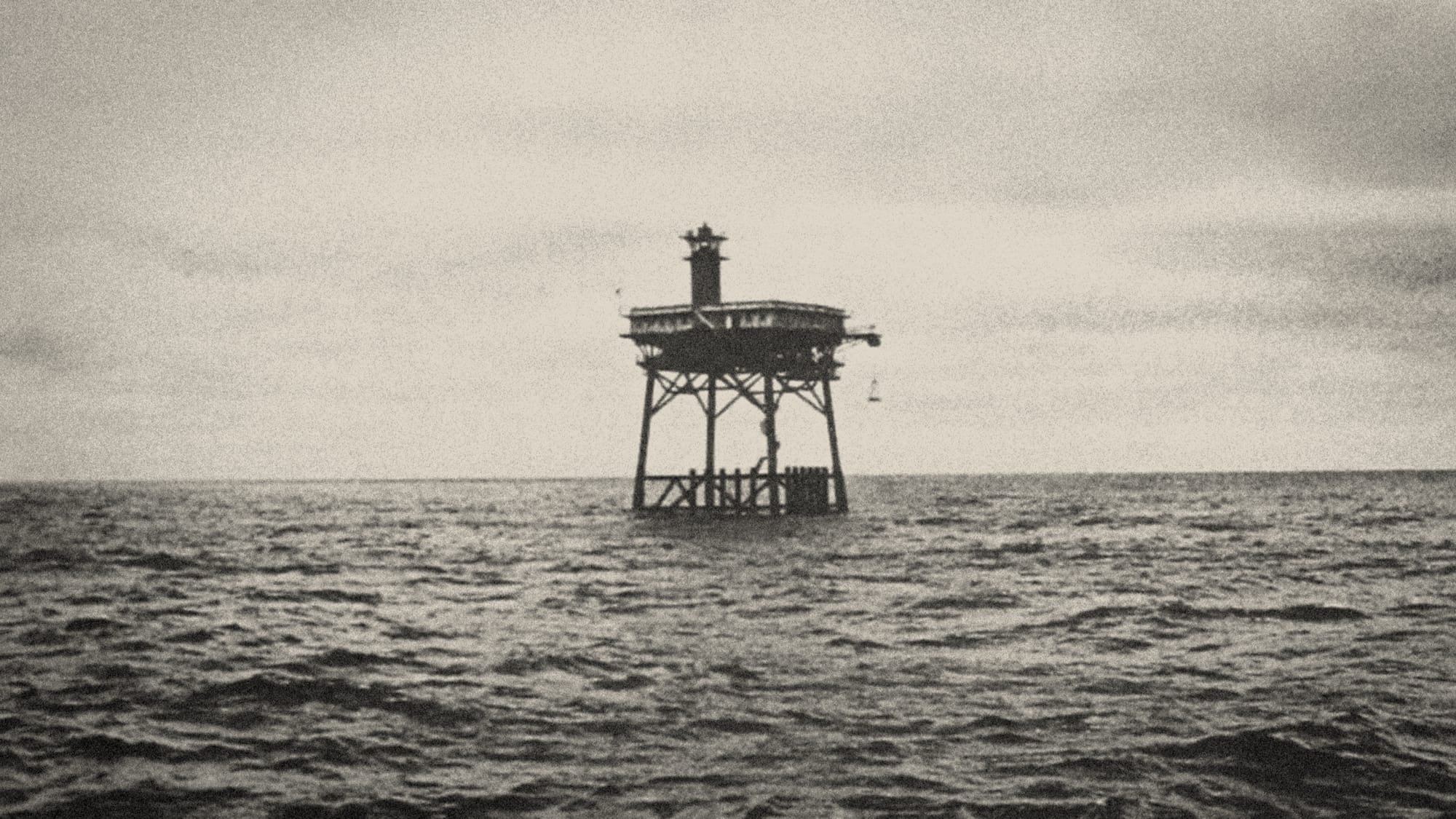
As the mothership trade grew, it also became entangled in Cold War geopolitics. Under the Cuba–Colombia guns-for-drugs pact, the freighters began carrying weapons south on their return journeys, arming insurgent groups across Latin America.
The arrangement was more than a smuggling scheme — it was the first narcoterrorism alliance of the Western Hemisphere. What had begun as a loophole in American law was now feeding both the U.S. drug market and Marxist guerrilla movements abroad.
Lacking both a legal basis to seize the Night Train and the means to track it, federal agents shifted their focus to the transfer vessels. If they could not touch the motherships, perhaps they could catch the feeder vessels and work backwards.
One of these was the Lillian B, a 112-foot coastal trawler that had come under suspicion in late 1975.
In January 1976, Customs, with help from DEA and state police, raided a fish-processing plant on the Pamlico River in North Carolina. They seized the Lillian B and its cargo of twenty-five tons of Colombian marijuana, the largest drug seizure in North Carolina history and probably the largest ever on the east coast.
The seizure was a triumph on paper, but not to everyone. Among those briefed was U.S. Customs officer Robert Perkins. To him, the bust was a massive failure. The Lillian B was only a contact boat, and intelligence showed it had received its cargo from the Night Train, which had slipped away once again.

Perkins fumed. The Lillian B was proof of a trafficking system in full swing: motherships feeding coastal vessels under the nose of the Coast Guard. He told a friend that day, 'I’m gonna get me one of those Mothers.'
That night, Perkins began sketching an idea. He had a radical proposal: using a Navy S-2 long-range reconnaissance plane — a stubby, radar-equipped aircraft that looked like a flying saucer — to patrol the Atlantic. From a couple hundred miles off the Carolinas, the plane could sweep vast areas with surface radar. If it spotted a suspicious freighter hovering offshore, the crew could radio the data back to Customs.
At the time, the notion of using the military for drug interdiction was unthinkable. To find out if it was lawful, Customs passed the plan to its legal department, then to the State Department.
Eventually, it landed on the desk of Secretary of State Henry Kissinger, the chair of Nixon’s Cabinet Committee on International Narcotics Control.
Kissinger gave his approval. The Coast Guard issued a new memorandum spelling out exactly what would justify boarding a mothership under their interpretation of international law. The plan had a name: Operation Stopgap.
Stopgap represented something unprecedented and likely unlawful. By relying on U.S. Navy reconnaissance planes to locate smuggling vessels, some of which contained U.S. citizens, the operation arguably violated the Posse Comitatus Act, the 1878 statute that forbids the use of the military in domestic law enforcement.
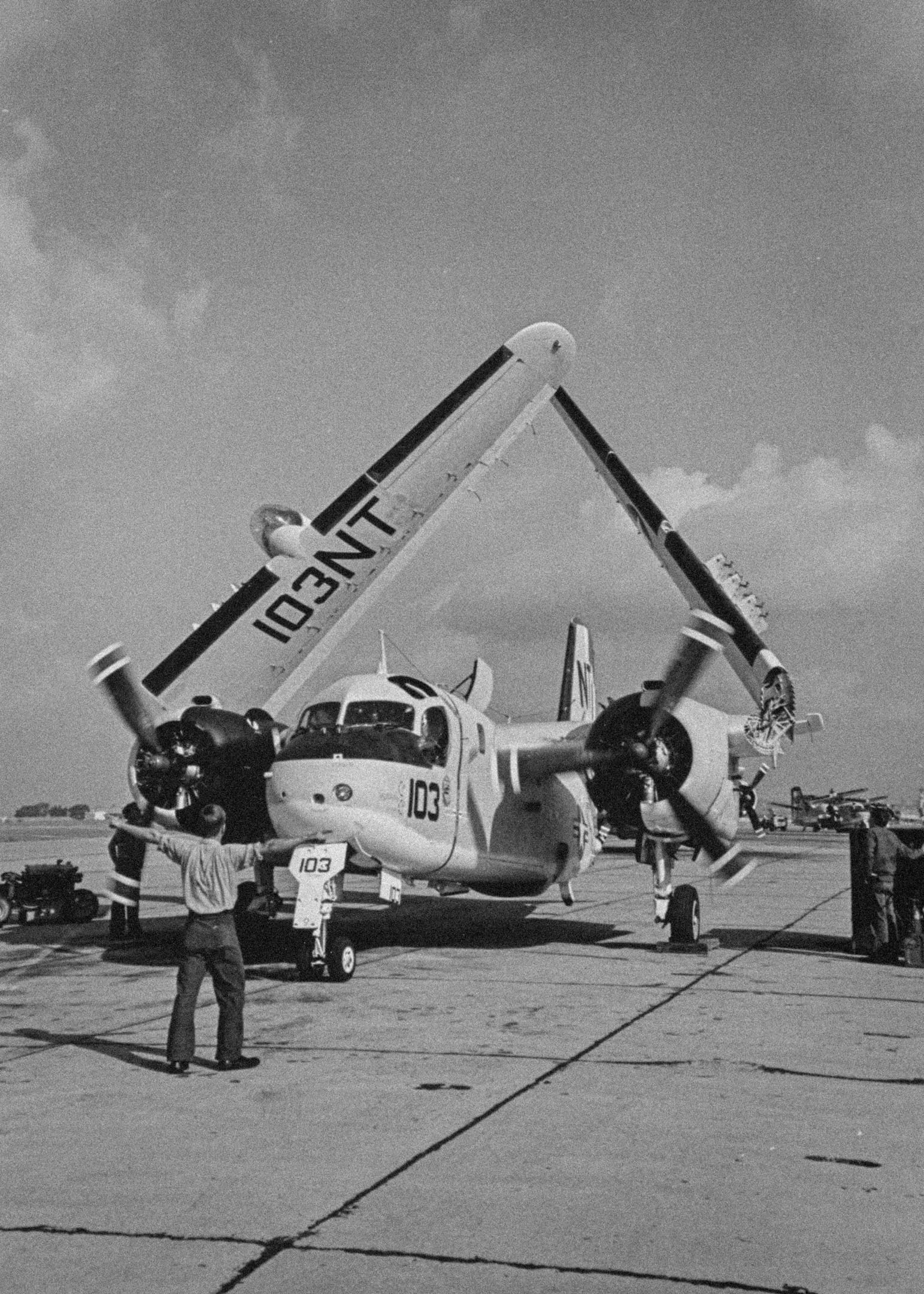
For that reason, Stopgap was classified top-secret. Coast Guard officers even denied under oath in federal court that the program existed. [see note below]
At first, Customs balked at Perkins’ idea, worried that resources were stretched thin. But the logic was irresistible. Within weeks, the blueprint was adapted. Instead of a tiny patrol boat and a single radar plane, Customs deployed the naval reconnaissance planes as well as Navy Ocean Surveillance Satellites.
In late 1977, an interagency task force located the infamous Night Train. The nation’s premier drug-busting ship, the Dauntless, was put to sea to stop her. When she closed in, the Night Train refused to yield. Coast Guard crews had to fire warning shots across her bow before she finally slowed enough to be boarded.
When the teams stormed aboard, they found 54 tons of marijuana — at the time, the largest seizure in American history, and still one of the largest to this day. The capture of the Night Train was celebrated as the first success of Operation Stopgap.
Despite its questionable legality, Operation Stopgap was hailed inside Washington as a triumph. Over its run, Stopgap seized more than two million pounds of marijuana, and the sudden scarcity caused the street price of the drug to quadruple almost overnight. For policymakers, it was proof that militarised interdiction could work.
It was also the moment when drug enforcement crossed a threshold. By deploying the U.S. military in coordination with civilian agencies, Stopgap blurred the boundary between domestic law enforcement and international warfare.
From that point forward, the logic of the War on Drugs was militarised. The Navy expanded its surveillance role, the DEA stationed agents abroad, and by 1982 the Reagan White House had deployed Navy ships, Army helicopters, and military radar in what officials called 'the most ambitious and expensive drug enforcement operation' in U.S. history.
Operation Stopgap marked a turning point in the militarisation of the war on drugs. Its opening shot was not fired in Bogotá or Miami but in Perkins’ memo, approved by Kissinger.
Fifty years later, America is still fighting that war, now on an unprecedented scale •
* In response to the author’s Freedom of Information Act requests, the DEA replied that all files on Operation Stopgap and Harold Derber had been destroyed, that it held no records of the Night Train, and it could not locate the report on Harold Derber that it had submitted to Congress. Harold Derber’s National Security Agency file remains classified.
This feature was originally published October 10, 2025.
The Wireless Operator: The Untold Story of the British Sailor Who Invented the Modern Drug Trade
Icon, 25 September, 2025
RRP: £20 | 288 pages | ISBN: 978-1837732456
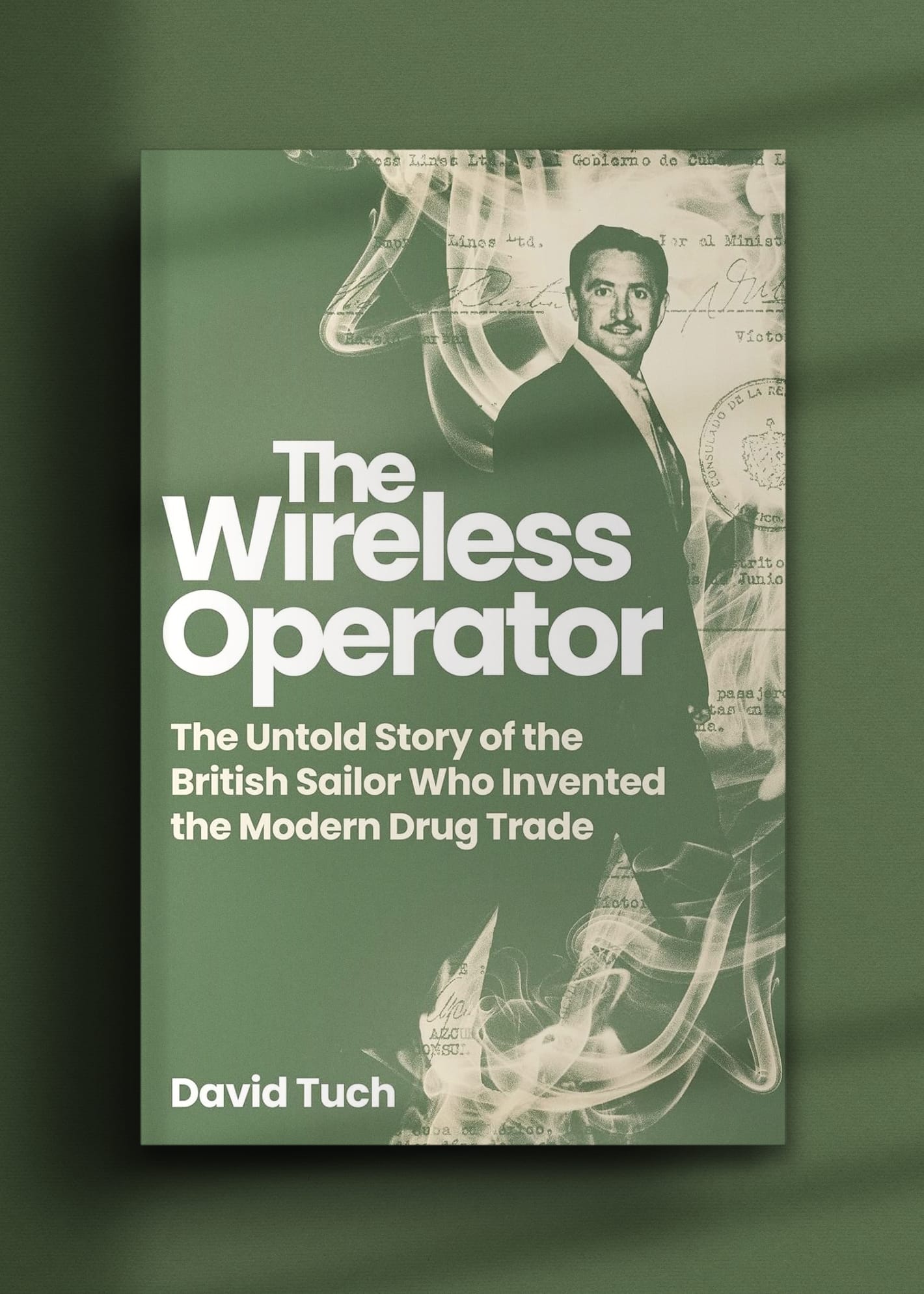
Government agencies and rival factions were closing in. His look-alike had already fallen victim to professional hitmen and his once-powerful allies in Cuban intelligence and the DEA could no longer guarantee his safety. How did a boy from Manchester revolutionise the criminal world and become the largest marijuana trafficker in American history?
This is the never-before-told story of Harold Derber, the debonair British Merchant Navy veteran who pioneered the modern drug trade with his groundbreaking invention: the drug mothership. Through his ghost fleet of drug ships, Derber eventually became the chief supplier of marijuana to post-war America. This gripping true tale follows Derber from humble beginnings in Manchester, England, to his assassination in the sun-kissed streets of Miami. Along the way, Derber's story takes in some of the most significant events of the twentieth century - the Second World War's Battle of the Atlantic, the Cuban Revolution and the murky shadows of the Cold War.
Based on newly declassified government files, undercover photographs, an unpublished memoir, and first-hand accounts from both Derber's trafficking accomplices and the agents who pursued them, The Wireless Operator reveals the astonishing origins of the modern narcotics trade. Bringing his extraordinary life into focus for the first time, this gripping transatlantic tale offers a complex portrait of a singular criminal mastermind who operated at the fault lines of state power, secrecy, and organized crime - and whose legacy still echoes in today's global war on drugs.
“David Tuch brings the remarkable story of Harold Derber - refugee, gun-runner, ethical people smuggler and revolutionary drug-trafficker - out of the shadows. And what a tale it is: an extraordinary life of adventure (and misadventure), and a rollicking good read”
– Tim Tate, author of To Catch a Spy
With thanks to Amelia Kemmer and Elle-Jay Christodoulou.
📸 Dive into our Features
🎤 Read Interviews
🎧 Listen to Podcasts
🖼️ Buy fine art prints & more at our Store


.jpg?ref=unseen-histories.ghost.io)

_(20471275370).jpg?ref=unseen-histories.ghost.io)

