
Penthesilea the Amazonian Queen
Christine Lehnen considers the gaps in our cultural memory


Over the past few years scholars have uncovered stirring new evidence about the existence of fierce warrior women who lived in Scythia in the Ancient World.
These women bear a resemblance to Penthesilea, the mythical Amazonian queen in Greek mythology. It might be, some claim, there is a link between the two. The myth may well be grounded in factural accounts.
Scholarship, however, is only part of it. As Christine Lehnen, the author of Remembering Women, explains here, what we choose to believe is a different matter altogether.

Everyone has heard of Helen of Troy, the mythical queen from Sparta in Ancient Greece. It is said that the Ancient kingdoms of Troy and Greece went to war over her some three thousand years ago, and fought it out for ten years, and that the most beautiful city in the ancient world was captured and destroyed to win her back.
It is also said that you should not believe everything you hear.
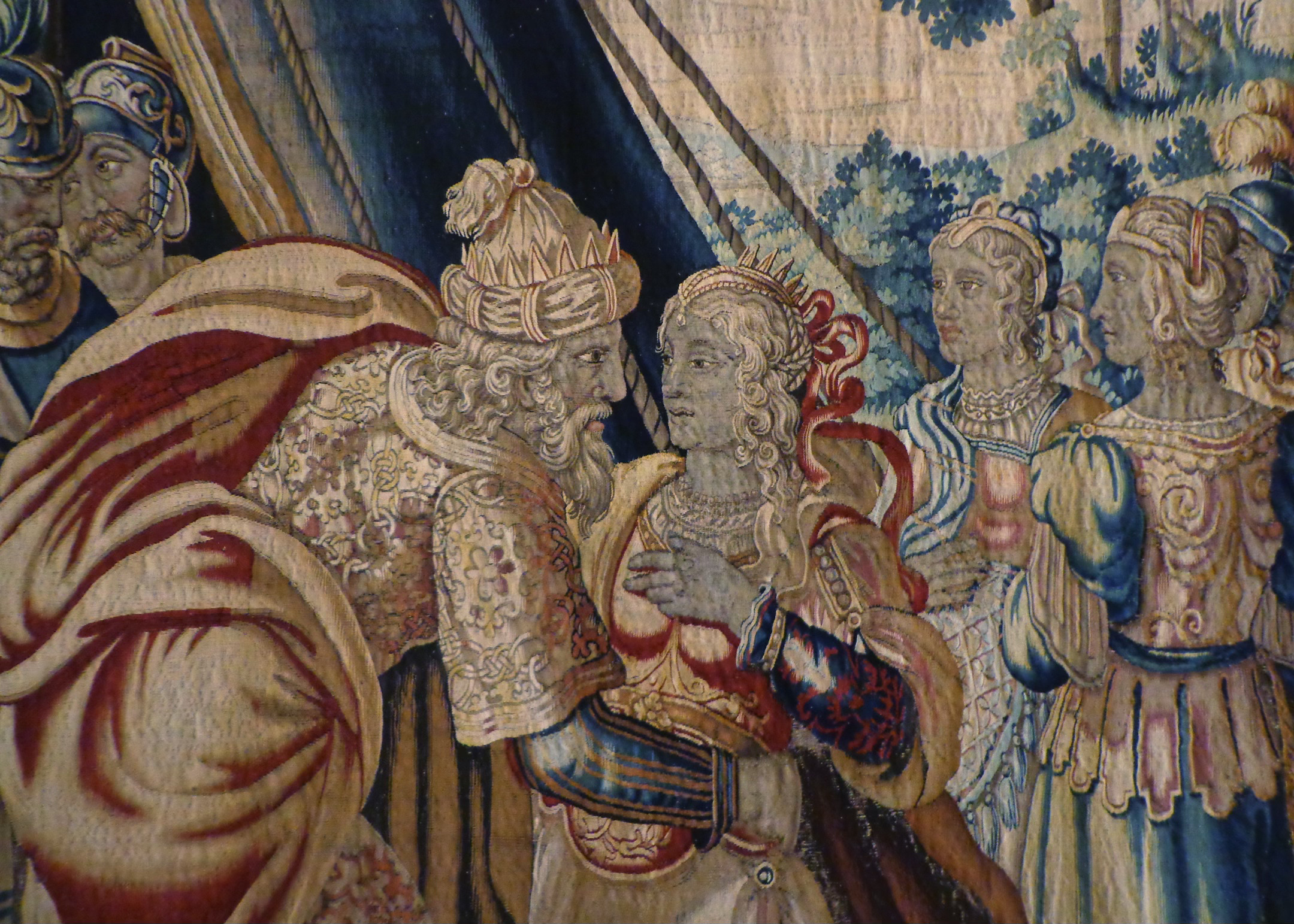
There is another woman whom we know from Ancient myth. Her name is Penthesilea. She is not remembered as widely as Helena. It is said that she came to fight on the side of the Trojans in the war over Helen, to defend the city fighting for its survival, besieged by an aggressive enemy. She was born and raised a warrior woman on the southern coast of the Black Sea.
The Greeks called her Queen of the Amazons, but she may have been a regular woman: a regular woman who chose to take up riding, hunting and fighting to make a living, who chose to fight in a war on the side of her allies, against an invading army, because that was the right thing to do.
Her myth may have been based on historical women living in Ancient Scythia in the first millennium BCE, who spent their lives hunting and fighting, who were buried with their horses and their weapons.
Some things we choose not to believe, even when we should.
According to Stanford research scholar Adrienne Mayor, Greek legends of fearsome Amazons may have been based on reports of and encounters with real warrior women from Scythia who rode into battle with bow and arrow or axes.
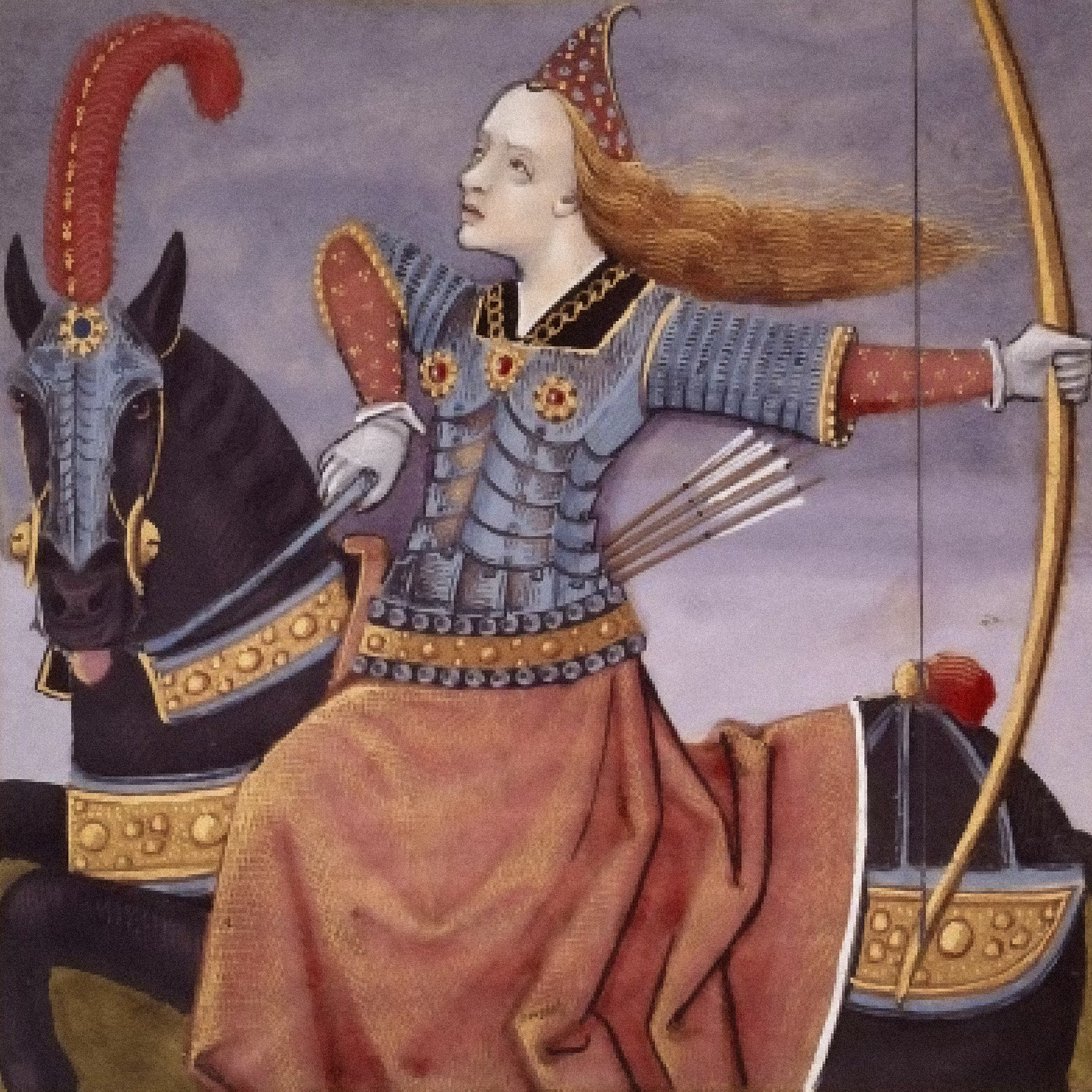
As she explores the mounting evidence for the existence of Amazon-like warrior women in Asia Minor and beyond in her pathbreaking study The Amazons: Lives and Legends of Warrior Women Across the Ancient World, she comes to the conclusion that, while the Amazon Queen Penthesilea may be mythical, women like her were very real. They lived, fought, died and thrived in Scythian communities in the first millennium BCE.
The tale of the most beautiful women in the world: we believe it to be true, in spite of all archaeological evidence pointing against a ten-year-war fought over the Ancient city of Troy in Asia minor (today’s Turkey).
The tale of independent warrior women living as the equals of men in that same region? We believe it to be fiction, in spite of all the evidence that tells us that these women were real.
Why is that? Why are historians so good at uncovering history, but as a society, we are so bad at remembering the past as it was? How does our collective memory draw a veil over the historical facts of warrior women in the distant past?
This has to do with our collective memory and how it keeps history hidden. There are three levels of memory in modern society: personal memory, communicative memory, and cultural memory.
Cultural memory is particularly important for how we remember Antiquity. It is made up of those events that a collective locates in its distant, foundational, even mythical past. This past is remembered and kept alive through rituals, images, icons, commemorations, sacred and foundational texts, and performances of various kinds.
The story of the Trojan War is a perfect example of an event belonging to cultural memory: Homer’s Iliad, set during the Trojan War, is routinely referred to as the founding piece of Western literature, and the Trojan War cast as a founding moment of Western civilisation.
Famously, medieval poets and and scholars believed that Britain had been founded by survivors of the Trojan War and that the legendary King Arthur descended from the ranks of the Trojan refugees. Recently, the Trojan War has been revisited in countless ways:
Novelists such as Pat Barker and Margaret Atwood have written novels set during or after the Trojan War, global streaming platforms have produced a mini-series adapting the Iliad, and in 2019, the British Museum presented a major exhibition called Troy: myth and reality.
Implicitly, we remember the Trojan war as a real event; it happened, some time in our primordial past, where history and myth collide.
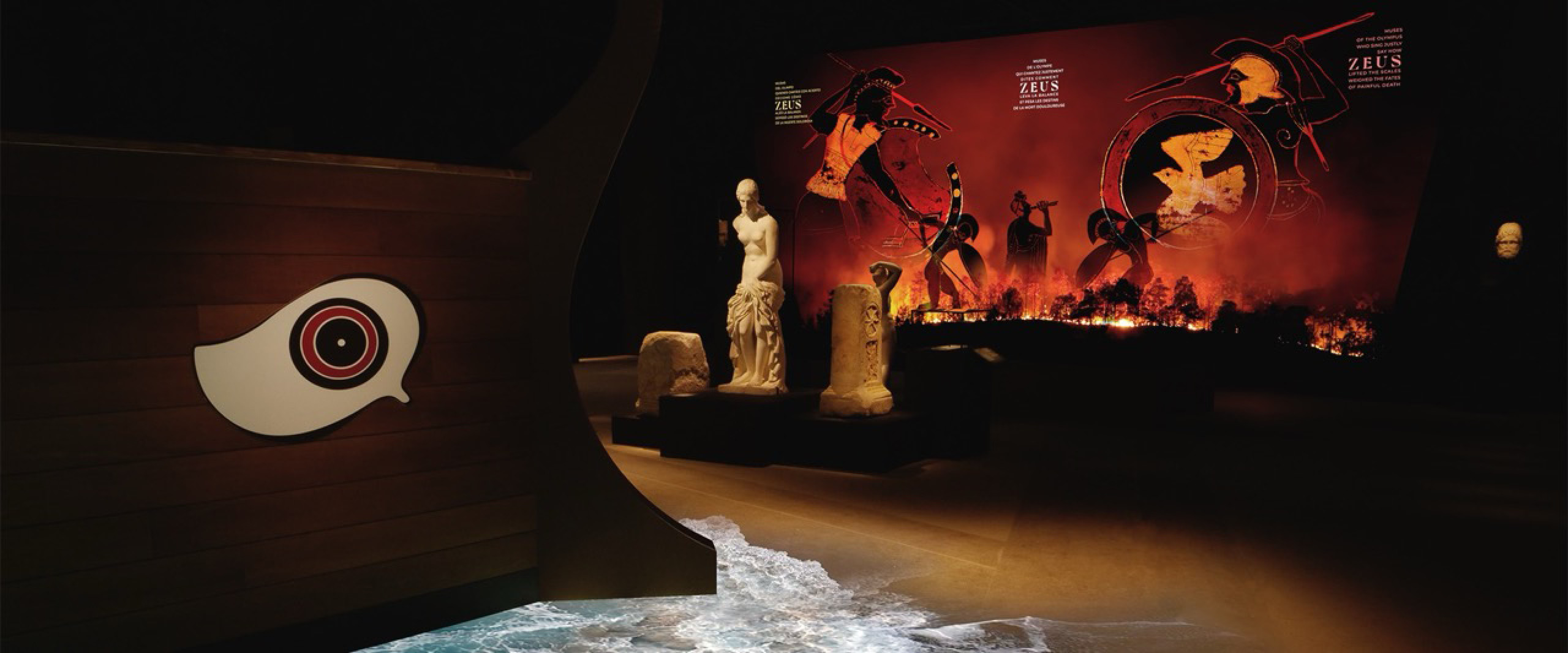
That is what cultural memory does: it elevates mythical events to important cultural truths. We turn to the past to understand why we live the way we do, we use history to make sense of our present, even to justify it. We tell the story of our past in such a way that our present appears normal to us, ‘natural,’ life as it ought to be.
That is why we are tempted to remember the past as a place of the patriarchy, why we retain the memory of beautiful victims like Helen rather than independent warrior women like Penthesilea: to normalise that women are still considered the ‘weaker gender’ in the present, and routinely granted less authority than men, as Mary Ann Sieghart shows in her erudite book The Authority Gap.
This is how it has always been, we tell ourselves. This is normal. This is what life is.
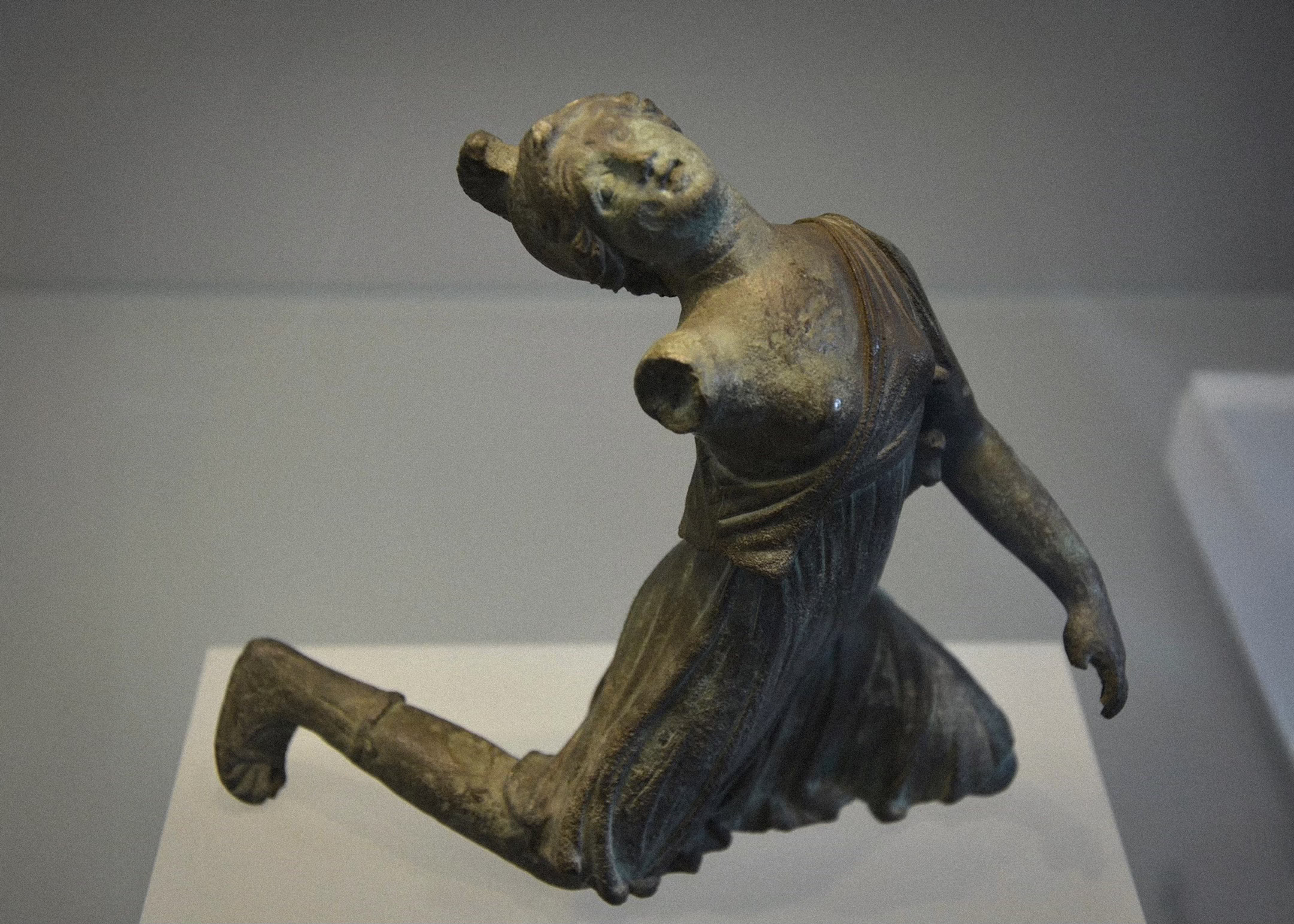
Unless we draw the veil from the hidden histories of independent women such as Penthesilea, the Scythian warrior women of the Ancient steppes, the female artists of the Stone Age or the rulers of Minoan Crete, gender equality will always seem strange to us, like a modern invention, an arrangement that is not part of human nature, a fad.
It means that feminist progress will always remain up for grabs, and the taking away of women’s rights will remain justifiable through reference to history, as we witnessed in the United States when the Supreme Court overturned federal abortion rights in 2022, giving as a reason that a woman’s right to choose was ‘not deeply rooted in this Nation’s history or tradition’.
That is dangerous. It also paints a picture of the past that is, frankly, dull, where it does not need to be. We could simply remember the women in antiquity and beyond who may have led independent lives in egalitarian societies.
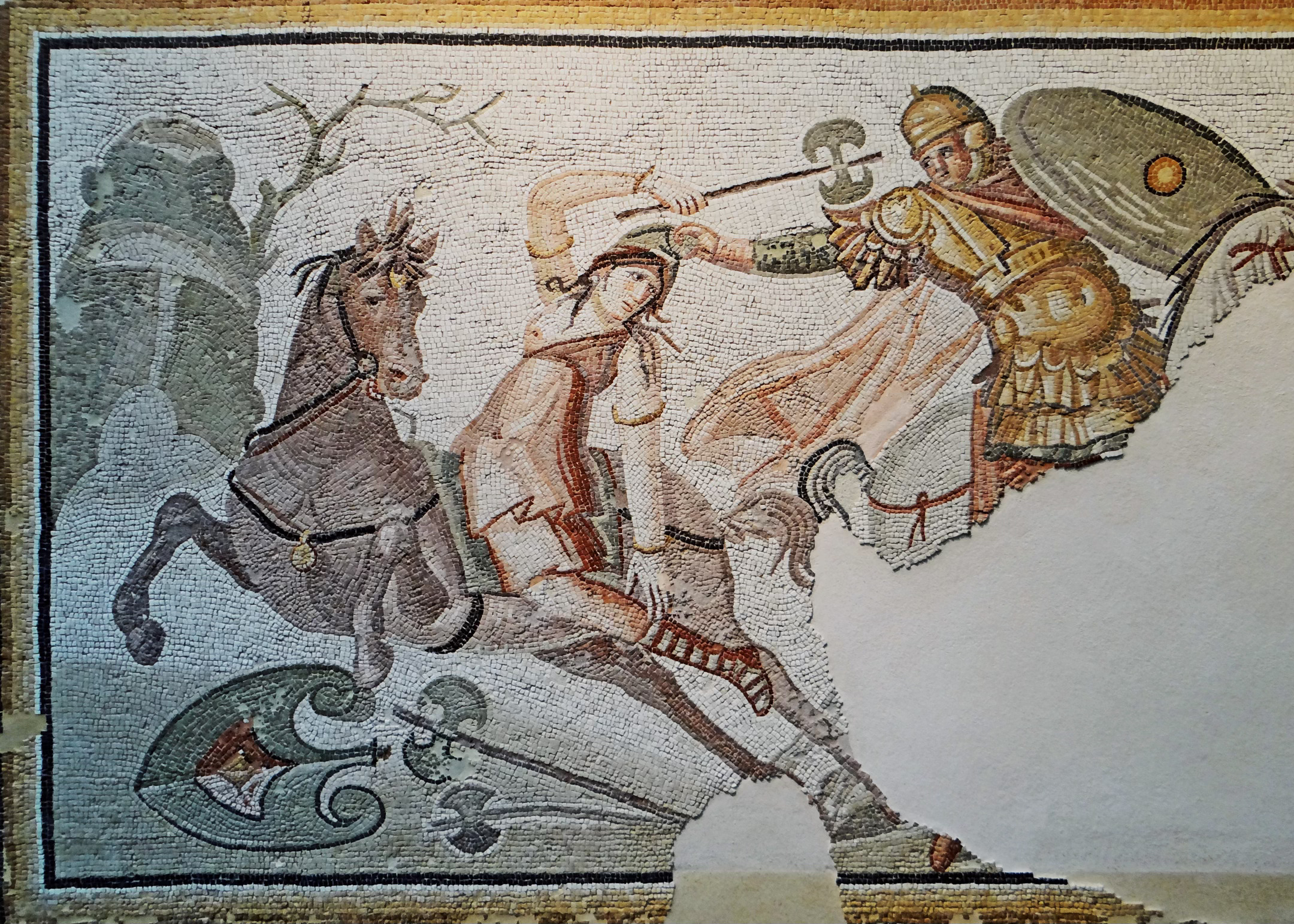
In these societies, women were not reduced to their roles as mothers, wives, or daughters. They may have been craftspeople, poets, warriors, artists; invented the battle axe and besieged the city of Athens; painted the artworks in the caves of Lascaux; raised an army when their sisters were in peril; ruled a state on Bronze-Age Crete; fought and won; loved and lived; died and left us their bones, their belongings, their legacies.
There is precedent for more egalitarian communities in the past. These communities do not need to have been utopias of perfect gender equality for us to be able to learn from and build on their gender politics in the present.
Ancient Scythia, for example, was made up of complex and diverse communities and practices, some deeply patriarchal, others not. What their more egalitarian practices show us is that gender equality is not an aberration. Throughout time, humans have been able to find ways to live together as equals.
We have done it before. We can do it again. Because there is nothing modern about the idea that everybody is equal.
It is, simply, a human idea •
This feature was originally published July 17, 2025.
Remembering Women: Lessons from the Ancient World
Icon, 19 June, 2025
RRP: £20 | 272 pages | ISBN: 978-1837732173
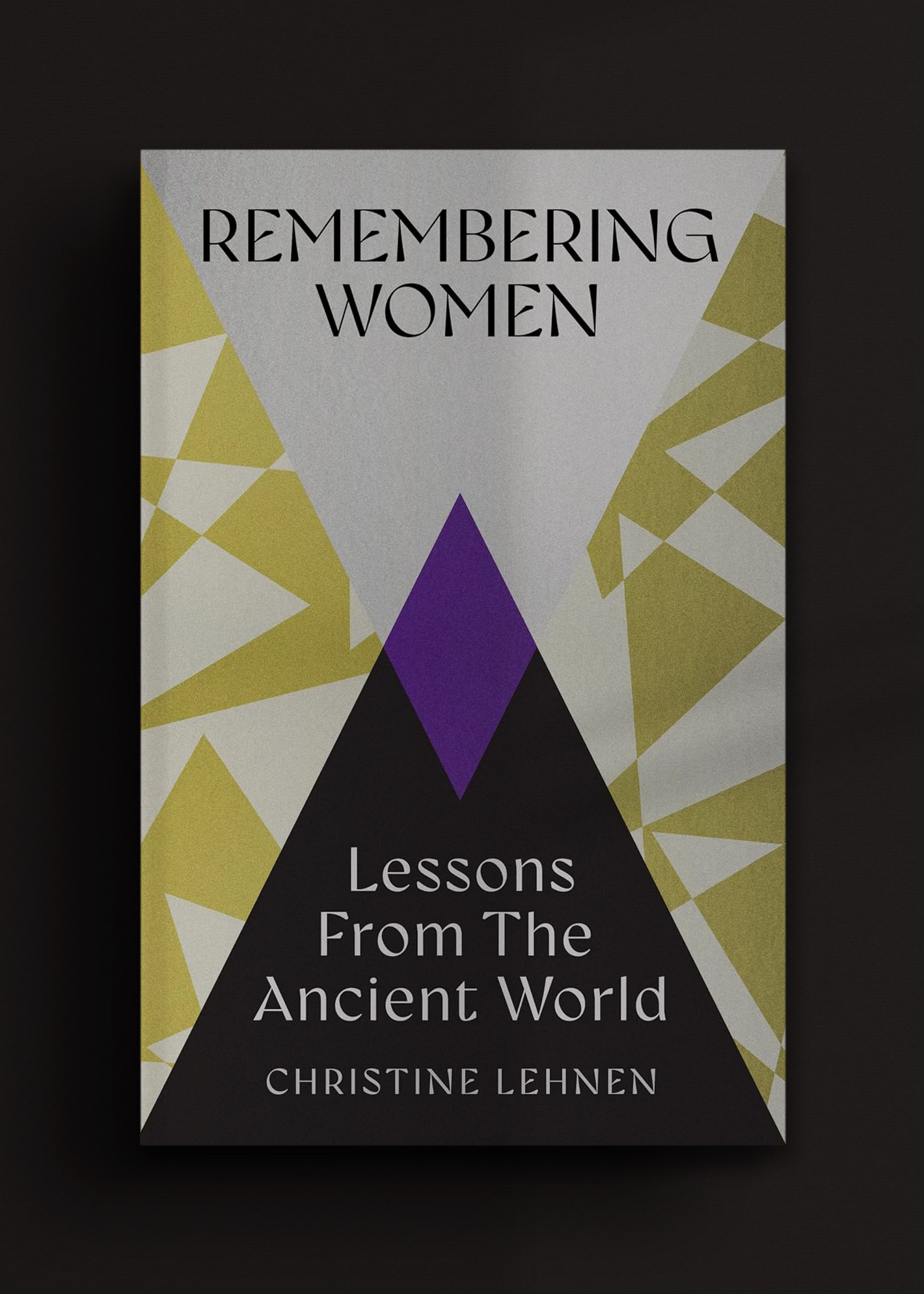
Women do have a history of their own. All we need to do is remember it.
In this illuminating new investigation, Christine Lehnen looks back at our collective memory to explore the myriad ways that women in the past have enjoyed a more egalitarian life.
Due to advances in bioarchaeological methods, scientists have discovered that one out of three women in Ancient Scythia was an active warrior buried with her weapons. Far from being confined to their homes, these women rode out to hunt, travelled to distance places, or used weapons to fend off their enemies. These warriors were no exceptions to the rule, with women enjoying a significantly higher degree of equality than their Greek contemporaries.
Remembering Women argues that there is a historical precedent for a fairer society. From reappraisals of well-known objects such as the earliest human bone calendars from the Stone Age to revelatory findings of innovative bioarcheological methods used on human remains from Ancient Scythia, evidence is accumulating that there were places in the past where all women were allowed to thrive.
Interweaving new findings from archaeology with the stories of her mother and grandmothers, as well as her everyday experiences as a woman living today, Lehnen explores our collective memory of women and argues that it needs to change if we are to create an egalitarian society. Remembering Women follows the traces left in the material, literary, and archaeological record by our foremothers, and their heirlooms, artwork and stories, to take a fresh look at our life in the present.
“A fascinating, thought-provoking exploration of powerful women's lives in the past and today, showing how important it is that we remember their successes, leadership, independence and equality”
― Marion Gibson, author of Witchcraft: A History in Thirteen Trials
“Remembering Women is a truly fascinating book that is subtly radical on every page. Taking a wealth of evidence, Lehnen advocates for us to look again at our history as a source of inspiration to speak out against the status quo. Accessibly written, Lehman vividly brings the women of the past to light.”
― Caroline Magennis, author of Harpy
With thanks to Amelia Kemmer.
📸 Dive into our Features
🎤 Read Interviews
🎧 Listen to Podcasts
🖼️ Buy fine art prints & more at our Store


.jpg?ref=unseen-histories.ghost.io)
