
Shakespeare’s Lost Years
Tinker? Tailor? Soldier? Spy? Howard Linskey looks back at the most mysterious phase of Shakespeare's life


We all know the plays: Romeo and Juliet, Othello, The Merchant of Venice, A Midsummer Night's Dream. The list stretches on and on.
But when it comes to the man himself, things become rather more hazy. For centuries biographers have struggled to assemble a clear picture of Shakespeare's life.
Nowhere is this challenge any more acute than between the years 1585 and 1592. These, broadly put, are the formative years of the playwright's twenties. But what exactly was he doing during them?
In this article Howard Linskey, the author of a new spy novel, A Serpent in the Garden, casts his eye back over these enigmatic years.

There are hundreds of biographies about William Shakespeare, the greatest and most famous playwright of his or any other time, but details of the man’s life are still sparse. There is even a seven year spell, between 1585 and 1592, when we know nothing about him at all.
His ‘Lost Years’ begin when he is 21, with the birth of the twins, Susanna and Hamnet, recorded in Stratford, along with the name of their father, William Shakespeare. The next we hear of him he is in London. The 28-year-old actor has just turned playwright and his production, Henry VI, proves a moderate hit.
Shakespeare’s many biographers have always wrestled with the same question about his lost years. What was he up to during this time that inspired him to become the world’s greatest dramatist?
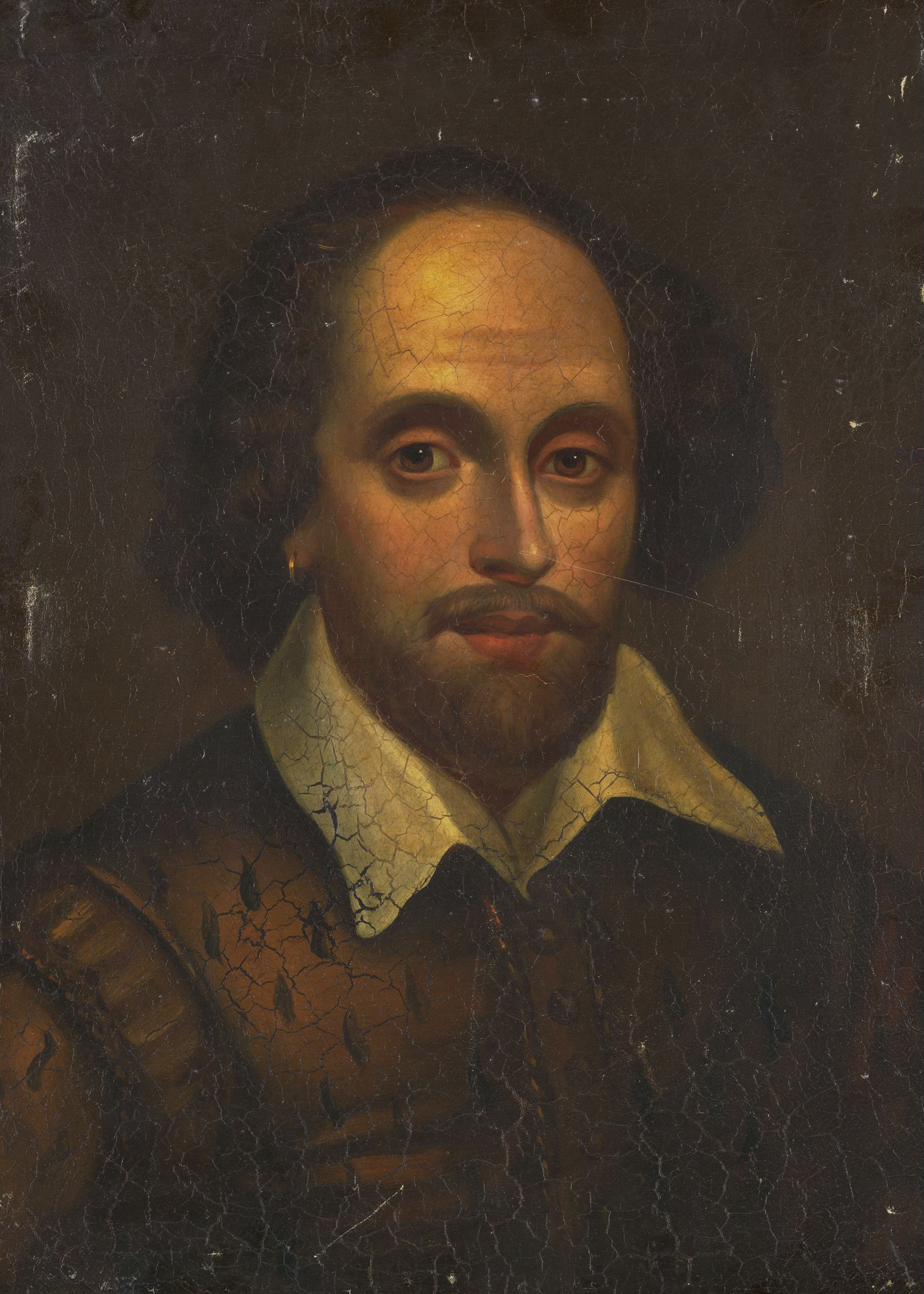
I have always been as fascinated by 'Will' Shakespeare the individual, as Shakespeare the writer.
Here was a man who seemed to understand everything. He had an innate ability to sum up a range of human emotions in a line or two that perfectly encapsulates them. Shakespeare understands what it is to be in love, or to hate someone, to experience rage, jealousy, betrayal, love and lust, to plot, to wage war, to bring down enemies or experience downfall.
He understands kings, queens, princes, even witches, but also what it is to be born lowly and to stay there for the rest of your days. He writes about wooing women and drinking in taverns with friends, with such authenticity that I suspect he spent a good deal of his time doing both, when he was not writing.
Shakespeare could read people of all types and used his own incredible imagination to place himself firmly in another man’s shoes.
But how did he get to be so good at it? We know something about his earlier life, before he vanished from the record. He was born in Stratford, in 1564, to a reasonably prosperous glove maker and wool merchant father, John Shakespeare, who later fell on hard times.
Will had a good schooling but would not have been able to continue at a university without money and status, and certainly not once he met Anne Hathaway, when he was just eighteen. She was eight years his senior and fell pregnant not long afterwards. Forced to marry, to avoid disgrace and legitimise their daughter, Susanna, they then moved into his father’s house. The twins, Hamnet and Judith, followed two years later.
When we next hear of him, Will is in London, which is quite a leap for a country lad from Stratford, a place with a population of just 2,000 at the time. The capital was a huge, sprawling city, housing an almost unimaginable 200,000 people back then. It became Shakespeare’s home for most of the rest of his life, while his wife and children remained in Stratford. He would go on to write a total of thirty-nine plays, though the exact number, like many of the facts of his life, is disputed.
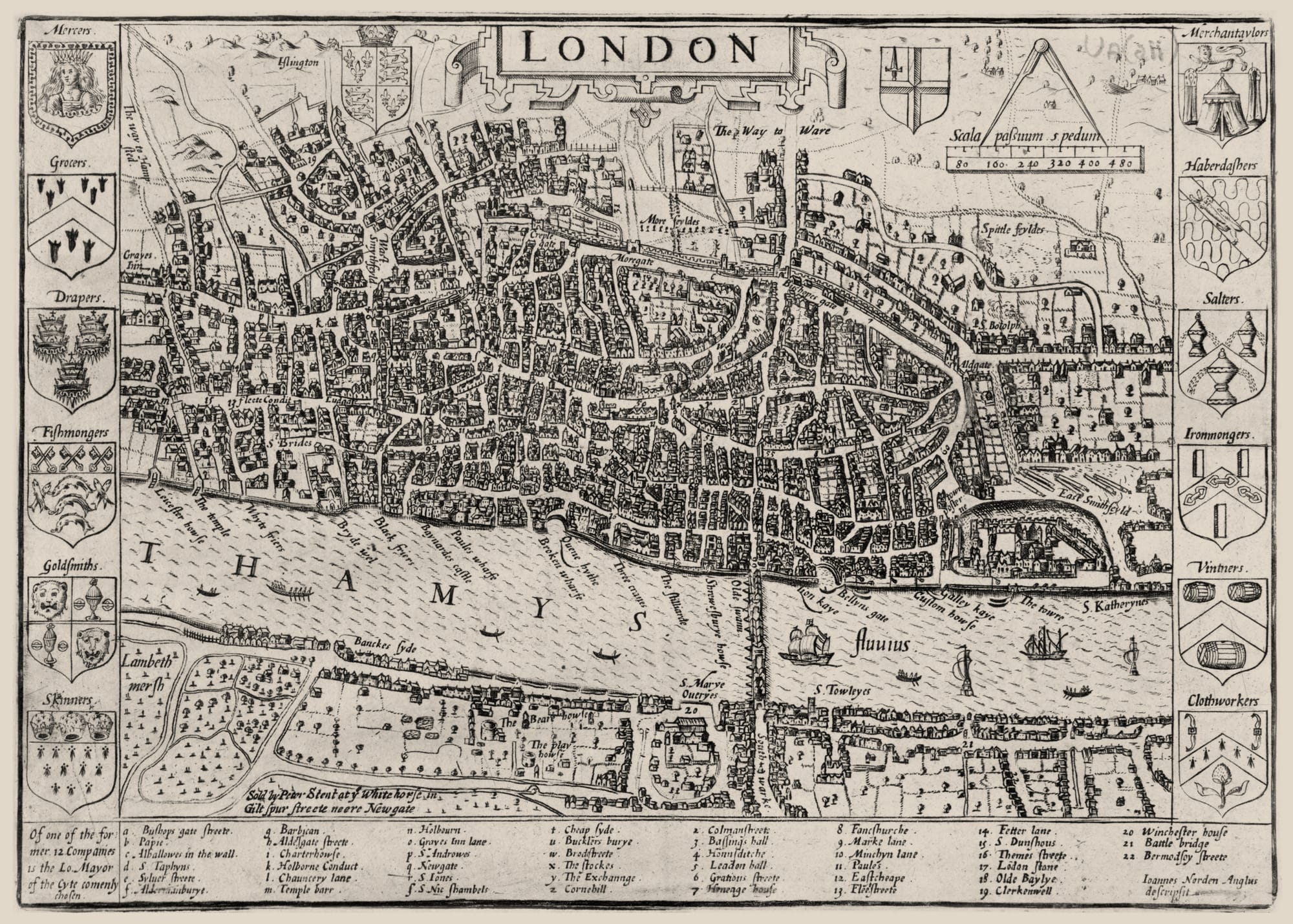
But what did he do in the interim between leaving Stratford and conquering London? Some say he must have been a soldier because he understood war so well, but then he understood everything well. That mighty imagination of his made Shakespeare capable of placing himself in a battle at Bosworth Field or Agincourt, just as he was able to intuit how it felt to bury Caesar or woo Juliet, to be told you will be king by a trio of witches, or to discover that your dear mother reacted to your father’s untimely demise by wedding your uncle. If Shakespeare could imagine all of that, he could understand fear on the eve of a battle or the bitter taste of its aftermath?
Others claim that he must have sailed to foreign lands, especially Italy, since he set so many of his plays there. How could Will have understood what it was like to live in cities like Venice, Padua, Verona, Florence, or Milan, if he had never visited them?
These days we call it research, and Will’s would have been aided by the many books available to him in Elizabethan London. He could have read about Italian cities just as he learned about England’s former kings and queens from Holinshed’s Chronicles, though we must fault him for some glaring errors in his research.
In The Two Gentlemen of Verona, characters set sail between there and landlocked Milan, and in The Winter’s Tale he gives Bohemia a shoreline when it lacks one.
It’s likely then that he never actually saw these places in person. Shakespeare probably relied upon the fact that most of his audience were as unlikely to have gone abroad in the 1590s as he was. Travel of that kind was slow, complicated, expensive and incredibly dangerous.
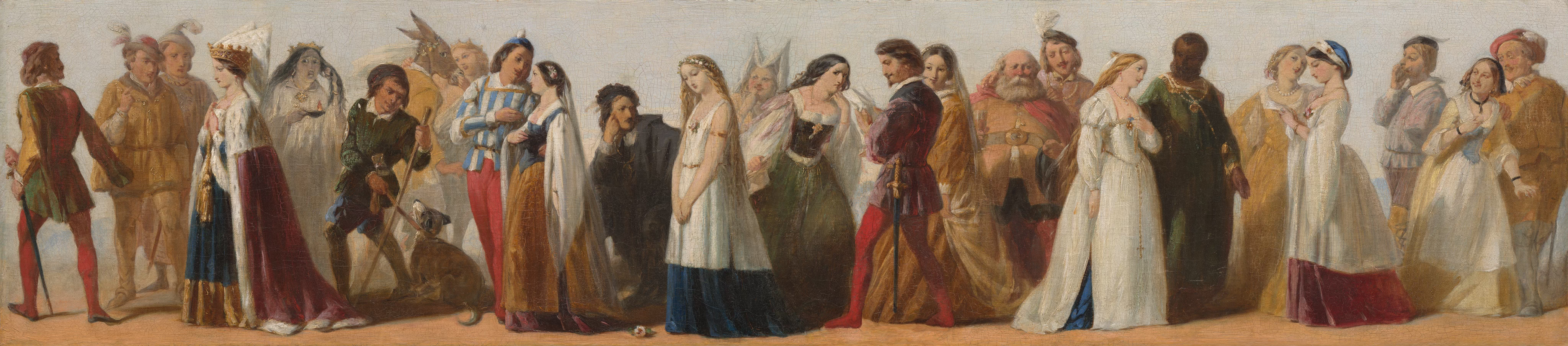
Some argue that Will probably stayed in England to become a teacher, making use of a good education from the Kings New School in Stratford. There is no evidence of this however, save for an account of a Catholic landowner, Alexander Hoghton, naming a 'William Shakeshafte' in his will.
Surely though, if you are going to leave a man something in your will, it’s sensible to get his name right in that legal document. There is no real evidence that Will himself was the beneficiary of this legacy and not some other man actually called Shakeshafte.
Is it not far more likely that Will Shakespeare might very well have spent a lot of time watching plays, and appearing in them? We know that, by 1592, he was an actor who had just become a playwright. He might have witnessed countless performances before finally attempting to write a work of his own.
Is it too much of a leap to imagine a young man, bored of a life of Elizabethan domesticity in tiny Stratford, craving the excitement of London?
Was he perhaps inspired by a visit from a group of travelling players, not unlike the ones he writes about in Hamlet? Did he persuade them to let him join their number, doing all manner of backstage tasks, before he was eventually allowed to utter a line or two on the stage?
From then on he followed his destiny. But you don’t become a playwright overnight or after watching a company put on a tragedy or two. Shakespeare’s work is steeped in the language and stagecraft that surely only comes from experience, perhaps even seven-year’s-worth.
However long he was an actor for, he used that time well and fully mastered his craft. Watching players strut and fret upon the stage certainly paid off for Shakespeare, and he left us with a body of work unsurpassed in the history of the dramatic arts.
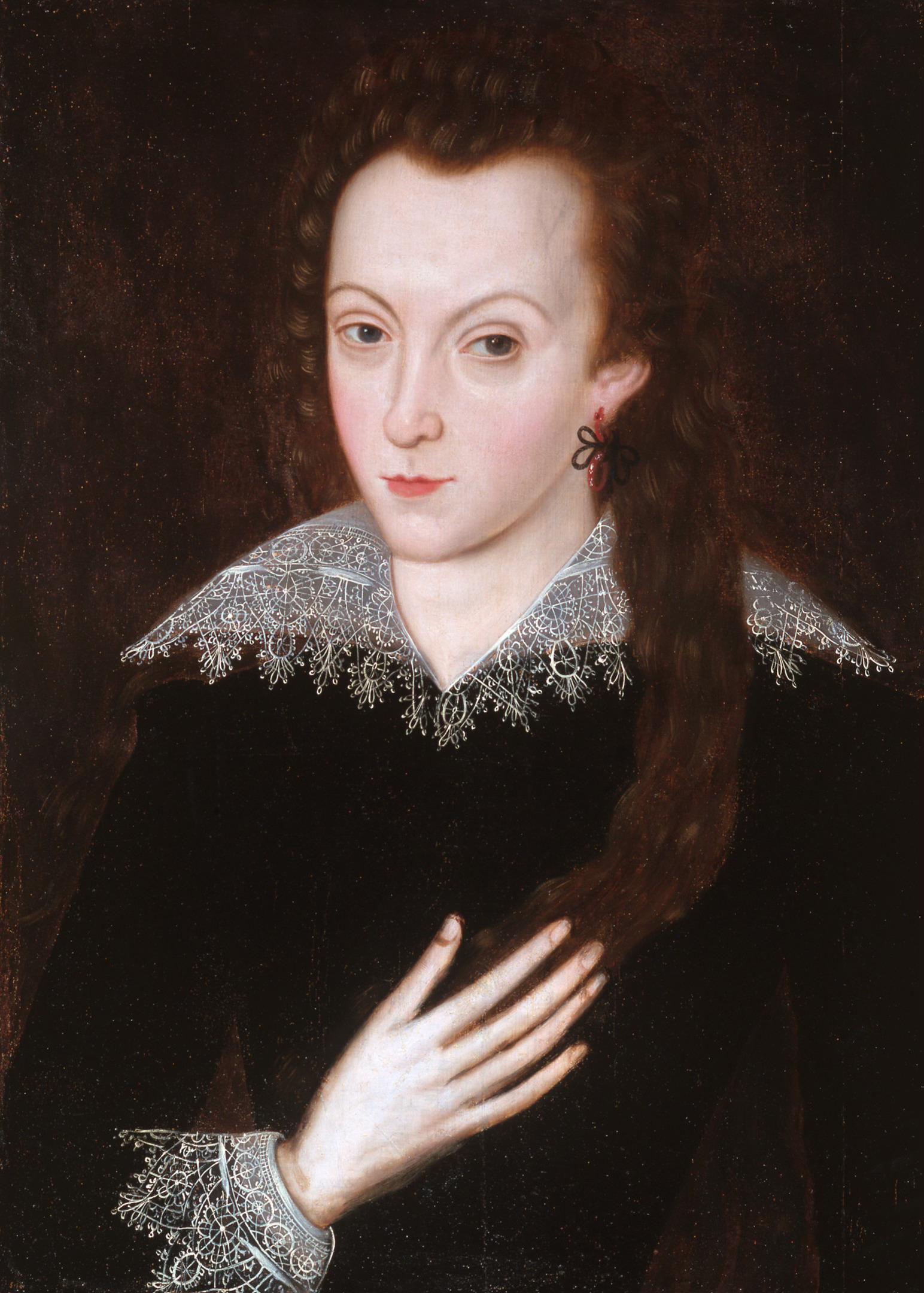
My book A Serpent In The Garden starts just as Will emerges from these ‘lost years’. He’s far from prosperous and struggling to write that difficult second play. Seeking the patronage of the young, rich and implausibly handsome, Earl of Southampton, Will is tasked to investigate the mysterious death of the Earl’s cousin, Lady Celia Vernon.
He then falls into the orbit of Queen Elizabeth’s spymaster, Sir Robert Cecil, who orders him to spy on, the Catholic Earl, his bitter enemy. Caught between two of the most powerful men in the kingdom, Will knows that a man cannot serve two masters.
How can he placate them both, while also uncovering the astonishing secret behind the untimely death of Lady Celia? Unlike Shakespeare’s lost years, the secrets of those turbulent times will all be revealed between the pages of A Serpent In The Garden •
This feature was originally published January 30, 2025.
A Serpent in the Garden
Canelo, 30 January, 2025
RRP: £18.99 | 356 pages | ISBN: 978-1804368770
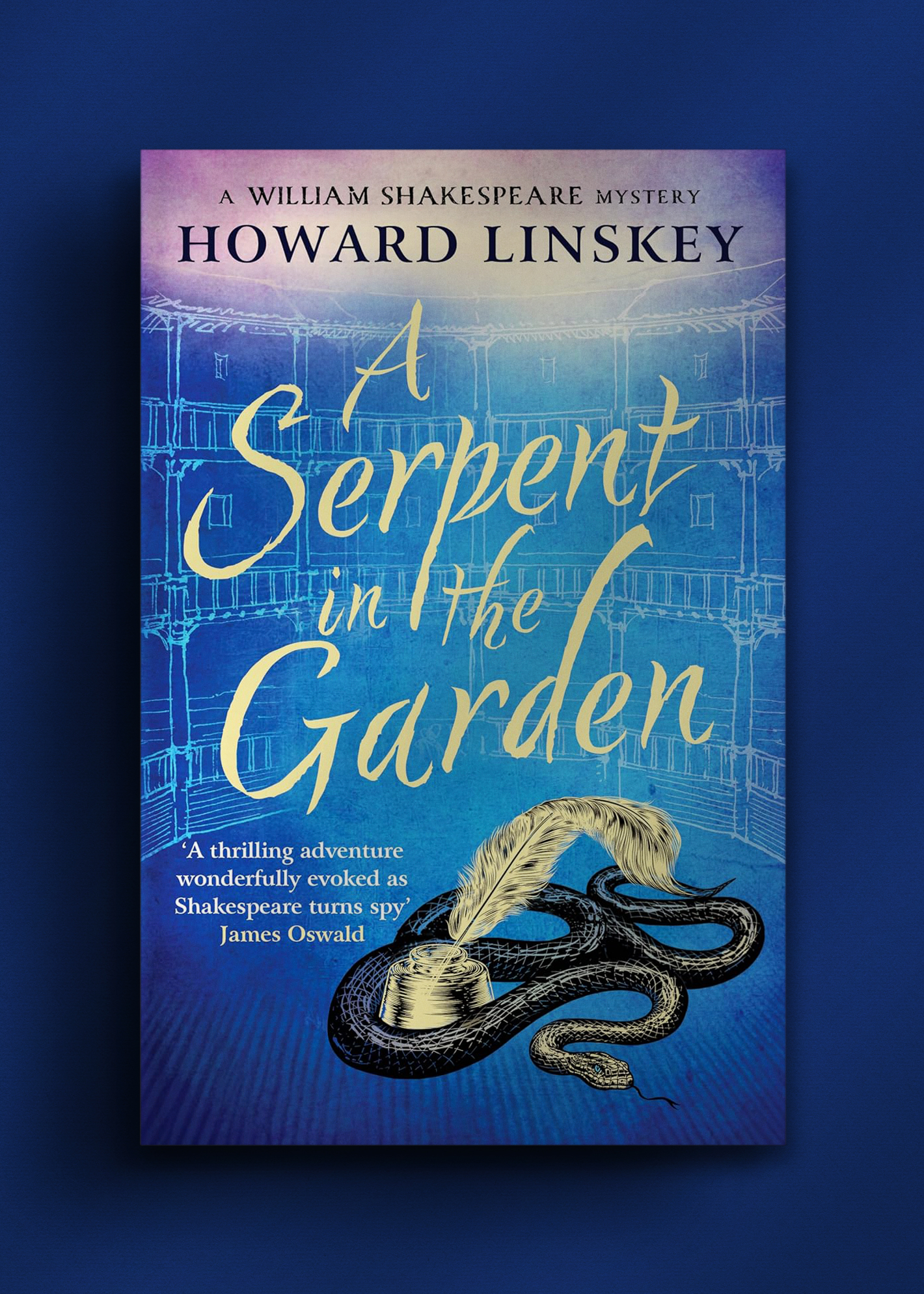
“A thrilling adventure wonderfully evoked as Shakespeare turns spy” – James Oswald
London, 1592. 28-year-old William Shakespeare is the rising man of English theatre. But plague has hit the capital, and the playhouses are to be shut. Livelihoods, and lives, are at stake.
Lady Celia Vernon is one of the first to perish but did she really die of plague? Her cousin, the Earl of Southampton, orders Will to discover the truth in a London filled with conspirators, cutthroats and traitors. The Queen's spymaster, Robert Cecil, suspects the Earl of treason and orders Will to spy on him in return.
Caught between two of the most powerful men in the kingdom, Will cannot possibly serve both masters, and could easily become the next victim of the killer he is trying to catch. With his future, safety and life on the line, Will uncovers a devastating secret, and changes the course of his, and the world’s destiny forever.
“Impressive... a delicious tapestry of intrigue and adventure”
― Crime Times
With thanks to Kate Shepherd.
📸 Dive into our Features
🎤 Read Interviews
🎧 Listen to Podcasts
🖼️ Buy fine art prints & more at our Store


