
Before the Tourists: The Unseen History of the Venice Ghetto
Harry Freedman on a 'dark and unhappy' chapter in Venetian history


The word 'ghetto' is today synonymous with the most anguished years of the twentieth century and the persecution of Jewish communities in central Europe.
These associations, however, are far from the word's original meaning. As Harry Freedman, author of Shylock's Venice, explains, 'ghetto' is a derivative of 'geto', Venetian for 'foundry'.
It was in a former Venetian foundary, in the early years of the sixteenth century, that the very first Jewish ghetto was established.
The history of this ghetto is often overlooked today. But as Freedman shows, we should not marginalise a place where the 'most vibrant Jewish centre in Europe' developed.

The Remarkable History of Venice's Jews and the Ghetto
For references please consult the finished book.
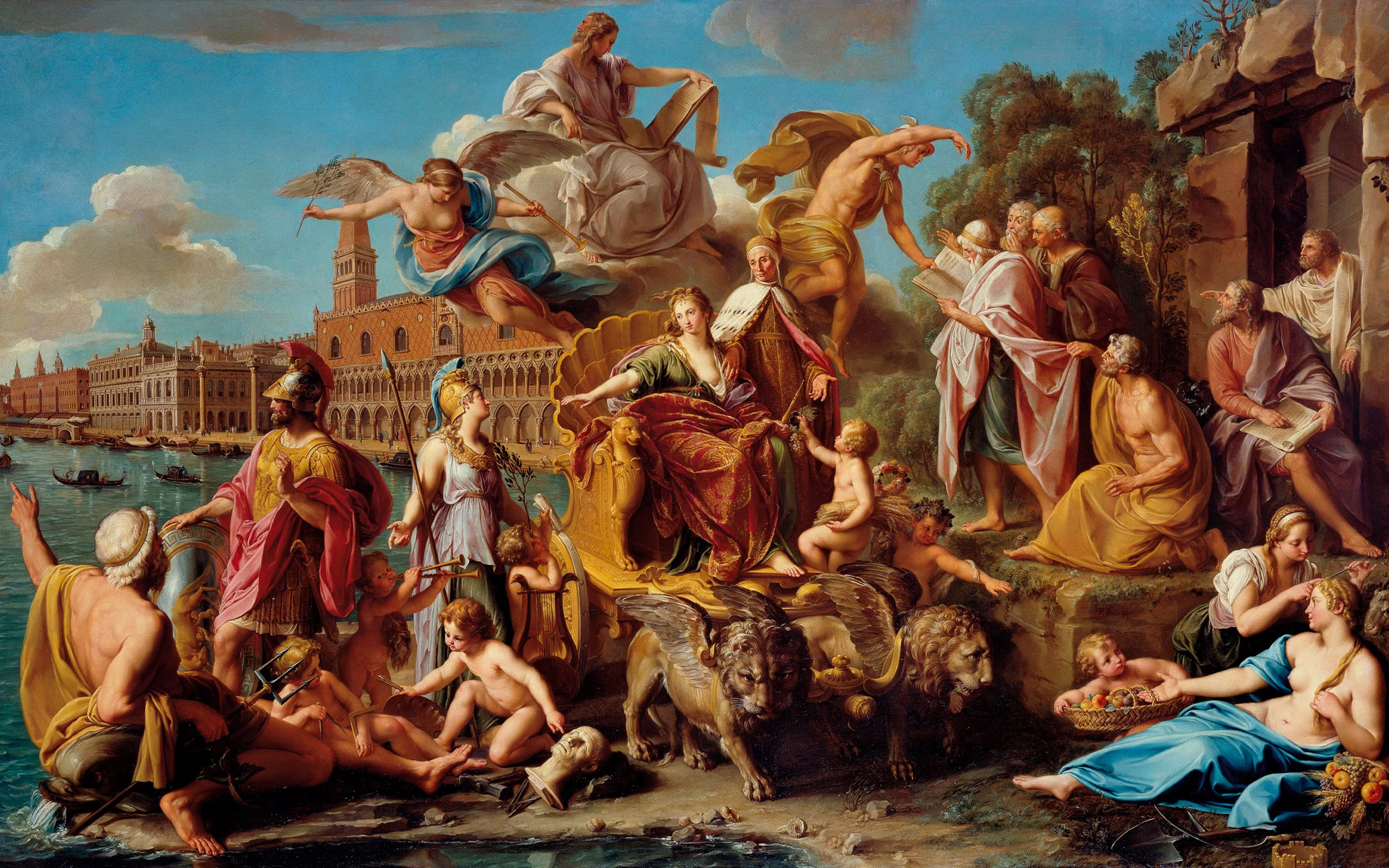
Thirty million tourists visit Venice each year, a city unrivalled for history, art, architecture and romantic waterways. Yet it is a city with a dark and unhappy past, one that very few tour guides will tell you much about, even if you ask them. Venice calls itself La Serenissima. Not all its inhabitants thought it particularly serene.
In the middle ages Venice was a wealthy and powerful republic, with borders extending beyond Padua and Verona to Bergamo in the west, up to the Friuli region in the north, and eastwards around the Adriatic all the way to the Dalmatian coast.
Like medieval European states, the republic’s rulers refused to allow Jews to reside in their capital city, on the island of Venice itself. They did allow Jews to live in the Republic’s mainland territories but restricted the work they could do; essentially the only permitted trades were pawnbroking and small scale money lending.
For commercial purposes only, they allowed Jews to enter the city of Venice for 15 days each year, obliging them to wear a yellow hat so that they could be distinguished from the rest of the population and warning them that, under no circumstances, were they to have sex with Christians.
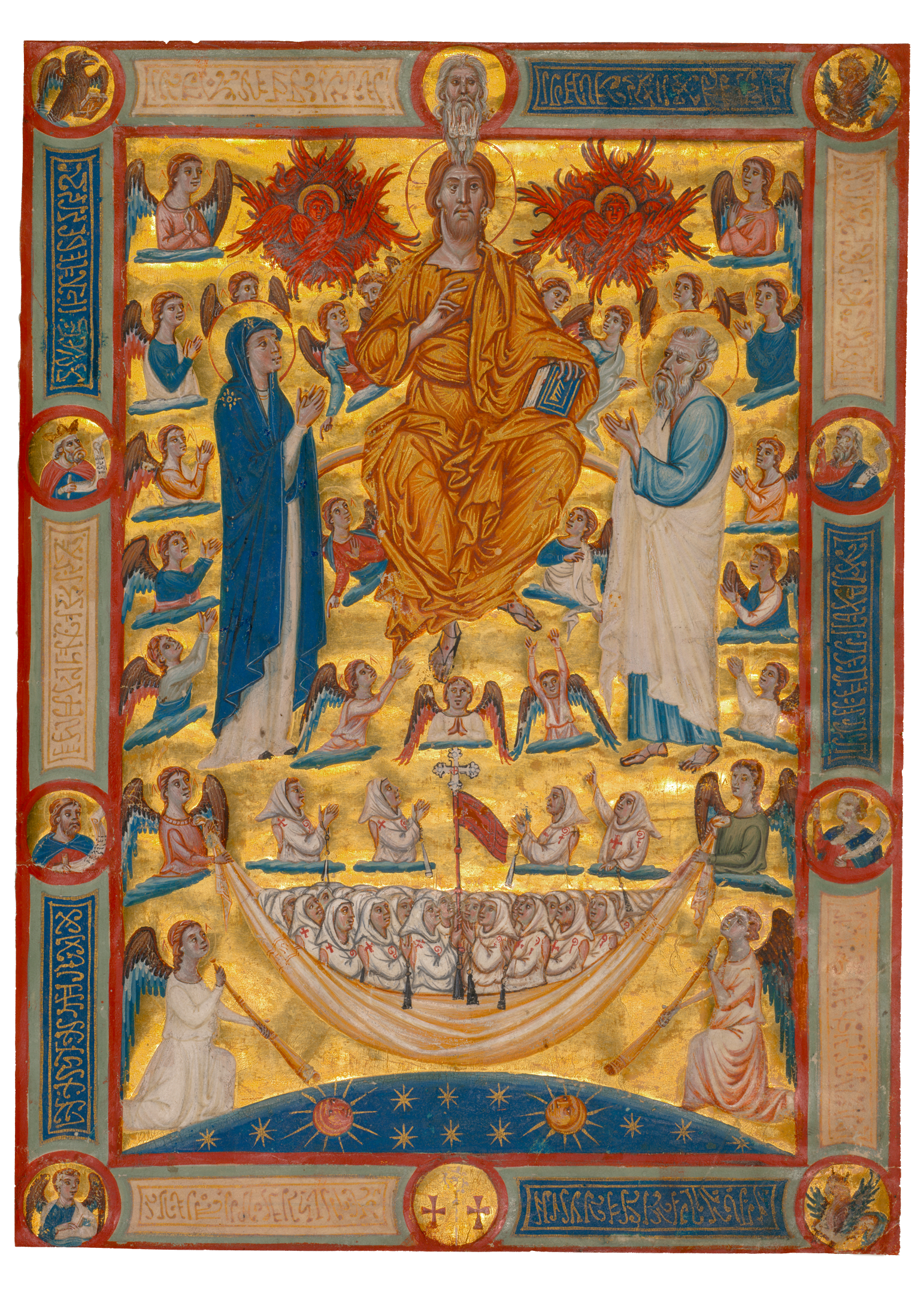
In 1509, the Venetian Republic was invaded by the forces of the League of Cambrai, an alliance between the Holy Roman Emperor, the King of France, the Pope and a host of smaller European states and principalities. Within two months all the principal towns on the Venetian mainland had surrendered and the Republic’s army had been pushed back to Mestre, the town closest to the city of Venice, on the opposite side of the lagoon.
Foreseeing a situation of this gravity, and conscious that if the Jewish pawnbrokers were ever taken captive the pledges and deposits they were holding would be lost, the Venetian Senate had recently granted the Jews a charter, allowing them to enter the island in the event of war. Now, with the League’s army at their backs, the Jews fled for their lives across the lagoon and into the city.
It didn’t take long for the financially astute Venetian authorities to recognise the economic advantages of letting them stay. The Jewish pawnbrokers were holding dozens of pledges, deposited by their clients in return for loans. It made far more sense to keep them in the city with their deposits, rather than have them go back to the mainland where they ran the risk of being plundered should another invading army rampage through.
It was also more convenient for the poor of Venice to borrow money on the spot, rather than putting up with the time and bother of travelling across the lagoon. And most importantly of all, as far as the Senate was concerned, was that they could tax the Jews heavily for the privilege of residing in the city. In 1511 they levied a collective tax on the Jews of 5,000 ducats, at a time when a labourer might earn one ducat a week and the rent on a typical family dwelling was around 25 ducats a year.
The presence of Jews in the city did not go down well with the local Catholic preachers. They were used to living in a city without Jews; they were offended by their presence, railed against them in their sermons, and insisted to the Senate that they be expelled.
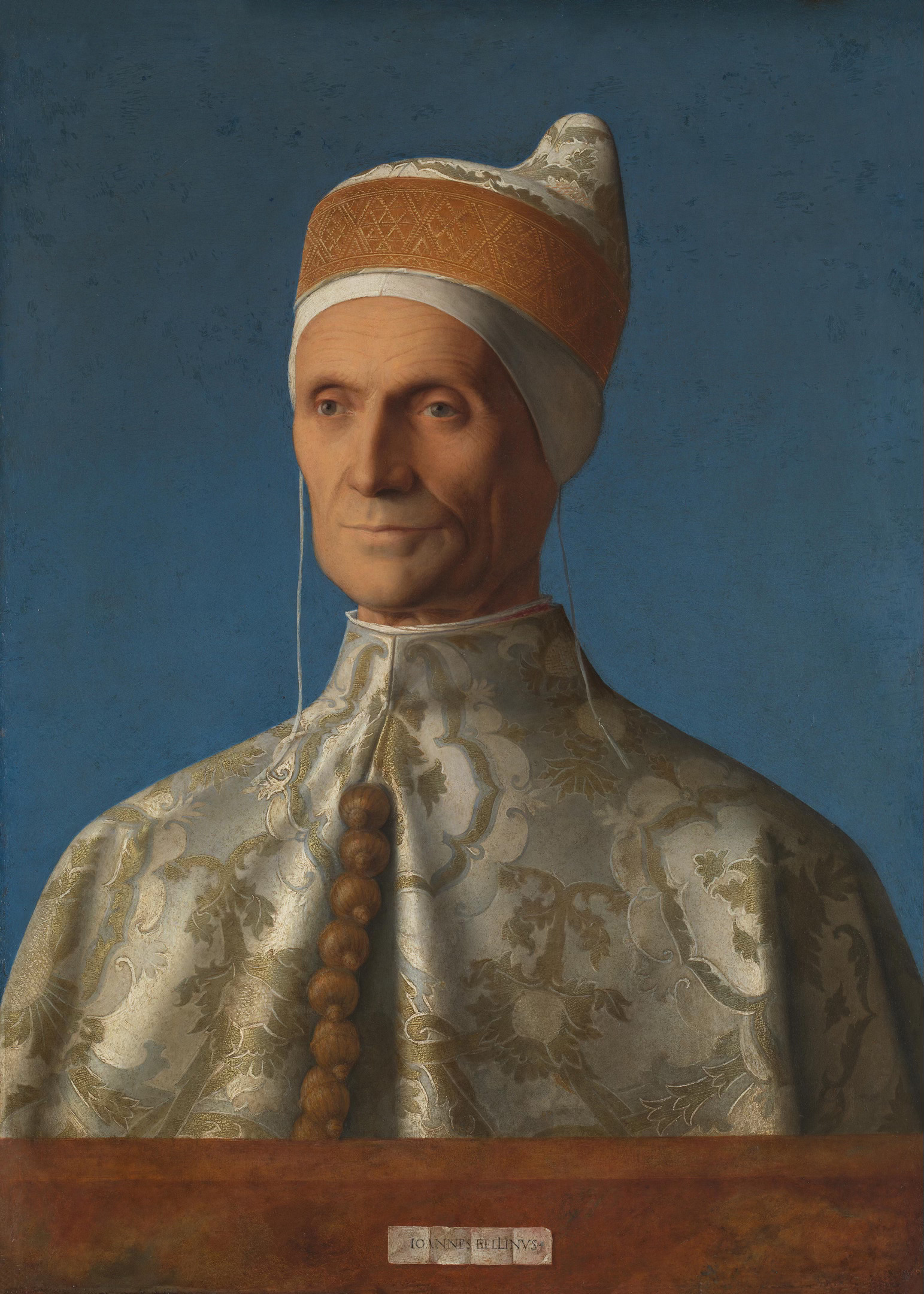
Torn between the demands of the Church and their own pecuniary advantage, the authorities tried to find a middle way. The solution they hit upon was to allow the Jews to remain, but, as far as possible, to keep them out of sight.
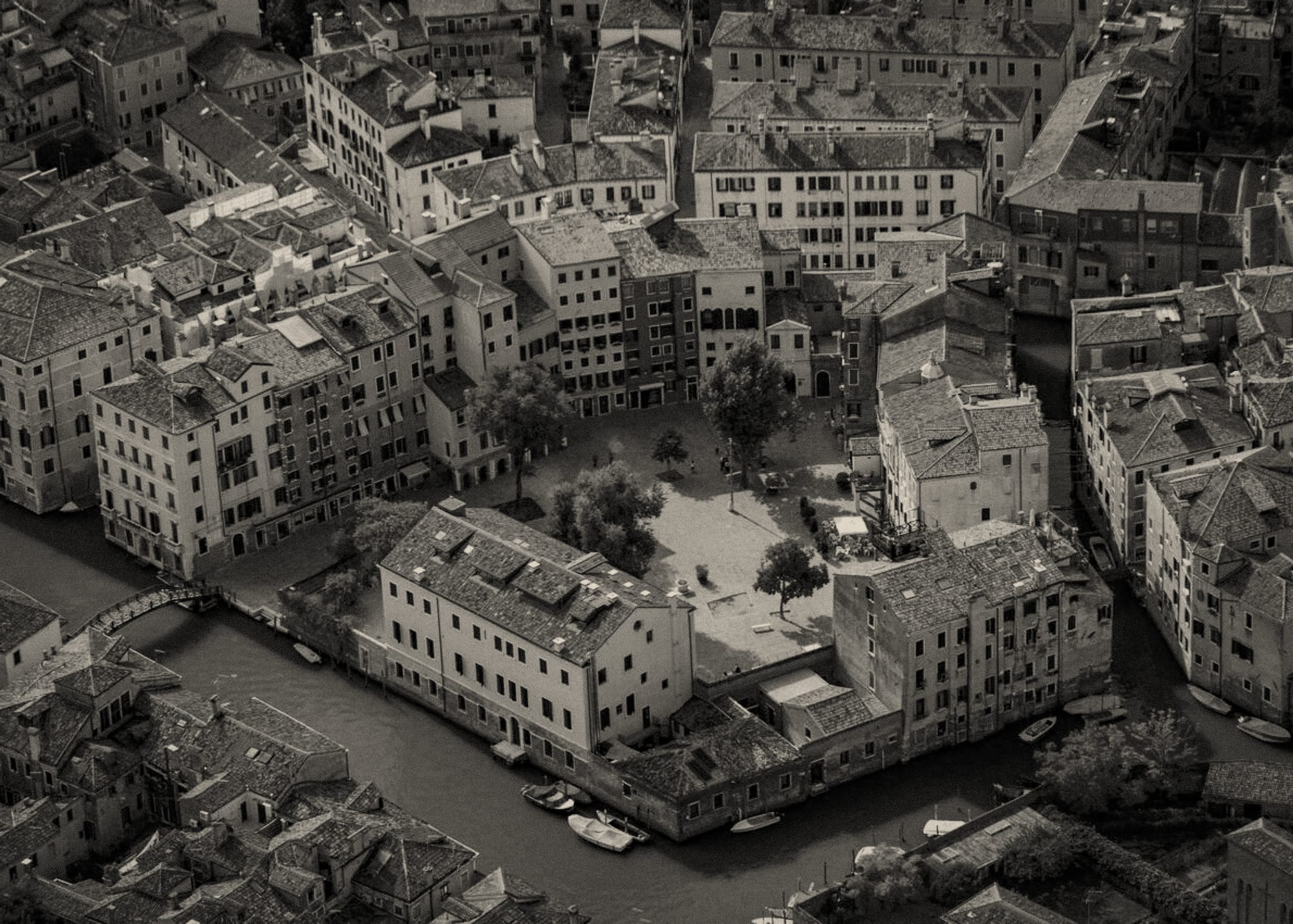
In 1516 they appropriated a former copper foundry on the northern edge of the city. They turned it into a segregated compound, surrounded by walls and canals, where Jews would be shut in at night. There was just one exit, through gates that were to be locked from dark until dawn. Four Christian sentries were employed to guard the gates, with the Jews ordered to pay their salaries.
The Venetian word for a foundry is geto; the Jews, pronouncing it with a hardened ‘g’, called it ghetto. The Venice ghetto was the first in the world, the word ghetto comes from Venice.
Seeing the ghetto for the first time was unlikely to have lifted the spirits of its new residents. Four rows of houses, built in a square around a large, enclosed space or campo, ‘a field surrounded by buildings’, in the words of one Venetian writer, made it feel more like a fortress than a city space.
The narrow brick houses were too few to accommodate everyone comfortably. Although the Jews of Venice at the time numbered only a few hundred, the population density of the ghetto was at least twice that of the rest of the city.
Almost as soon as they moved in, families started to divide and subdivide their tiny apartments to give themselves as much privacy as possible. They used timber partitions rather than brick, so as to minimize the load on the uncertain watery subsoil.
In time, unable to extend their properties outwards due to lack of space they would build upwards, into towering, tottering terraces seven or eight storeys high. Squeezing as many people as they could into the available space was their only option.
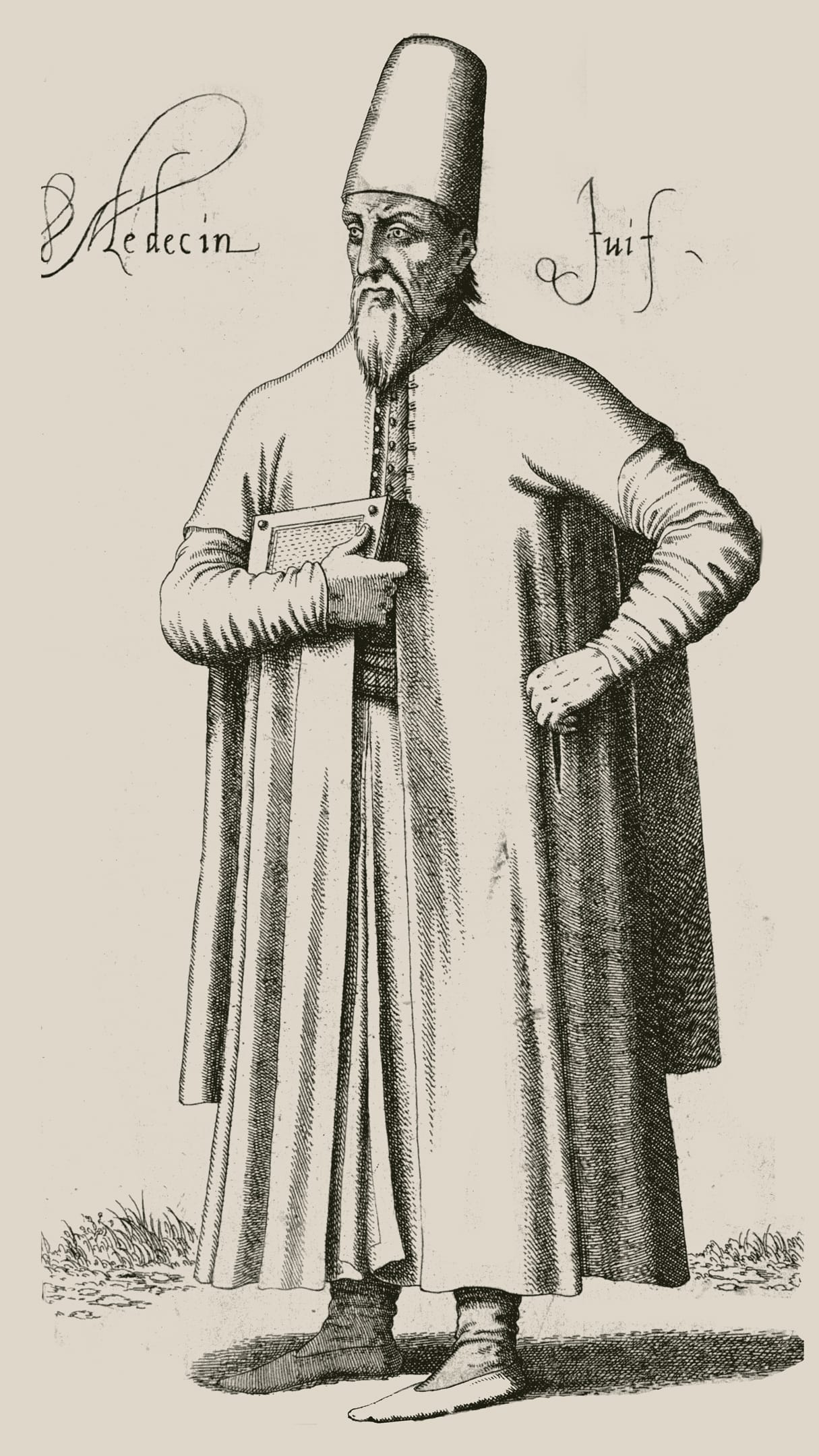
The overcrowding made living conditions even more unsanitary than the poor quality of the housing alone could account for. Small apartments accommodated ten or more people, many dwellings had no latrines or fireplaces.
The authorities insisted that all windows looking out onto the canals or the city be blocked up, so that Jews could not poison the Venetians with their gaze. The campo itself was unpaved and undrained; there was mud, dirt and excrement everywhere. The stench was described as unbearable.
And yet, segregation apart, the Christians in the city and the Jews of the ghetto got on relatively well. The Christian printer Daniel Bomberg produced Hebrew books in a printshop where Jews and Christians worked together in harmony.
In his autobiography, the 16th century Venetian rabbi, Leon Modena, described friars, priests and noblemen coming into the ghetto from across Venice to listen to his sermons.
Intellectually and creatively the ghetto flourished. It became the global heart of Jewish culture during the 16th and 17th centuries, the most vibrant Jewish centre in Europe. The atmosphere in the Venice ghetto was very different from its counterpart in Rome, built some years later, where Jews were forced to congregate in a church once a year to hear preachers persuading them to convert to Christianity.
The cultural life of the ghetto was not restricted to men. Sara Copia Sulam was one of Italy’s most important early modern poets. She opened a literary salon in her ghetto home; among the writers, artists and poets who regularly attended were an archdeacon and a Venetian senator. The salon’s agenda covered every aspect of art and culture; at their various meetings the members of the salon might decide to read poetry or literature, discuss politics, perform plays, discuss philosophy or play music.
Although the Venice Ghetto is a dark stain on European history, the cultural revolution that took place there may never had happened had the Jews not been segregated. The ghetto was squalid, but it became home to a rich variety of people, philosophers, doctors, rabbis, dancers, musicians, printers, kabbalists, merchants, false messiahs, travellers and pawnbrokers, all with their own stories, all talking to each other, all learning and broadening their horizons. It was inevitable that, with such a variety of people living in such close proximity, the ghetto would become a vibrant and fascinating place, where ideas and culture flourished.
The gates of the Venice ghetto were finally torn down when Napoleon conquered Venice in 1797. But the dark days were not yet over. When the Nazis entered Venice in 1943 they ordered Guiseppe Jona, the president of the Jewish community, to hand over the names of all 1,300 Jews living in the city.
They gave him two days to do so. He spent the time destroying every single document he could find relating to the Jews. He warned them all to escape if they could, if not, he told them to hide.
When he had done as much as he believed he could do, he wrote his will and committed suicide. The Nazis never got their list of names. Two days later, when they raided the ghetto they found just over 100 people. Giuseppe Jona had taken his own life to save more than 1,000 others •
This excerpt was originally published April 23, 2024.
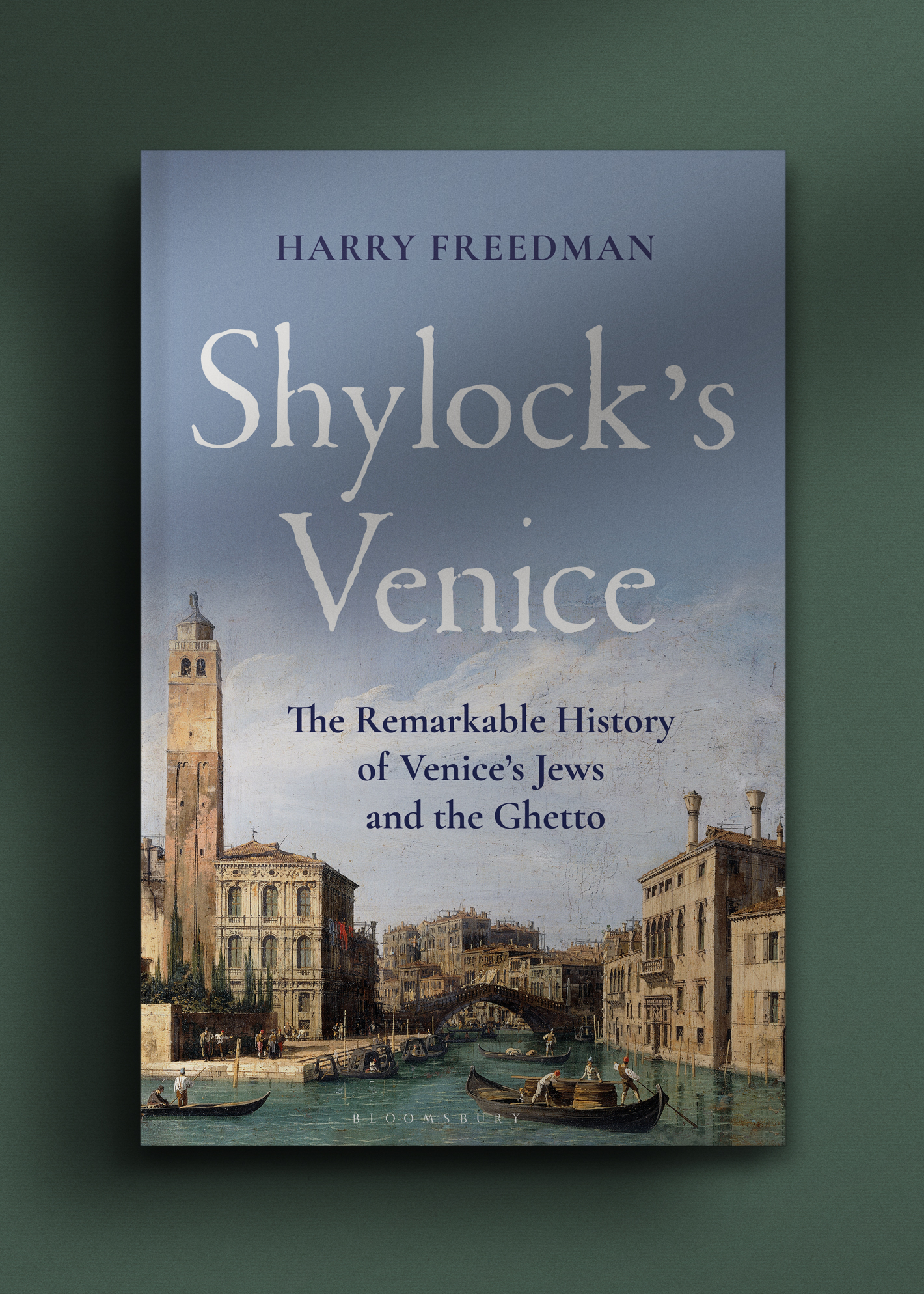
Shylock's Venice: The Remarkable History of Venice's Jews and the Ghetto
Bloomsbury Continuum, 15 February, 2024
RRP: £20 | ISBN: 978-1399407274
“[A]n admirable job of compiling an anecdotal account of the cultural achievements of Jews who lived and worked [in the ghetto].”– Times’ Literary Supplement
The thrilling story of the Jews in Venice - and the truth behind one of Shakespeare's most famous characters.
Millions of visitors flood to Venice every year. Yet many are unaware of its history - one of dramatic expansion but also of rapid decline. And essential to any history of Venice during its glory days is the story of its Jewish population. Venice gave the world the word ghetto. Astonishingly, the ghetto prison turned out to be as remarkable a place as the city of Venice itself.
With sound scholarship and a narrator's skill, Harry Freedman tells the story of Venice's Jews. From the founding of the ghetto in 1516, to the capture of Venice by Napoleon in 1797, he describes the remarkable cultural renaissance that took place in the Venice ghetto. Gates and walls notwithstanding, for the first time in European history Jews and Christians mingled intellectually, learned from each other, shared ideas and entered modernity together. When it came to culture, the ghetto walls were porous.
Any history of Venice and its Jews also can't avoid the story of Shakespeare's Shylock. The cultural and political revival in the Venice ghetto is often obscured from history by this fictional character. Who, we wonder, was Shylock? Would the people of Venice have recognized him and what did Shakespeare really think of him? Shakespeare's ambivalent anti-Semitism reflects attitudes to Jews in Elizabethan England - but as Freedman demonstrates, Shakespeare's myth is wholly ignorant of the literary, cultural and interfaith revival that Shylock would have experienced.
“A detailed history of the Jewish community in Venice. thorough, careful, and illuminating research”
– New York Journal of Books
“Well documented, lucid and readable”
– The Tablet
With thanks to Lizzie Dorney.
📸 Dive into our Features
🎤 Read Interviews
🎧 Listen to Podcasts
🖼️ Buy fine art prints & more at our Store


