
The African Emperor
Simon Elliott on the enchanting story of Septimius Severus


Simon Elliott has spent the last years reconstructing the life of the Roman Emperor Septimus Severus.
Here he makes the case for him as an astonishing and consequential figure in ancient history and, perhaps, 'the most powerful person ever born in Africa'.

Septimius Severus was the Roman Empire’s African emperor. Born in the blazing heat of a Libyan spring in Leptis Magna in AD 145, his story arc is truly astonishing, ending with his death in the freezing cold of a northern British winter in York in February AD 211.
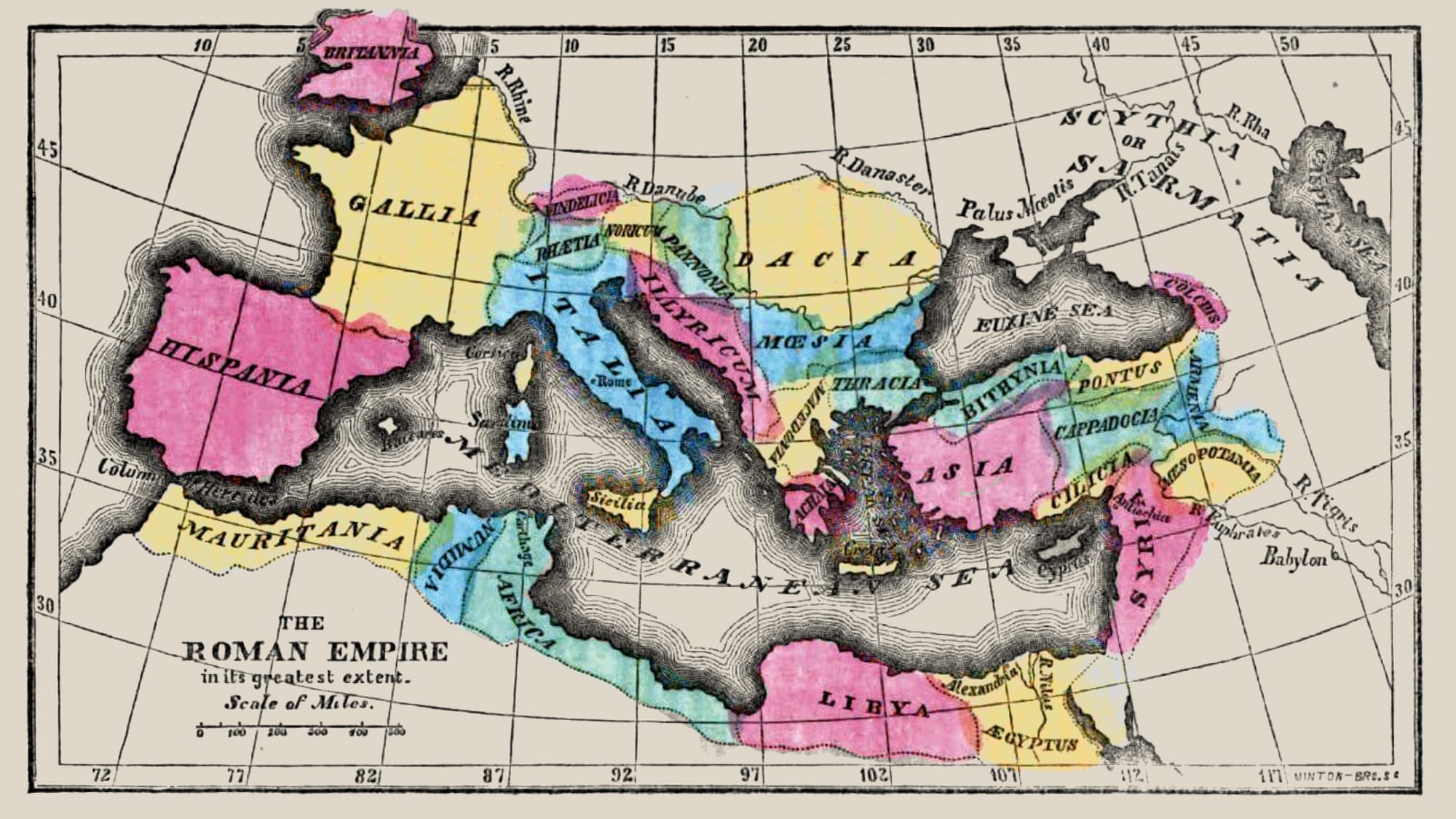
Severus's career is one of superlatives. Ruling at the height of Roman military power, he commanded more legions than any other emperor. Further, under his rule permanent Roman territory was expanded to its greatest extent.
Given this martial prowess, I believe that he was the most powerful person ever born in Africa, based purely on military and political agency.
The legions certainly played a key role in his story. Across its vast territory the Roman empire was always at war. Even in times of relative peace, which were few in Severus’ reign, conflict could always be found.
He understood this better than most, in his case from the very beginning of his reign when he rose to power at the point of a sword in AD 193, the last man standing in the ‘Year of the Five Emperors’.
Severus never forgot his military roots, famously telling his squabbling sons Caracalla and Geta on his deathbed to ‘…be of one mind, enrich the soldiers, and despise the rest.’
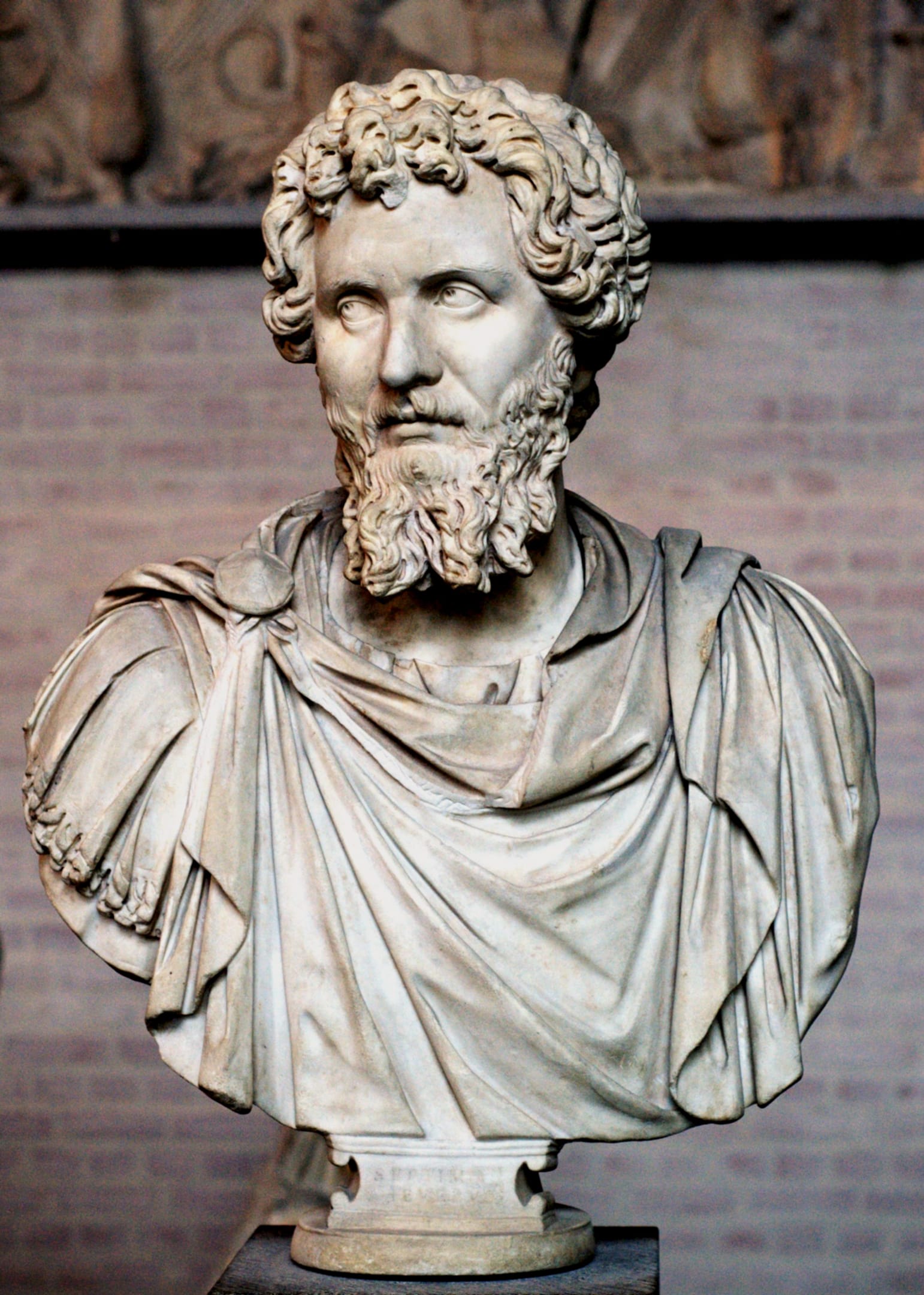
Throughout his life Severus stayed true to his African heritage. Dark skinned, he ensured he was portrayed this way in contemporary portraiture. While in his time this was unimportant in what was a largely Mediterranean empire, in our world today it can be.
Severus’ father’s line were Punic, meaning that they were originally Phoenician colonists in North Africa from the Levant. His mother’s line was Italian. He seems to have favoured his Punic lineage. For example, even in politest Roman society amid the patricians in the imperial capital, he chose to maintain his strong North African accent.
Then, once in power, he swiftly promoted North Africans at every opportunity to key positions of authority. This is not surprising given, as I have seen in my own research trips, this was the richest part of the empire, with a proud cultural heritage to match anything in Rome, Athens or Alexandria.
Severus used his North African upbringing as the template for what I think of as the Severan reset, this the first major post-Augustan reformation of the Roman world. It established the Severan dynasty which lasted over 40 years.
Such was the scale of this reorganization, which some go further and call a hostile takeover, that it was not repeated again until the accession of Diocletian over 90 years after Severus became emperor.
Meanwhile, Severus was not a shy man, monumentalising his rule across the empire at every opportunity. He visited, and fought in, every region. When he did, he left a mighty legacy in the built environment.
Many of these sites I have visited personally, following in the footsteps of his travels. Intriguingly, given the popular focus on the likes of Julius Caesar, Trajan and Hadrian, this urban Severan legacy often hides in plain sight, with few aware of it.
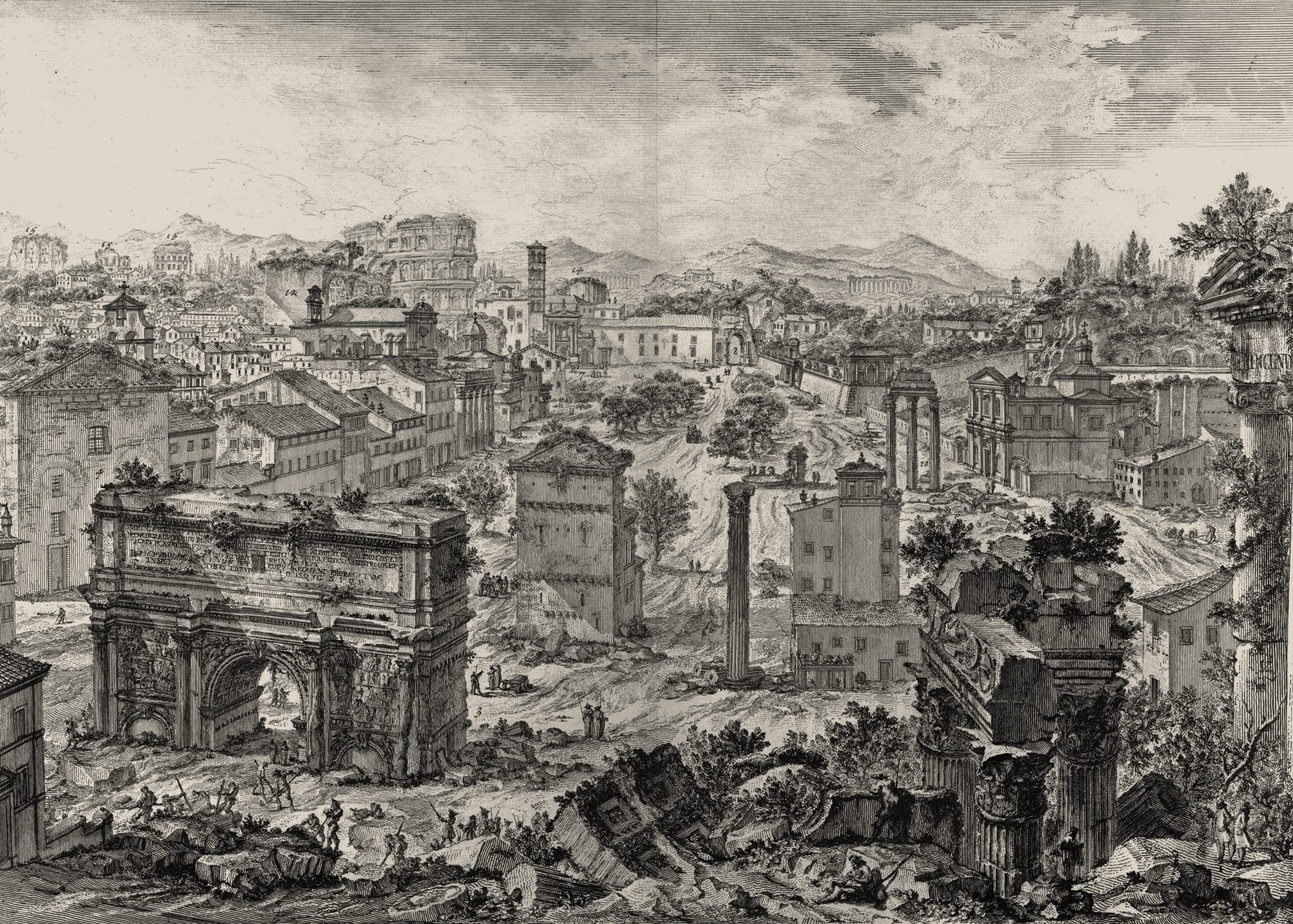
Yet the high-profile examples are many in number. Think of forum Romanum in Rome where much is Severan, as are many surviving areas of the imperial palace on the Palatine Hill, the monumental Baths of Caracalla (which would have been called the Baths of Severus had he lived to see the enormous bathing complex completed) and the lovely Temple of the Vesta.
Elsewhere in Europe, the presence of Severus is writ large from east to west. Even in far off London, provincial capital of troublesome Britannia, the land wall that still defines the City today is Severan, while in York one can actually stand close to where he perished in the legionary fortress praetorium, now the undercroft of today’s Minster.
Meanwhile, in his native North Africa, every city and town has a highly visible Severan phase, whether in the soaring snow-capped Atlas Mountains or along the arid Saharan fringe.
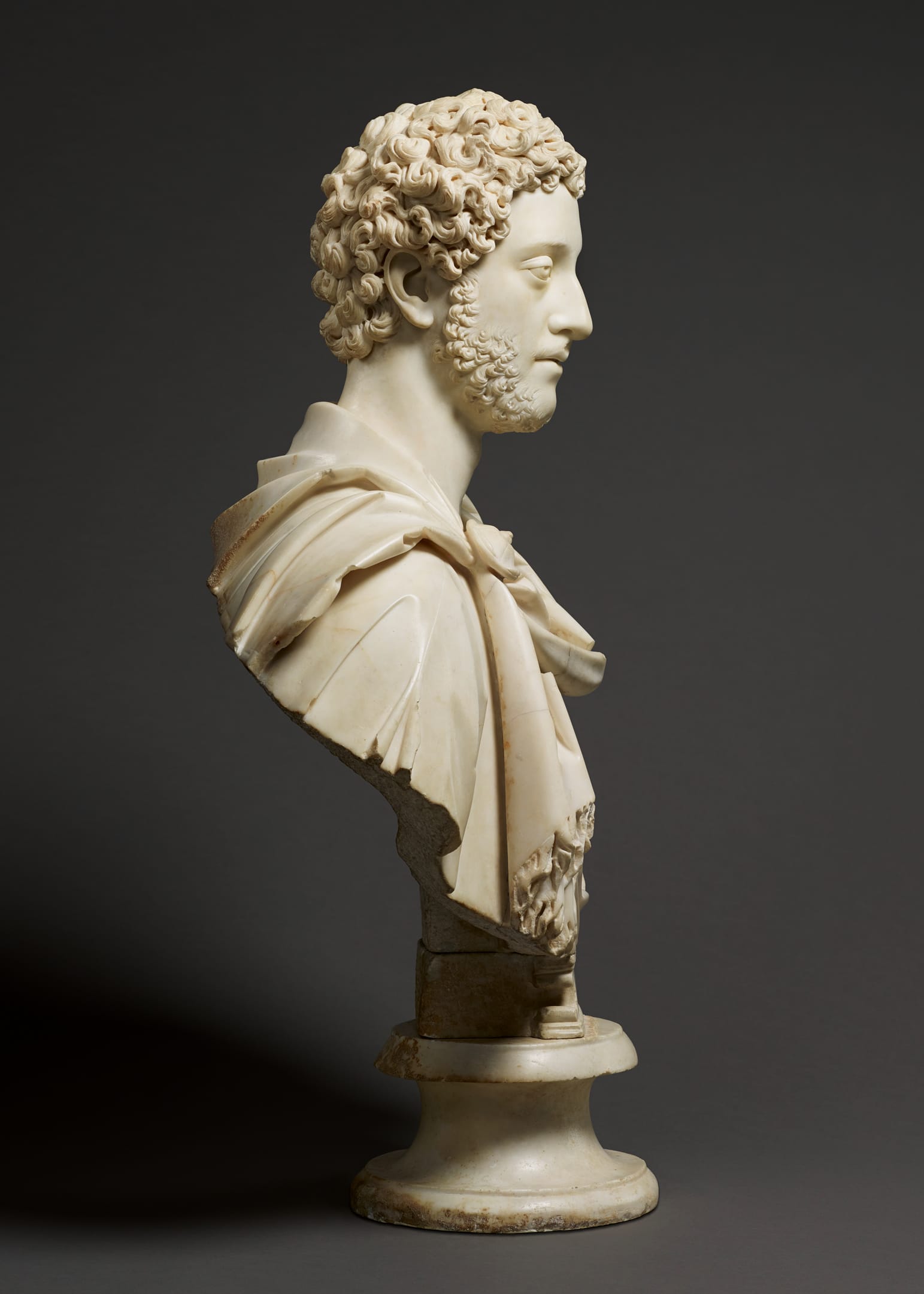
The story of Severus also features a dramatis personae fit to dazzle any historical epic. Think of Marcus Aurelius, the philosopher emperor, and Commodus, his mad and bad son. Then there is Publius Helvius Pertinax, the son of a manumitted slave who became Roman emperor and was Severus’ friend and mentor.
As well as these are Decimus Clodius Albinus and Pescennius Niger, British and Syrian governors respectively, and Severus’ former brothers in arms in the Marcomannic Wars. Both were destined to fight him tooth and nail for the throne in epic confrontations across the empire.
Also Didius Julianus and Flavius Sulpicianus, scandalous bidders for the imperial throne when auctioned by the Praetorian Guard, truly one of the lowest points in imperial Roman history.
Then, last but not least, his own family. Foremost was Julia Domna, his second wife and love of his life. She was a leading figure across the Roman world in her own right, and together they were the power couple of their age.
Finally comes their two sons, the psychotic Caracalla and unfortunate Geta, destined to live a spiral of bitter rivalry ending in the most sanguine way within a year of Severus's demise. Here, the former had the latter murdered, he bleeding to death in Julia Domna’s arms.
Sadly that set the tone for the rest of the Severan dynasty. Caracalla himself was assassinated while relieving himself against a tree in AD 217. Macrinus (not a blood relative but a short-term usurper when Praetorian prefect) was then executed, Heliogabalus killed along with his mother, and finally Severus Alexander who shared the same fate. Such was the grim end for a dynasty of which Septimius Severus was very much the high point.
What followed was the ‘Crisis of the Third Century’ when the empire almost imploded under the weight of numerous civil wars, usurpations, foreign invasion and plague. It then took another strong man to drag the Roman world kicking and screaming back from the brink. This was Diocletian who acceded to the throne (again at the point of a sword) in AD 284. I feel sure Severus himself would have greatly approved •
This feature was originally published September 23, 2025.
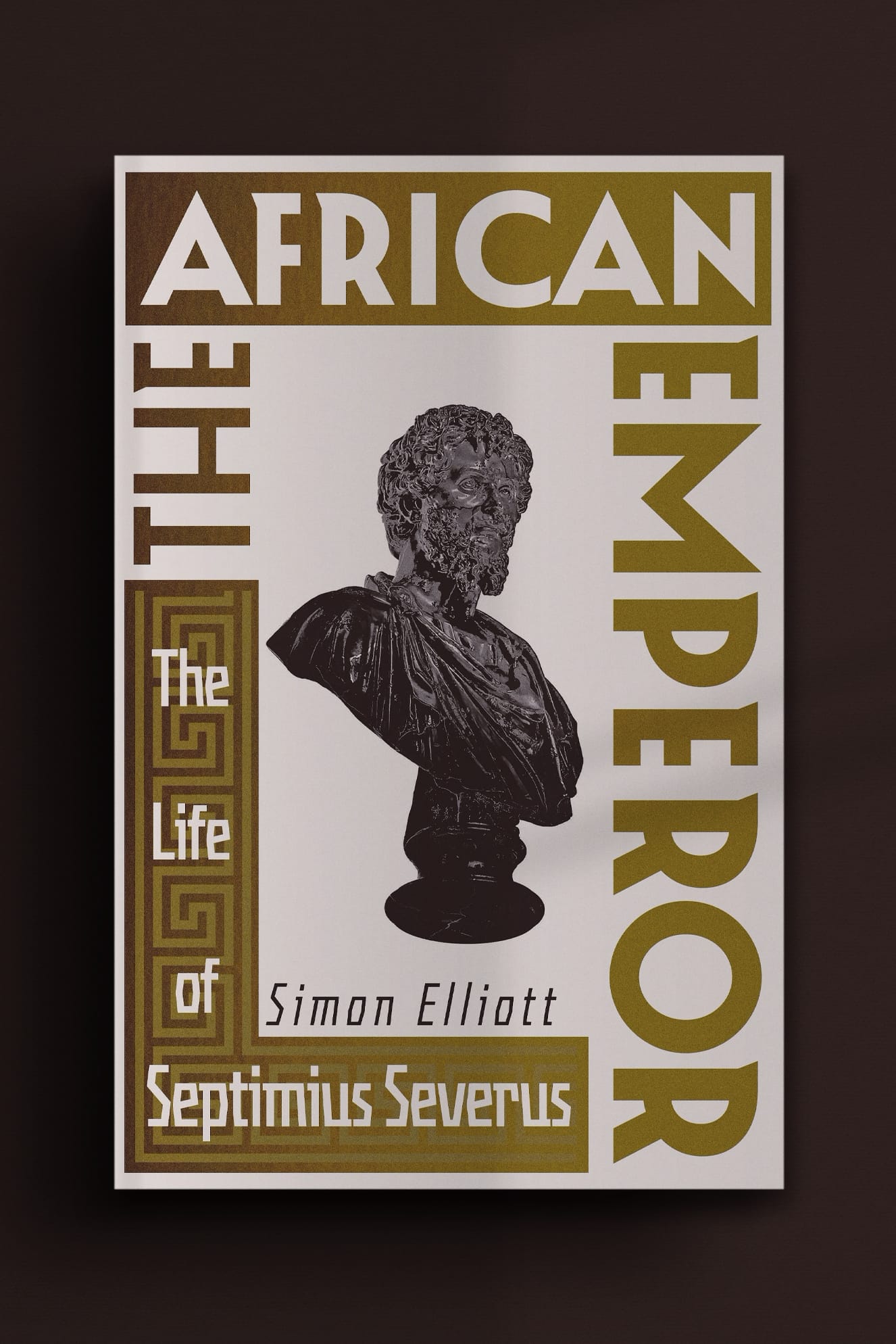
The African Emperor: The Life of Septimus Severus
Icon, 11 September, 2025
RRP: £25 | ISBN: 978-1837731725
“Another corner of the Roman world illuminated by Elliott” – Dan Snow
Septimius Severus was Rome's black emperor. Born in the blistering heat of a North African spring in Leptis Magna, AD 145, he died in the freezing cold of a northern British winter in York in AD 211. A giant of an emperor, whose career can be counted in superlatives, Severus was in power at the height of Rome's might. He led the largest army to ever campaign in Britain, comprising 50,000 men, part of a Roman military establishment which peaked at 33 legions under his rule.
Born into the richest family, in the richest part of the Roman Empire, Severus monumentalised his rule across the empire. He visited - and often fought in - every region. Where he did, he left a mighty legacy in the built environment, for example in Rome where much of the forum Romanum and most of the imperial palaces are Severan. In North Africa, his hometown of Leptis Magna is all Severan, as are the Roman cities in the Atlas Mountains. In London, the land walls that still define the City's Square Mile were delineated under his rule. Visitors to the undercroft at York Minster can stand where he died.
Septimius Severus was one of the greatest warrior emperors, a hard man who almost died in battle several times and whose attitude is reflected in his deathbed advice to two sons: 'Be of one mind with your family, enrich the soldiers, and despise the rest.'
“A brilliant account of a great Emperor who brought a distinctive African insight to the continental Roman way of war. Severus exploited the advantages that flowed from command of the sea, critically so in his last campaign, when his brilliant use of naval power laid the foundations for a British sea empire, one that would follow in the footsteps of Carthage”
– Andrew Lambert
“A seminal work. Elliott has produced not only the most comprehensive account of the life of one of Rome's most important emperors, but critically, rather than just biographising Severus, he puts his reign into perspective with an exploration of race and society in second and third century Rome. A must-have biography for any student of ancient Rome”
– Simon Turney
With thanks to Amelia Kemmer.
📸 Dive into our Features
🎤 Read Interviews
🎧 Listen to Podcasts
🖼️ Buy fine art prints & more at our Store


.jpg?ref=unseen-histories.ghost.io)