
1924: The Death of Lenin
On 21 January 1924, the Soviet leader Vladimir Lenin died. Here's how the news was reported in Britain.


“He showed himself cold, pitiless, and devoid of all sentiments, and ruthless in attempting to force his tenets on Russia and the whole world”
On Monday 21 January 1924, after a prolonged spell of ill health, Vladimir Lenin slipped into a coma and passed away. The following day the Soviet government confirmed his death.
Here is how the news was reported by the British press.
Words by Peter Moore
Photographs Remastered and Colourised by Jordan Acosta

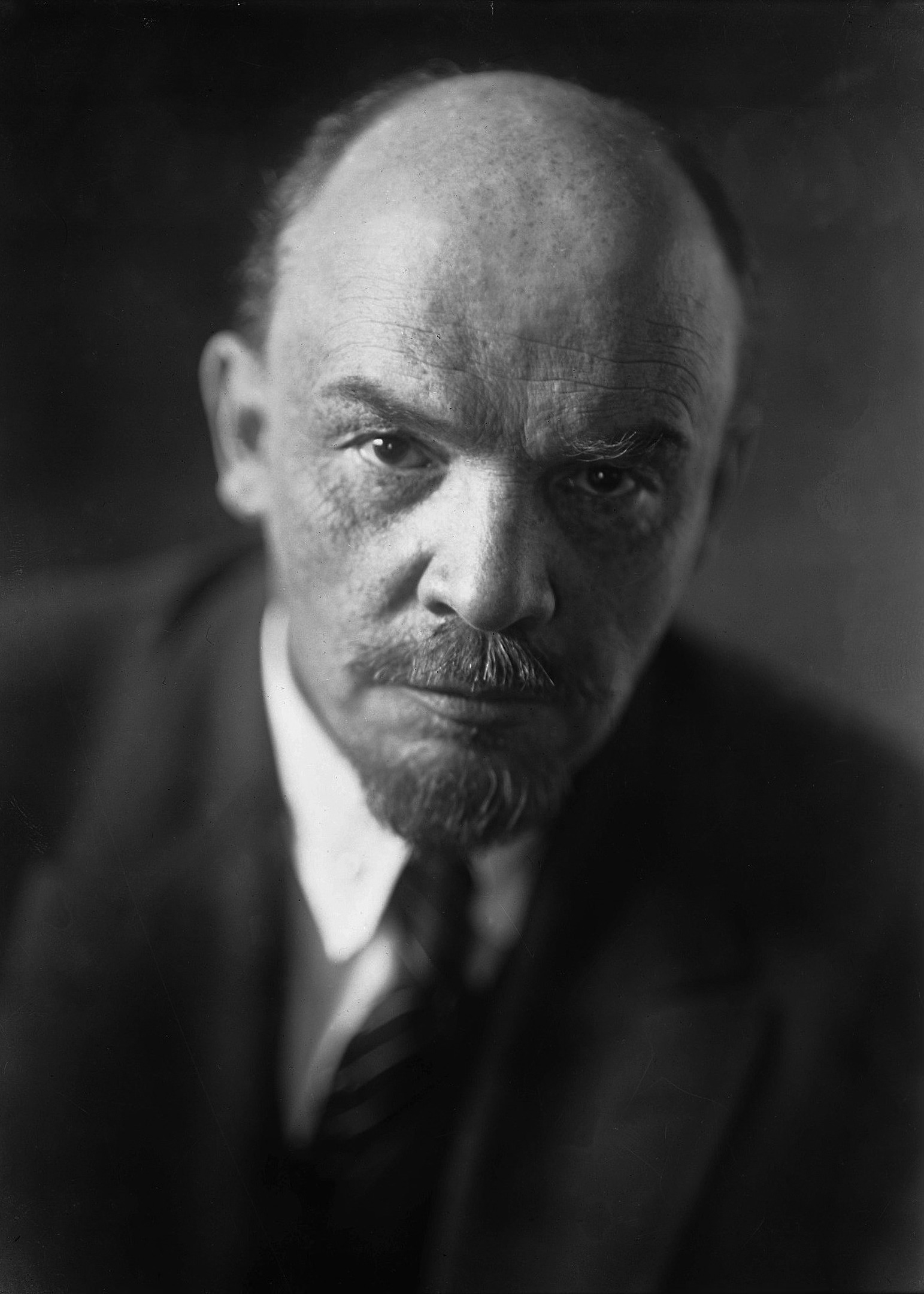
23 January 1924
Lenin, the Russian Bolshevist leader, is dead. Rumour had several times previously announced his decease; but the latest messages apparently put it beyond doubt that his death took place near Moscow on Monday evening.
Additional confirmation comes in the form of a communication received by Reuter’s Agency yesterday evening from the Russian Trade Delegation in London. This stated: —
Lenin died on 21st January, at 6-50 p.m., in the hills near Moscow. The doctors’ bulletin said—
“On 21st January the state of health of Vladimir Ilich (Lenin) suddenly took a sharp turn for the worse. At 5-30 p.m. the breathing became difficult. He lost consciousness and expired at 6.50 p.m. from paralysis of the reparatory centres.”
A Russian Government communique says— “There was no indication that the end was near. Of late there had been a considerable improvement in the state of health of Vladimir Ilich. All the signs were that his health would continue to improve. Quite unexpectedly yesterday the 21st, there was a sharp change for the worse, and some hours later he breathed his last.
[...]
The widest masses of the toilers of the whole world will lament the loss of their greatest leader. He is no longer amongst us, but his work remains unshakeable. Expressing the ill of the toiling masses, the Soviet Government will continue the work of Vladimir Illich, marching steadily upon the path he traced out. The Soviet Government stands firm at its post, watchful over the conquests of the proletarian revolution.”
The body will arrive in Moscow to-day, and will lie in state in the Trade Union Palace until the funeral, which has been fixed for Saturday next.
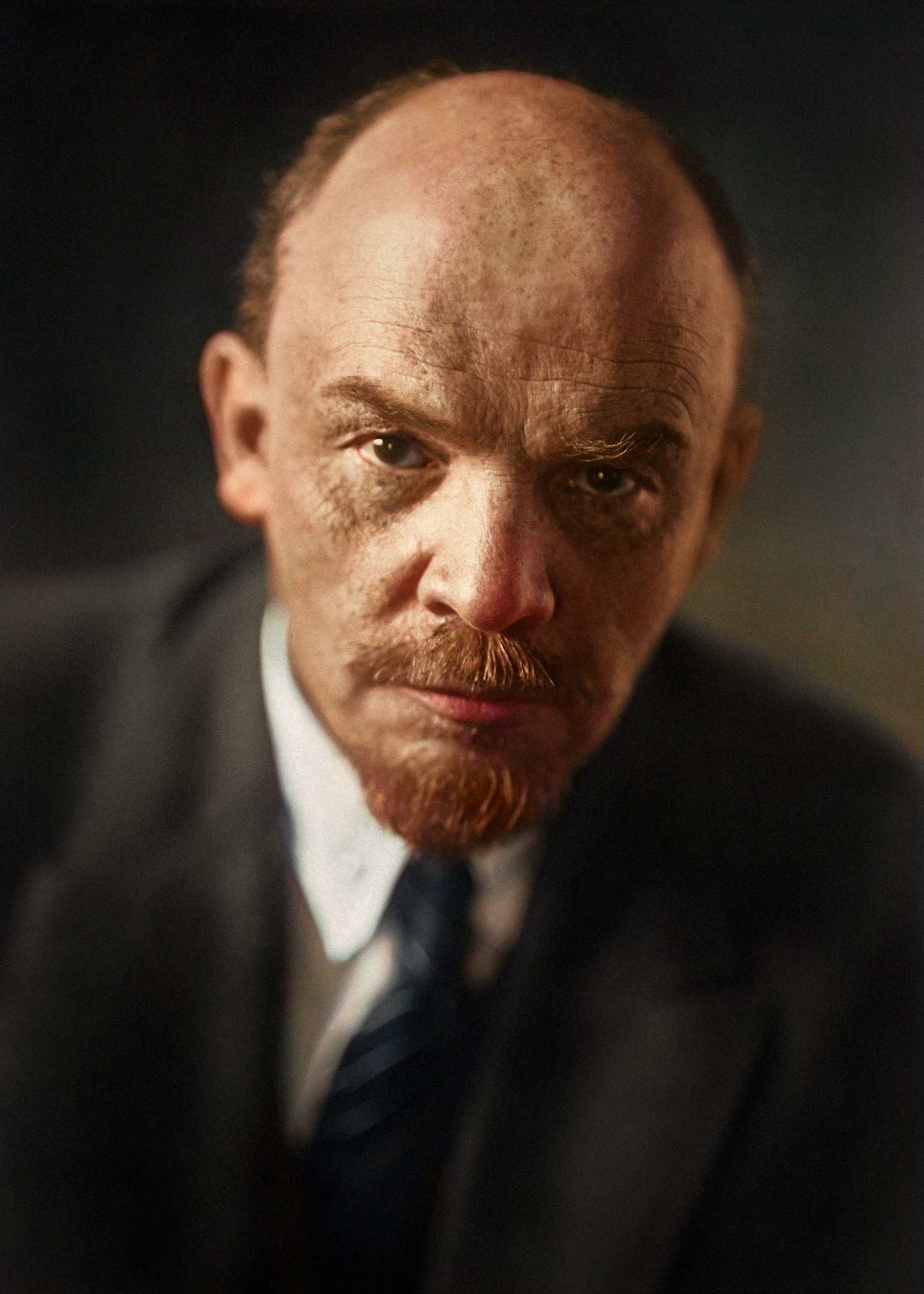
23 January 1924
Lenin has been described as short of stature, rather plump, with short, thick neck, broad shoulders, round red face, high intellectual forehead, bald head, nose slightly turned up, brownish moustache, an short stubby beard—more like a provincial grocer than a political leader.
He was admittedly the greatest intellectual force of the Russian revolution. He regarded the State as an instrument for exploiting the oppressed classes.
Discarding the old Socialistic idea of the education and elevation of the masses, he saw that the secret of victory for him lay in lashing the waves of passion higher and higher. Instead of spiritually raising the masses, therefore Bolshevism descended to their level and gave this popular movement the commonest and most demagogic form. Instead of guiding the masses, and putting an end to their excesses, the Bolshevist leaders let themselves be carried forward by the crowd. The inevitable consequence was that the fight against capitalism degenerated into a campaign of robbery and murder against single capitalists.
Lenin daringly seized the reins of power, and his activities were almost superhuman in his attempts to bring socialistic order into a gigantic realm. He realised that the social revolution, in order to be victorious, must have an international expansion, and while opposed to violence, he admitted that violence was necessary to achieve Communism.
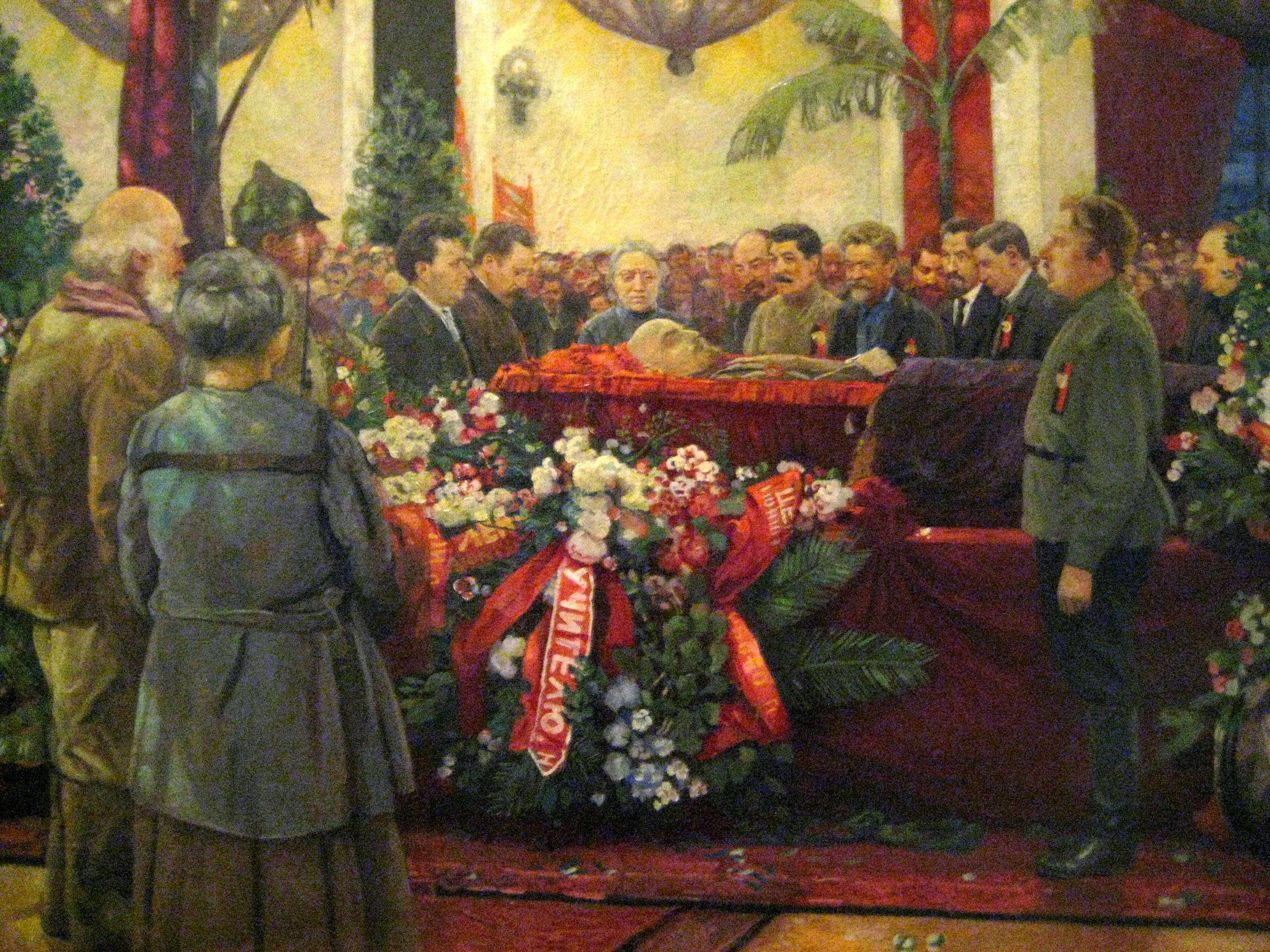
He showed himself cold, pitiless, and devoid of all sentiments, and ruthless in attempting to force his tenets on Russia and the whole world. A British Labour delegation which visited Russia three years ago returned convinced that Lenin was hopelessly misinformed as to British labour conditions.
In a letter to British workers published shortly after, Lenin, while confessing that the was no Communist party in Britain, suggested that a revolution should be engineered to put his theories to the test.
During the last few months of his life Lenin has been engaged in bitter quarrels with Trotsky, and for some time past there had been rumours of a serious situation arising out of the strained relations existing between them •
This Snapshot was originally published January 21, 2024.
Ad: Unseen Histories relies on your patronage to operate. Our webstore offers a wide range of collectible museum-grade fine art prints, hand-printed in England for your wall space.
ColorGraph™ presents the most incredible colorized photography bringing the past to life. From start to finish, a ColorGraph print is made with exceptional care and attention. To mark its provenance, we emboss each one in the final stage of the hand-finishing process.
📸 Dive into our Features
🎤 Read Interviews
🎧 Listen to Podcasts
🖼️ Buy fine art prints & more at our Store


_detail_01.jpg?ref=unseen-histories.ghost.io)