
The Dispatch Edition #3: Patrick O'Brian, A Missing Ship & Antarctica
Week beginning January 6, 2025


Welcome to Edition #3 of The Dispatch.
Hello,
Jordan here, the Creative Director at Unseen Histories, with a very Happy New Year to you.
This is Edition #3 of The Dispatch, our free email roundup of long-form pieces, previews, interviews, pictures and more published on Unseen Histories; curated in one place for you to read at your leisure.
You can read previous editions in our archive.
For compliancy, if you don’t wish to hear from us again, you can find an unsubscribe link at the bottom every email, but I hope you’ll find The Dispatch a welcome addition to your inbox.
Many thanks for reading,
– Jordan Acosta, Creative Director, Unseen Histories

Headlines
The latest from Unseen Histories –
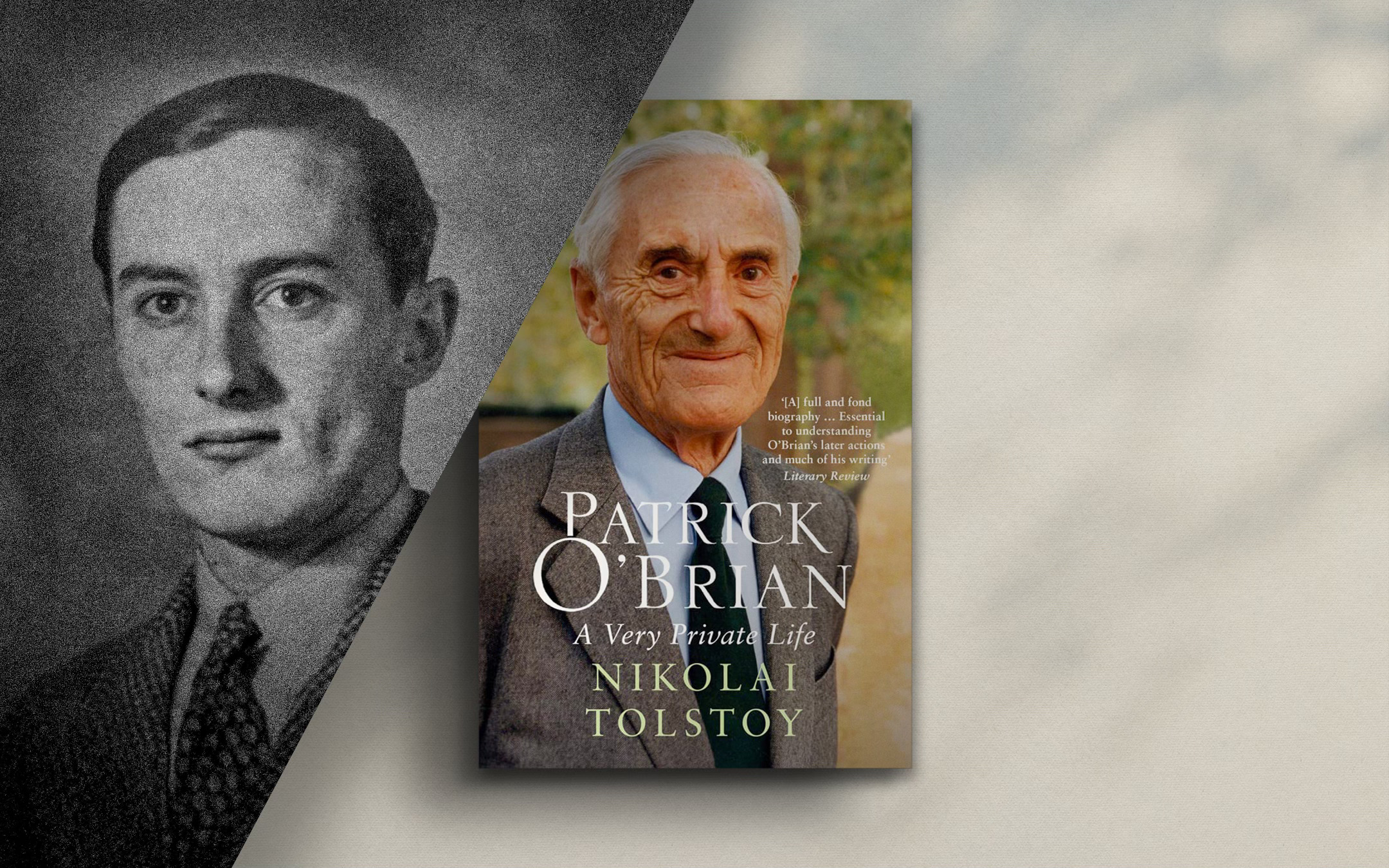
A Very Private Life – Nikolai Tolstoy Remembers Patrick O’Brian
We look back at the life of the 'greatest historical novelist of all time'
In the last decade of his life the author Patrick O'Brian (1914 - 2000) achieved global fame. His Aubrey-Maturin series of novels sold in the millions, Hollywood production studios battled for the film rights and O'Brian himself undertook a succession of high profile author tours to the United States of America.
This success, however, was long in the coming. For many years before the moment when the Times declared him 'the greatest historical novelist of all time', O'Brian was an author with only a modest, loyal following. Of the man himself, even these readers knew very little.
A quarter of a century after O'Brian's death, we sat down with one of the tiny few who actually knew the author intimately. Nikolai Tolstoy, an author himself, is O'Brian's stepson.
In this exclusive interview with Peter Moore, he tells us about his relationship with O'Brian, about his generosity and good humour, and his concerns about the misrepresentation of the author's legacy.
Jordan’s Pick –
O’Brian is one of the most beloved historical fiction authors of all time, so we’re thrilled to share this very intimate and rare interview with a close relative of the man himself, on the 25th anniversary of his passing. We’re looking to expand our audio offerings in 2025, so I very much hope you enjoy it – do let us know if you want to hear more at hello@unseenhistories.com
Whilst I’ve directly linked the interview above on YouTube (and please do subscribe!), we’ve also built an accompanying page featuring never-before-seen photographs and more information, including a full transcript of the hour-long interview.
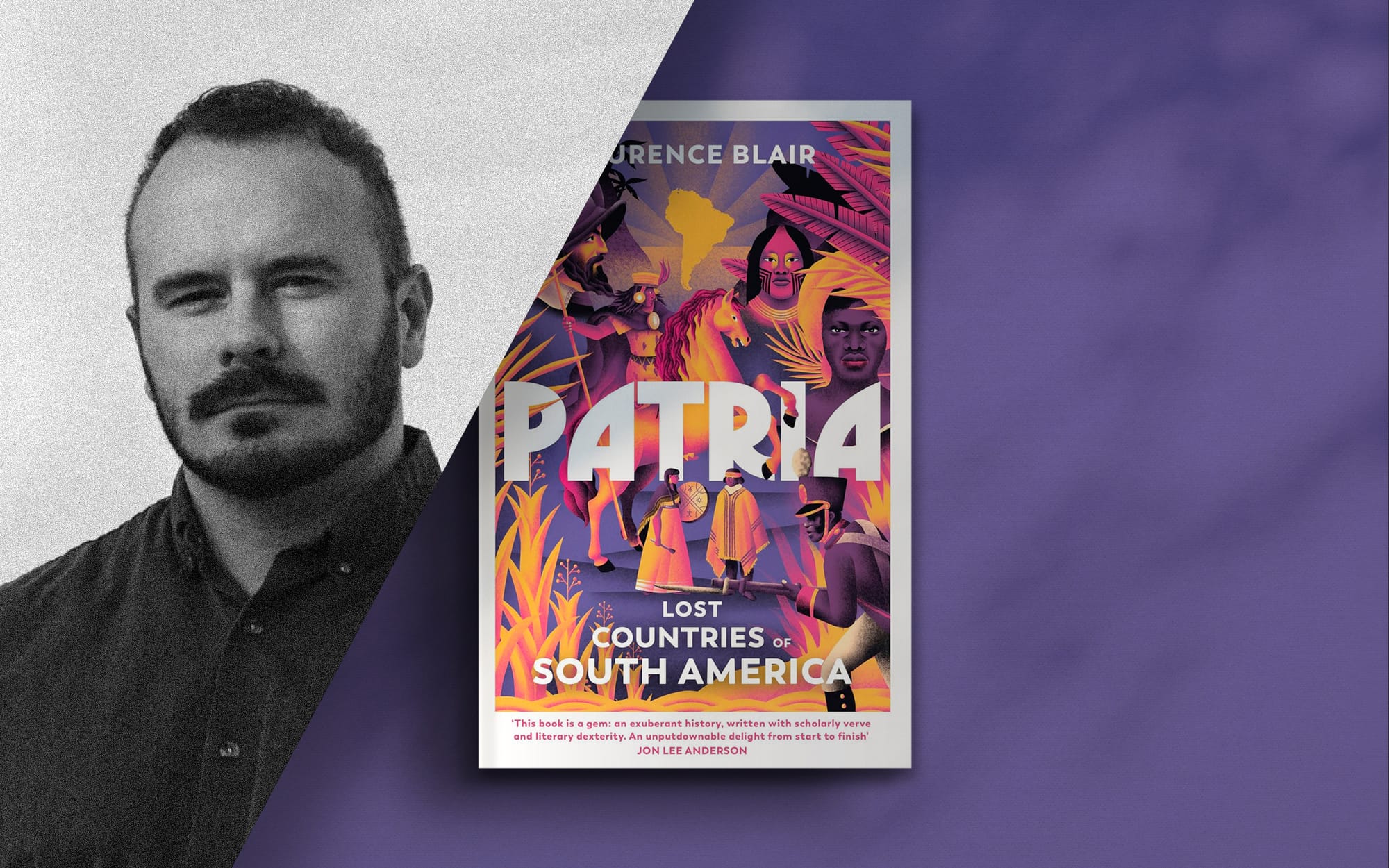
Patria: Lost Countries of South America with Laurence Blair
South Americans are looking at their continent's history afresh, explains Laurence Blair
Few in the Global North know much of South America's history.
Those who do are most likely to be familiar with a traditional narrative, where the European conquests of the sixteenth-century were followed by the all-powerful empires of the seventeenth and eighteenth and the elite-led revolutions of the nineteenth.
Laurence Blair's debut, Patria: Lost Countries of South America, sets its sights beyond this. As he explains in this interview, he has spent a decade travelling from the jungles of Paraguay to the favelas of Rio and remote islands off Peru, in search of a new perspective on this old story.
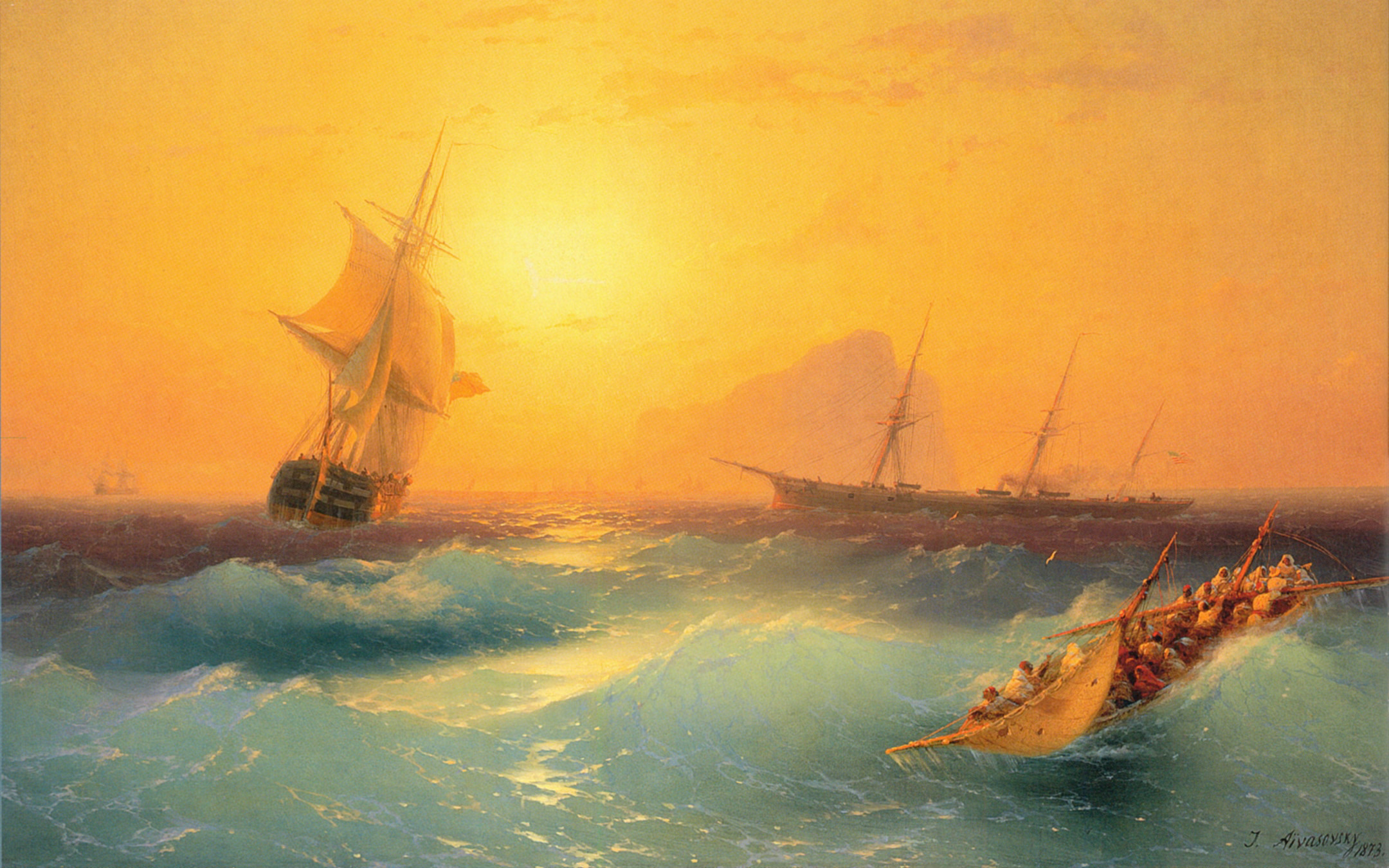
Journalism has frequently been called the first draft of history. In this continuing series, 'First Draft', we revisit significant events in modern history and look at how they were reported in their immediate aftermath.
Bookshelf
Previews, excerpts, and more from the very best published history books –
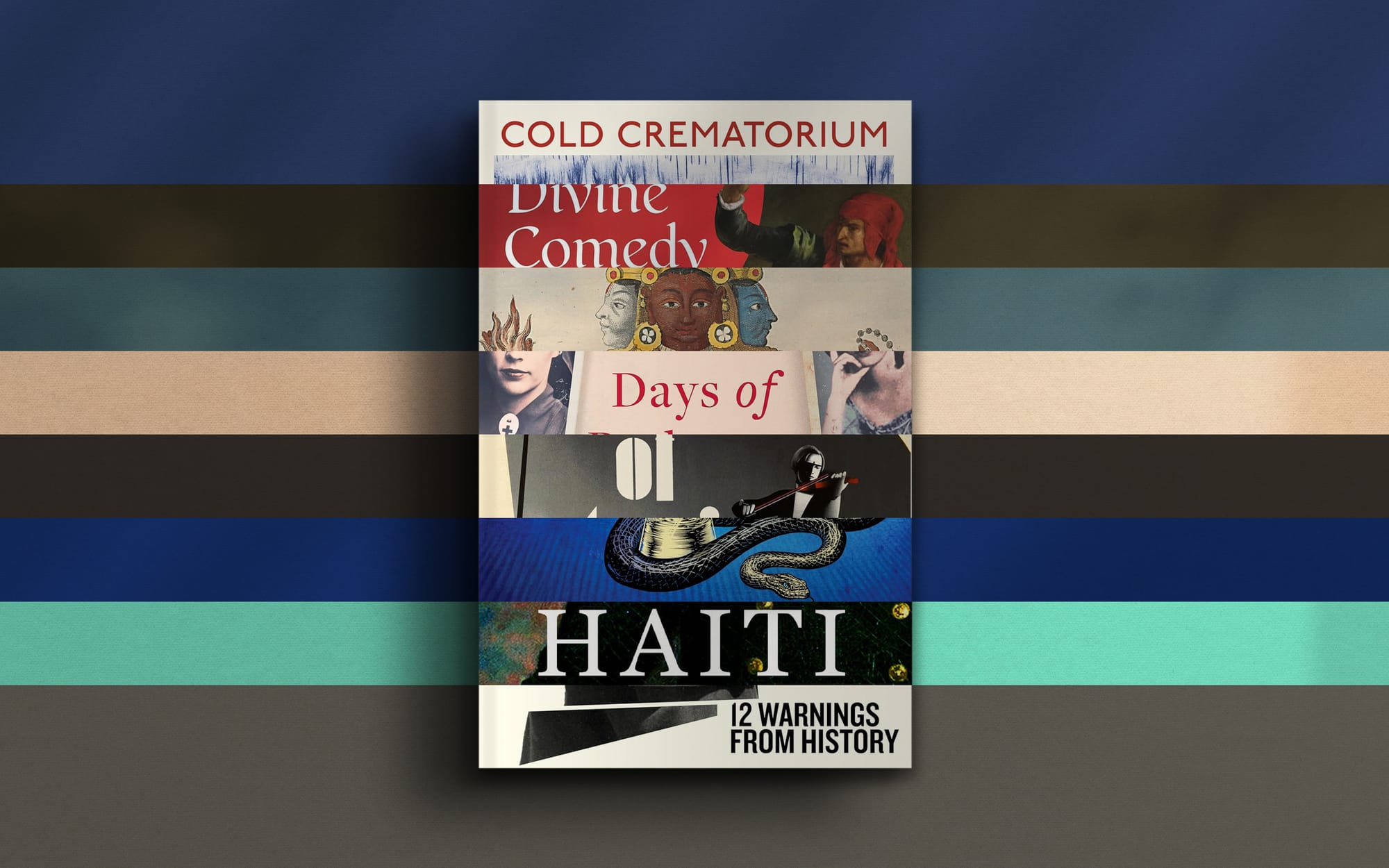
New History Books for January 2025
From Dante to Haiti, Shakespeare to Socrates, here is a selection of anticipated new history books released over the month ahead.
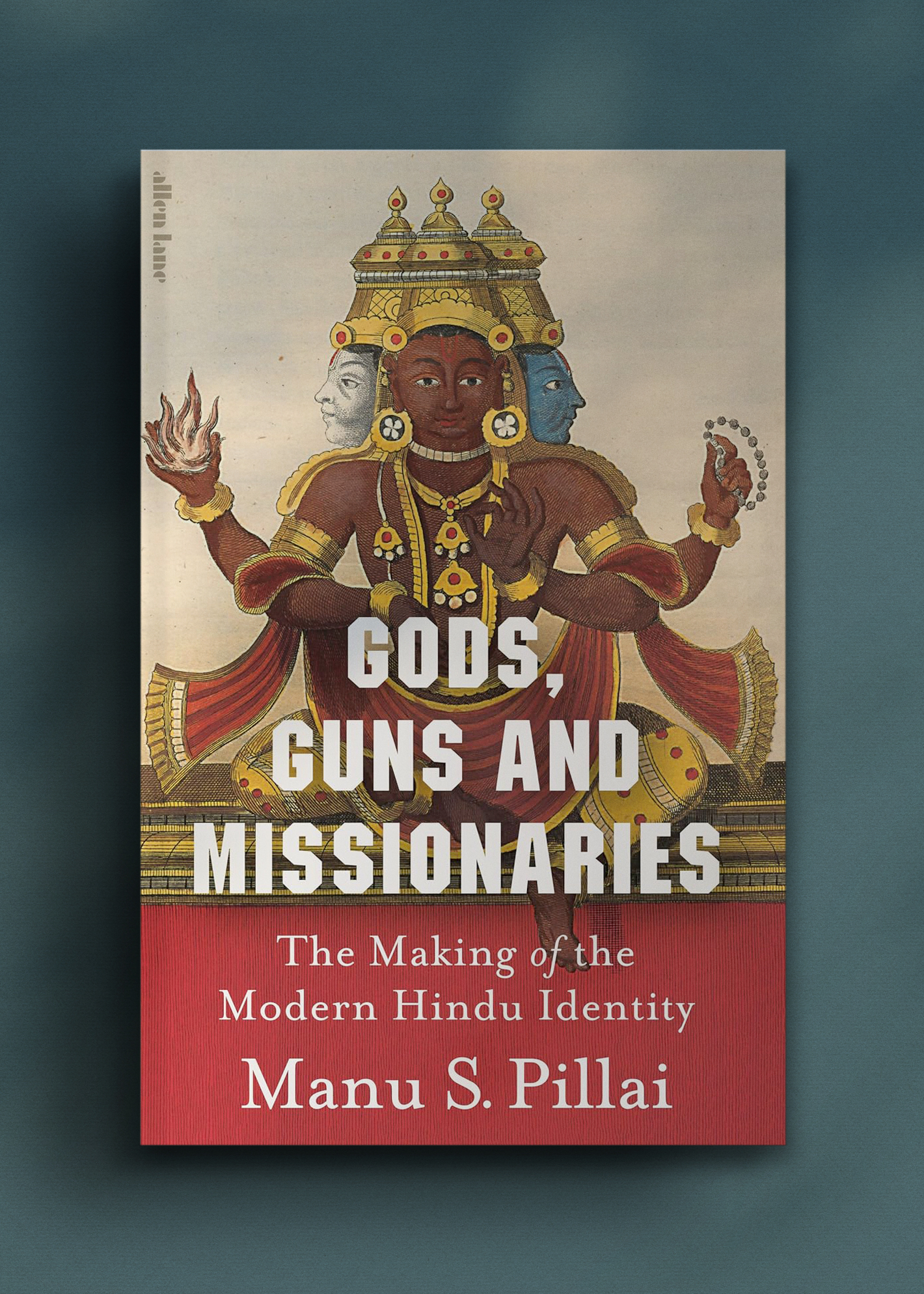
Jordan’s Pick: Gods, Guns and Missionaries: The Making of the Modern Hindu Identity by Manu S. Pillai (Allen Lane, 2025) –
I’m currently reading William Dalrymple’s The Anarchy: The Relentless Rise of the East India Company (Bloomsbury, 2019) exploring the Company’s dominance over most of India by the 1850s, and have been keen to learn more about more about the origins of Hinduism and how it has shaped the subcontinent.
The Strange Wrecking of the Gloucester
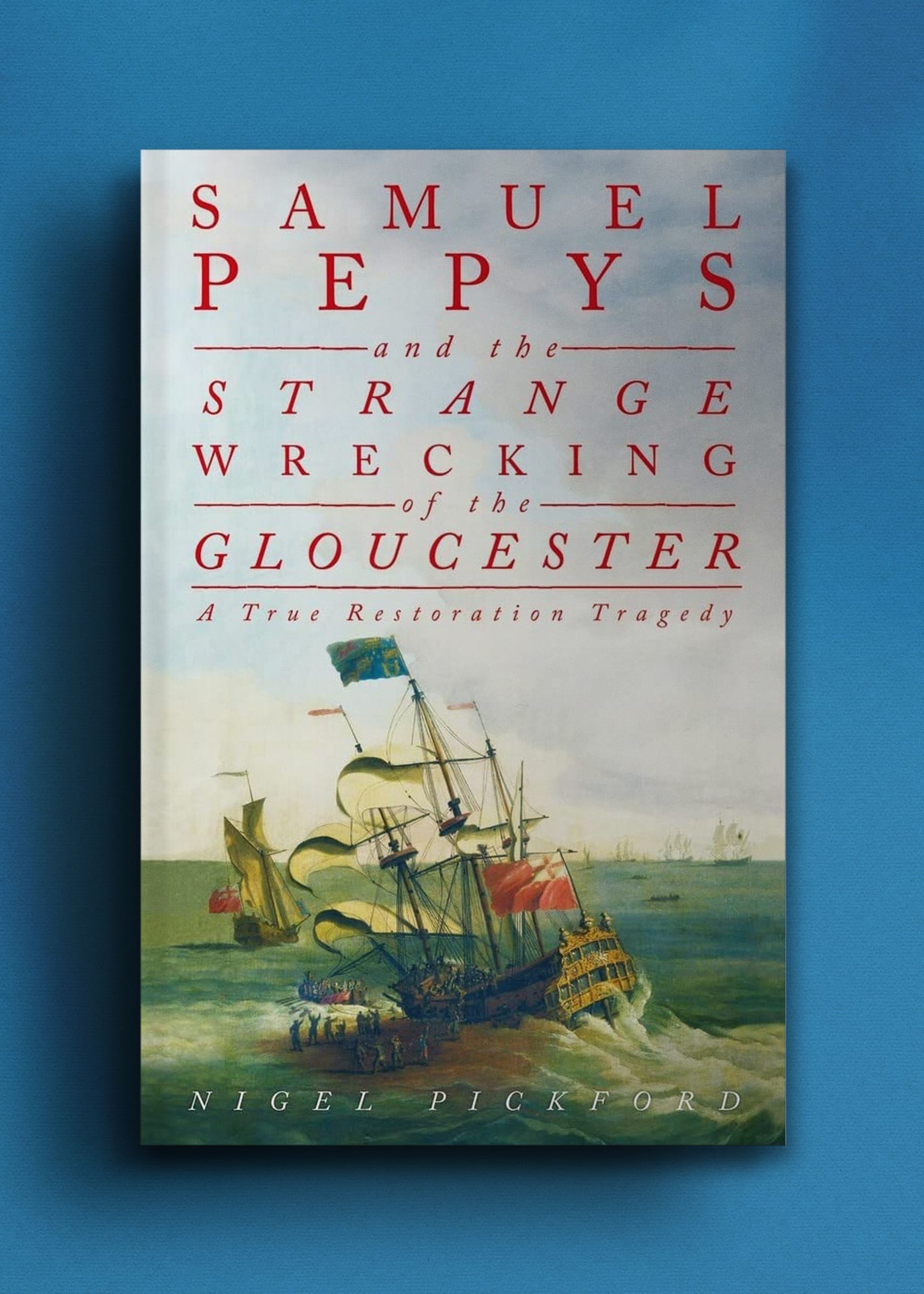
'Ship Detective' Nigel Pickford unravels a naval disaster during the Restoration
In 1682, Charles II invited his scandalous younger brother, James, to return from exile. To celebrate, the future king set sail in a fleet of destined for Edinburgh. Yet disaster struck en route, the royal frigate carrying James and his entourage sank. The diarist Samuel Pepys had been asked to sail with James but refused the invitation, preferring to travel in one of the other ships.
Why? What did he know that others did not?
Jordan’s Pick –
Continuing with an Age of Sail theme throughout this edition, Nigel Pickford’s account of the Gloucester is an intriguing and terrifying tale just off the coast of Norfolk, United Kingdom. Pickford is called ‘The Shipwreck Detective’ by the New York Times, and is one of the pre-eminent maritime historians of his generation, having located many shipwrecks throughout his career.
Why did Joseph Stalin Decide to Invade Finland in 1939?
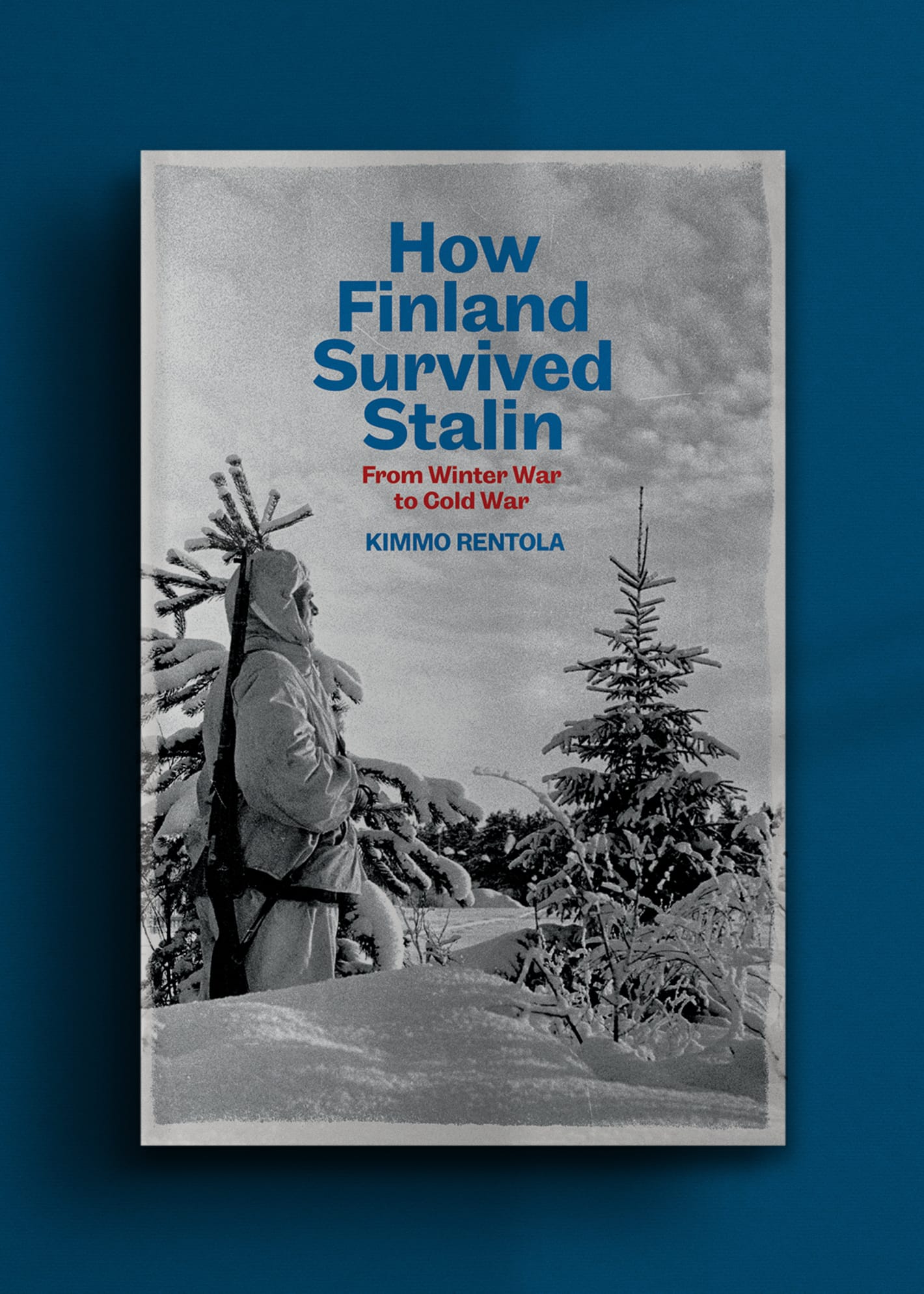
The Winter War between the Soviet Union and Finland began in late 1939. For Stalin, as Kimmo Rentola explains, it turned out to be a strategic blunder
In the autumn of 1939 Finland found itself in a precarious position. After the fall of Poland, it was caught between the might of Adolf Hitler’s Germany and Joseph Stalin’s Soviet Union. Of the two, it was the Soviets who posed the more immediate threat.
As the weeks passed the dangers increased. Very soon Stalin would make his move.
In this excerpt from How Finland Survived Stalin: from Winter War to Cold War, the historian Kimmo Rentola takes us back to these tense weeks.
Just why, he asks, did Stalin decide to invade?
Back Page
Stories from the Unseen Histories’ archives –
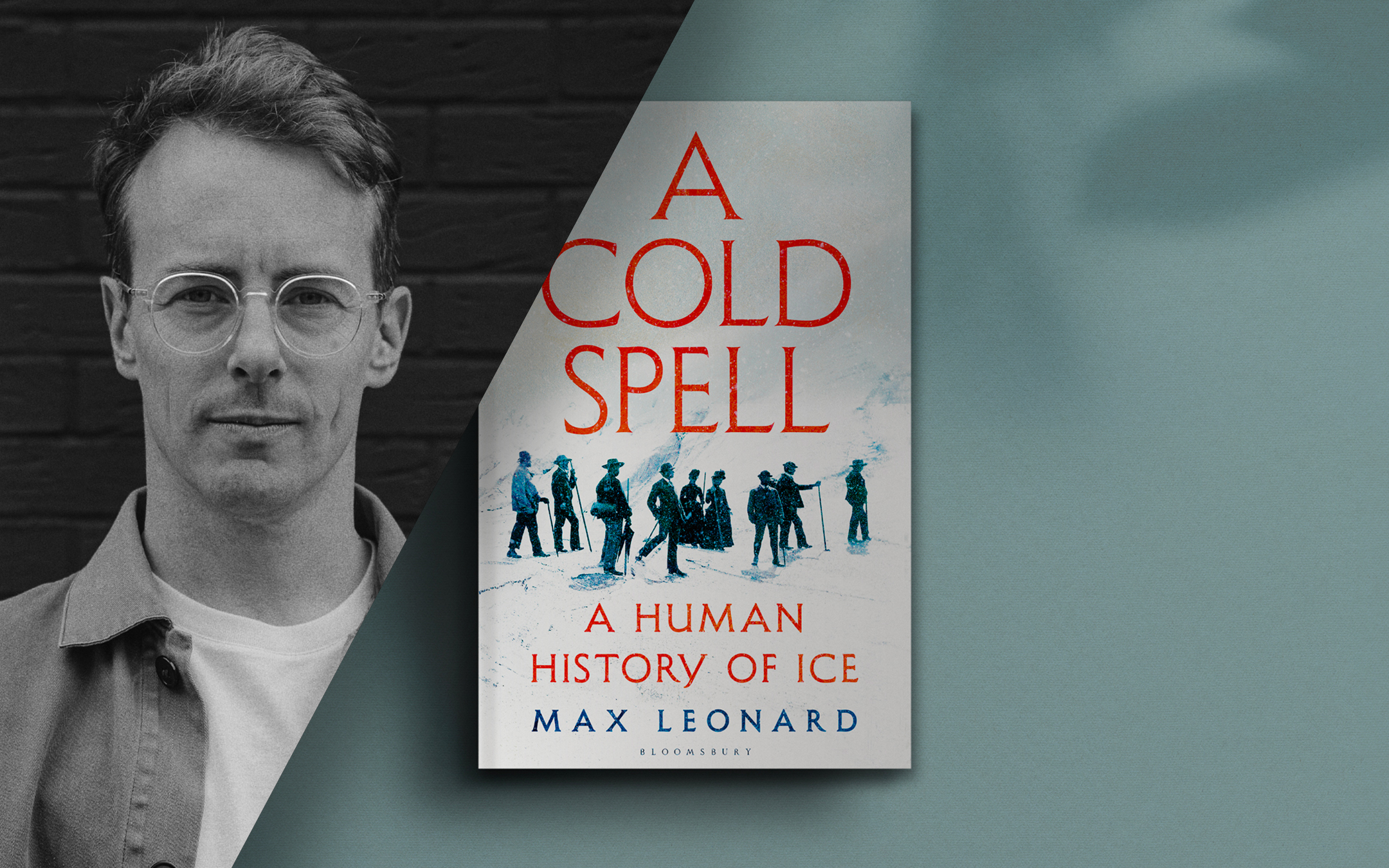
To look at a block of ice is to see, in simple terms, a compound made up of hydrogen and oxygen atoms. But as Max Leonard shows in his book, A Cold Spell, ice contains much more than that.
Leonard is interested in our human relationship with ice. This is a relationship that stretches right back into deep time.
From cave paintings and ice grottos, to frost fairs and frozen bodies, in A Cold Spell Leonard relates an enchanting and often surprising historical story.
Viewfinder
Our picks from the picture archives, remastered –
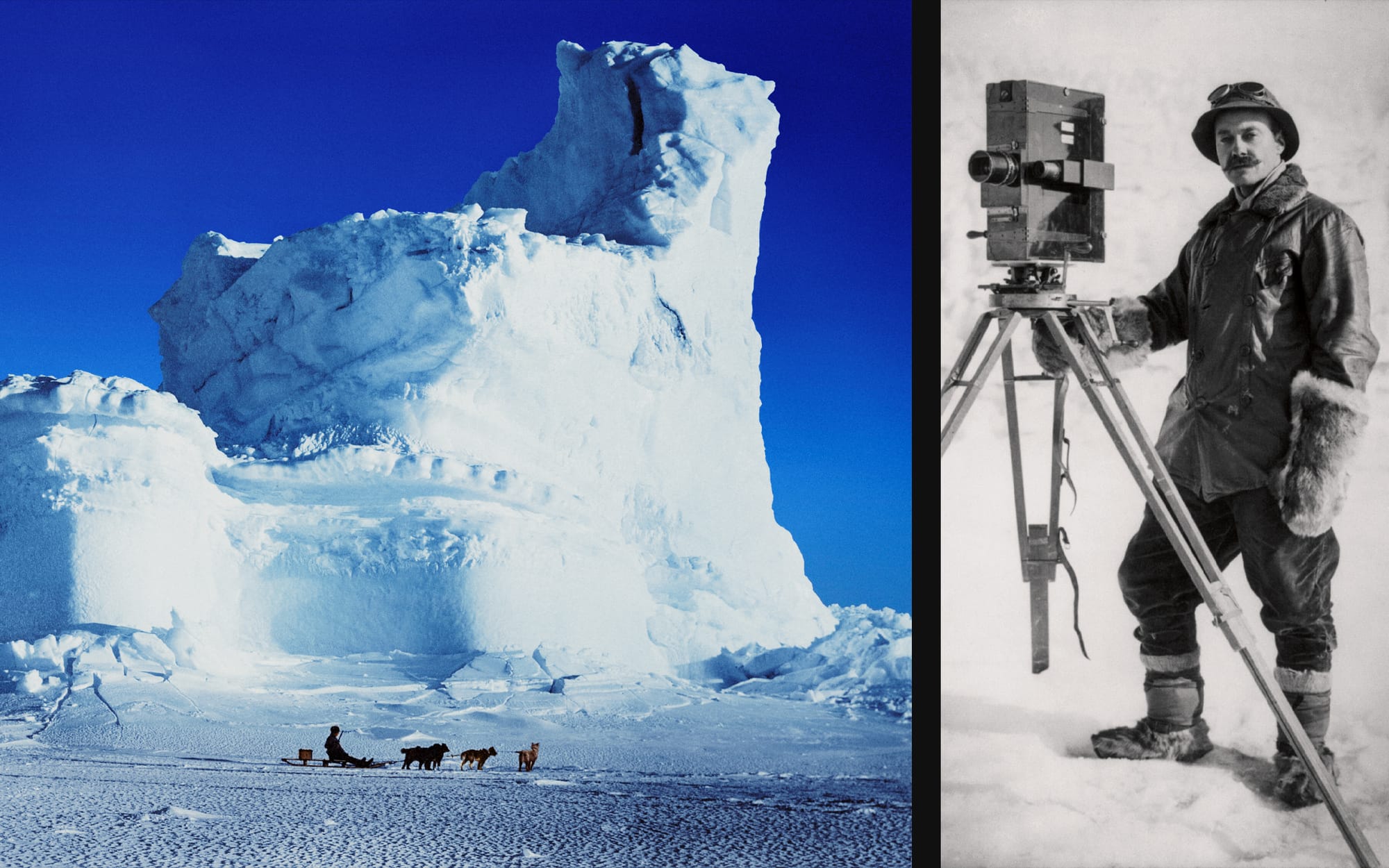
Herbert Ponting's Photographs of Antarctica in Colour
Colourised and remastered images from Robert Falcon Scott's Terra Nova Expedition
On 29 March 1912, Captain Robert Falcon Scott died in the Antarctic. The story of his tragic race to the South Pole in 1912 – when Scott was narrowly beaten by the Norwegian adventurer Roald Amundsen and then died on his return journey – is one of the best known from the heroic age of Antarctic exploration.
Another celebrated aspect of Scott's '‘Terra Nova Expedition’ is the documentary work that was undertaken by the photographer Herbert Ponting. Ponting's images of an ice-bound world enchanted the British public when they were published a century ago.
In this Viewfinder feature, we reflect on this superb body of work and try to realise an ambition that Ponting himself could not achieve – to present the Antarctic world in ‘natural colours’.
Op-ed
More from around the web –
According to some estimates, more than half of these pubs are currently closed. The heart of the brewery is in North Yorkshire, where it owns 59 pubs. In September 2023, I phoned all 59 pubs and could only identify 19 that were certainly open. Nine months later, I phoned them all again and managed to speak to staff at 22 pubs. At 30 of them, I heard the same recorded message: “Unfortunately, the pub is currently closed. We hope to appoint a management team and open the pub as soon as possible.” At four pubs, the phone rang but no one answered. At the others, the phone line was dead.
– Mark Blacklock
“‘Sir,’ said Stephen, ‘I read novels with the utmost pertinacity. I look upon them – I look upon good novels – as a very valuable part of literature, conveying more exact and finely-distinguished knowledge of the human heart and mind than almost any other, with greater breadth and depth and fewer constraints.’”
― Patrick O’Brian, The Nutmeg of Consolation, 1991
Thanks for reading The Dispatch by Unseen Histories. Edition #4 will be published week beginning February 3, 2025. You can read previous editions in our archive.
📸 Dive into our Features
🎤 Read Interviews
🎧 Listen to Podcasts
🖼️ Buy fine art prints & more at our Store


