
The Dispatch Edition #4: Predators of the Seas, the Pope's Secret Bank & the Eiffel Tower
Week beginning February 3, 2025


Welcome to Edition #4 of The Dispatch.
Jordan here, the Creative Director at Unseen Histories.
This is Edition #4 of The Dispatch, our free email roundup of long-form pieces, previews, interviews, pictures and more published on Unseen Histories; curated in one place for you to read at your leisure.
You can read previous editions in our archive.
Many thanks for reading,
– Jordan Acosta, Creative Director, Unseen Histories
Headlines
The latest from Unseen Histories –
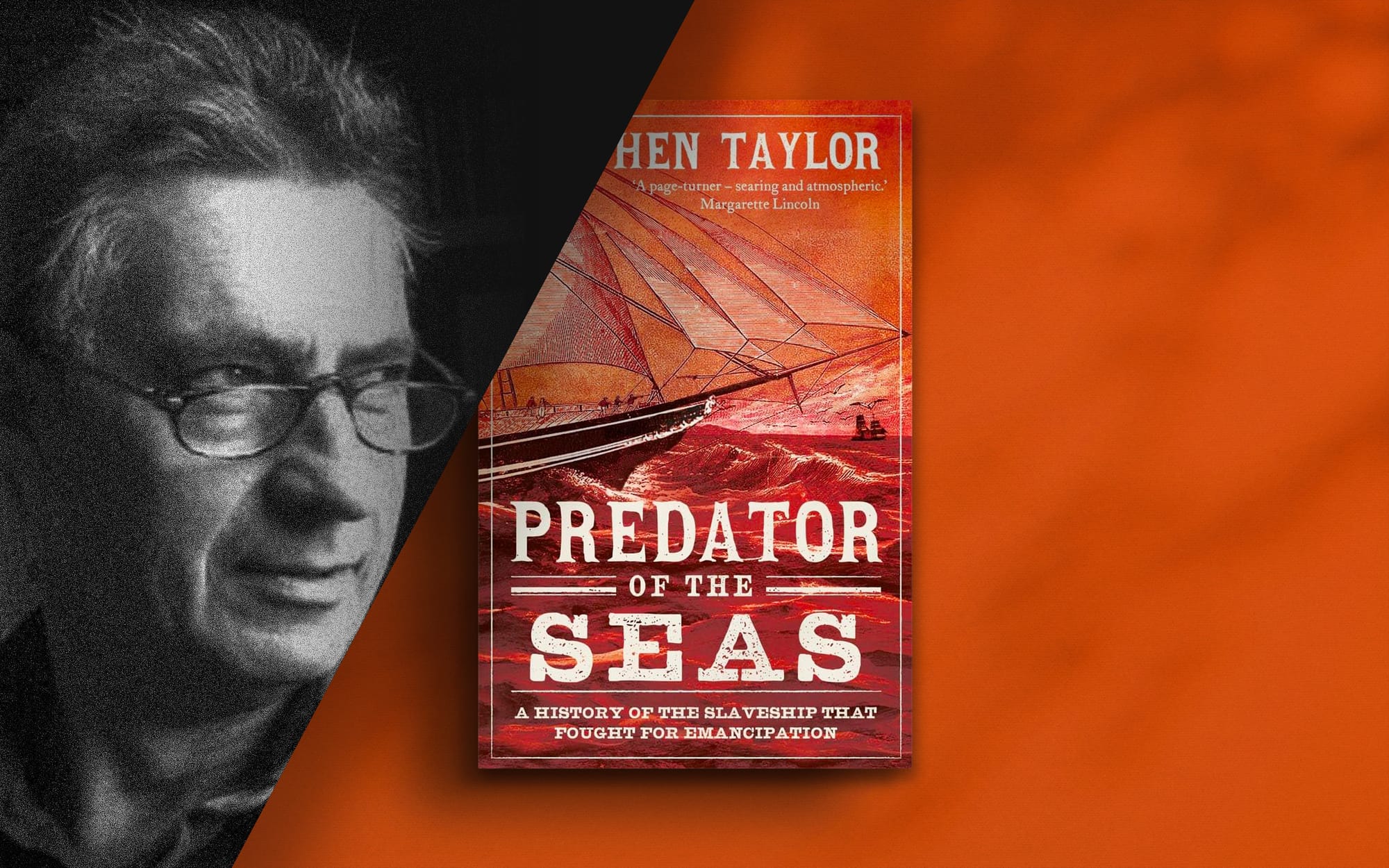
The Royal Navy's Campaign to Suppress the Slave Trade with Stephen Taylor
Stephen Taylor's book, Predator of the Seas, follows the life of an extraordinary vessel
Shortly after the passing of the Slave Trade Act of 1807, the Royal Navy's West Africa Squadron was formed. The purpose of this new unit was a unique one in global history. Its ships were to seize vessels that were carrying slaves across the Atlantic Ocean.
The West Africa, or 'Preventative Squadron', would remain operational over the next six decades. While estimates of the squadron's effectiveness vary, it succeeded in rescuing something about 160,000 Africans from the hands of trans-Atlantic slavers.
The most notable vessel in the squadron's history was HMS Black Joke. A fast-sailing Baltimore clipper, Black Joke was a curious vessel that gained glory for a series of remarkable exploits.
But there was more to Black Joke than this. Stephen Taylor, the author of a new history of the clipper, Predator of the Seas, tells us more about her contentious life.
Jordan’s Pick –
It has always been the ambition of Unseen Histories (as the name suggests) to feature truly extraordinary stories from our past which have long been forgotten or otherwise buried in the great swathe of published history. With Predator of the Seas, Taylor has unearthed a little-known but incredible tale of courage trying to stem an abhorrent trade which took decades to abolish. It’s very much worth your time.

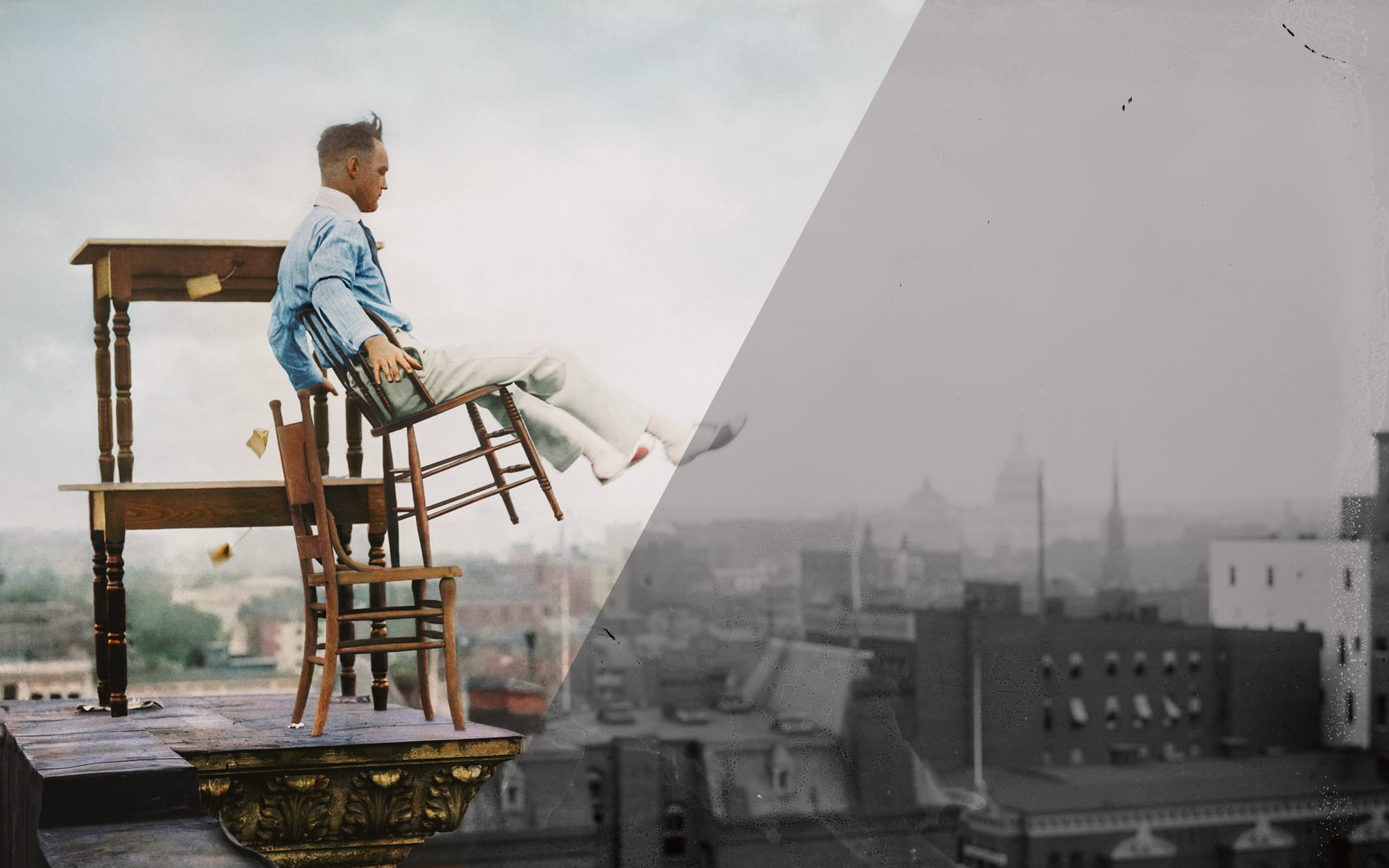
1917: Johnny Reynolds, 'Human Fly', Thrills Crowd
On Wednesday 5 September 1917, the daredevil climber Johnny Reynolds performed in Washington D.C.
As a crowd of 5,000 watched on, Johnny Reynolds ‘the human fly’ performed a thrilling series of tricks on the roof of a Washington D.C. building on 5 September 1917.
By the time of this feat, Reynolds was well known across the United States. He was variously described as ‘a daredevil’, ‘the Man Who Defies Death’, the ‘Sensational Novelty Gymnast’, ‘The Lizard’ and, increasingly by 1917, ‘the Human Fly’.
Bookshelf
Previews, excerpts, and more from the very best published history books –
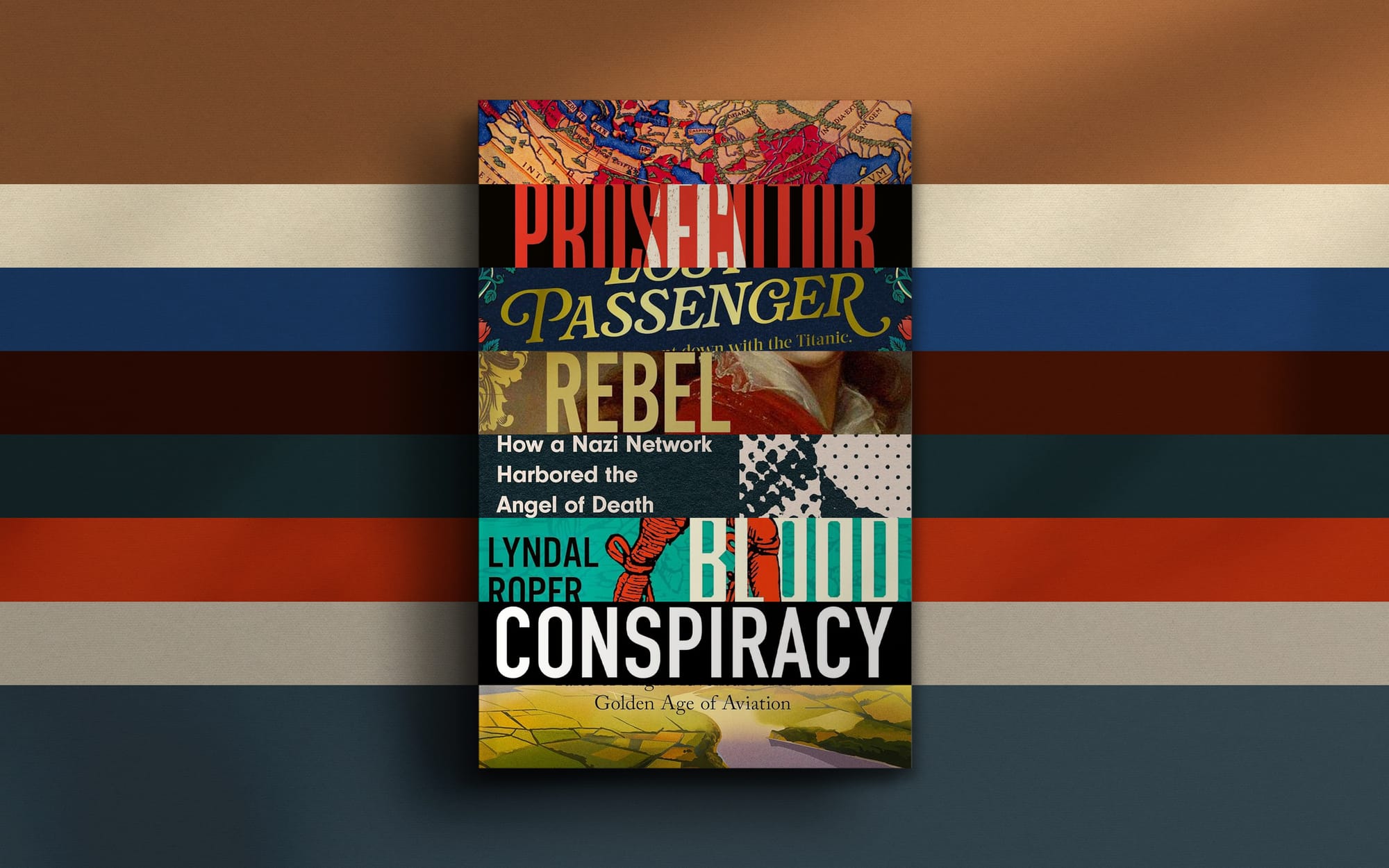
New History Books for February 2025
From JFK to the Titanic, Brazil to the North Pole, here is a selection of anticipated new history books released over the month ahead.
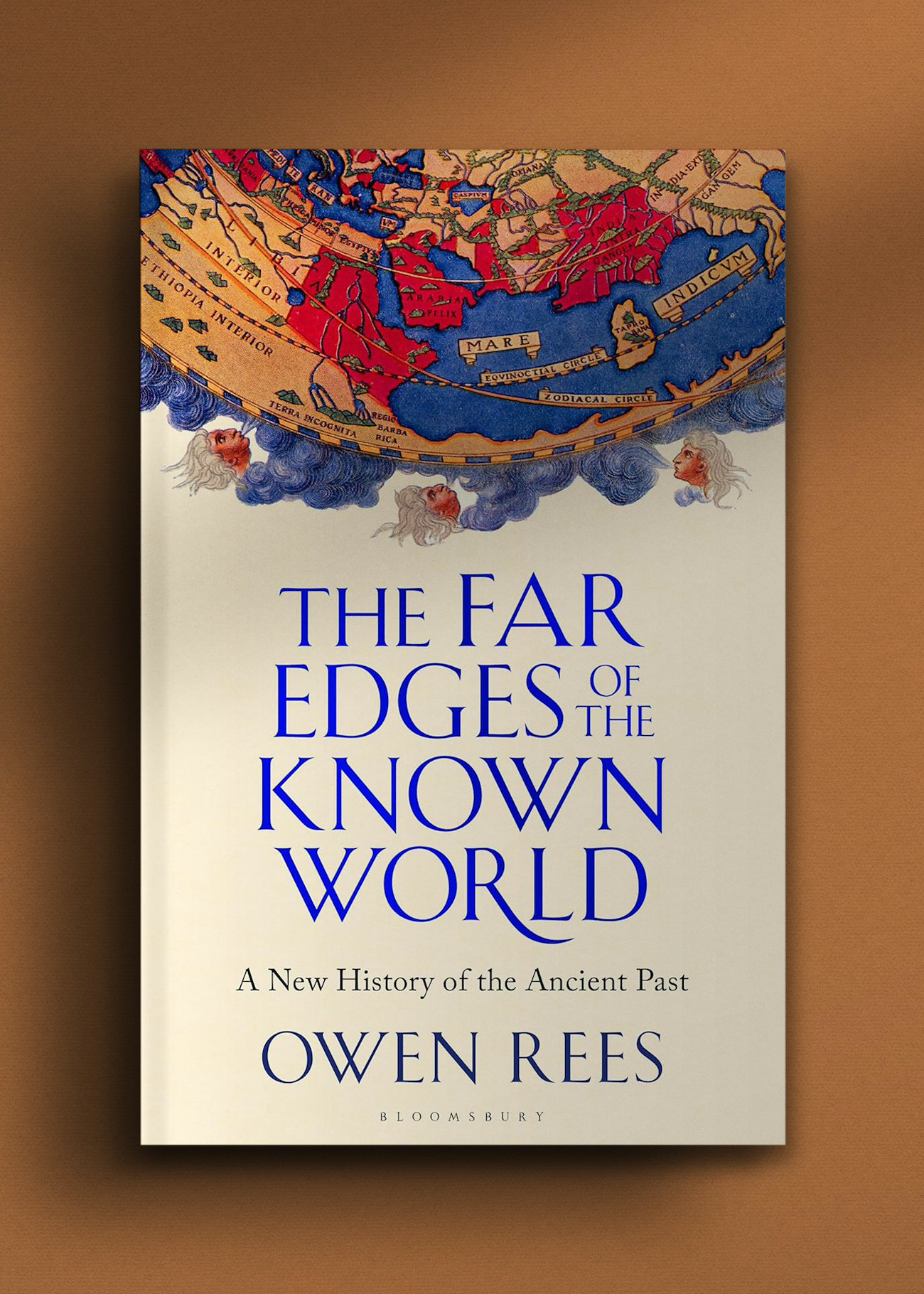
Jordan’s Pick: The Far Edges of the Known World: A New History of the Ancient Past by Owen Rees (Bloomsbury) –
Bloomsbury in recent years has published a number of non-fiction titles with an emphasis away from Eurocentric history like William Dalrymple’s The Golden Road. With The Far Edges, Rees expands on our knowledge of cultures beyond the grasp of the Greek and Roman Empires.
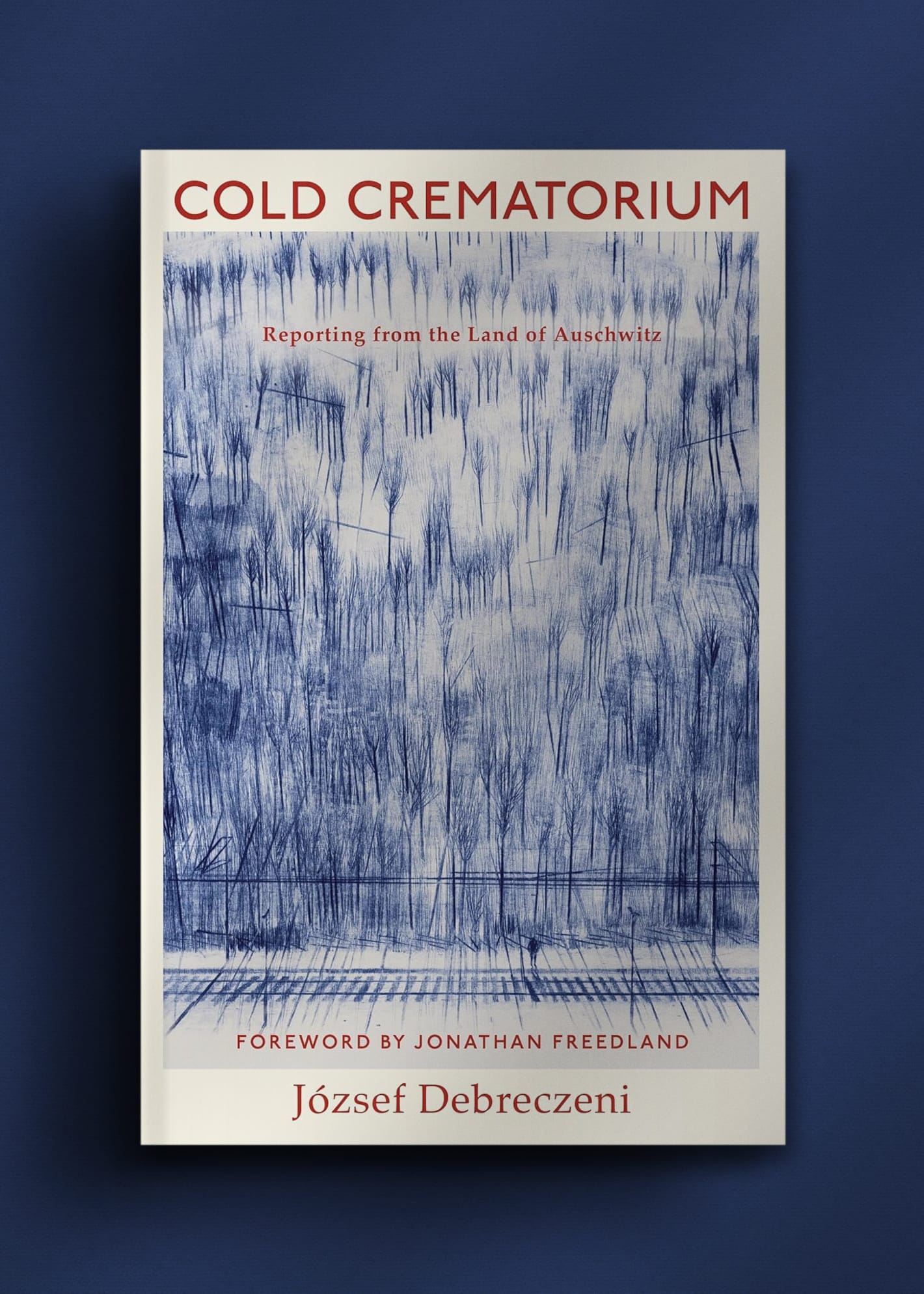
Reporting from the Land of Auschwitz
József Debreczeni describes his arrival at the Auschwitz Extermination Camp in May 1944
For decades József Debreczeni's Holocaust memoir, Cold Crematorium, was unknown in the English speaking world.
Written shortly after the Second World War, in 1950, it told a story of haunting intensity. Debreczeni was a Hungarian Jew. In May 1944, after years of mounting persecution, he was transported to the Nazi extermination camp at Auschwitz in Poland.
At Auschwitz Debreczeni confronted the murderous horror of Nazism. The story of what he witnessed and how he survived was channelled into Cold Crematorium.
Only recently rediscovered, Debreczeni's memoir was published in English translation for the first time in 2024. The New York Times selected it as one of the ten best books of the year.
'Debreczeni', it wrote,'has preserved a panoptic depiction of hell, at once personal, communal and atmospheric'.
In this excerpt published by us on the 80th anniversary of the liberation of Auschwitz, Debreczeni recalls the disquieting set of circumstances and the crucial twist of fate that spared his life when he arrived.
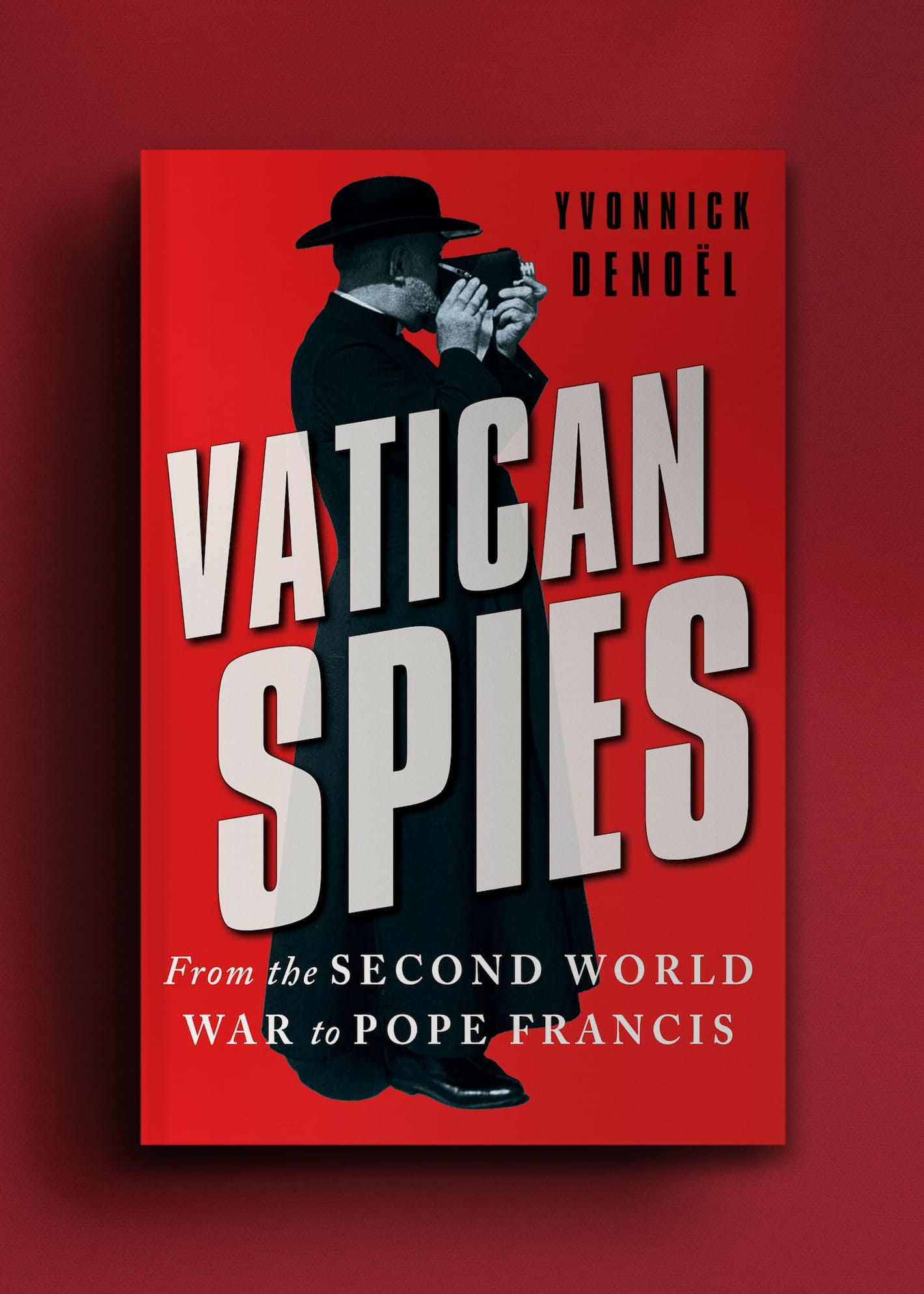
The Vatican, the War and the Pope's Secret Bank
Yvonnick Denoël takes us back to the Second World War and the Vatican's efforts to secure their wealth
Italy was a central theatre of conflict during the Second World War. Under Benito Mussolini it formed a central part of Hitler's Axis Alliance. By 1943, on Mussolini's fall, the country became a battleground itself — subject to invasions from north and south.
Caught in the midst of this was the tiny Vatican City State in Rome. Formed in 1929 as a sovereign country by the Lateran Treaty, it was from here that Pope Pius XII sought to steer the Roman Catholic Church through the turmoil of war.
Politics and God were one thing. Money was another. And as the war approached the Church confronted the challenges of safeguarding and retaining their wealth.
As the author Yvonnick Denoël explains in this extract from his newly-released book, Vatican Spies, this task devolved to an intriguing figure called Bernardino Nogara.
Back Page
Stories from the Unseen Histories’ archives –
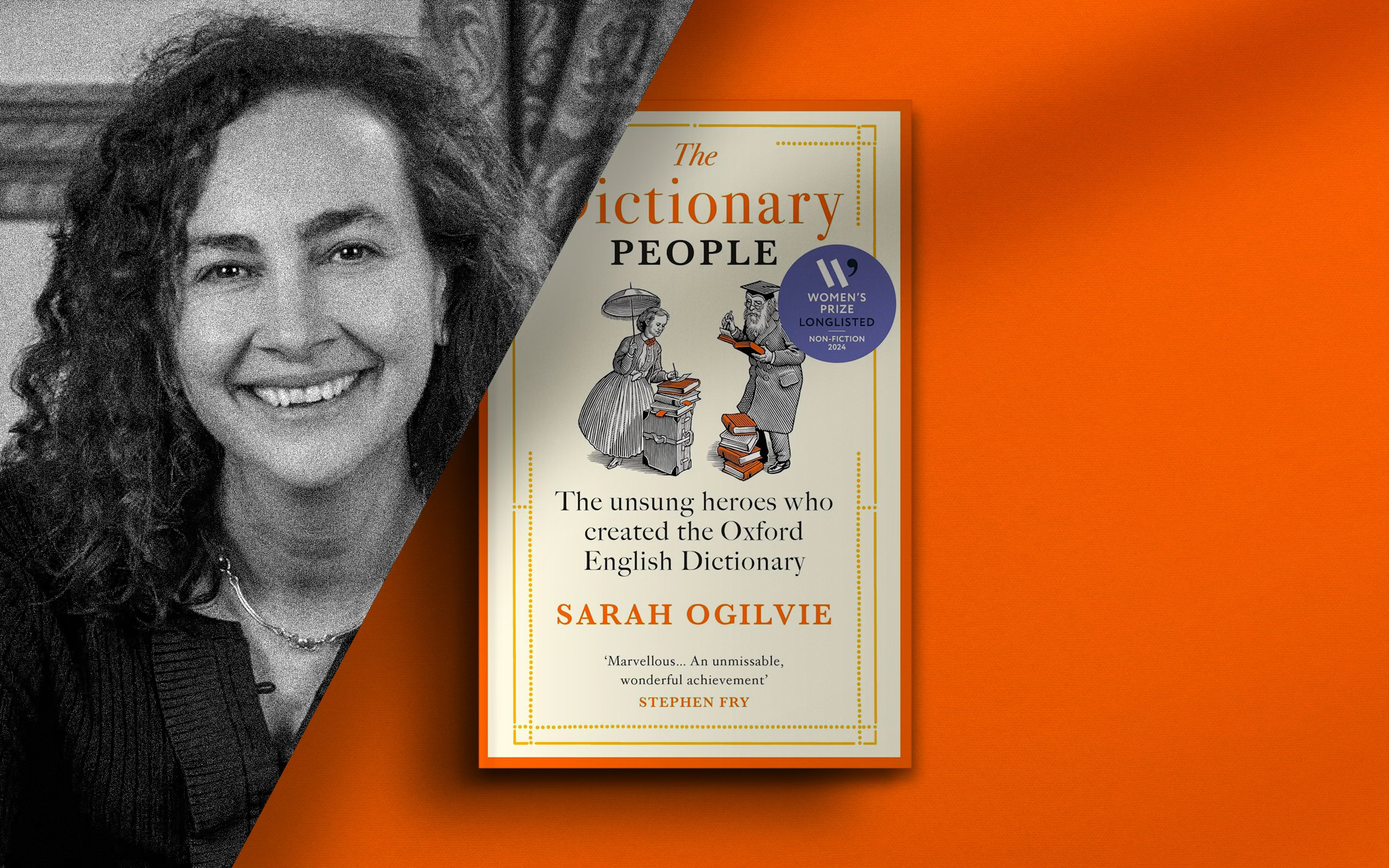
The Dictionary People with Sarah Ogilvie
Sarah Ogilvie on the personalities behind the pages
The Victorian Age was a time of colossal projects. Alongside the bridges and railways, though, we should remember the great enterprises of the mind.
The Oxford English Dictionary, begun in 1857, is an ideal example of one of these. As Sarah Ogilvie, author of The Dictionary People, explains, it took the combined efforts of thousands of contributors more than seven decades to complete.
In this interview she tells us more about 'the Wikipedia of the nineteenth century'.
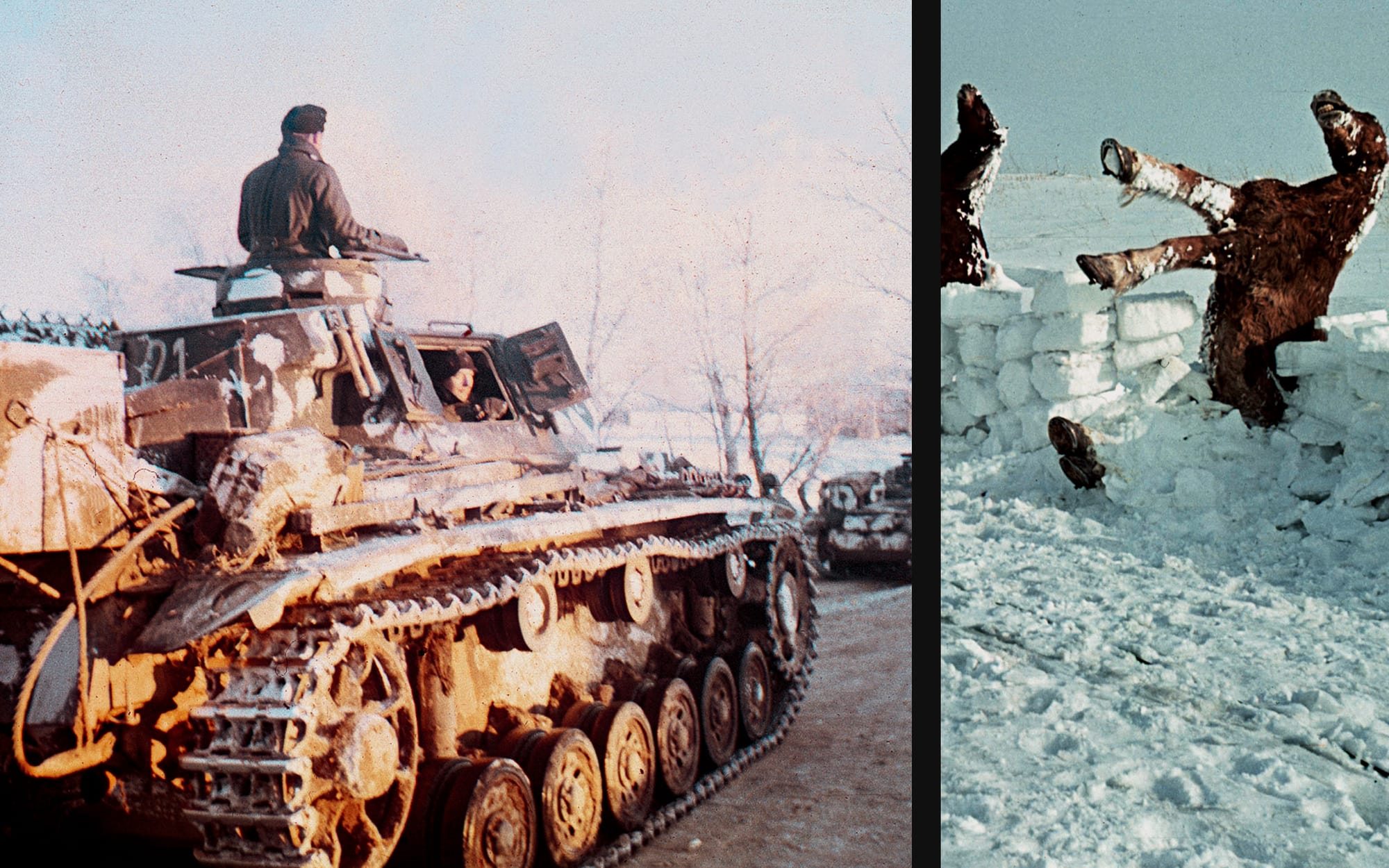
Life and Death on the Eastern Front
Anthony Tucker-Jones and Ian Stewart Spring share rare colour photographs from the Second World War
This incredible visual record of life and death along the Eastern Front draws from the PIXPAST Archive collated by Ian Stewart Spring, with 250 images of Hitler’s invasion of the Soviet Union and the tanks, vehicles, weaponry and infantry on both sides.
The images take us behind the lines, to the prisoners of war, partisans, medics, the daily lives and leisure activities of soldiers and civilians along the front and the impact of the harsh Russian winter. Life and Death on the Eastern Front offers a rare, often surprising insight into the realities of the Second World War and people caught up in it, in vivid colour detail.
Jordan’s Pick –
Western readers have seen hundreds, if not thousands of photographs documenting the Western Front during the Allied Campaign of 1944 from the shores of Normandy to Berlin. Here, Stewart Spring collates just a few examples of an extraordinary collection of photographs taken by the Germans of the Soviet landscape.
Snapshot
Our picks from the picture archives, remastered –
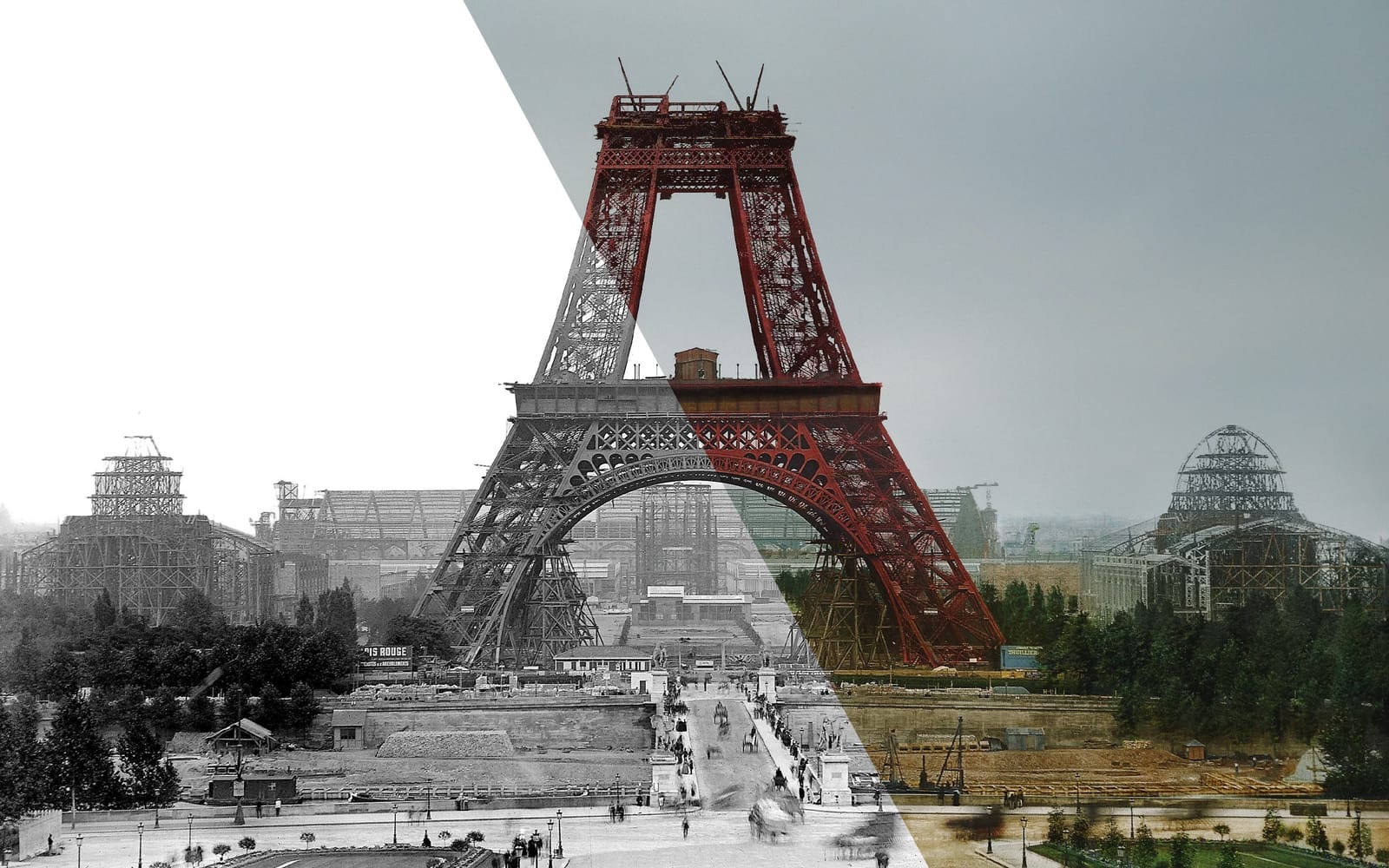
1888: The Eiffel Tower: The Beauty and the Terror
The Parisian skyline was changing in a strange and stirring way in July 1888 when Gustave Eiffel led a tour of his majestic new tower
For the first time Parisians began to appreciate the size of Gustave Eiffel's new tower in the summer of 1888. A year and a half after construction begun, upwards progress was now coming at impressive speed. The most notable feature of the tower was its sheer size. 'My tower will be the tallest edifice ever erected by man', Eiffel had proclaimed. Another characteristic, though, was becoming more evident by the summer of 1888. This was its colour. It had been decided, after much experimentation, to paint the tower a dusky red. The advantage of this was that, at sunset, the tower would assume a golden sheen.
That July the photographer Roger Viollet captured the workers' progress. The red stood out sharply, not just in the glow of sunset, but also in the haze of an overcast Parisian day.
Our editor Peter Moore shares the story behind one of the world’s most iconic landmarks.
Jordan’s Pick –
The colorized photograph appeared in my book The Paper Time Machine all the way back in 2017, and now, it’s a thrill to be able to tell the story behind the photograph and offer it as a fine art print via ColorGraph, our colorized art imprint.
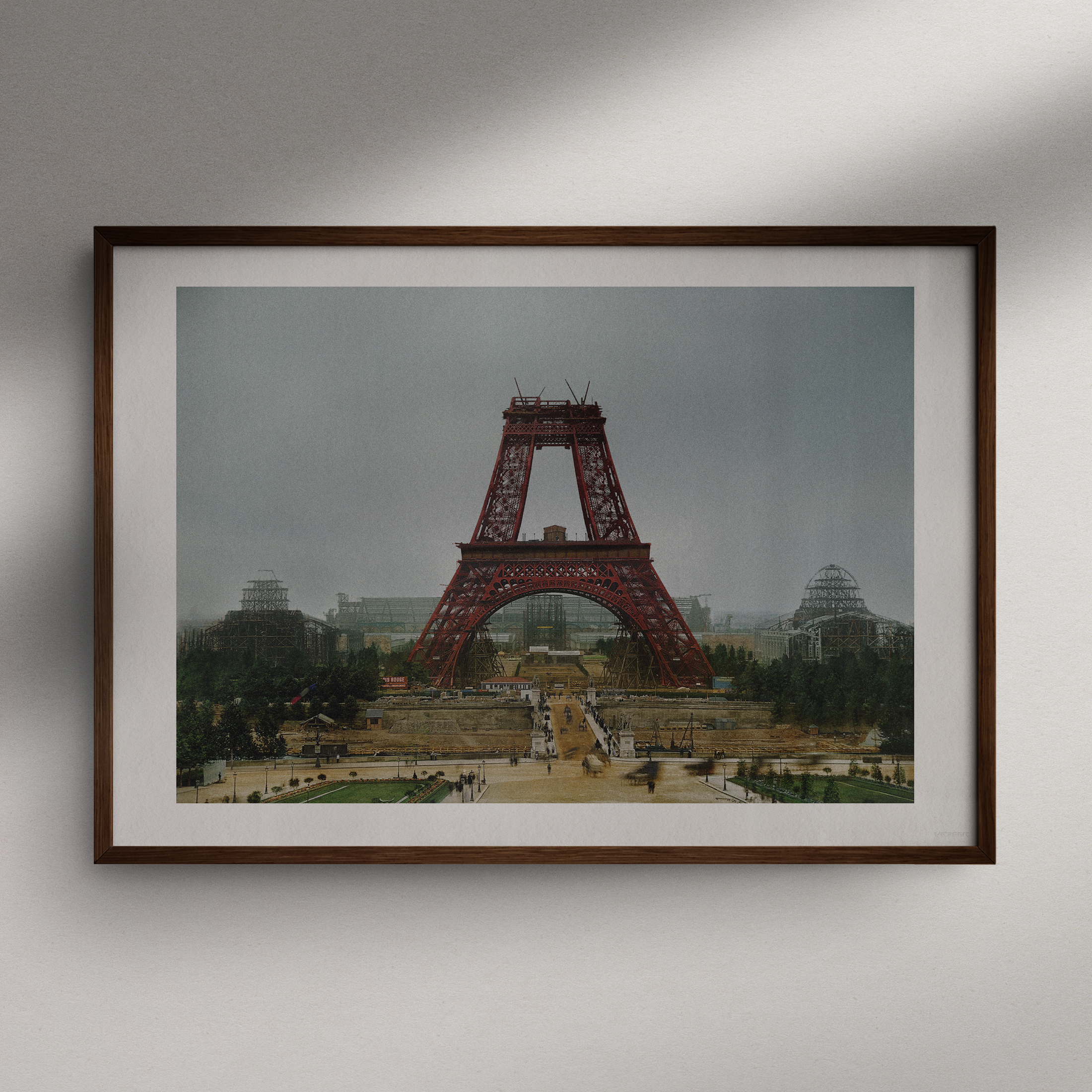
Unseen Histories relies on your patronage to operate. You can support us by purchasing an Archival Giclée Art Print via our webstore. Thank you for your support.
Op-ed
More from around the web –
“Monsters exist, but they are too few in numbers to be truly dangerous. More dangerous are…the functionaries ready to believe and act without asking questions.”
― Primo Levi
Thanks for reading The Dispatch by Unseen Histories. Edition #5 will be published week beginning March 10, 2025. You can read previous editions in our archive.
📸 Dive into our Features
🎤 Read Interviews
🎧 Listen to Podcasts
🖼️ Buy fine art prints & more at our Store


