
The Dispatch Edition #5: Hunting Nazis, Irish Queens & London Sheep
Week beginning March 10, 2025


Welcome to Edition #5 of The Dispatch.
Hello,
Jordan here, the Creative Director at Unseen Histories.
This is Edition #5 of The Dispatch, our free email roundup of long-form pieces, previews, interviews, pictures and more published on Unseen Histories; curated in one place for you to read at your leisure.
For compliancy, if you don’t wish to hear from us again, you can find an unsubscribe link at the bottom every email, but I hope you’ll find The Dispatch a welcome addition to your inbox.
You can read previous editions in our archive.
Many thanks for reading,
– Jordan Acosta, Creative Director, Unseen Histories

Headlines
The latest from Unseen Histories –
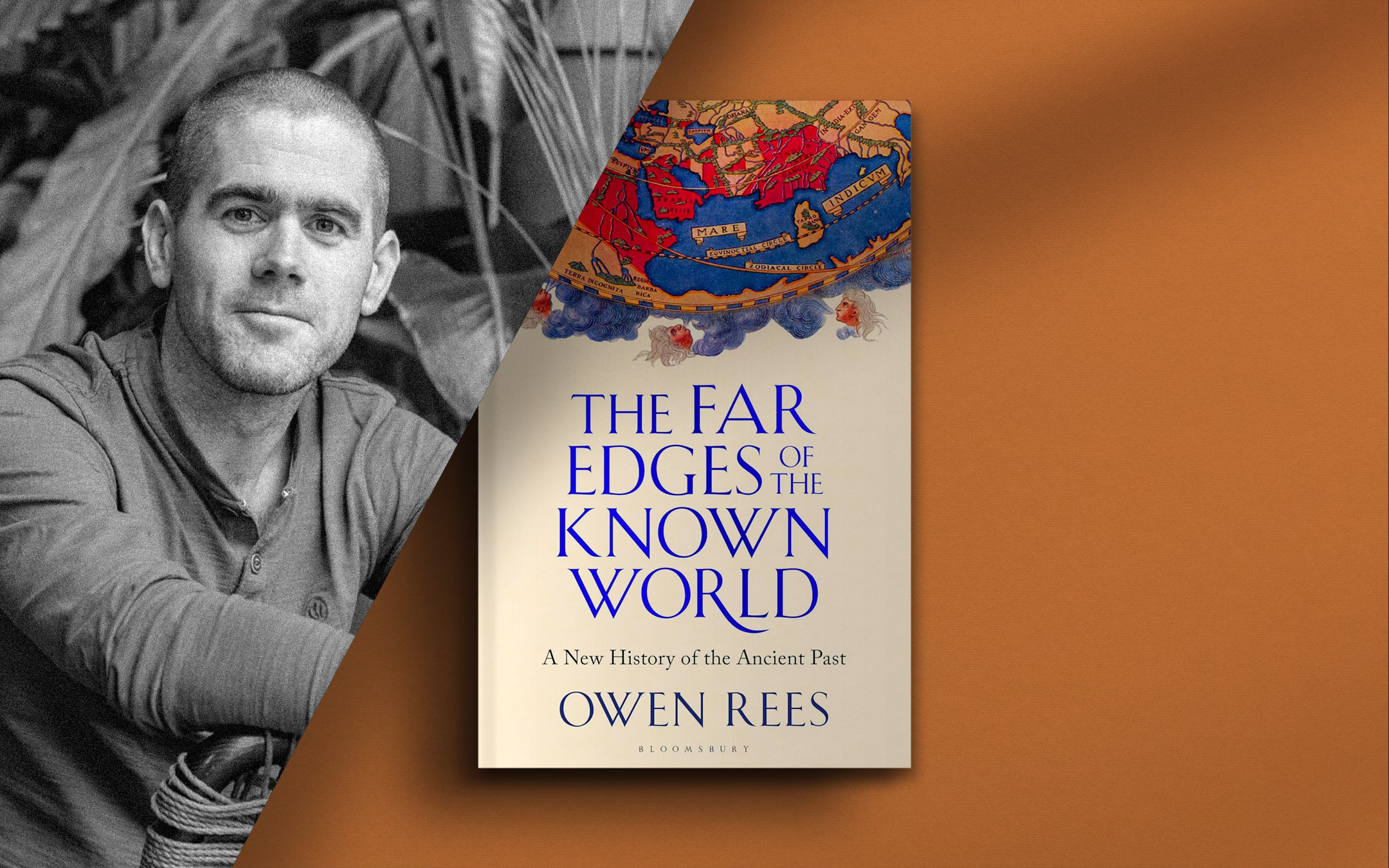
The Far Edges of the Known World with Owen Rees
Owen Rees leaves Athens and Rome behind and strikes out for the lesser known regions of the ancient world
When we talk of the ancient past it is easy for our minds to fly to the Platonic Academy in Athens or the Colosseum in Rome.
Here, in the glint of a gladiator's sword or the crechendo of a philosopher's speech, we can glimpse the majesty of times long past.
In his new book, Owen Rees ushers us away from these familiar spaces. We have much to learn, he argues, by refaming the view and looking outwards to 'the far edges of the known world'.
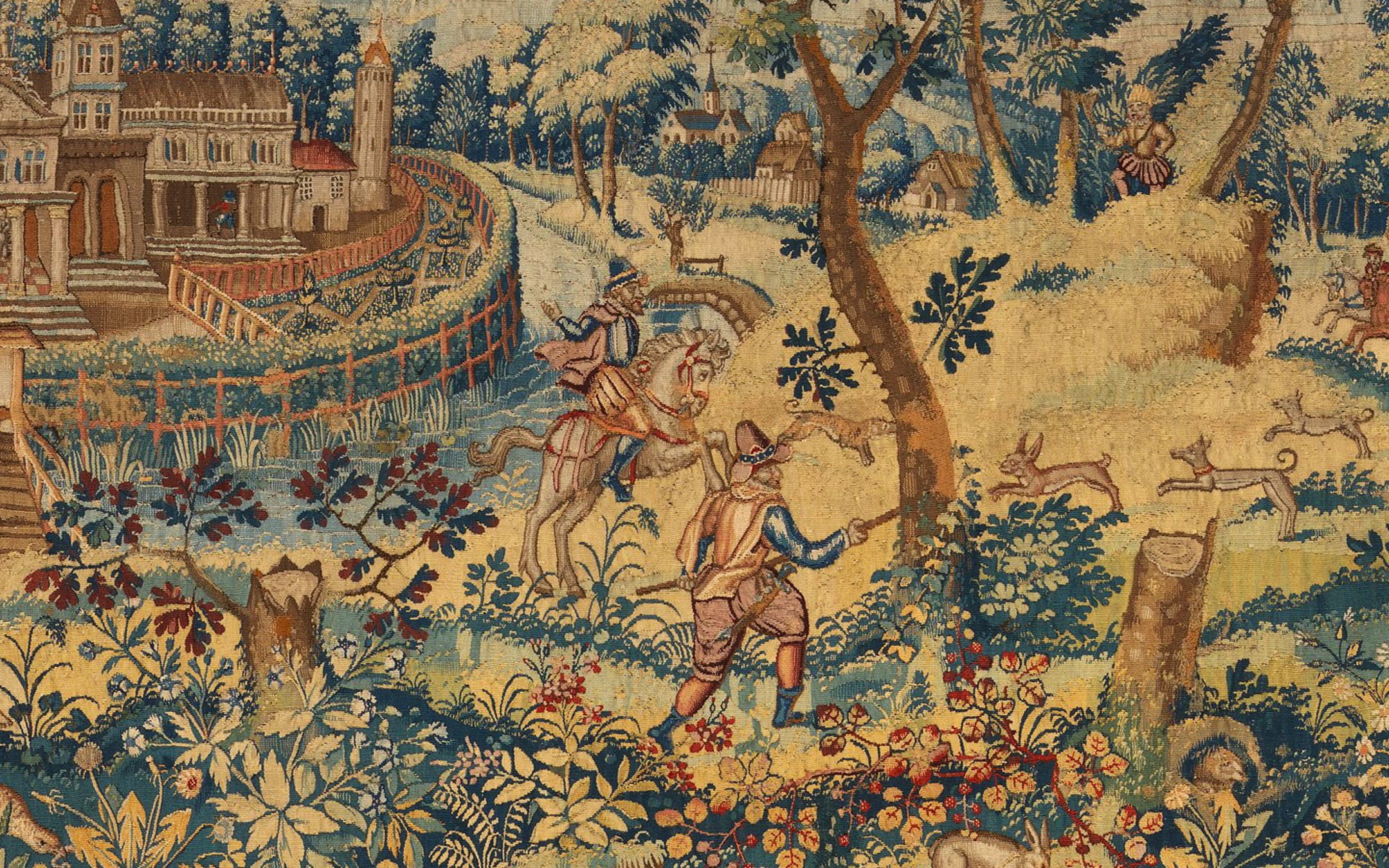
Shakespeare’s Lost Years
Tinker? Tailor? Soldier? Spy? Howard Linskey looks back at the most mysterious phase of Shakespeare's life
We all know the plays: Romeo and Juliet, Othello, The Merchant of Venice, A Midsummer Night's Dream. The list stretches on and on.
But when it comes to the man himself, things become rather more hazy. For centuries biographers have struggled to assemble a clear picture of Shakespeare's life.
Nowhere is this challenge any more acute than between the years 1585 and 1592. These, broadly put, are the formative years of the playwright's twenties. But what exactly was he doing during them?
In this article Howard Linskey, the author of a new spy novel, A Serpent in the Garden, casts his eye back over these enigmatic years.
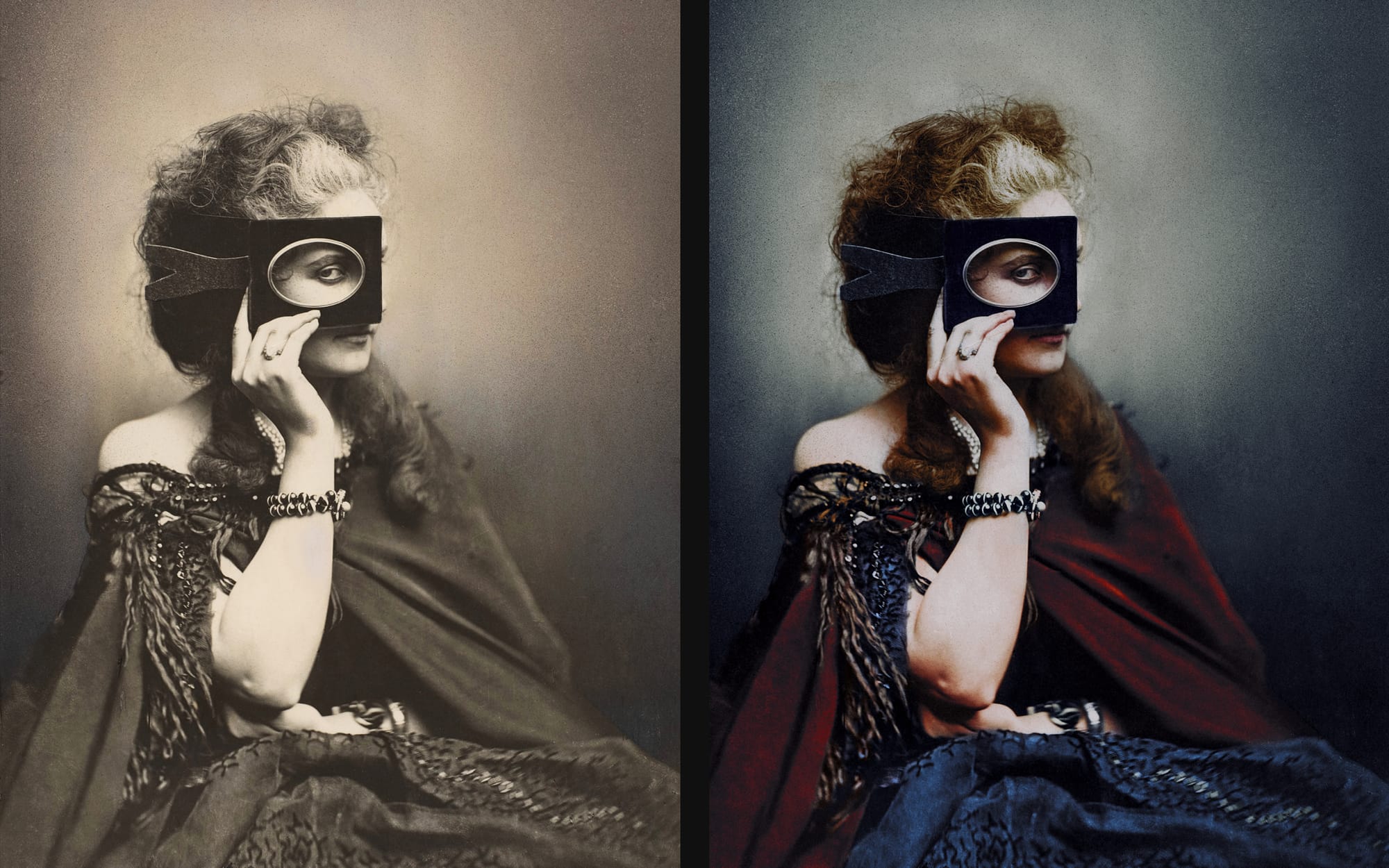
1865: Meet the Countess of Castiglione
In the 1860s, 'La Divine Comtesse' was considered the most beautiful woman of her day
Throughout her life the Countess of Castiglione collaborated with the French photographer Pierre-Louis Pierson.
Their joint aim was to capture the beauty and style of a lady who was described, when she died in 1899, as 'one of the most extraordinary women of this century'.
Few who saw the countess in her heyday at the Tuileries would disagree with this. The countess was the undisputed star of the court. 'A woman of brilliant parts and great wealth', she dazzled her lover Napoleon III and set conversation and trends alight across Europe.
It was during these years of society success that Pierson and the countess produced one of the most striking images in the early history of photography.
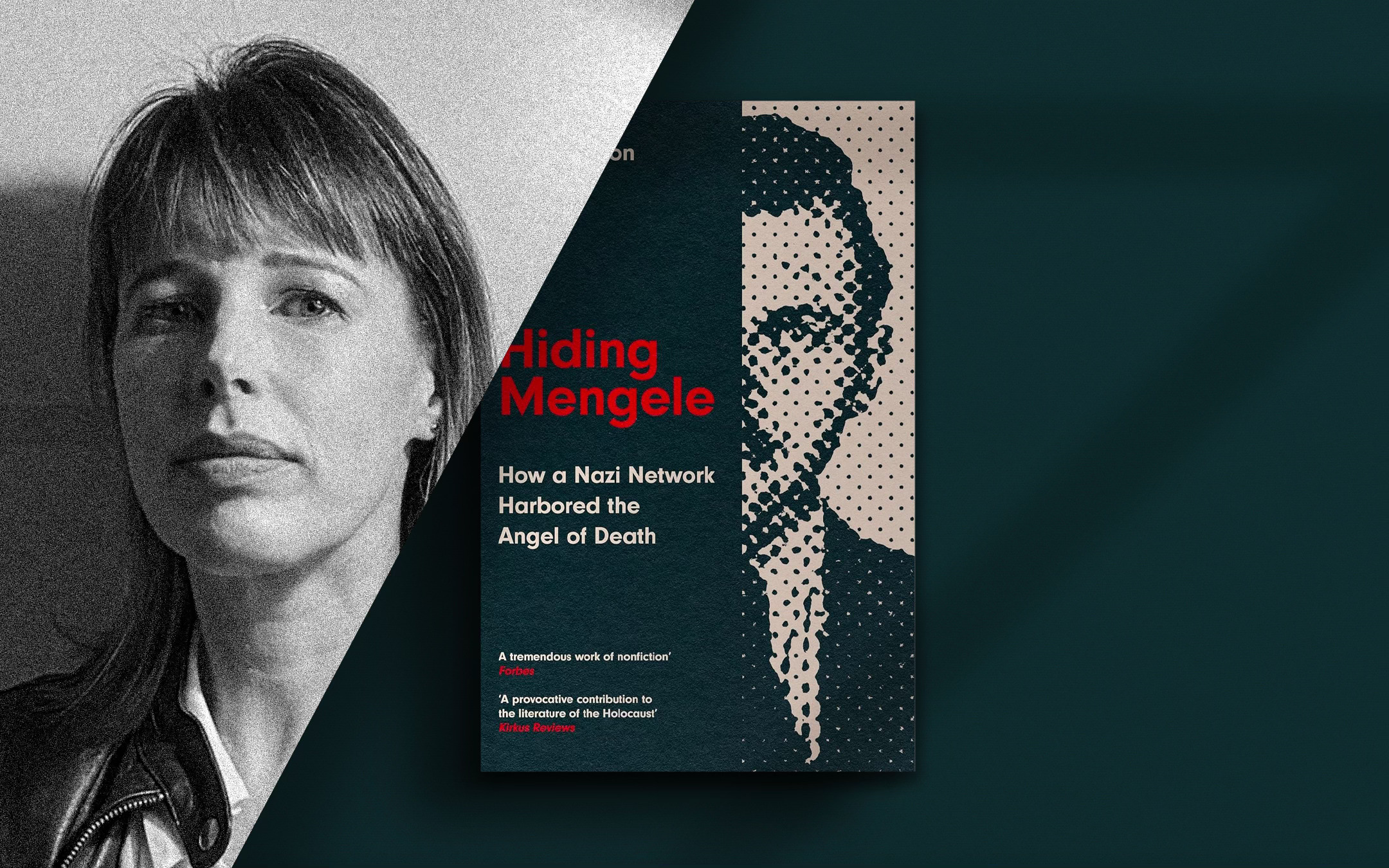
Josef Mengele the Elusive Nazi
Owen Rees leaves Athens and Rome behind and strikes out for the lesser known regions of the ancient world
Even in the context of Nazi villainy, the crimes committed by Josef Mengele stand out.
Infamously known as the 'Angel of Death' for his actions at the Auschwitz Extermination Camp, Mengele was one of the many who vanished in May 1945.
Unlike Adolf Eichmann who was captured in Argentina in 1960, Mengele's whereabouts long remained a mystery. Despite having a team of Mossad agents tasked with his capture, no trail was found that led to the fugitive.
Only in the mid-1980s was the mystery finally unravelled. Rather than Paraguay, Spain or Cairo, the story that had been concealed for so long lay in São Paulo, Brazil.
Here Betina Anton, author of a courageous new book, Hiding Mengele, explains how she became involved in one of the greatest manhunts in postwar history.
Bookshelf
Previews, excerpts, and more from the very best published history books –
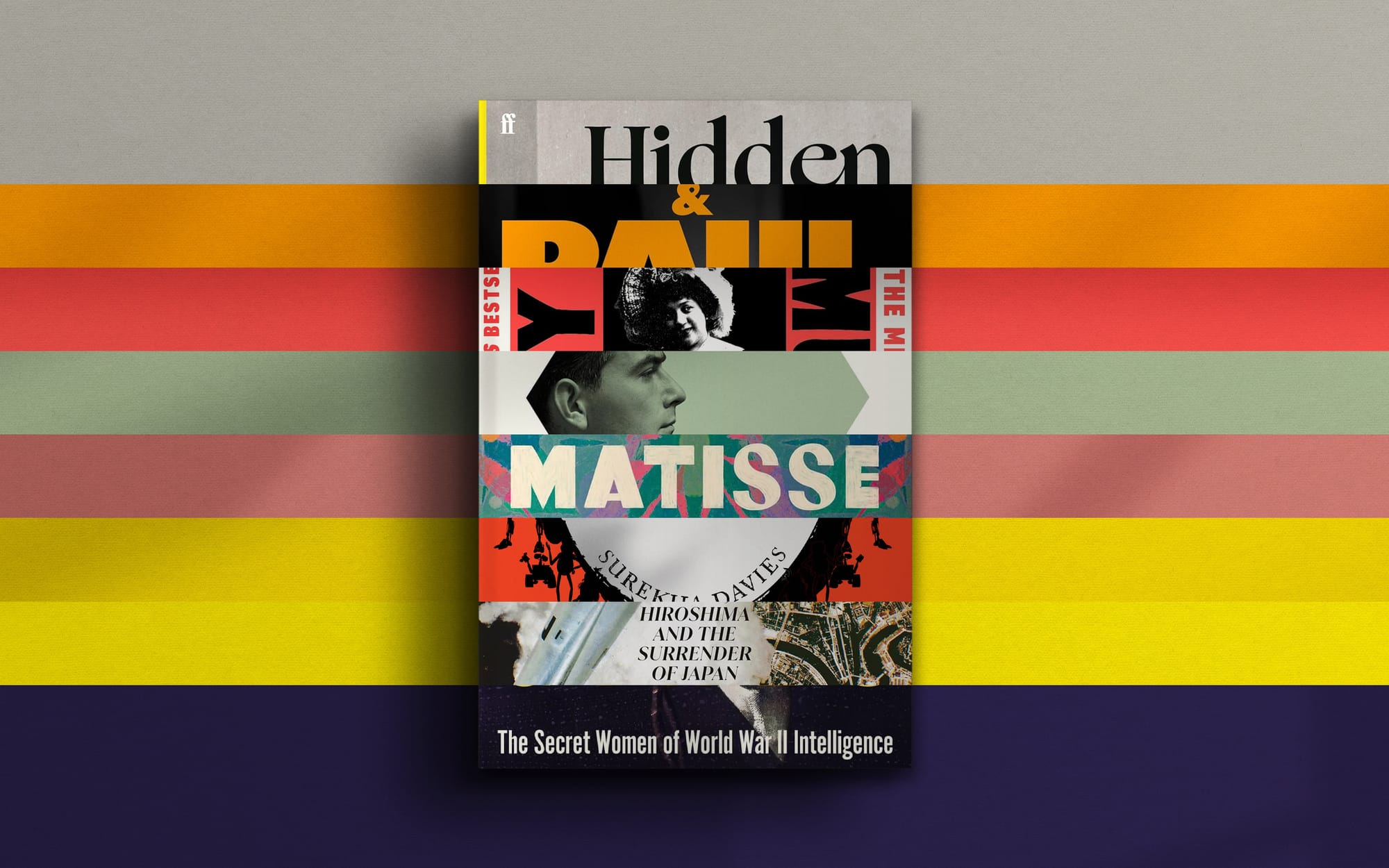
New History Books for March 2025
From Picasso to Lloyd George, Japan to the Beatles, here is a selection of anticipated new history books released over the month ahead.
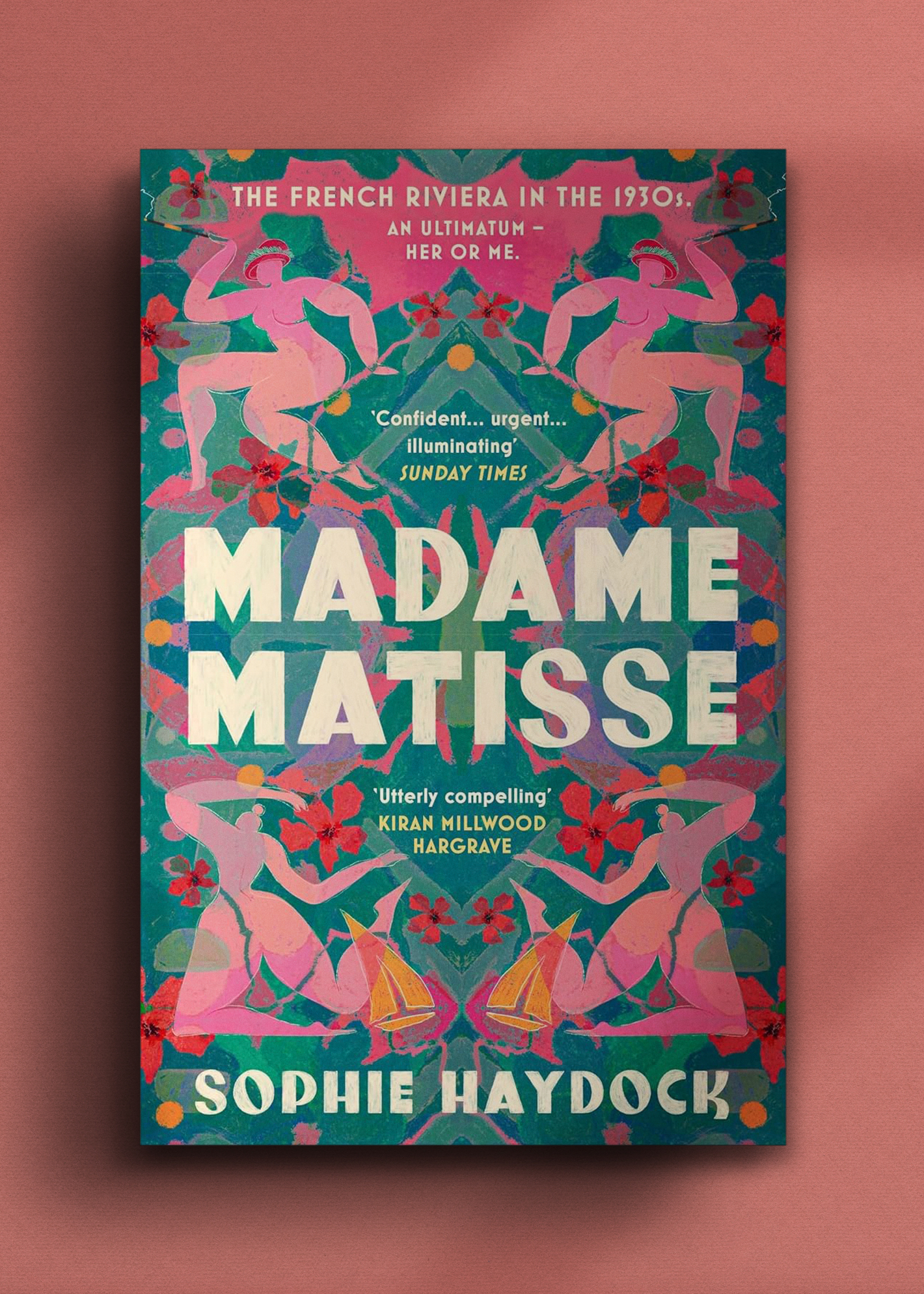
Jordan’s Pick: Madam Matisse by Sophie Haydock (Doubleday) –
I was enthralled by Haydock’s debut novel The Flames, following the lives of the women associated with the Austrian artist Egon Schiele in the early 1900s. For her second book, Haydock turns her attention to France, giving us a glimpse into the work and times of Henri Matisse through the eyes of his family – and an outsider.
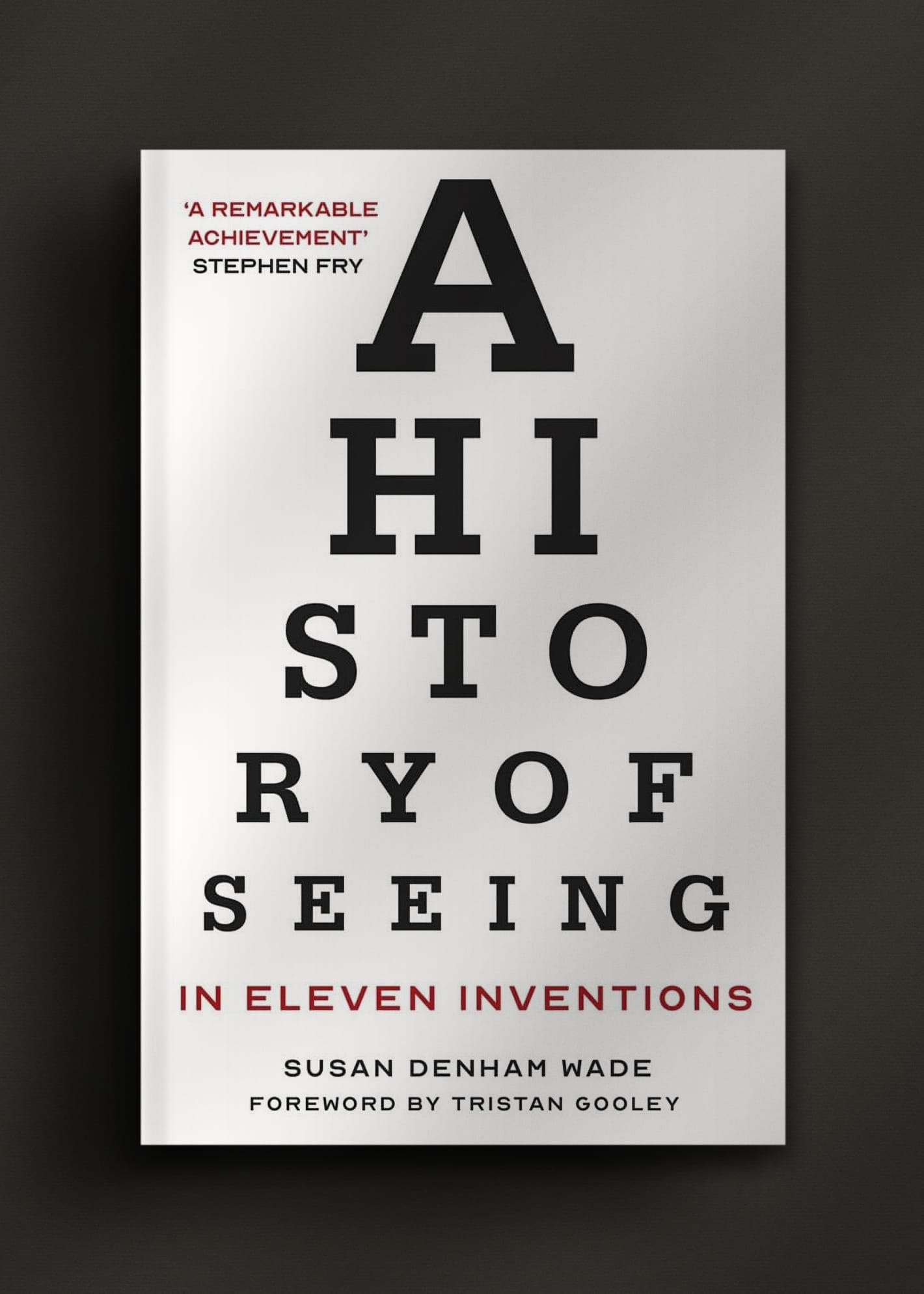
Jam-packed with fascinating stories, facts and insights and impeccably researched, this excerpt from A History of Seeing in Eleven Inventions investigates the story of seeing from the evolution of eyes 500 million years ago to the present day. Time after time, it reveals, inventions that changed how people saw the world ended up changing it altogether.
Jordan’s Pick –
Susan Denham-Wade’s wonderful history of optics was the very first excerpt we ever featured on Unseen Histories, and set the template for our rapidly growing historical non-fiction extracts.
Back Page
Stories from the Unseen Histories’ archives –
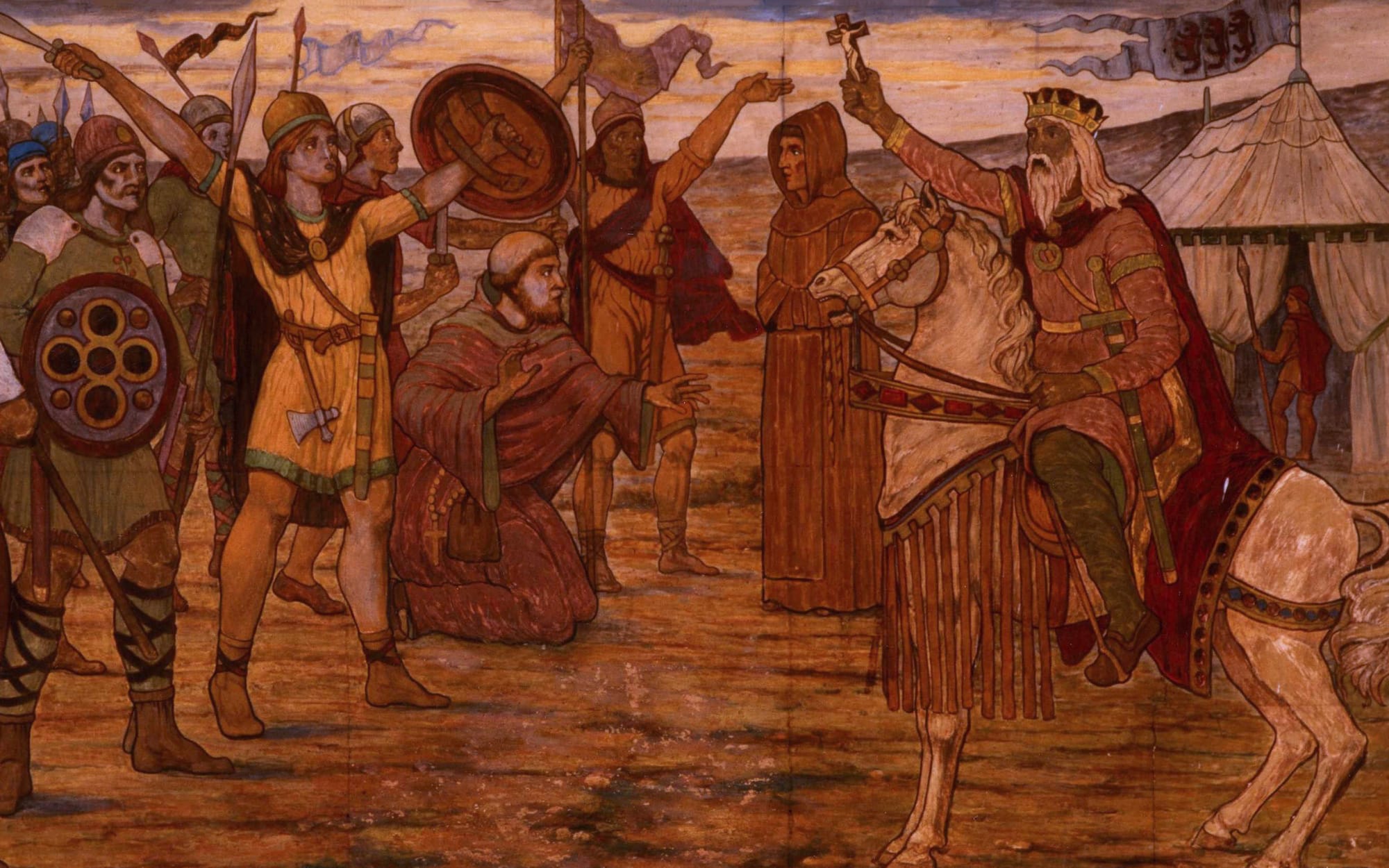
Gormflaith: An Irish Queen
Shauna Lawless investigates the life of an elusive and beguiling figure
A thousand years ago a powerful woman called Gormflaith lived in Ireland. A daughter of the King of Leinster and the wife of the King of Dublin, the details of Gormflaith’s life nonetheless remain difficult to define. Long maligned by historians who have portrayed her as a conspirator and a temptress, Gormflaith has even been accused of orchestrating the great Battle of Clontarf. But is this fair? The author Shauna Lawless tells us more about this enticing figure from Ireland past.
Snapshot
Our picks from the picture archives, remastered –
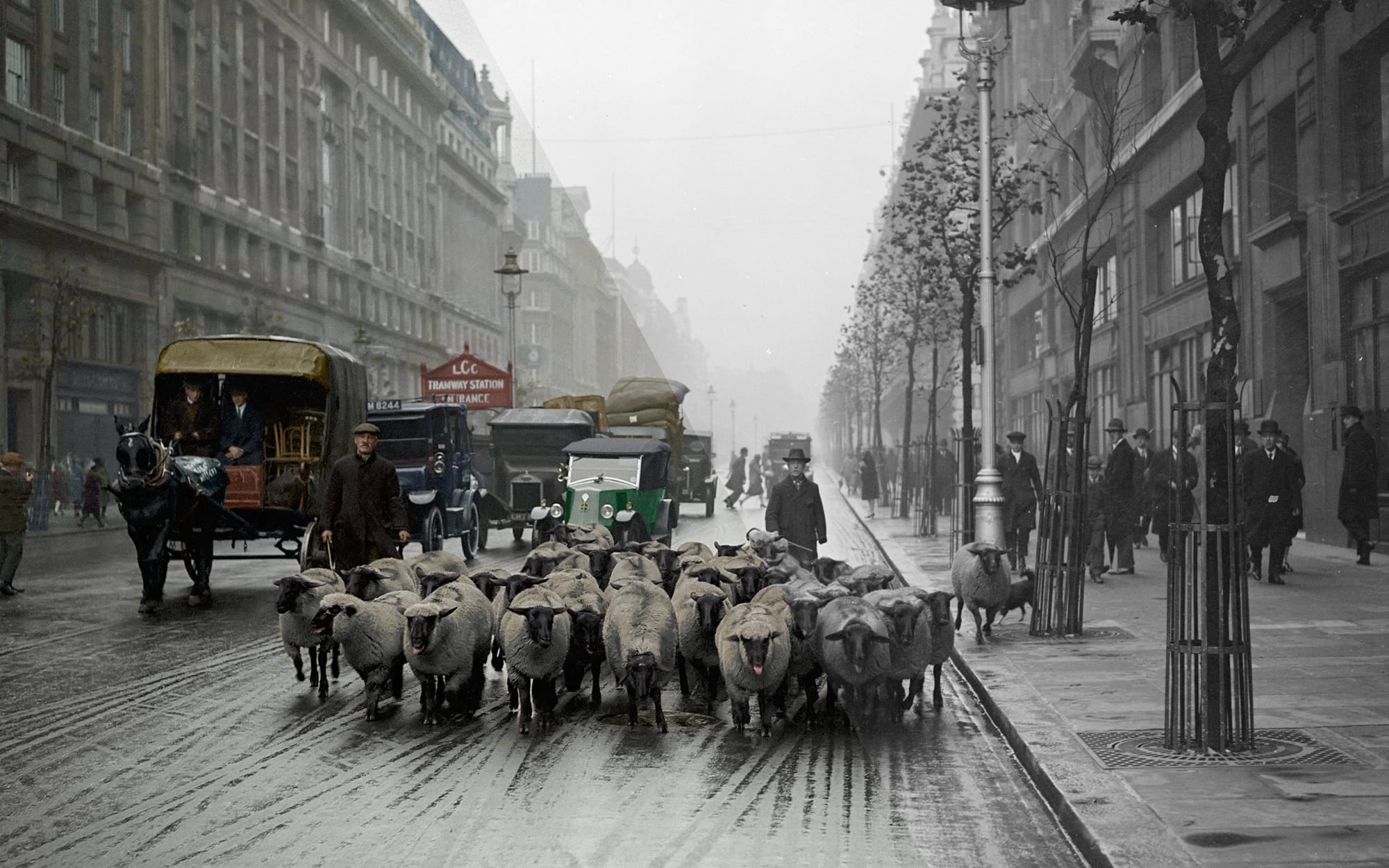
1926: Driving a Flock of Sheep through London
In the 1920s the last traces of old Dickensian London faded as the modern city grew at pace
In the old days it was common to see farm animals tramping through central London. Drovers and shepherds would mingle on the streets with horses and carts, traps and barrows.
Scenes like there were a familiar feature of Dickens's novels and even in the Sherlock Holmes short stories Baker Street was animated by animals of various kinds.
But by 1926, when the photograph above was taken, this old world was in fast retreat. Motor cars and bikes, bicycles and busses, began to appear in ever increasing numbers.
It is the contrasts between these different worlds that makes this photograph so compelling.
There is the old and the new, the country and the city. At the centre of the scene the shepherd and his flock march determinedly onwards, in the cold light of a bitter winter's day.
Jordan’s Pick –
Another image from my first book, The Paper Time Machine, a familiar sight to me looking down the Kingsway towards the Strand in London. I remember trying to find the exact spot this extraordinary photograph was taken, marvelling at how large the London Plane trees had grown over the last century.
Op-ed
More from around the web –
A badly burnt scroll from the Roman town of Herculaneum has been digitally "unwrapped", providing the first look inside for 2,000 years. The document, which looks like a lump of charcoal, was charred by the volcanic eruption of Mount Vesuvius in 79AD and is too fragile to ever be physically opened. But now scientists have used a combination of X-ray imaging and artificial intelligence to virtually unfurl it, revealing rows and columns of text.
– Rebecca Morelle
“Everything that we see in our daily lives is more or less distorted by acquired habits and this is perhaps more evident in an age like ours when cinema posters and magazines present us every day with a flood of ready-made images which are to the eye what prejudices are to the mind. The effort to see things without distortion demands a kind of courage; and this courage is essential to the artist, who has to look at everything as though he were seeing it for the first time.”
― Henri Matisse
Thanks for reading The Dispatch by Unseen Histories. Edition #6 will be published week beginning April 14, 2025. You can read previous editions in our archive.
📸 Dive into our Features
🎤 Read Interviews
🎧 Listen to Podcasts
🖼️ Buy fine art prints & more at our Store


