
The Dispatch Edition #7: Victorian London, VE Day, & the Voynich Manuscript
Week beginning May 26, 2025


Welcome to Edition #7 of The Dispatch.
Hello,
This is Edition #7 of The Dispatch, our free email roundup of long-form pieces, previews, interviews, pictures and more published on Unseen Histories; curated in one place for you to read at your leisure.
You can read previous editions in our archive.
Many thanks for reading,
– Jordan Acosta, Creative Director, Unseen Histories

Headlines
The latest from Unseen Histories –
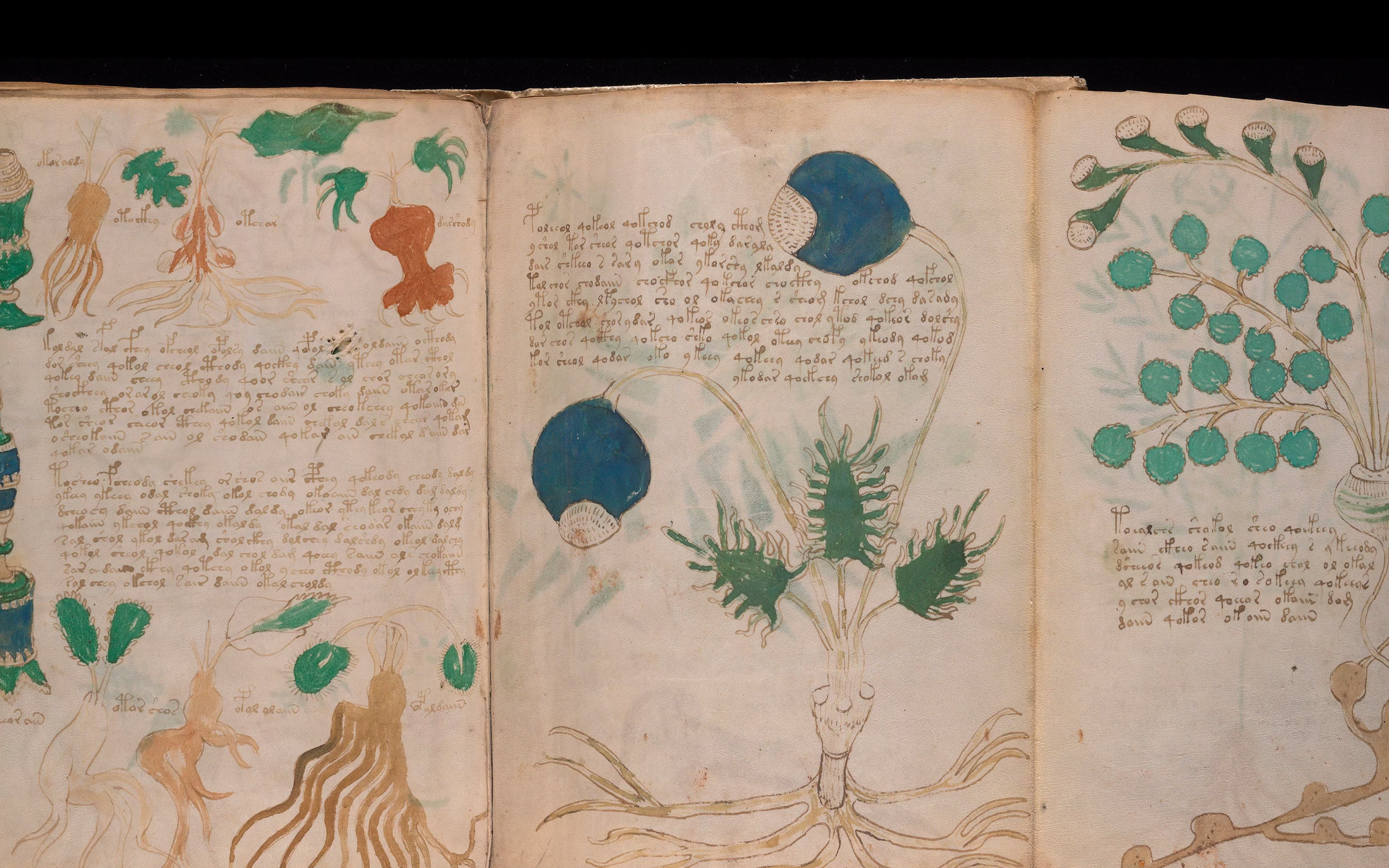
The Medieval Age was a time of great form and elegance, craftmanship and colour.
These qualities are present in many of the beautiful illustrated manuscripts that were created in those centuries. Produced by hand and rich in meaning, many of these manuscripts continue to enchant scholars today.
But among them all the Voynich Manuscript, discovered in 1912 and kept today at Yale University, has a particular appeal.
Here Garry J. Shaw, the author of Cryptic, tells us about the world's most mysterious manuscript.
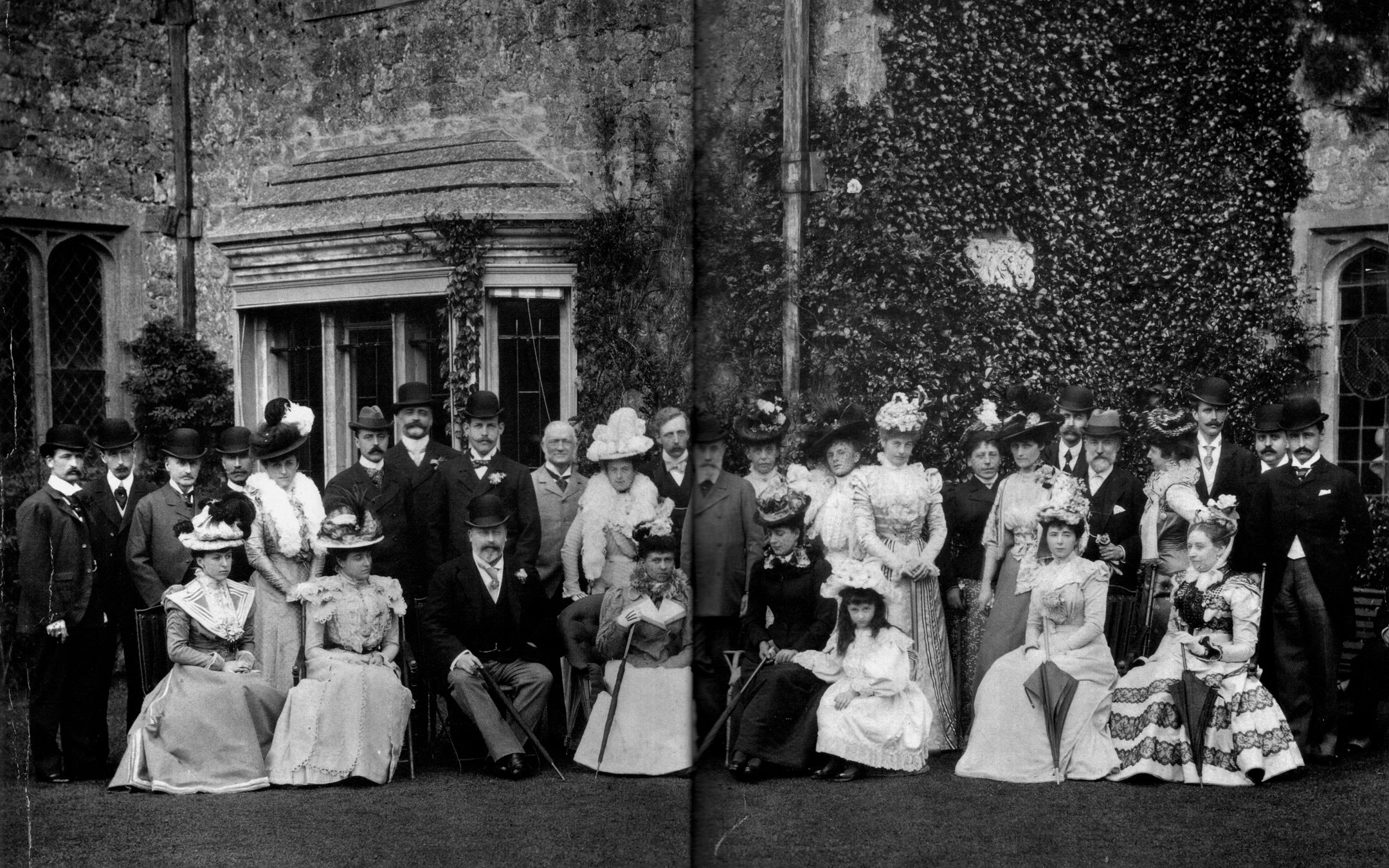
The Mysterious Miss Charlesworth
Mark Bridgeman explores the story of one of Britain's great swindlers
A little more than a century ago, in the time of Dr Crippen and Sherlock Holmes, Edwardian Britain was transfixed by the audacious crimes of a lady called Violet Charlesworth.
Mark Bridgeman is the author of a new book, Nothing for Something, that reconstructs the slippery life of a lady whose relish for dishonest trickery turned her, for a short time, into 'the most famous woman in the world'.
Jordan’s Pick –
Working on the images with our editor, Peter Moore, I became absorbed by this astonishing story of the Edwardian-era’s greatest scammer. Bridgeman does a fine job in delivering the highlights of Charlesworth’s career in brazen thievery.
Bookshelf
Previews, excerpts, and more from the very best published history books –
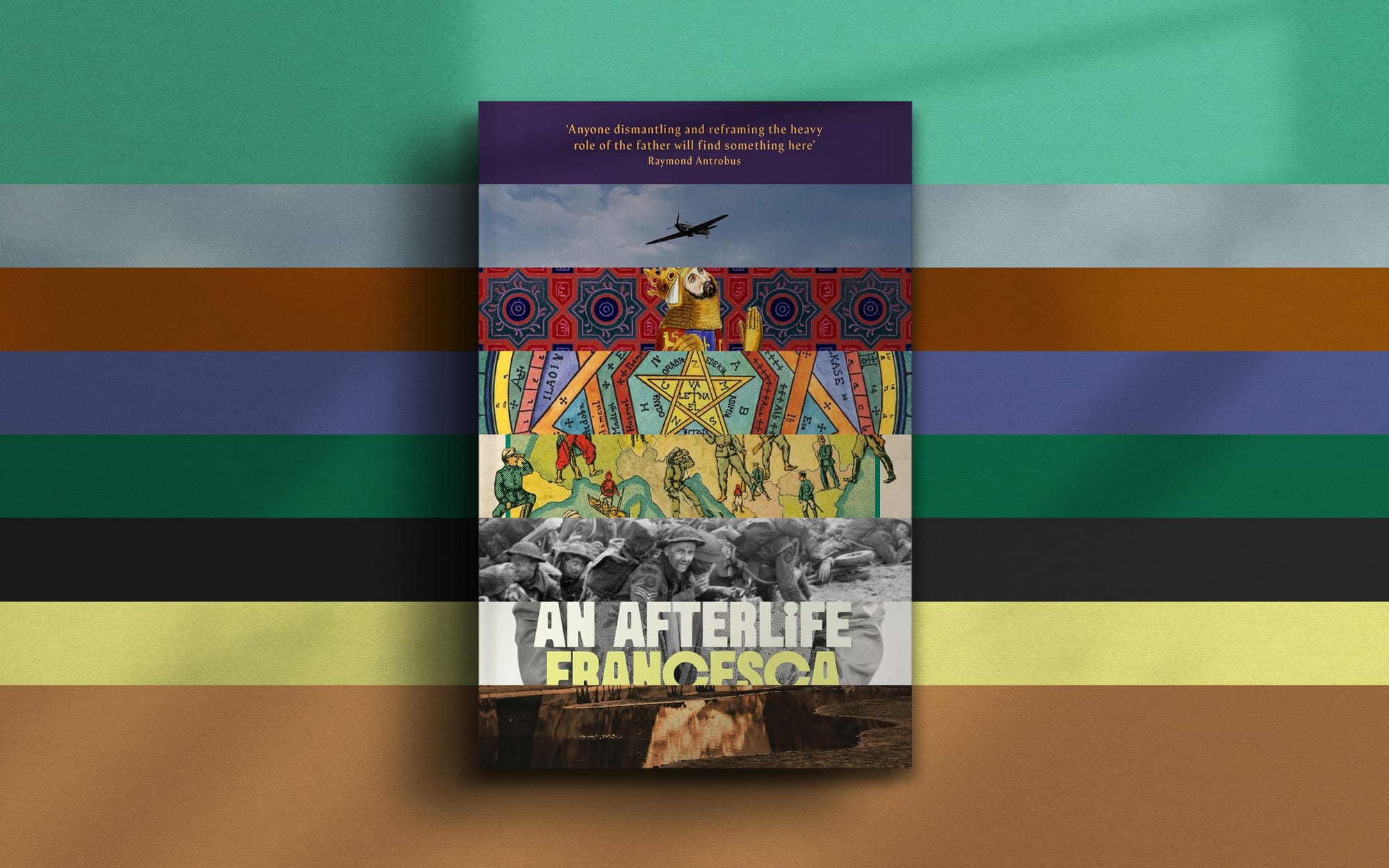
New History Books for May 2025
From Gertrude Stein to Thomas More, the Sahara Desert to D-Day, here is a selection of anticipated new history books released over the month ahead.
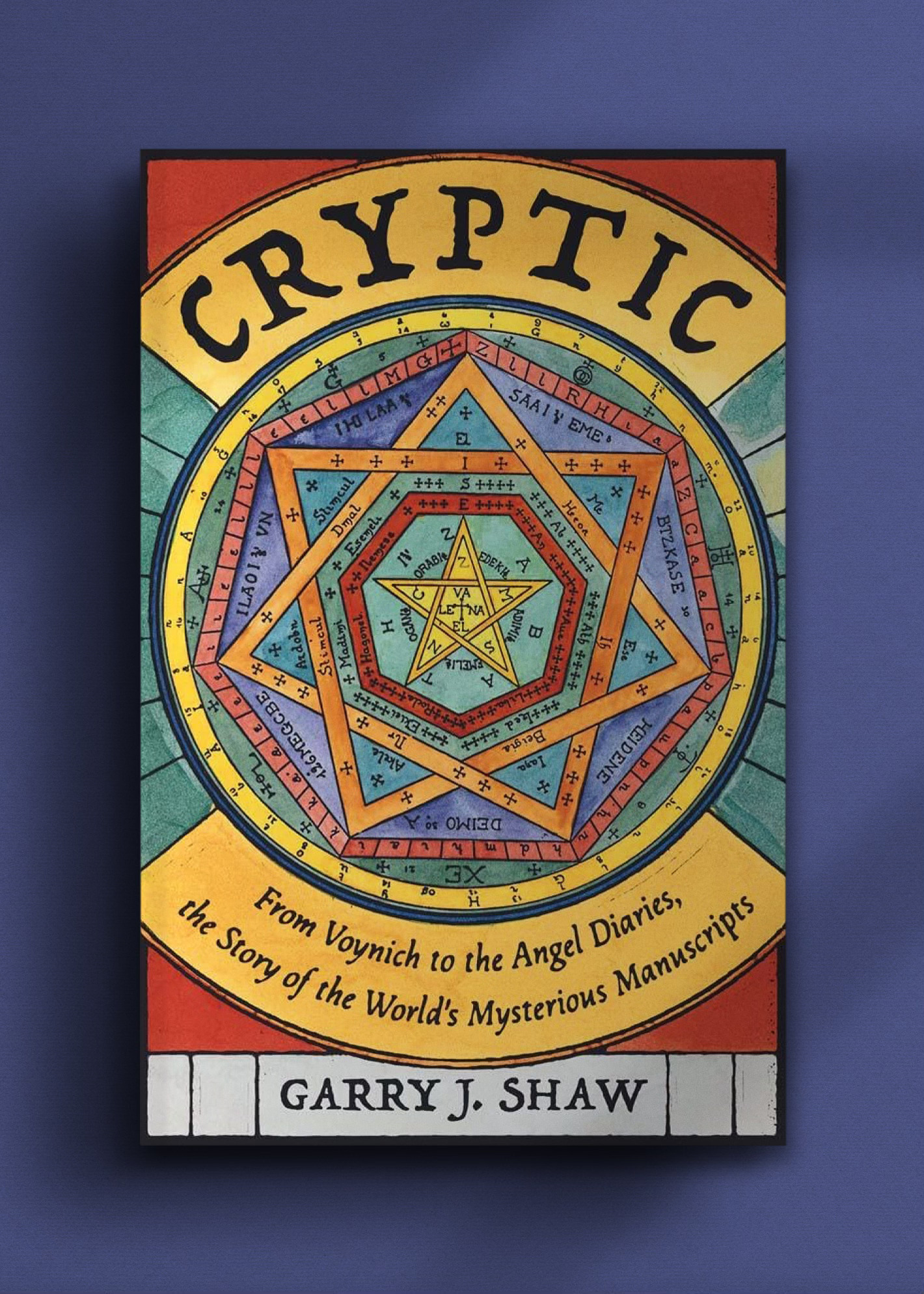
Jordan’s Pick: Cryptic by Garry J. Shaw (Yale University Press) –
The as-yet-undeciphered Voynich Manuscript has captivated me for over a decade, so when I learned Unseen Histories’ contributor Garry J. Shaw was was writing a book about it (and other mysterious documents), my interest was immediately piqued. You can learn more about the history of the Voynich Manuscript in the feature linked above.
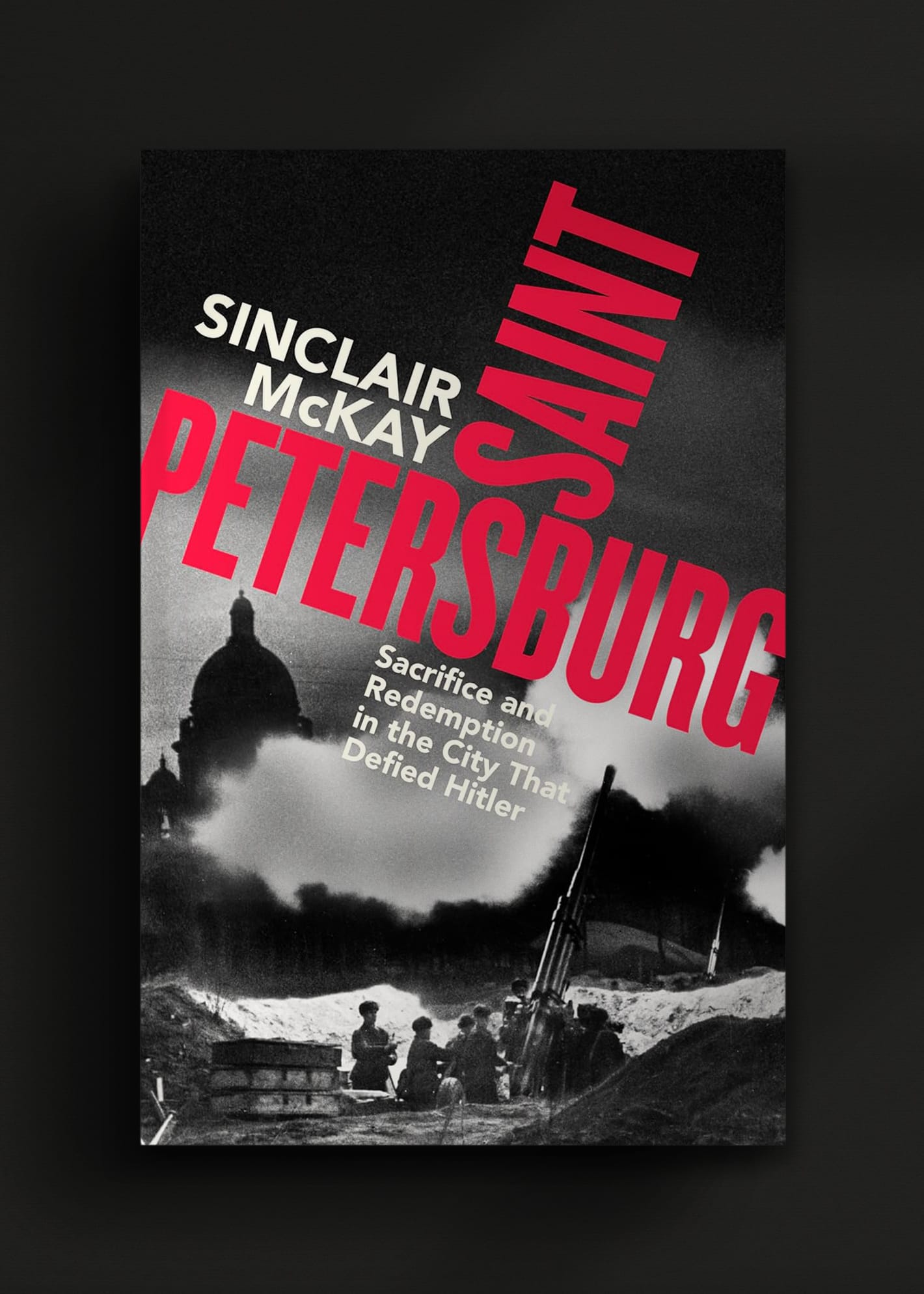
Alexander Pushkin and the City of Death and Beauty
Sinclair McKay explores the significance of one of Russia's great poet's death to the people of Saint Petersburg
Few cities have withstood as much as Saint Petersburg. During World War Two the siege the Nazis laid upon it between 1941-4 was unlike anything that had gone before in human history.
Out of this suffering, and the resolve the people of the city displayed, rose one of Russia's great national stories.
This was a story of pride and endurance. Few could suffer like the people of Saint Petersburg and still emerge triumphant.
But the city is not just about resolve. As Sinclair McKay explains in his new history of Saint Petersburg, it is also a place of creativity.
Few personify this singular spirit as well as the poet and playwright Alexander Pushkin.
Back Page
Stories from the Unseen Histories’ archives –
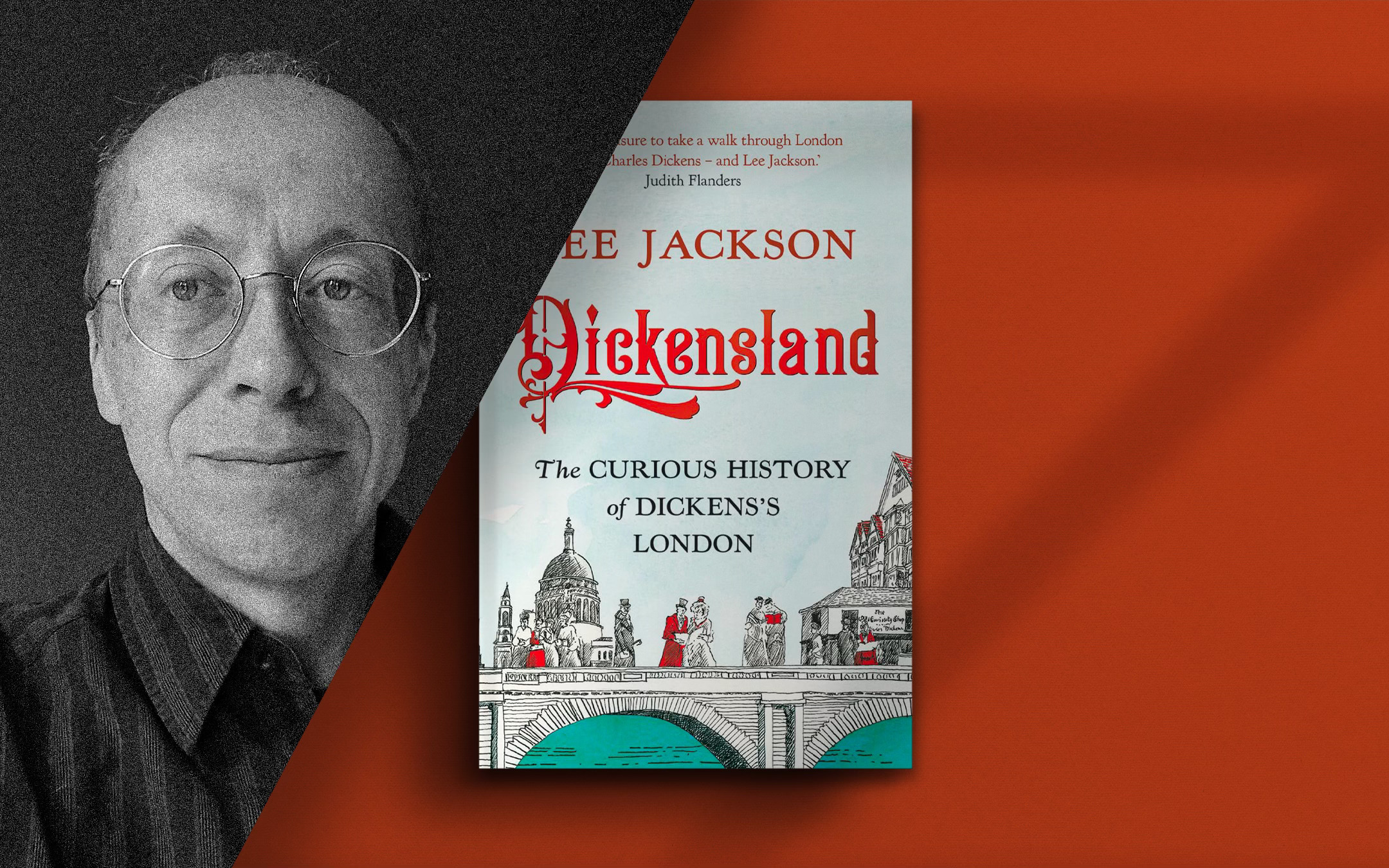
In 1866 the American writer Louisa May Alcott, author of Little Woman, spent a day in London scenting out memorable locations from Charles Dickens’s novels. In doing so she became the pioneer of a new kind of literary tourism.
Lee Jackson, an expert on Victorian London and the author of a sweeping new book, Dickensland, tells us more.
Jordan’s Pick –
This interview with Victorian-era expert Lee Jackson (author of the brilliant A Dictionary of Victorian London: An A-Z of the Great Metropolis) was our first long-form interview, originally published September 2023. We will be sharing more of our extensive back catalogue on Substack and in your inbox over the coming months.
Snapshot
Our picks from the picture archives, remastered –
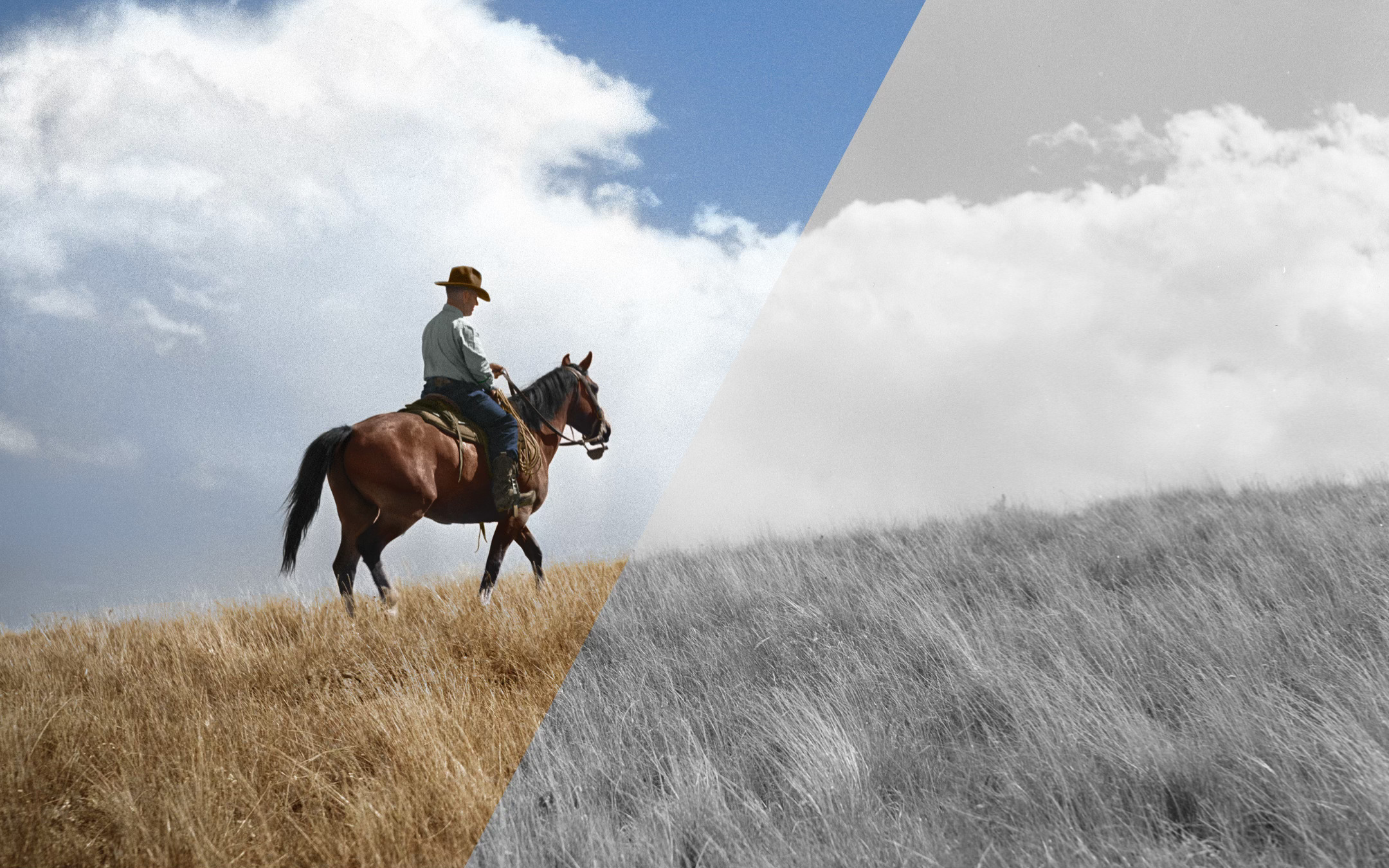
1939: A Montana Rancher
Louis D. Hall explores the history behind one of Arthur Rothstein's finest photographs
Along with Dorothea Lange and Jack Delano, Arthur Rothstein was part of a brilliant generation of American photo journalists who were deployed in the 1930s to capture scenes of rural life.
In 1939 Rothstein visited vast but sparsely populated Montana. Here he watched the ranchers at work, capturing a fine portrait of one in the grasslands.
In this journey on The Paper Time Machine, Louis D. Hall, author of the book In Green, examines the photograph and reflects on the cultural history of ranching in the United States of America.
Jordan’s Pick –
I have spent my career restoring (and adding colour) to archive photography and video. My aim has always been to present an authentic historical interpretation alongside the original document. A frequent comment I receive is ‘bringing the past to life’, which is a nice thing to hear, but the real magic for me is digging out the hidden story or context behind images which have almost no information to work with.
Here, Louis presents a fascinating history of ranching in the United States to add context to one of my all time favourite photographs.
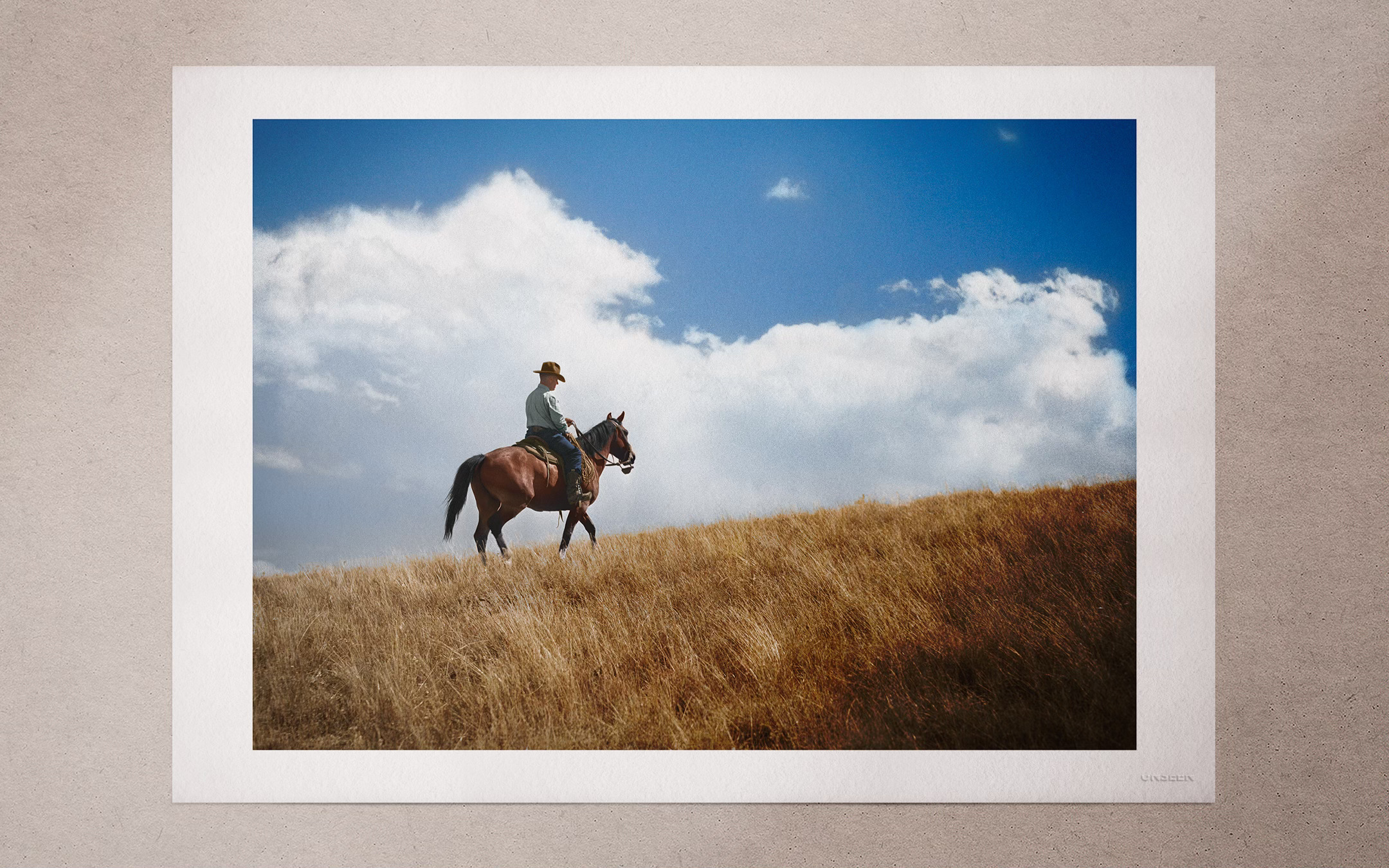
You can support Unseen Histories by purchasing an Archival Giclée Art Print via our webstore. Thank you for your support.
Op-ed
More from around the web –
In 1932, a photo was taken showing 11 New York ironworkers casually eating their lunch while sitting on a steel beam at the top of a skyscraper. No safety harnesses, no helmets. Their legs dangle freely over the death-defying drop. 'Lunch atop a Skyscraper' is now one of the most famous pictures in the world but it's an image surrounded in mystery. For years, the identity of its photographer and the 11 men have been unknown. Christine Roussel, archivist at the Rockefeller Center, tells Vicky Farncombe about her mission to uncover the photo’s secrets.
– Vicky Farncombe, BBC
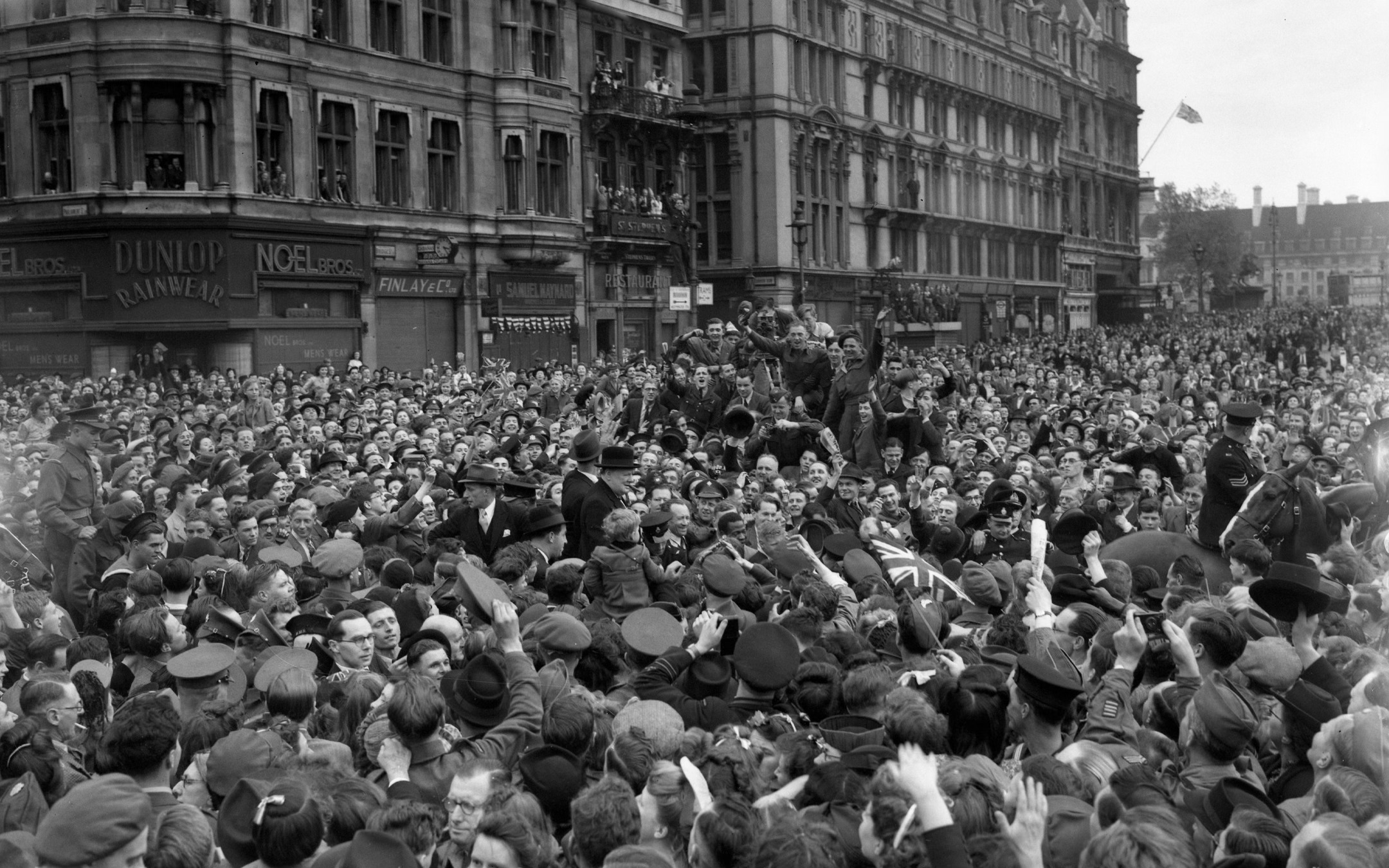
As evening fell over London the royals kept appearing at the balcony until midnight, while searchlights were brought out to illuminate St Paul’s rather than protect it.
The night that followed was particularly memorable for some. Copulation was reported in Green Park, and park benches were used to make great bonfires. It was the fire brigade’s busiest night since the Blitz.
One who never forgot it was a young woman who had just turned 19. She had been dressed in uniform all day, but put on a white evening gown for the night and slipped into the crowds by the Palace. The young Princess Elizabeth had a few years left before awesome responsibility fell on her shoulders but, on this night, she was afforded the chance to be young and free.
– Jack Blackburn, The Times
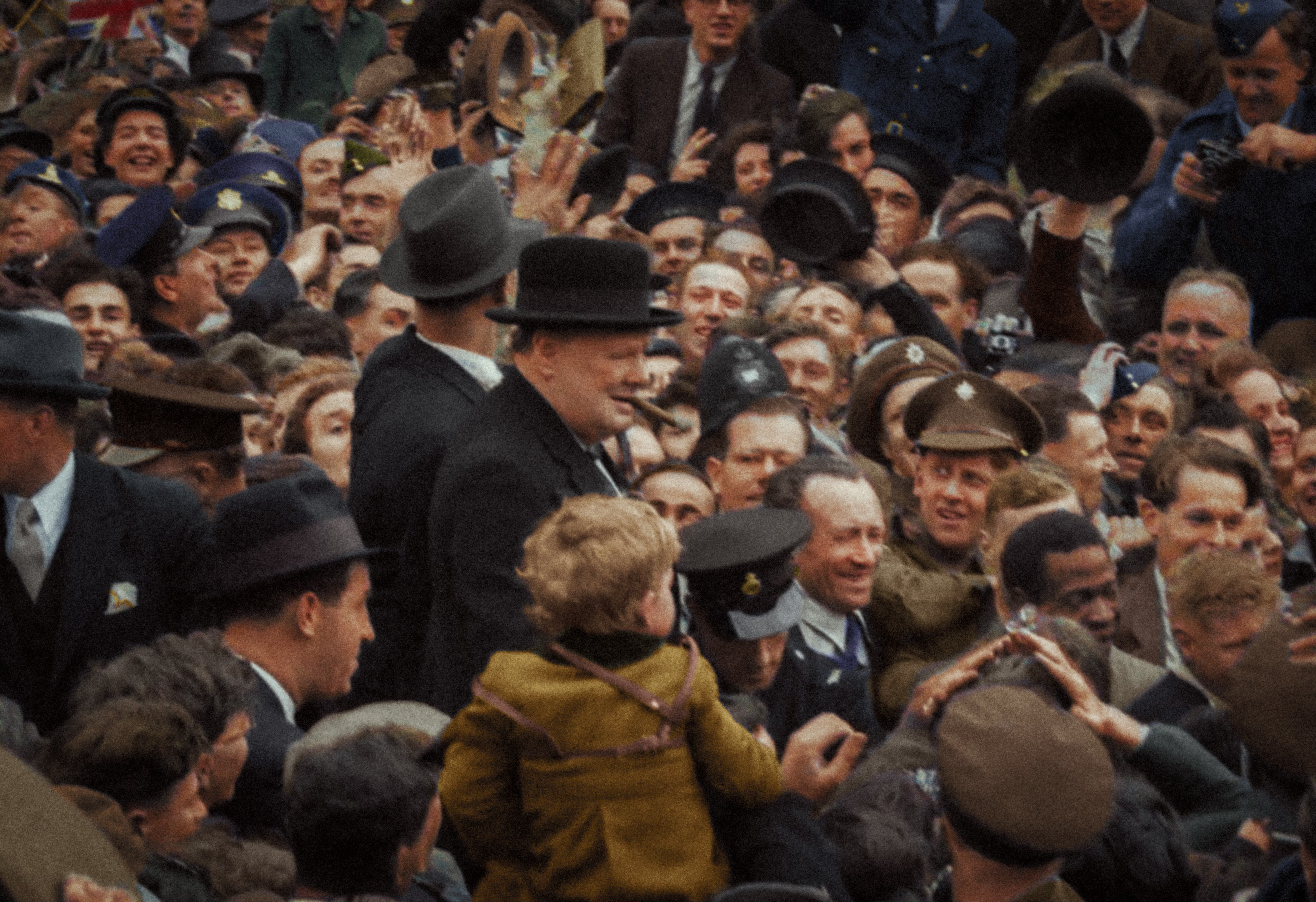
Collaboration: VE Day as it happened: how the European war ended in real time
Read The Times’ coverage of the 80th anniversary of VE Day earlier this month, for free, with restored and colorized photographs by the Unseen Histories Studio.
Thanks for reading The Dispatch by Unseen Histories. Edition #8 will be published week beginning June 23, 2025. You can read previous editions in our archive.
📸 Dive into our Features
🎤 Read Interviews
🎧 Listen to Podcasts
🖼️ Buy fine art prints & more at our Store


