
The Humble Beauty of Britain's Synagogues
Keith Kahn-Harris finds meaning in the lives of everyday Jews


From York Minster to Neasden Temple, the Shah Jahan Mosque to Durham Cathedral, Britain is dotted with elegant religious buildings of all different ages and architectural styles.
But when it comes to Britain's many synagogues this elegance is often replaced by other characteristics. Often they are functional rather than profound, anoymous rather than ostentatious.
Keith Kahn-Harris, author of the book Everyday Jews, has long appreciated this quirk. Here he considers why Britain's synagogues have assumed their current form and what they tell us about the nation's Jewish communities.

A few years ago, I taught an introductory undergraduate course on Judaism at a university in London. I felt that a ‘field trip’ to a real, live synagogue would be beneficial for the students. The nearest one to the university was the West London Synagogue of British Jews and I already knew one of the rabbis, who was happy to welcome and talk to the group.
The visit went well. It was hardly likely that it wouldn’t. Situated near Marble Arch and built in 1870, the West London Synagogue doesn’t look like much from the outside but is magnificent inside. It’s a listed building and regarded as one of the main architectural treasures of British Jewry.
If you are going to visit a synagogue for the first time, you can’t do much better than visiting one built in neo-Byzantine style with a sumptuously-decorated bima (the dias from which prayers are led) and capacious aron kodesh (the ark where the Torah scrolls are kept).
The only jarring sight to some students was the enormous organ, although that afforded a teachable moment: West London was founded in 1840 by the fashionable rich of the Jewish community, who no longer wanted to traipse to the East End synagogues.
They eventually embraced Reform Judaism, which at the time aspired to a Jewishness that would sit easily within Christian society. Organs were deliberately church-like signifiers. And while West London’s remains in use today, it is now something of an anachronism.
So it seemed like a useful visit for my students, who enjoyed it and learned a lot. Except …
After the trip, I started to have doubts: What did they miss by visiting such a sumptuous place for their first (and maybe also last) synagogue visit?
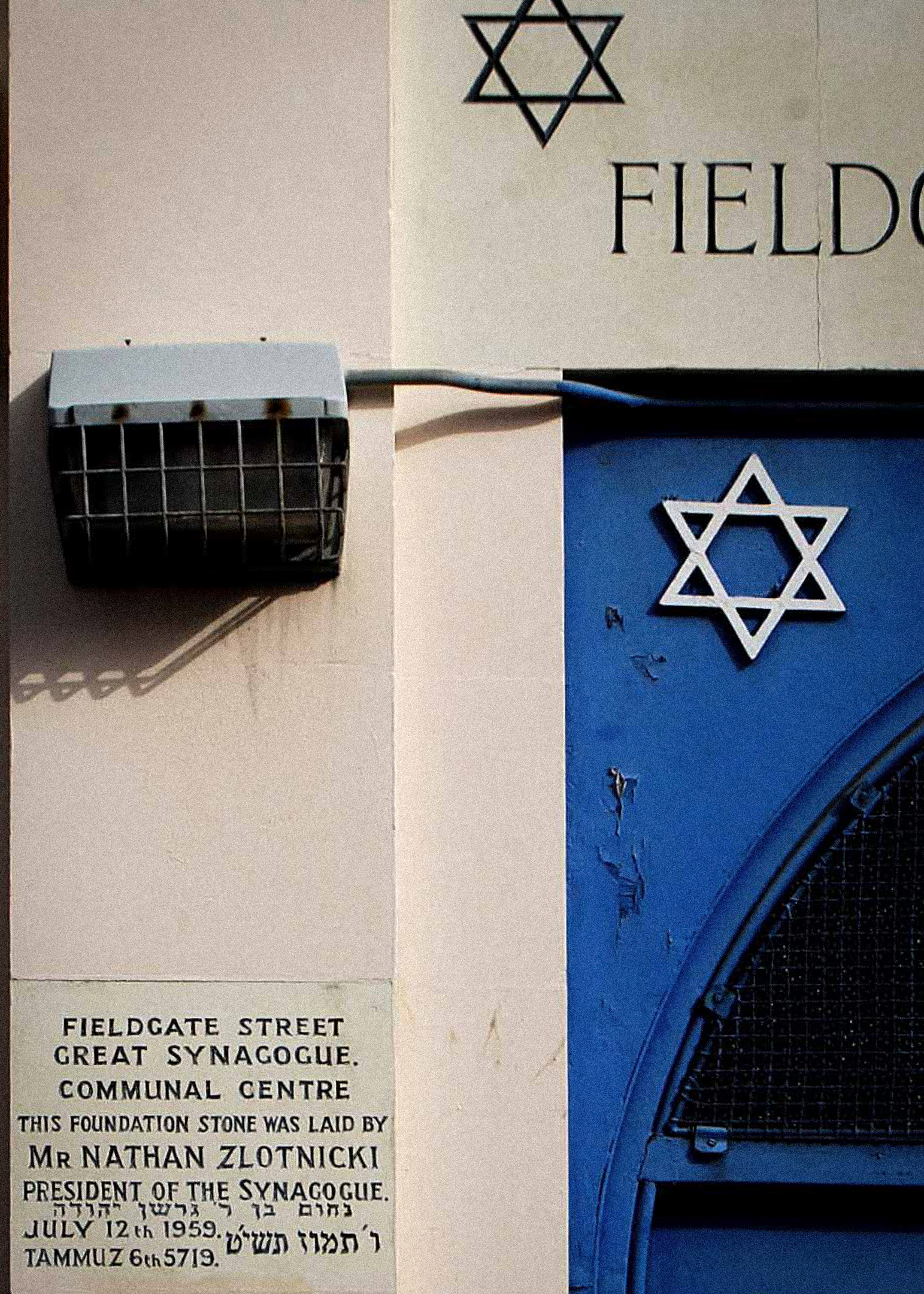
In my new book Everyday Jews: Why the Jewish people are not who you think they are, which explores the mundane sides of Jewish life, I recall my own upbringing in a Reform synagogue located just beyond the outer edges of London.
We didn’t meet in a listed, neo-Byzantine building. My parents were virtually founder members and we met first in a dusty scout hut, and then later in a dilapidated church, before we bought our own dilapidated (and deconsecrated) church.
My synagogue was icky. It smelt musty and stuffy. The doors stuck. A film of dirt covered everything. The toilets smelled. On Rosh Hashanah, when the congregation expanded to many times its normal size, we held services in a succession of echoey sports halls that reeked of sweat.
Yet here’s the paradox: We were vibrant. I grew up with the excitement of a growing community in which we all mucked in. In the 1980s, our dynamic young female rabbi (at the time a rarity) pushed our congregation of solidly middle-class suburbanites to the cutting edge of gender and sexual equality. And eventually we had the means to replace the church pews with nice-smelling wood flooring and added a modern annex.
I’m not, of course, saying that West London isn’t or wasn’t vibrant (it was for many years the pulpit of the much-respected Rabbi Hugo Gryn). But the contrast between these buildings suggests a wider point: Buildings that are lauded as of architectural and historical significance, may or may not be the buildings that house living, breathing communities. ‘Heritage’ – Jewish or otherwise – may mislead us.
Jews in Britain have certainly left a modest but significant mark on the built environment. While little remains of the small medieval Jewish population that was expelled by Edward I in 1290, the readmission of Jews into England by Oliver Cromwell (generally dated to 1656) is a different matter.
Originally a community of Spanish and Portugeuse origin (via Amsterdam) you can still attend services at their synagogue, Bevis Marks, on the edge of the City of London. Currently fighting a rearguard battle against developers lusting for more skyscrapers – not for the first time – the building’s magnificent candelabra and Renaissance-style aron kodesh make for a memorable visit.
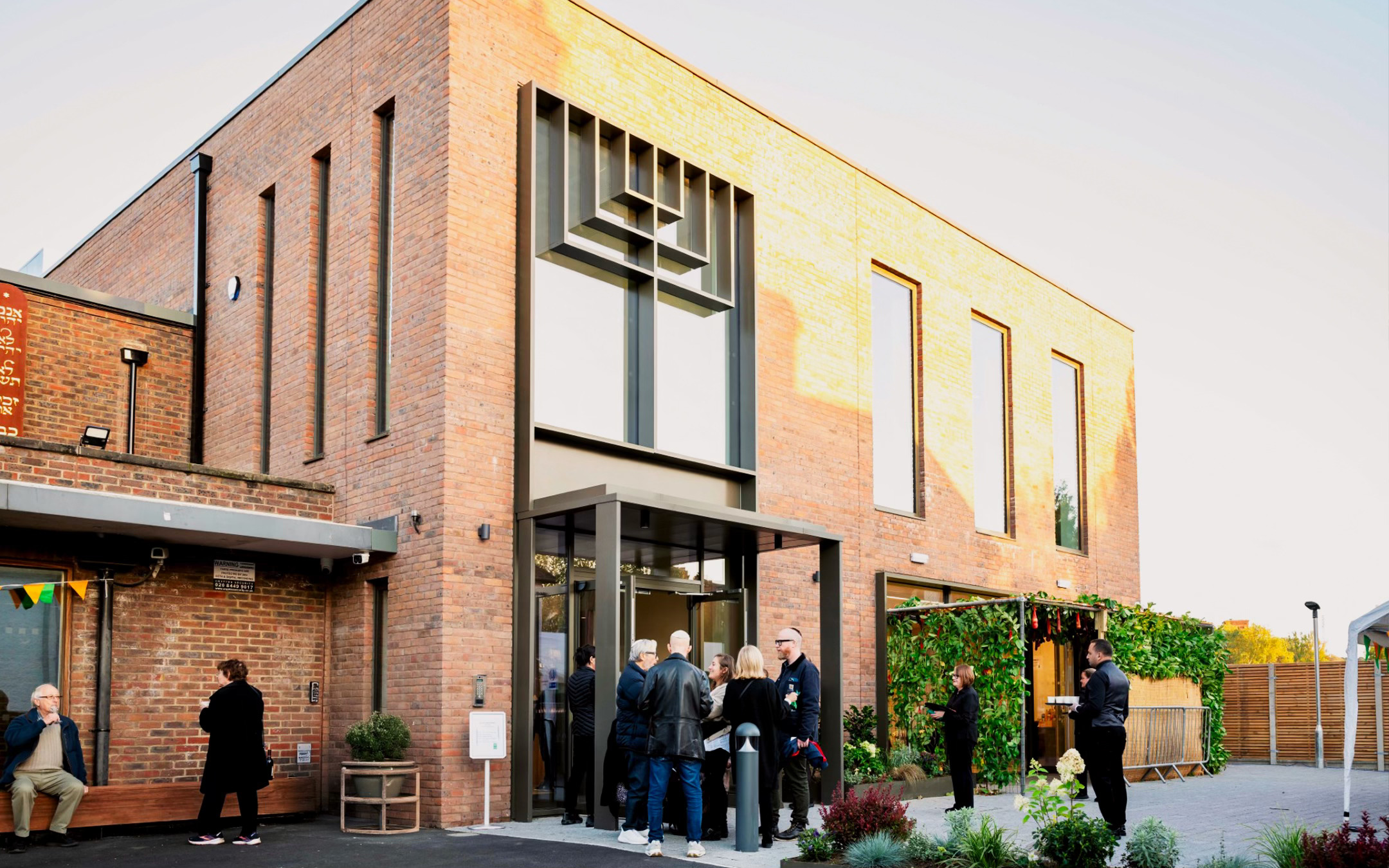
Elsewhere, there are synagogues to admire across the country. The oldest building still in use as a synagogue is in Plymouth and was built in 1764. Yet here is the issue. The Plymouth Jewish population is today negligible, although still hanging on. And many other synagogues of note are located in places where few or no Jews still live.
Sometimes these may be repurposed as places of education and heritage. For example, the Bradford synagogue (built in 1881) barely has a congregation but is a valuable educational and interfaith resource in a town which now has a large Muslim population.
In places where Jews are but a memory, such as Merthyr Tydfil in South Wales, activists fight to keep the memory alive by raising funds to restore their ‘lost’ synagogues.
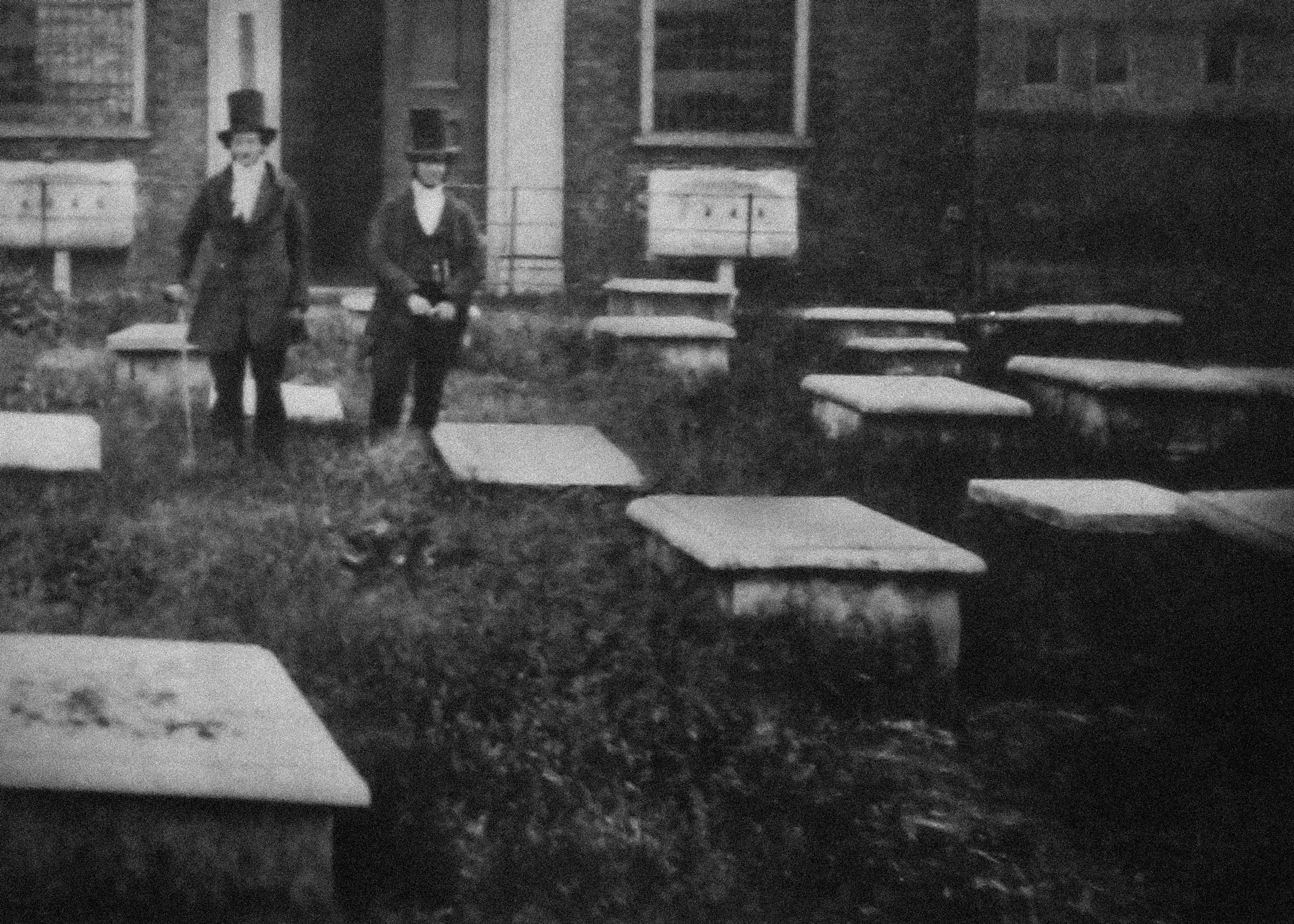
Britain is not in the same position as a country like Poland, where a millions-strong Jewish population, almost destroyed in the Holocaust, has left behind traces in almost every small town. Much of Britain never had many Jews to speak of. While the Jewish population has declined from a peak of about 450,000 in 1945 to around 300,000 today, this was not due to massacres and mass emigration but assimilation.
The ‘death’ of some small Jewish communities has more to do with Jews moving to big, cosmopolitan cities. What British and post-Holocaust Jewish populations have in common, though, is the distorting effect on contemporary Jews of the physical traces of the Jewish past.
Impressive synagogues distort the historical record since many former synagogues have left no trace and many existing ones will leave no trace in the future. Many small to medium-size congregations meet in borrowed buildings (Friends Meeting Houses are particularly popular). Some modestly-sized communities make a decision to use their funds to pay for a rabbi, rather than a permanent building.
In the Haredi (strictly orthodox community), while there are some large synagogue buildings, most tend to pray in the dozens of shtiebls, modestly-sized informal spaces that may simply be a converted back room of a house. None of this necessarily implies poverty or vulnerability. A synagogue building can be a millstone. There are many declining communities faced with the dilemma of maintaining or selling a crumbling reminder of better days.
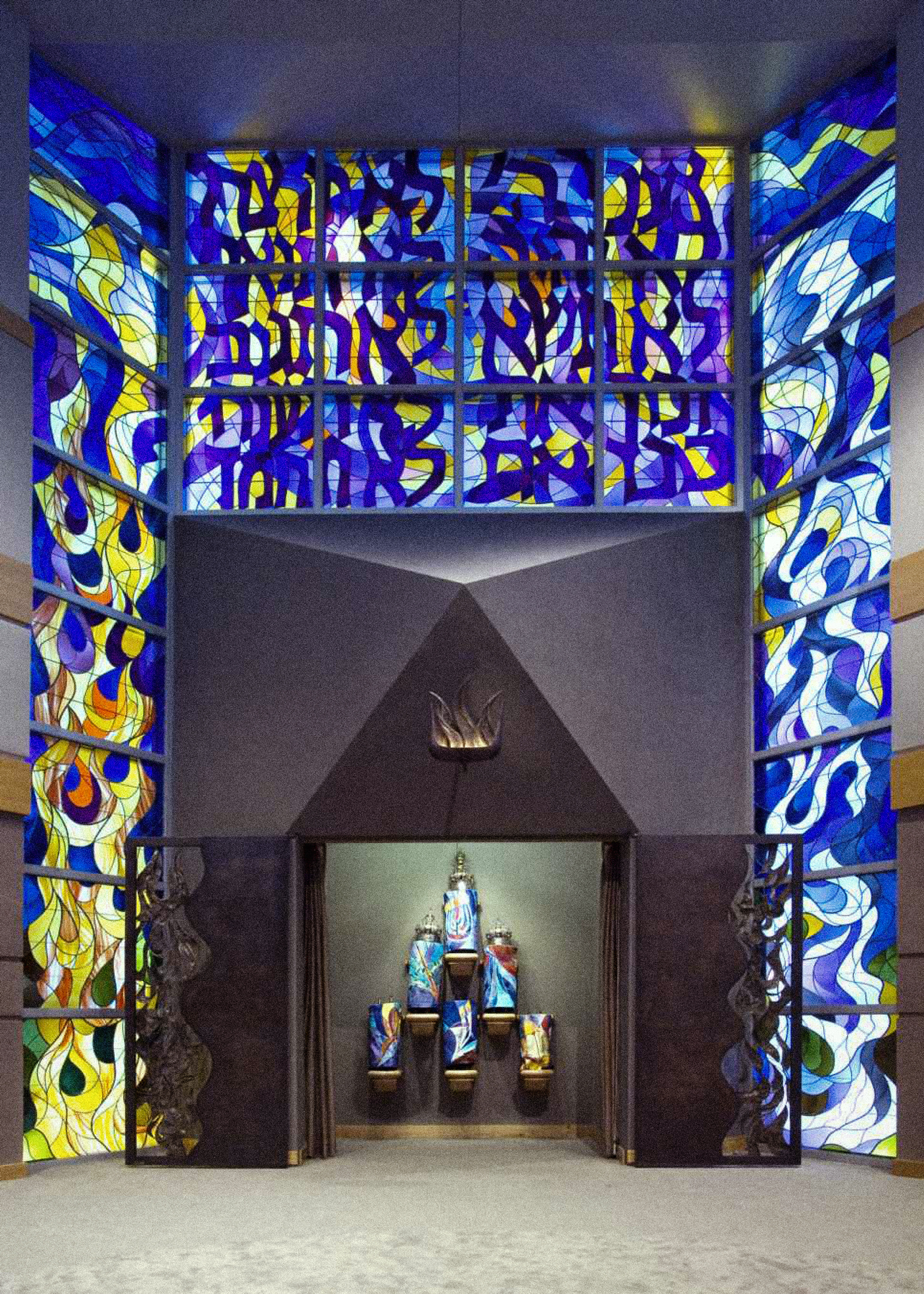
Nothing says ‘we are here’ like bricks and mortar can. Nothing says ‘we invest in glory’ like a beautiful synagogue (nor, ‘I am important’ when a funder donates to it). Nothing says ‘we are many’ than a large synagogue.
Yet indulging in these very human desires is particularly risky in the UK, particularly today. On trips to see my wife’s family in Texas and Oklahoma, I’ve been struck by how pleasant, airy and handsome the synagogues I’ve visited. In one synagogue in Houston, there is one entire room devoted to plaques and memorials to members.
This is a part of the world where land is cheap and taxes are low. Synagogues in that part of the world and many parts of the US more generally are less likely to need to hire sports halls for Rosh Hashanah services; flexible partitions allow the prayer space to expand or contract as needed. Contrast this bountiful space with London, where large plots of land are rare and incredibly expensive. Synagogue buildings must earn their keep and here is often little left over for beautifying the space.
In Everyday Jews I suggest that, sometimes, unimpressive Jewish buildings may be a sign of vitality. In the last few years, three of the largest congregations in the UK – all located within a couple of miles of each other in the Jewish heartland of North London – have invested in new buildings or refurbished their own. In all three cases, the results are visually underwhelming.
These are buildings designed to earn their keep. In designing them, priority was given to maximising flexibility. Rooms can be partitioned into various sizes and for multiple purposes (although renting extra space is still essential on Rosh Hashanah). They are simultaneously places to pray, to learn and to celebrate.
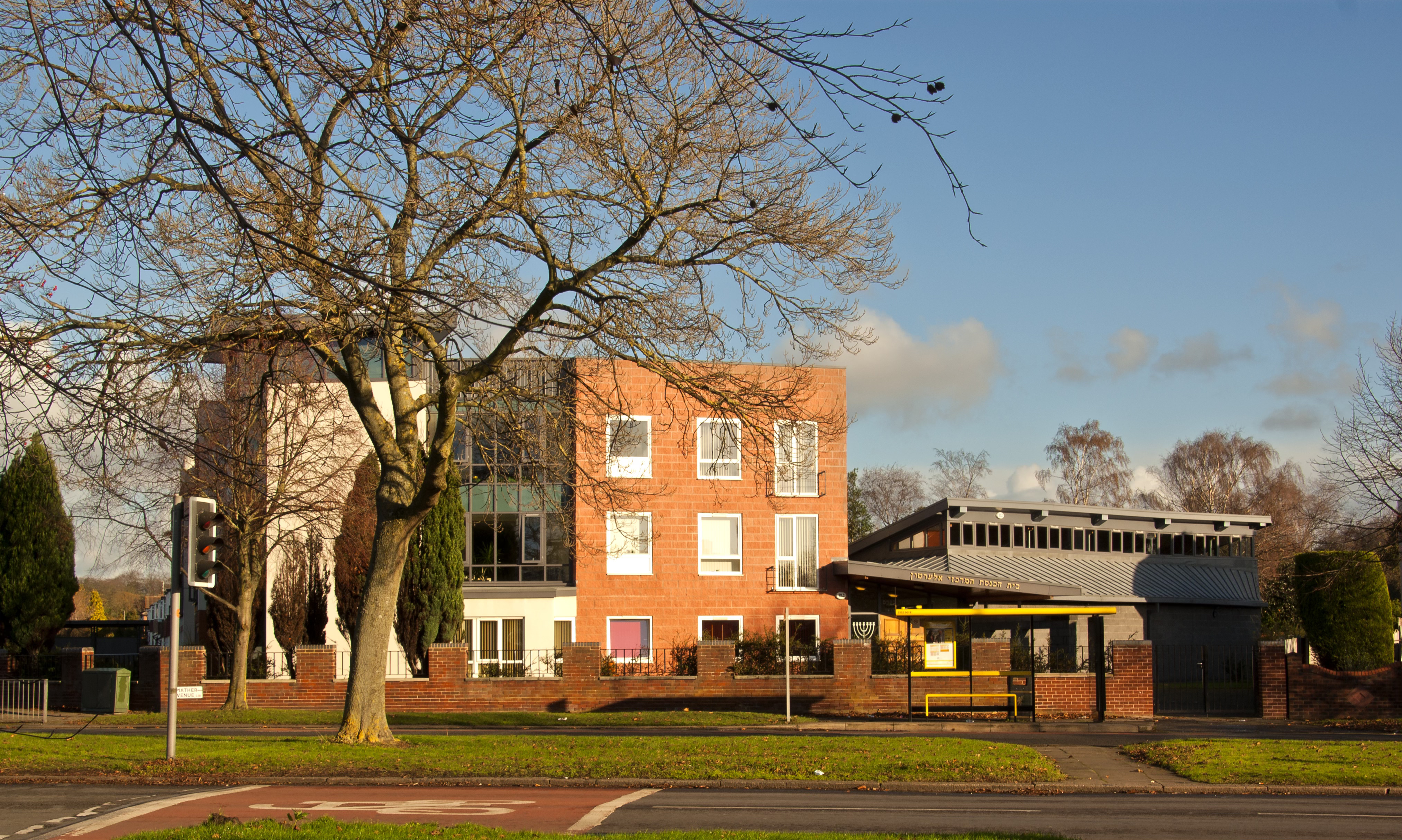
Rentals for Bar Mitzvah and wedding parties offer an extra source of revenue. Should congregation numbers plummet (unlikely in the near future) there will always be the option of letting out rooms to non-Jewish organisations. Eventually, they will be torn down and replaced by something else. Those buildings may hold personal significance aplenty, but not architectural significance.
Although I do enjoy magnificent buildings, I also love how British Jews today prioritise what we do rather than the containers within which we do it. I worry though. After I am long gone, will the synagogue buildings that survive from my lifetime tell a story that doesn’t reflect what Jewish life in Britain was actually like?
Perhaps the best service that Jews today can offer to the Jewish heritage of the futures is to ensure that what we build is so mundane and utilitarian that there is no choice but to remember the people that built them •
This feature was originally published March 17, 2025.
The author of nine books, his most recent publications are Strange Hate: Antisemitism, Racism and the Limits of Diversity, The Babel Message: A Love Letter to Language (Icon) and (co-authored with Rob Stothard) What Does A Jew Look Like?
Everyday Jews: Why The Jewish People Are Not Who You Think They Are by Keith Kahn-Harris
Icon, 13 March, 2025
RRP: £9.95 | 256 pages | ISBN: 978-1800754676
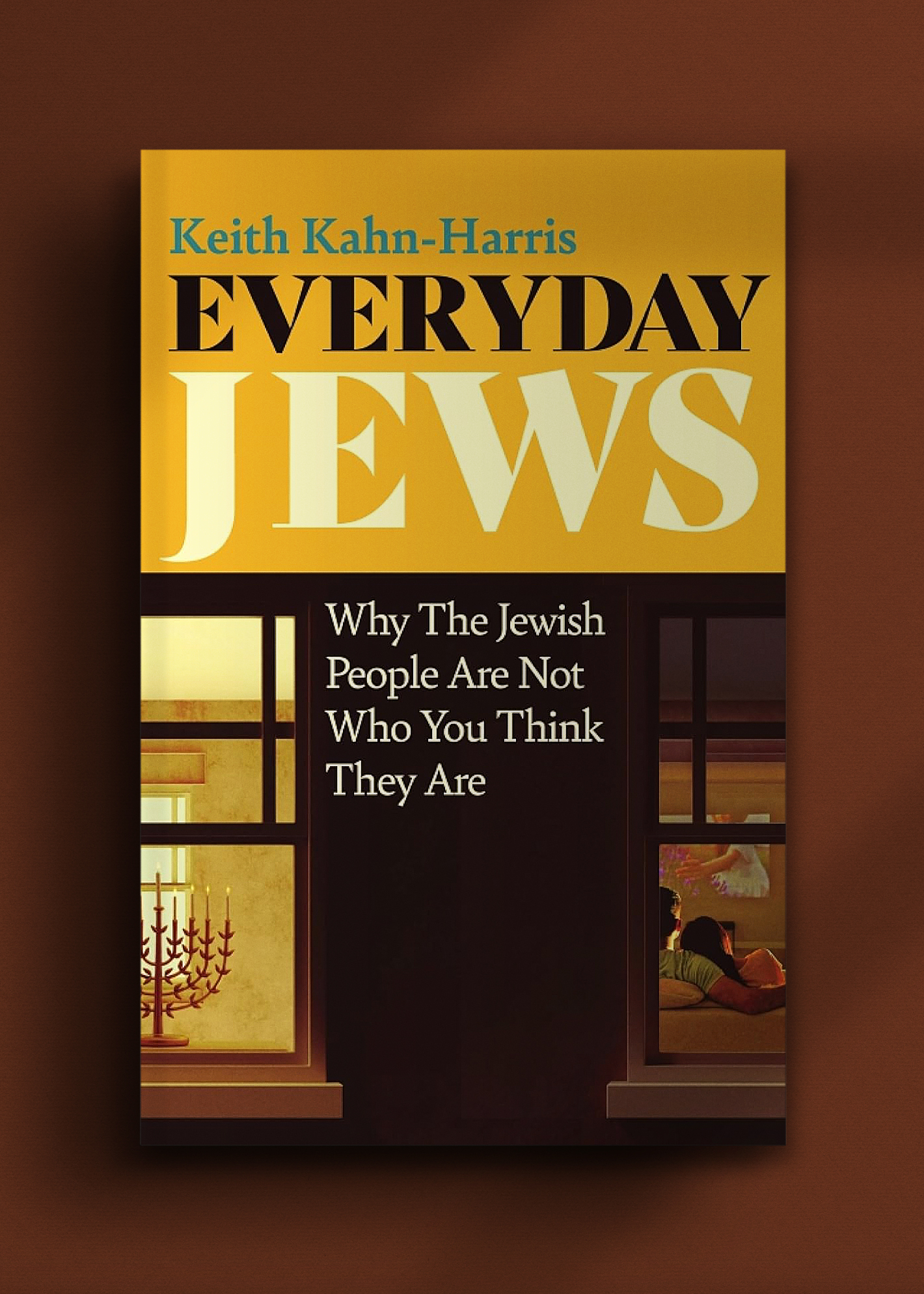
Can Jews be allowed to become boring?
With Israel and antisemitism constantly in the news, it seems as though the Jewish people - a fraction of a percentage of the world's population - have become synonymous with controversy, drama and anxiety. But what if there was another side to this persistently interesting people; one that non-Jews often don't know about and Jews rarely talk about?
This is the stuff of 'everyday' Jewishness; the capacity to be ordinary, mundane and sometimes just plain dull. Keith Kahn-Harris lifts the lid on this surprising world in a book for Jews and non-Jews alike. Arguing that his people's extraordinary public visibility today is harming their ability to live everyday Jewish lives, he celebrates the mundanity and mediocrity of a people before it vanishes completely.
“With the Middle East in flames, with Israel belligerent, divisive and divided, it's a great relief to find a book in search of the very normality of Jews and Judaism. Infusing the seriousness of the subject with a welcome wit, Keith Kahn-Harris provides a welcome rejoinder to past and present stereotype”
― John Kampfner
With thanks to Elle-Jay Christodoulou.
📸 Dive into our Features
🎤 Read Interviews
🎧 Listen to Podcasts
🖼️ Buy fine art prints & more at our Store


.jpg)


