
The Low Road
Katharine Quarmby writes about the pleasures and pains of the late Georgian Era


Far from Jane Austen's polite drawing rooms, English society during the early nineteenth-century was in a state of violent transition.
As the Napoleonic Wars drew to a close there were food riots. Opposition, meanwhile, was growing against the introduction of industrial technologies into traditional workplaces. For those left destitute there was little support to be found.
It is in this world of extremes that Katherine Quarmby has set her debut novel. The Low Road is a captivating tale that is inspired by a true historical story.

I cannot count the number of times I have read Jane Austen’s Persuasion, that gentle tale of second chances and melancholy, suffused with autumnal tones, or laughed at Catherine Morland’s fanciful conjuring of Gothic horrors in Northanger Abbey. I think for many people, like me, when I think of the Georgian era I first think of Austen, particularly in 2025, 250 years after she was born.
Austen conjured up a vivid picture of small town life for middle class women - albeit dependent on the kindness and generosity of brothers, uncles and godfathers and leavened with (at times) waspish humour.
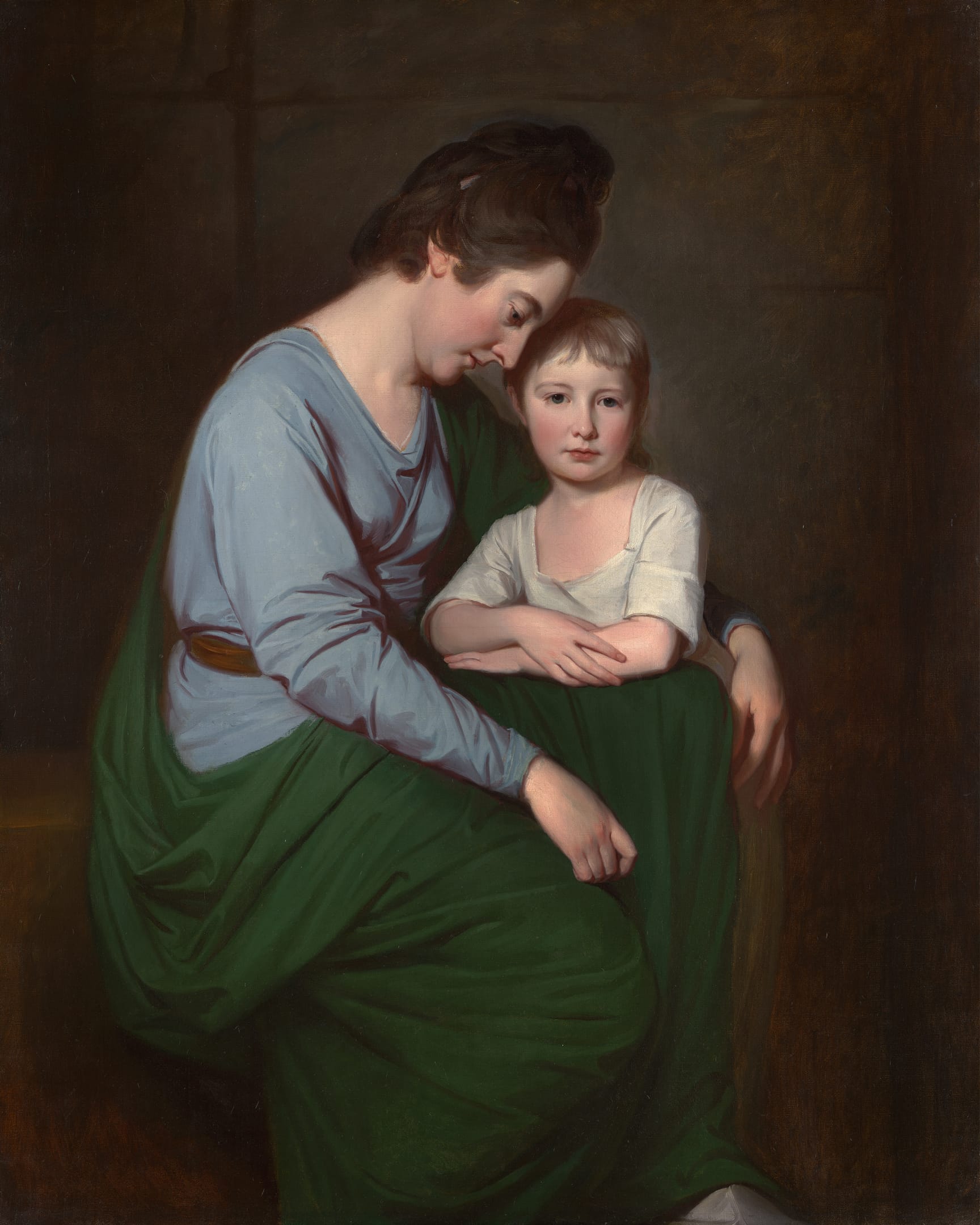
There are flashes of current events - including the enslavement of those whose labour funded the grand houses that still exist in the UK - but Austen, on the whole, paints beautifully in miniature.
It’s now over 300 years since the Georgian era began in 1714 when the German prince, George of Hanover became King of England, Scotland and Wales - and what is known as the long century stretched to 1830, through the reigns of the four Georges.
Put simply, it’s got everything from gorgeous buildings and squares to sublime music - but it is also an era of ideas, pamphlets, debate - and London, sucking people in from rural areas as the city expanded rapidly.
The Georgian era, for me, is also the time of Mary Wollstonecraft, Britain’s first feminist, and it’s the age of Hogarth, painting ribald fun and squalor in equal measure in his depictions of 'modern moral subjects'.
It’s got everything that writers might wish for and its distance from today means that we can, perhaps, engage our imaginations more. There are no photographs or films (as in the Victorian era and onwards) to disprove us, for instance.
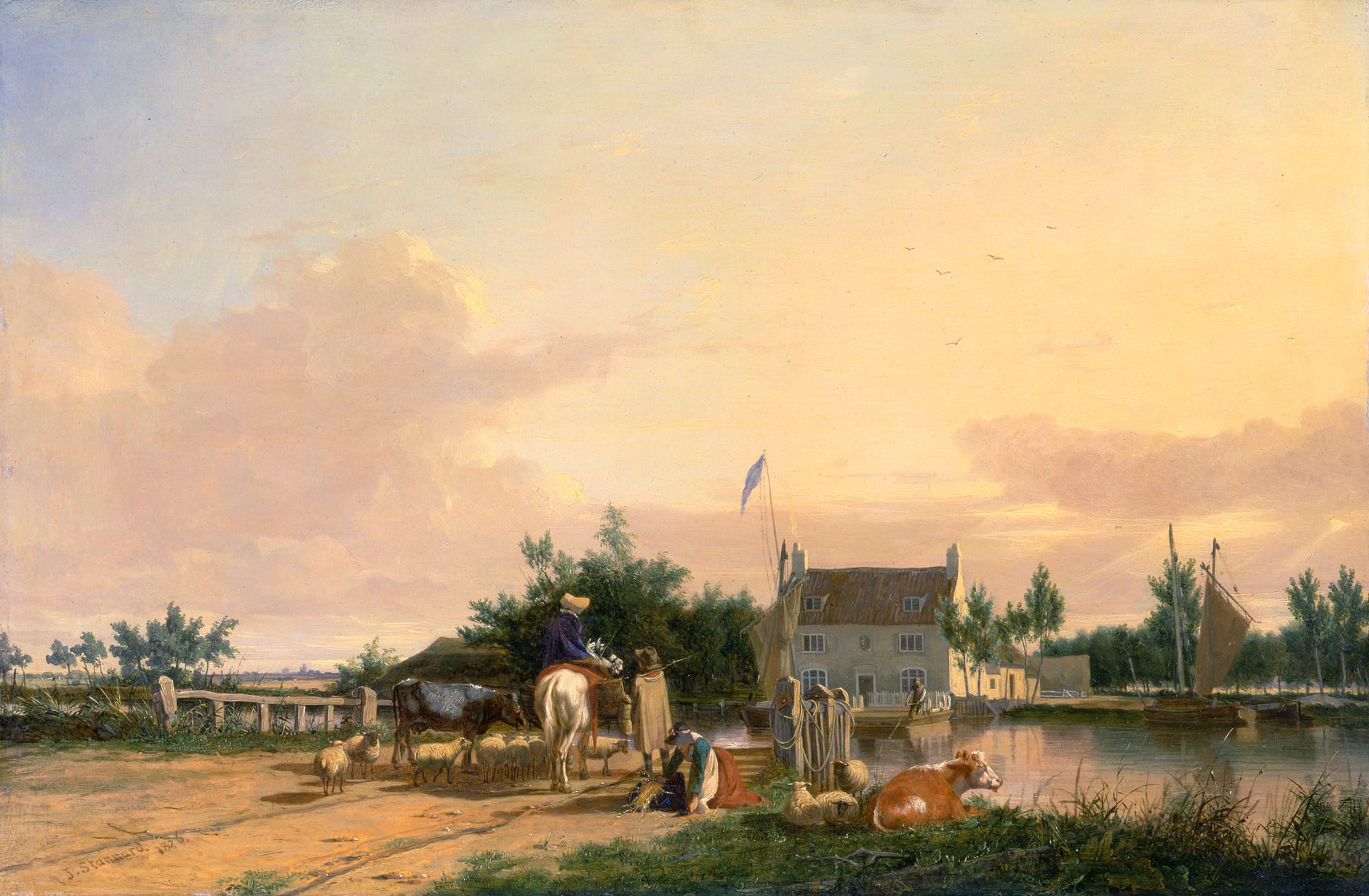
In The Low Road, I tell the story of a country girl who ends up in London and then much further afield, a story that is a long way from the genteel world of Jane Austen, where even the poverty is rendered in soft focus.
I came across the true story that lies at the root of my debut historical novel when I was looking for a new family walk near my hometown of Harleston, in rural Norfolk. There was a brief reference to an area at the end of town called Lush Bush, where a woman had been buried just beyond the parish boundary in 1813. She had been staked through her heart, after she had taken poison, having been questioned repeatedly about a suspected infanticide.
I wanted to find out more, and so the first thing I did was look at local papers. I turned up this, published in the Norfolk Chronicle, on 24 April that year.
Child Murder. —The circumstance of a child having been found in Vipond's pond, at Harleston, Norfolk, has led to a very melancholy and impressive catastrophe … Against Mary Turrel..very strong suspicion … existed … The unhappy wretch took poison early on the morning of Saturday, and died in the course of a few hours. A Coroner's inquest was held upon the body on the following Monday, when the Jury gave in their verdict Felo de se; and on the same evening, she was buried in the high road with a stake driven through her body, in the presence of a vast concourse of people.
– Norfolk Chronicle, 24 April 1813
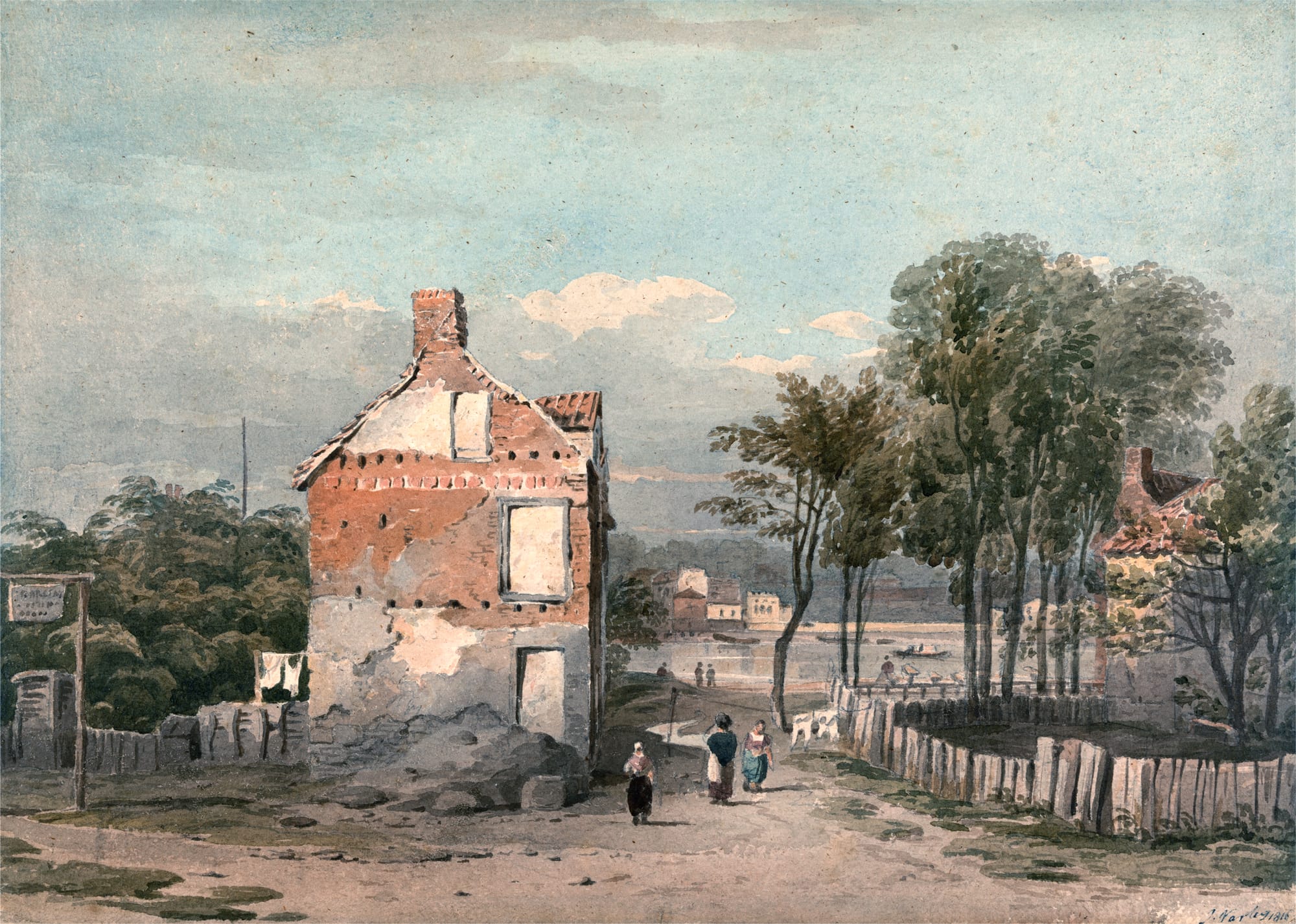
An older daughter, known only by the initials A.T. had survived. I traced Ann (called Hannah in The Low Road), as I found she was called, to the Refuge for the Destitute in Hackney.
She had met another homeless person, Anne Simpkins, there and they became firm friends. Through more general research at the Refuge I learned that many young women there fell in love. I believe that they did too. In December 1821 they stole laundry from the Refuge, but were caught, stood trial at the Old Bailey, and were sentenced to transportation.
They went to the Millbank Penitentiary, survived marsh fever and were transferred to the prison hulks before being pardoned in 1824. They then went ‘on the town’ as prostitutes. A letter back from the Refuge superintendent to an attorney in Harleston in 1828 stated that AT had been transported to Botany Bay.
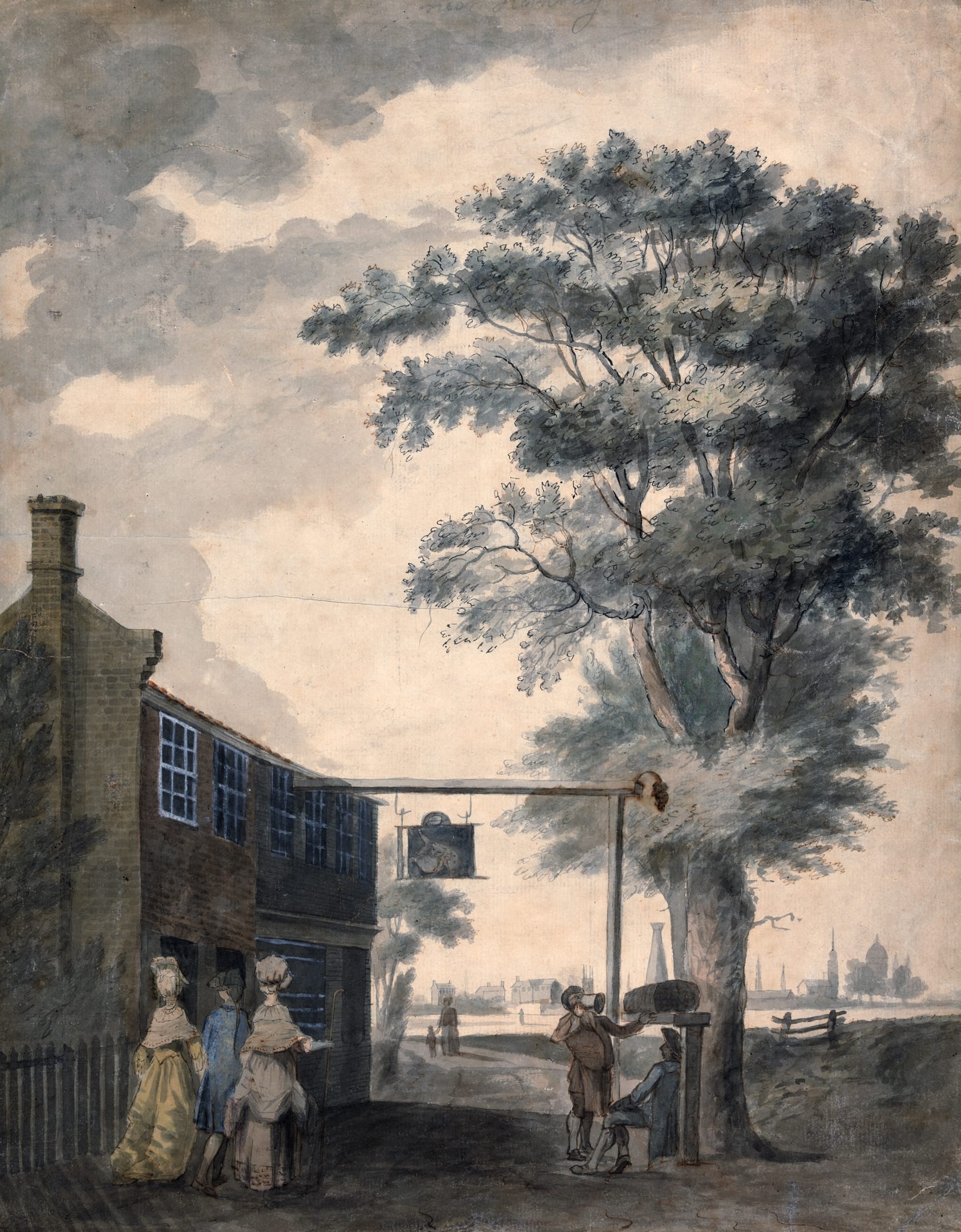
In many ways Hannah’s story is that of the dark underbelly of Georgian Britain, underscored by grinding poverty - and with far fewer choices than Austen’s heroines. But it is also a tale of resistance, love and loyalty.
It was a thrill for me to read accounts such as Hannah - and of local workers in poverty after the Napoleonic Wars and who rose up against both church and state in the aftermath.
Now, with the benefit of hindsight we see acts of defiance such as burning organs and threshing machines very differently - and a sizeable proportion of those who were transported, once seen just as criminals, are being recast by projects such as the international digital history Monash University Conviction Politics programme, as activists and freedom fighters.
Some of those East Anglian workers were transported as Swing Rioters - and, as Conviction Politics has found, such dissidents kickstarted the trade union movement in Australia.
Fewer of those activists have been found to be women so far. But women who stole to feed themselves or their children might arguably be seen as anti-poverty campaigners today. In The Low Road, both Hannah and her mother end up incarcerated, live in grinding poverty but somehow also resist the limited choices they are given.
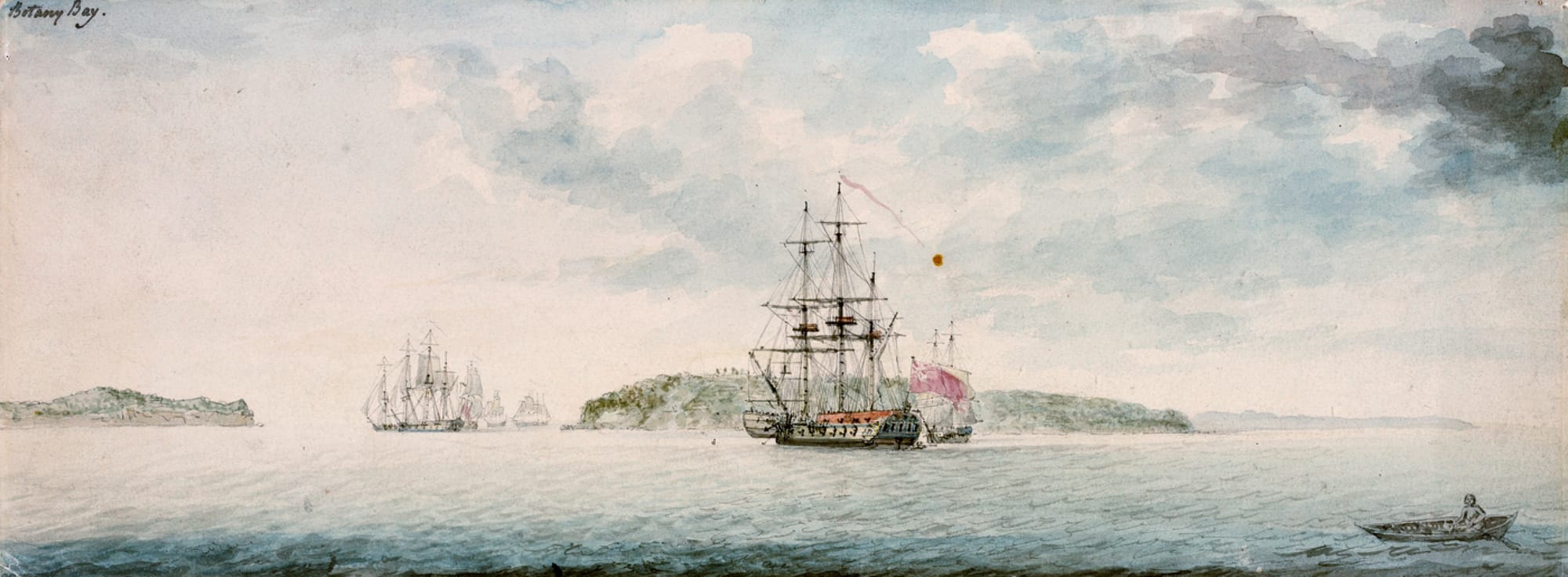
I hope I do their forgotten story justice, and through it the larger story of the men and women exiled in the largest forced migration in British history – the transportation of some 162,000 British and Irish Convicts to mainland Australia and Tasmania between 1767 and 1868.
This is a three generational tale of women caught up in political times – from the fall-out of the Napoleonic wars and the poverty after, to the rise of the Swing Rioters and other political dissidents and beyond the seas to Australia.
I hope it serves as a way of remembering the bravery of forgotten working women, gives voice to love stories which were seen as shameful and provides another framing to the drawing rooms of Bath and Hampshire rendered so beautifully in Austen’s novels •
This feature was originally published November 6, 2025.
The Low Road
Eye Lightning Books, 6 November 2025
RRP: £9.19 | 320 pages | ISBN: 978-1785634628
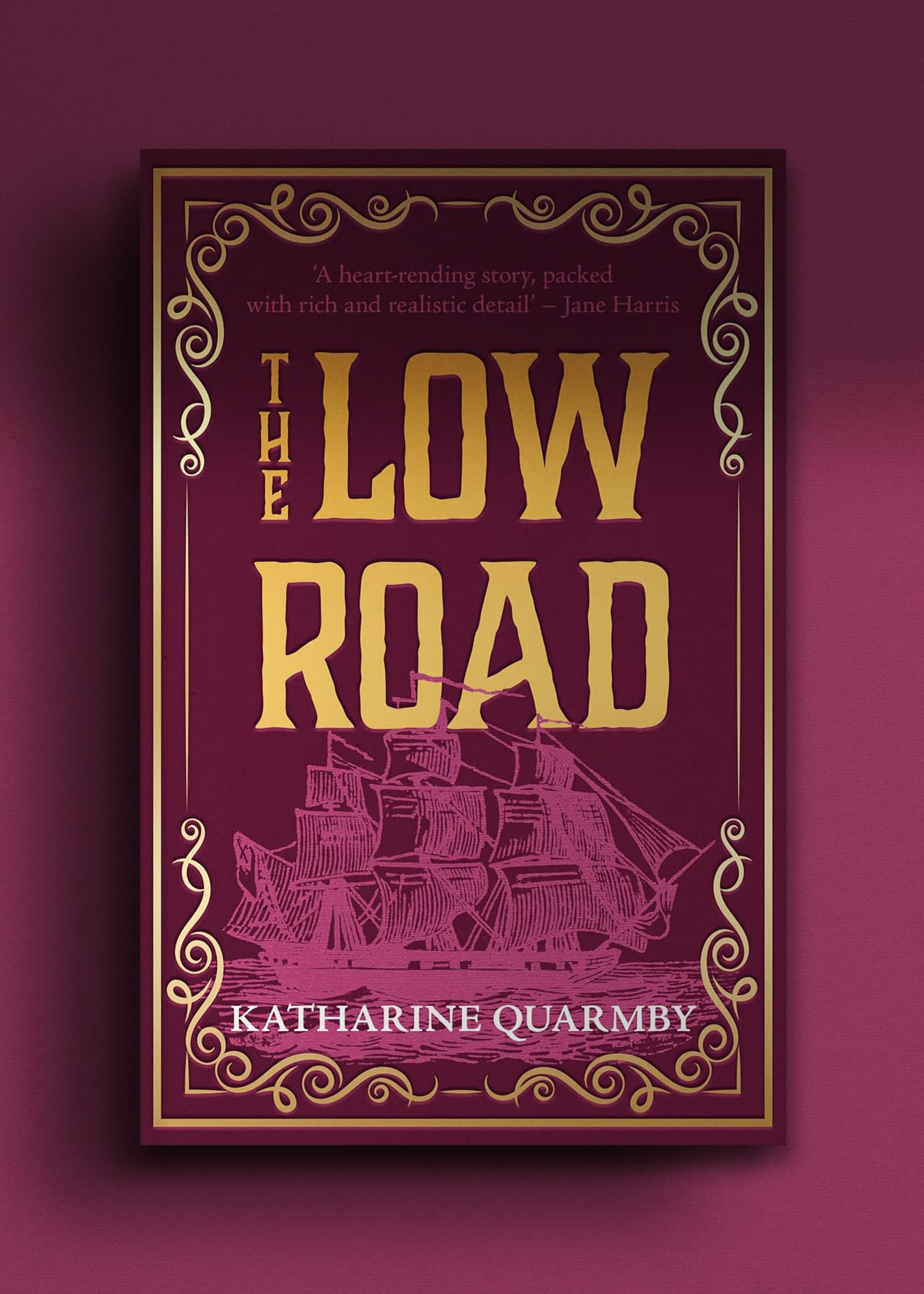
Norfolk, 1813. In the quiet Waveney Valley, the body of a woman - Mary Tyrell - is staked through the heart after her death by suicide. She had been under arrest for the suspected murder of her newborn child. Mary leaves behind a young daughter, Hannah, who is sent away to the Refuge for the Destitute in London, where she will be trained for a life of domestic service.
It is at the refuge that Hannah meets Annie Simpkins, a fellow resident, and together they forge a friendship that deepens into passionate love. But the strength of this bond is put to the test when the girls are caught stealing from the refuge's laundry, and they are sentenced to transportation to Botany Bay, setting them on separate paths that may never cross again.
Drawing on real events, The Low Road is a gripping, atmospheric tale that brings to life the forgotten voices of the past - convicts, servants, the rural poor - as well as a moving evocation of love that blossomed in the face of prejudice and ill-fortune.
With thanks to Sophie Portas.
📸 Dive into our Features
🎤 Read Interviews
🎧 Listen to Podcasts
🖼️ Buy fine art prints & more at our Store


