
The Most Famous Actress in the Georgian World
On her retirement the television producer Jo Willett set out to write a biography of Sarah Siddons


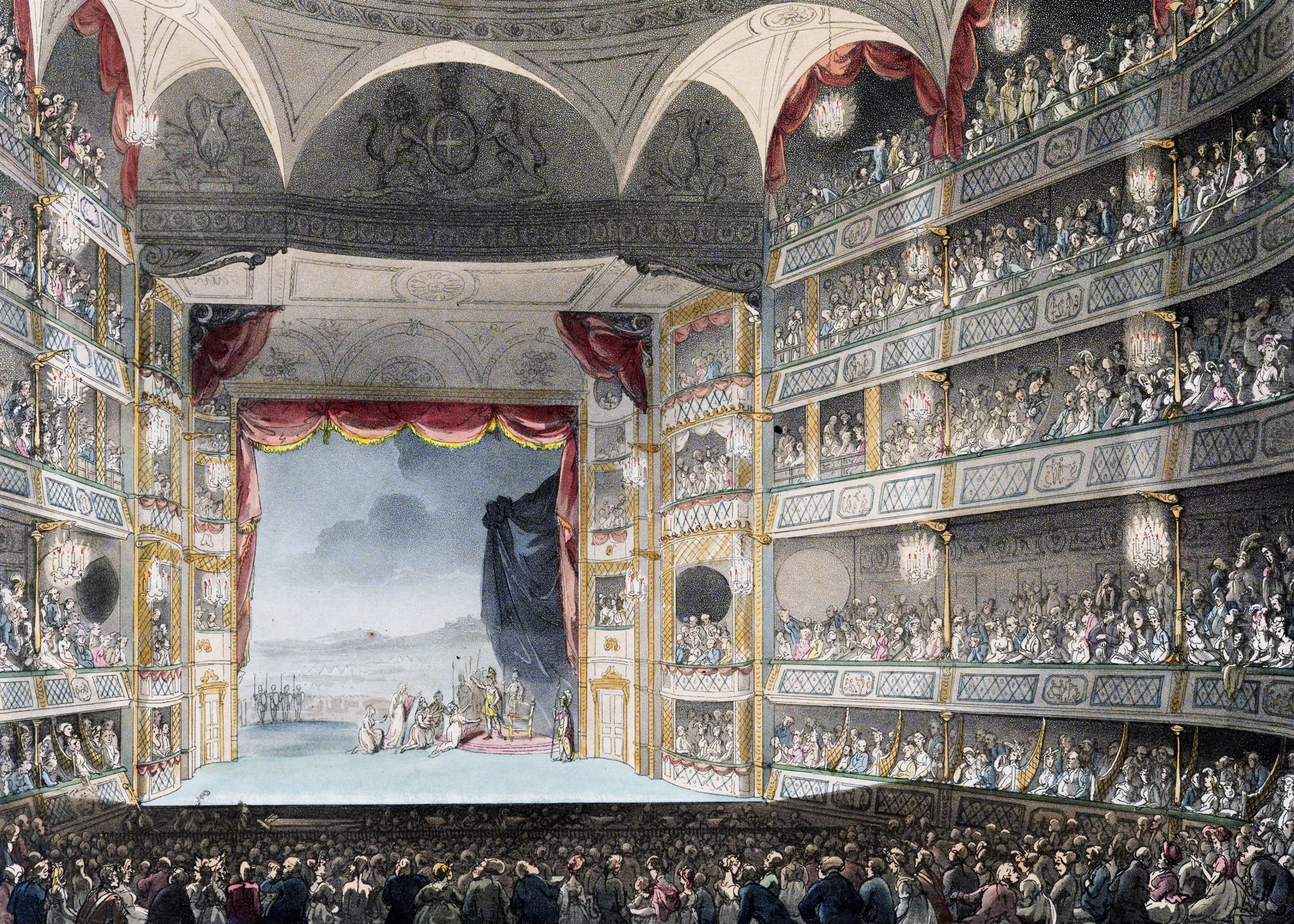
In the mid-1770s, when the Prime Minister, Lord North, was leading Britain into a war against the American colonies and the Industrial Revolution was gathering pace, a twenty year-old actress called Sarah Siddons walked onto the stage at the Drury Lane Theatre for the very first time.
Siddons had an unusual flair for acting and her profile rose quickly. Within a few years she had become one of the best known figures in the kingdom. She was wealthy, fashionably connected and hugely admired.
In this piece the television-producer-turned-author, Jo Willett, explains how she came to write the story of Siddon's colourful life.

I have been a television drama producer for practically all my working life. But as I neared retirement I decided to segway into a new career, writing historical biographies.
As I am an English graduate, I assumed I would choose a female writer as a subject. I have always loved the work of biographers like Hermione Lee and Claire Tomalin, so my aim was to write something a bit like their amazing studies of figures such as Virginia Woolf, Mary Wollstonecraft, Thomas Hardy or Tom Stoppard.
That was the reason I became interested in the subject of my first book, The Pioneering Life of Mary Worley Montagu. As I began reading about Mary, I realised that she was a writer, but she was also many other things. She brought inoculation against smallpox to England, for instance, which is why I call her a ‘scientist’ in my book.
When I pitched the idea to agents and publishers, the first person I tried replied saying to me it was such a pity she lived during the Georgian Age.
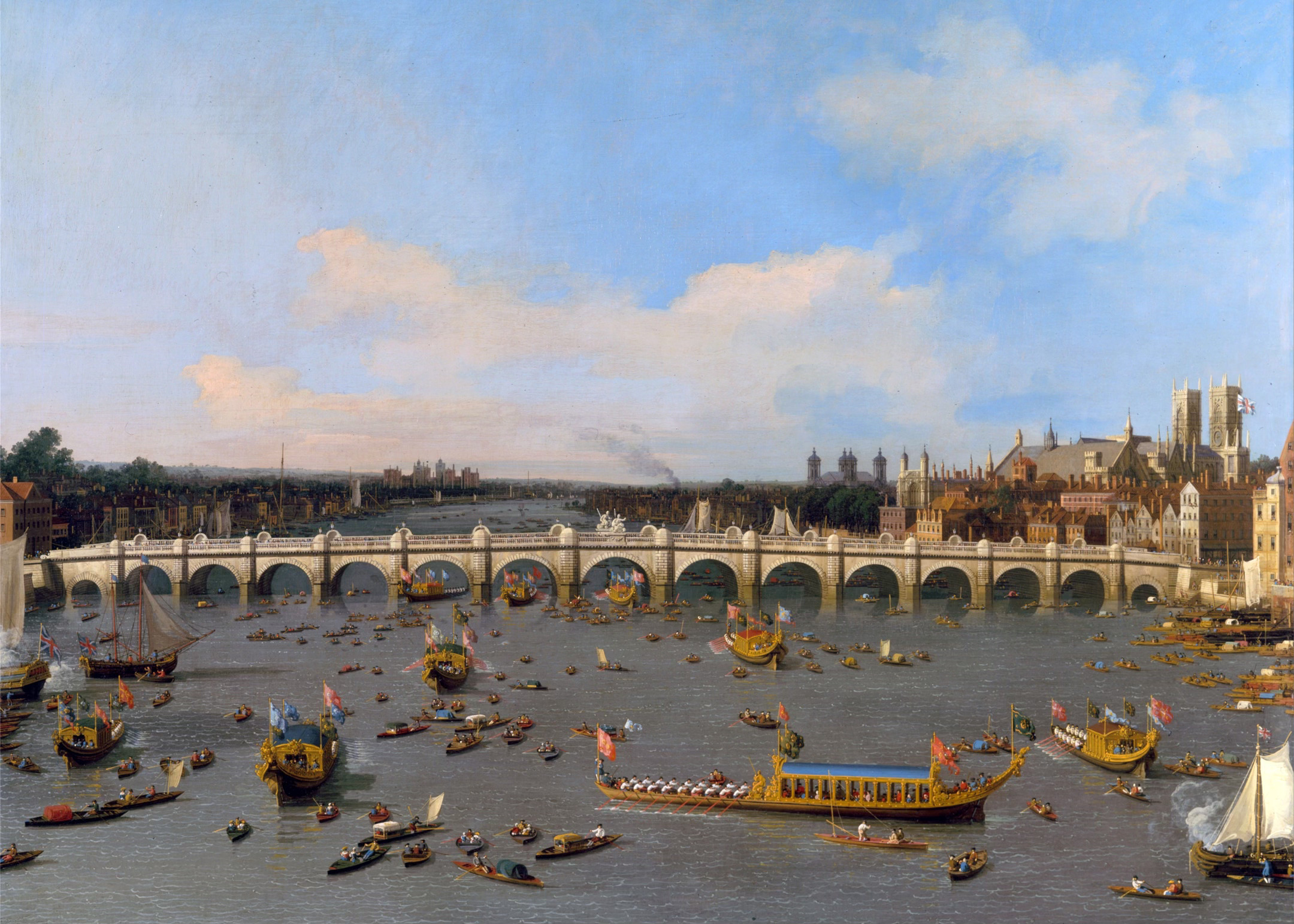
Apparently books about Victorians sell so much better. This only had the effect of making me all the more determined to write about someone who lived in what I think is a fascinating time, the 'Long Eighteenth Century', a period which I feel has so many parallels with our world today.
Once my first book was published I began thinking about my next subject, knowing that I wanted to stay in the eighteenth century.
I hit on the idea of writing about a performer. After all, I had worked with actors and actresses for many years. Whenever I was making a show, I would be there with the director deciding who to cast in which role. And then I’d work closely with the actors on their interpretation of the script, how they made sense of their lines or whether they were getting the tone of their performance right.
I also came to know them well as people, helping to ensure they made it onto the set, regardless of what was going on behind the scenes.
I decided to find an actress, working in the Long Eighteenth Century, who had a story worth telling. I had loved Claire Tomalin’s book about Dora Jordan, the 'Queen of Comedy' of her time, who became the mistress of the Duke of Clarence, later King William IV.
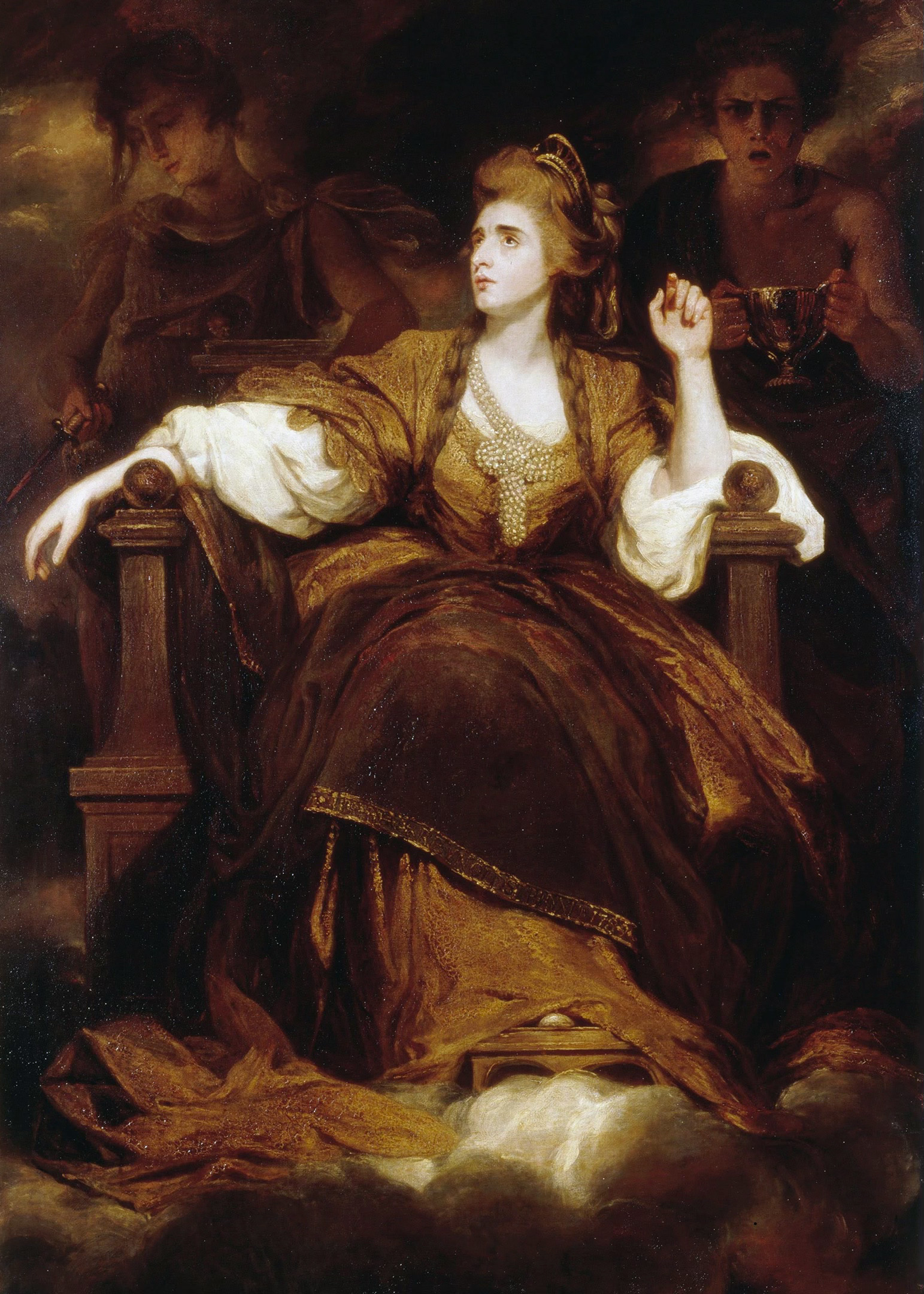
That brought me to the 'Queen of Tragedy', Sarah Siddons. The two women were contemporaries and colleagues and were often compared, but their relationship was never close.
I began the process of reading all the existing biographies of Sarah Siddons. I was heartened to see that no-one had written a full-length study since 1970. So, her story might be one that could be retold from a twenty first century perspective.
There have been many biographies over the years of 'Mrs Siddons', as she was called by her contemporaries.
James Boaden wrote an unauthorised work while she was still alive. I began to get the impression that she hadn’t been particularly happy with what he said.
Boaden was a well-known biographer of the time. He had written about Sarah’s brother, the actor/manager John Philip Kemble and another about Sarah and John Philip’s friend, the writer and actress Elizabeth Inchbald.
He was good at describing the performances he had attended, and he had been in the audience for many of Sarah’s big nights. But he was not as interested or sympathetic when it came to his subjects’ personal lives.
During her lifetime Sarah went out of her way to commission another biographer, the poet Thomas Campbell. It felt as if she wanted to set the record straight over several contentious subjects.
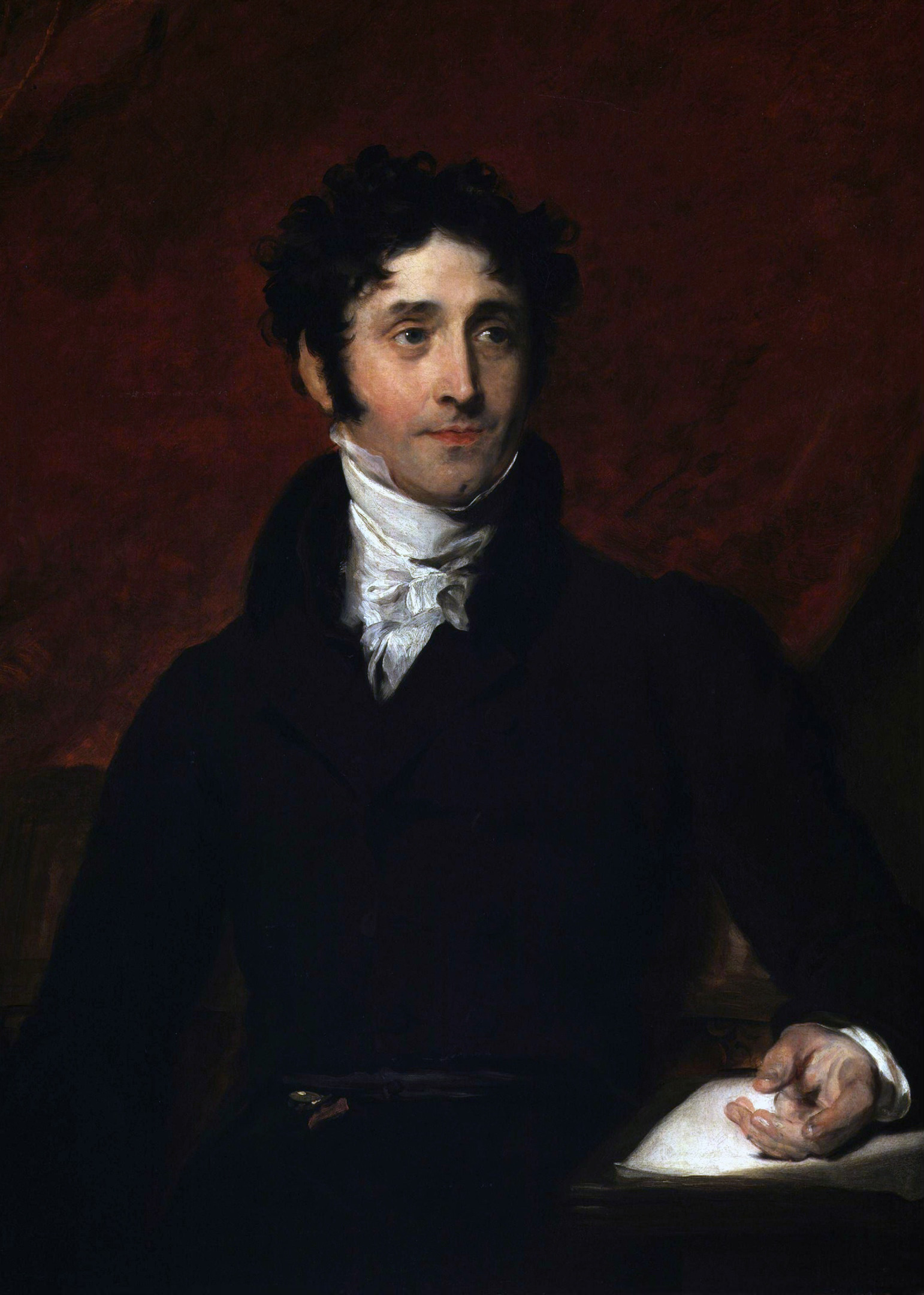
She wrote Campbell a series of notes, which still exist today. When she was only twenty, Sarah had been recruited to come to London and appear in the prestigious final season at Drury Lane of the famous actor/manager, David Garrick.
It had been disastrous for her, and she nearly stopped acting altogether as a result. Her notes to Campbell lay out exactly how she felt at the time, something Boaden had not explored.
Perhaps even more significantly, Sarah must have wanted Campbell to tell the story of her marriage to William Siddons as she saw it. Boaden had not covered this in any great detail. He described William as ‘a damn rascally player but a civil fellow.’ But he did not say much beyond that. Campbell, by contrast, wrote sympathetically about Sarah’s marriage.
At the same time, I was reading the work of several academics of the Eighteenth Century, such as Laura Engel, Laura J Rosenthal, Felicity Nussbaum and Gill Perry, who write about how the eighteenth century was, as another female academic, Stella Tillyard, put it, ‘the crucible of celebrity’.
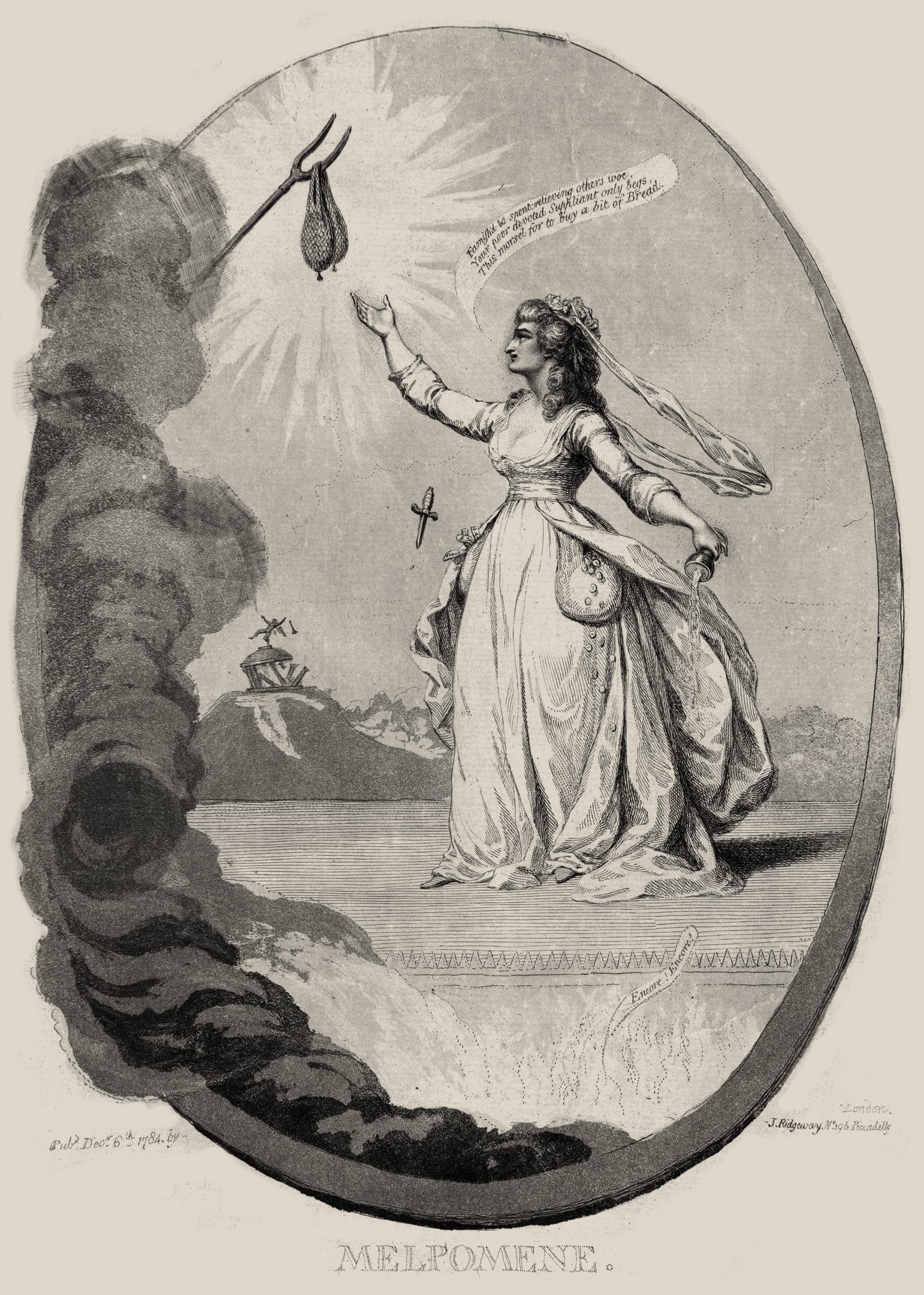
With an increasingly powerful, vicious press, actresses began to exercise what we would today call ‘brand control’. They could see that the way they were perceived by their fans was hugely important. They needed to ensure that their supporters got the right message.
Sarah was unusual among her contemporaries in that she was married. Most actresses at the time were either former sex workers or the mistresses of wealthy aristocrats, or both. So, Sarah concentrated on promoting her image as a devoted wife and a loving mother to her large family. This chimed with the tragic heroines she became famous for playing. They too tended to be noble and virtuous.
No-one, however, had looked back in detail over Sarah’s career and traced exactly how this image management played out. For instance, lots of Sarah’s biographers have written about how her parents were not particularly keen on the idea of her marrying William Siddons. But nobody had investigated whether the story of how they tried to break up the couple was actually true, or whether it was embroidered in part by Sarah, so as to enhance her image.
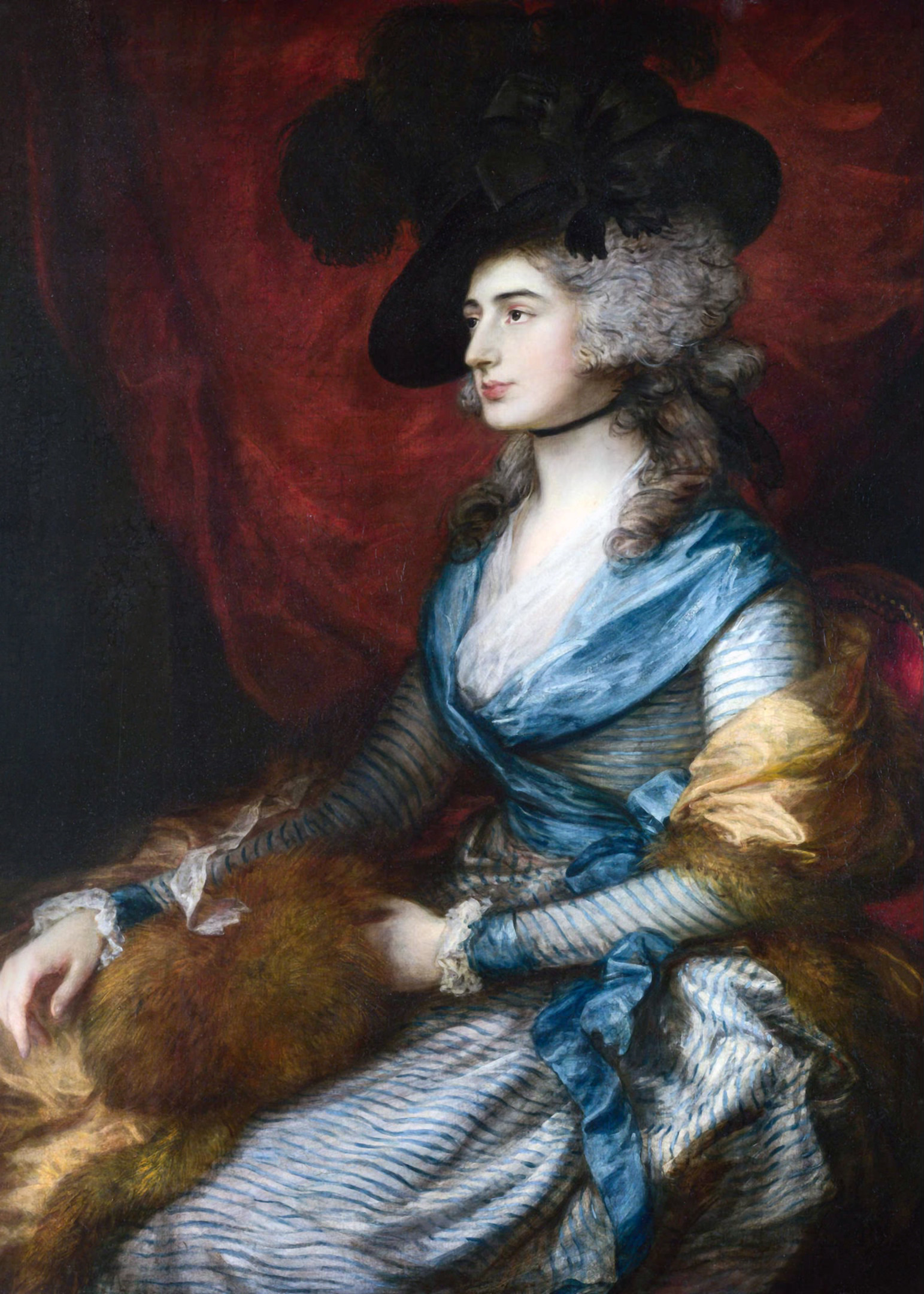
The more I looked into the facts of Sarah’s life, the more intriguing it became. I could see that image was vital for Sarah, just as if she were a celebrity today. Her story felt relevant.
As I began to comb through her archives this became more and more evident. I had a story I felt needed telling. I could begin researching my book about the Queen of Tragedy •
This feature was originally published June 30, 2024.
Sarah Siddons: The First Celebrity Actress
Pen & Sword History, 30 May, 2024
RRP: £25 | 224 pages | ISBN: 978-1399018623
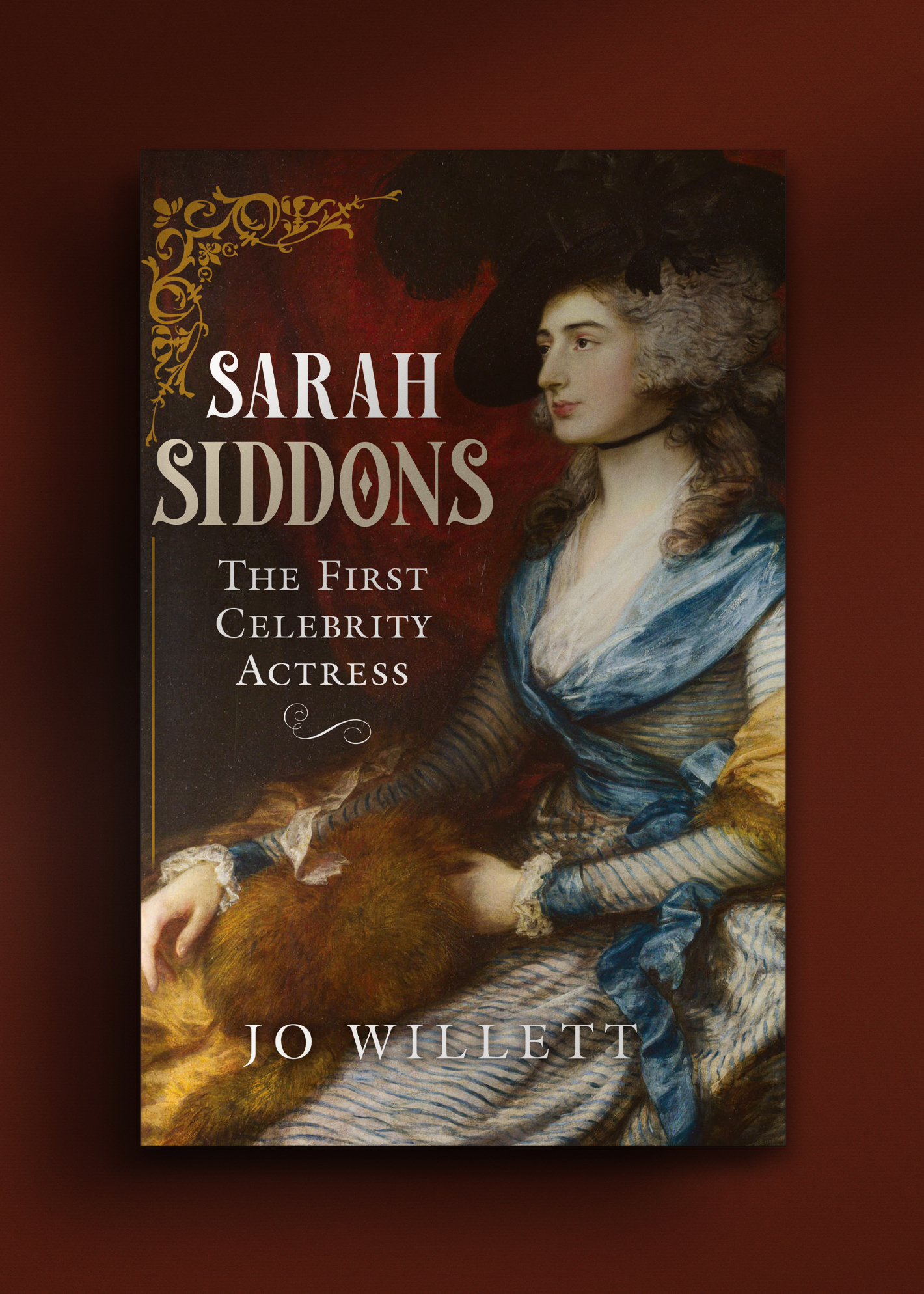
Sarah Siddons grew up as a member of a family troupe of travelling actors, always poor and often hungry, resorting to foraging for turnips to eat. But before she was 30 she had become a superstar, her fees greater than any actor - male or female - had previously achieved.
Her rise was not easy. Her London debut, aged just 20, was a disaster and could have condemned her to poverty and anonymity. But the young actress – already a mother of two - rebuilt her career, returning triumphantly to the capital after years of remorseless provincial touring.
She became Britain’s greatest tragic actress, electrifying audiences with her performances. Her shows were sell-outs. Adored by theatre audiences, writers, artists and the royal family alike, Sarah grasped the importance of her image. She made sure that every leading portrait painter captured her likeness, so that engravings could be sold to her adoring public.
In an eighteenth-century world of vicious satire and gossip, she also battled to manage her reputation. Married young, she took constant pains to portray herself as a respectable and happily married woman, even though her marriage did not live up to this ideal.
Sarah’s story is not just about rags to riches; this remarkable woman also redefined the world of theatre and became the first celebrity actress.
With thanks to Helen Richardson.
📸 Dive into our Features
🎤 Read Interviews
🎧 Listen to Podcasts
🖼️ Buy fine art prints & more at our Store


?ref=unseen-histories.ghost.io#/media/File:Thomas_Gainsborough_015.jpg)