
Warped Portraits of the 1930s
Weird headshots from the American Federal Theatre Project


At the height of the Great Depression, over 15 million Americans were left unemployed and bored. President Roosevelt's New Deal was an attempt to solve both problems: get Americans back to work with programs from the Works Progress Administration, and provide inexpensive entertainment through the government-funded Federal Theatre Project.
Remastered Photographs by Jordan Acosta

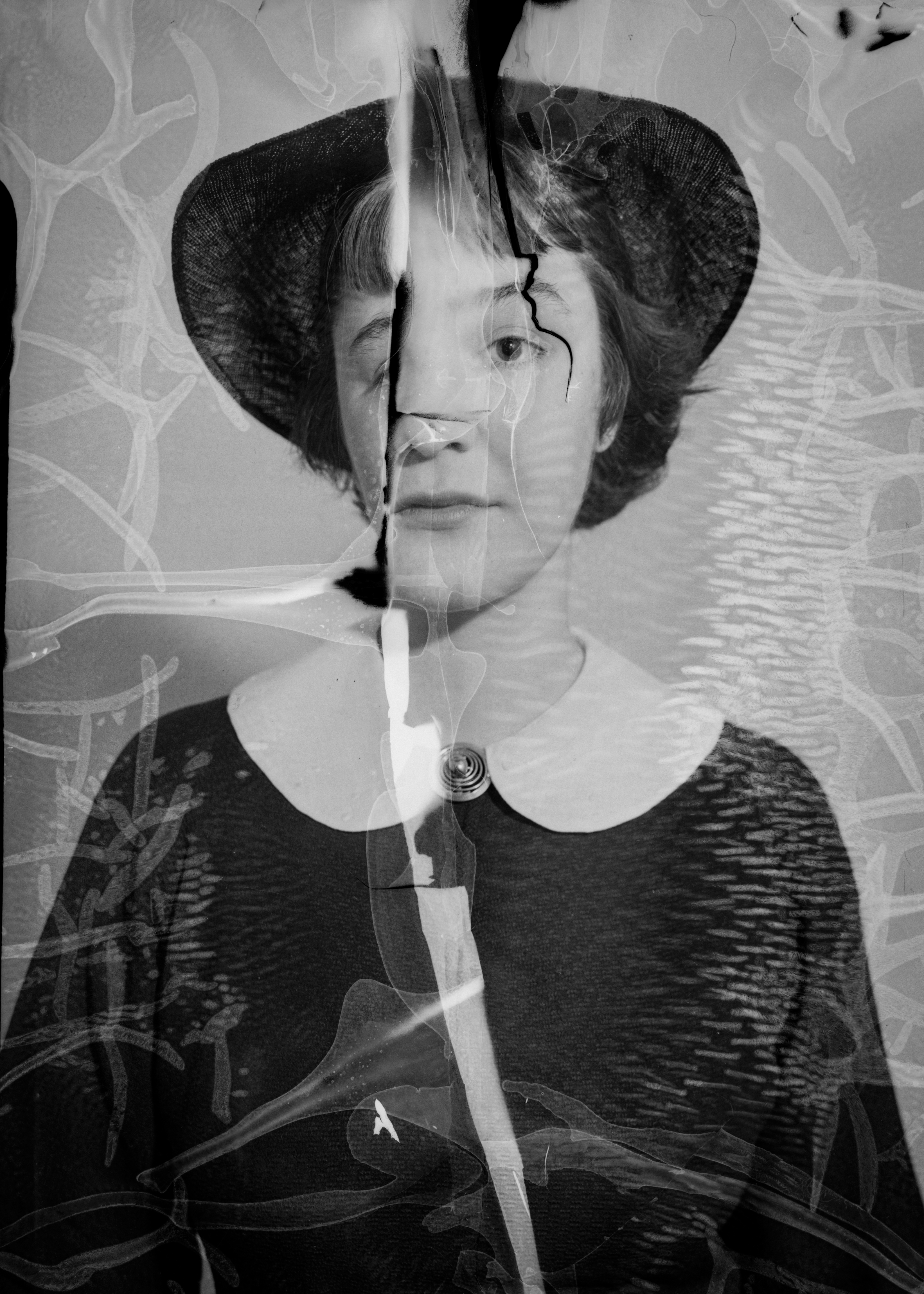
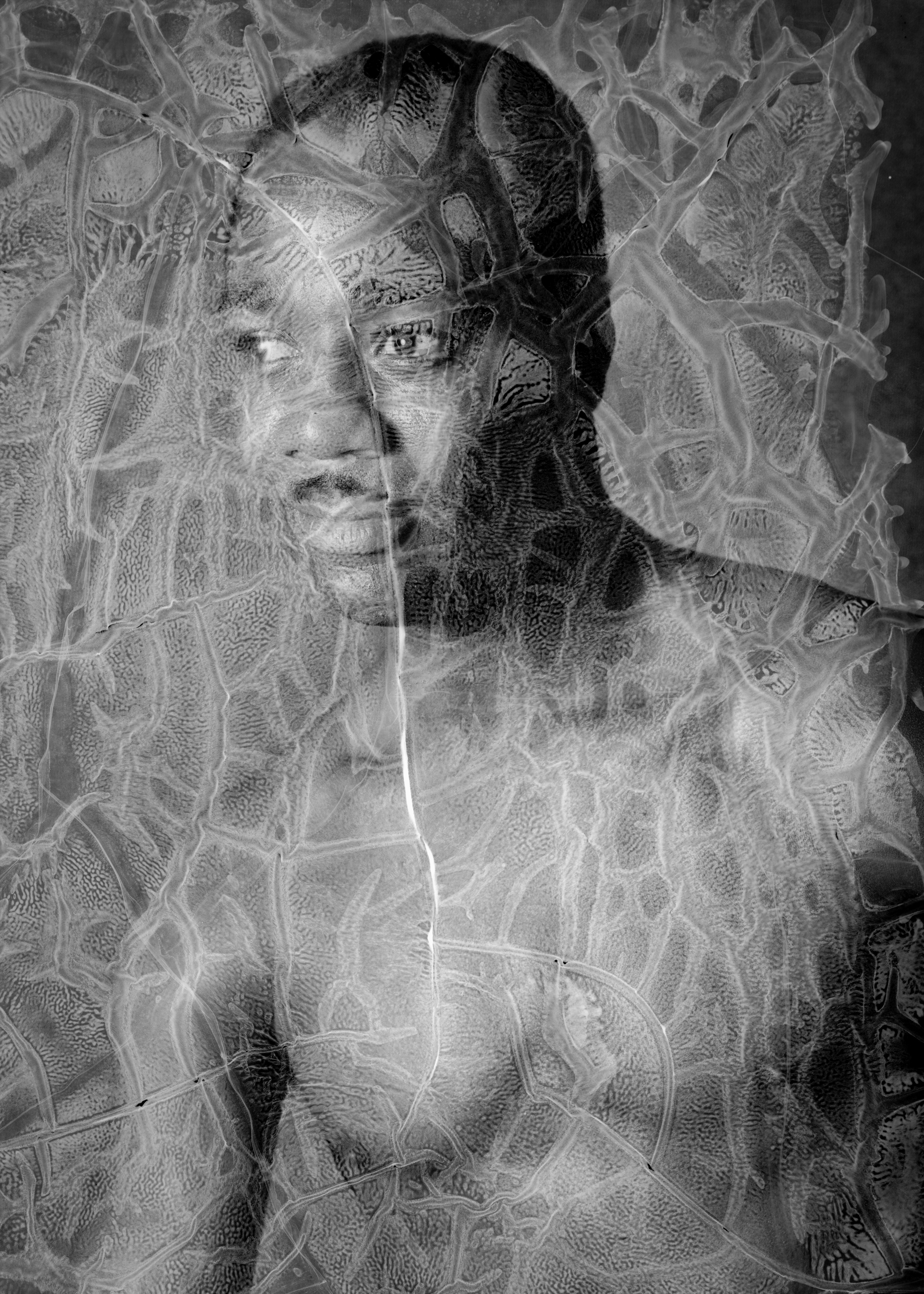
L-R: Image 2 of Portraits (unidentified) (5 Photographs). (⇲ Library of Congress) Photograph Federal Theatre Project, Music Division / A headshot of African-American actor Canada Lee as YANK for The Federal Theatre production of Eugene O'Neil's 'One Act Plays of the Sea'. Image 34 of O'Neill, Eugene (63 Photographs). (⇲ Library of Congress) Photograph Federal Theatre Project, Music Division, 1937
Established in 1935, the Federal Theatre Project was under the guidance of Hallie Flanagan, and it took a unique approach to theater. Flanagan wanted the project to be inclusive, and deal with the social issues that gripped America at the time. Not only was the FTP able to perform plays that entertained Americans suffering economically, but it also put many unemployed actors and actresses back onto the stage.
The program spanned over 100 community theatres across the country from New York to the west coast, and helped over 10,000 artists earn a living.
Some of the notable figures that participated in the program included producer Eugene O'Neill, as well as celebrated choreographer Helen Tamiris.
Although the FTP would only last four years, it was a crucial component of the Black theater movement. The Negro Repertory Company was Seattle's most active branch of the Federal Theatre Project, and was responsible for some of its most experimental productions.
Unfortunately, the Federal Theatre Project's modern take would also eventually be its downfall.
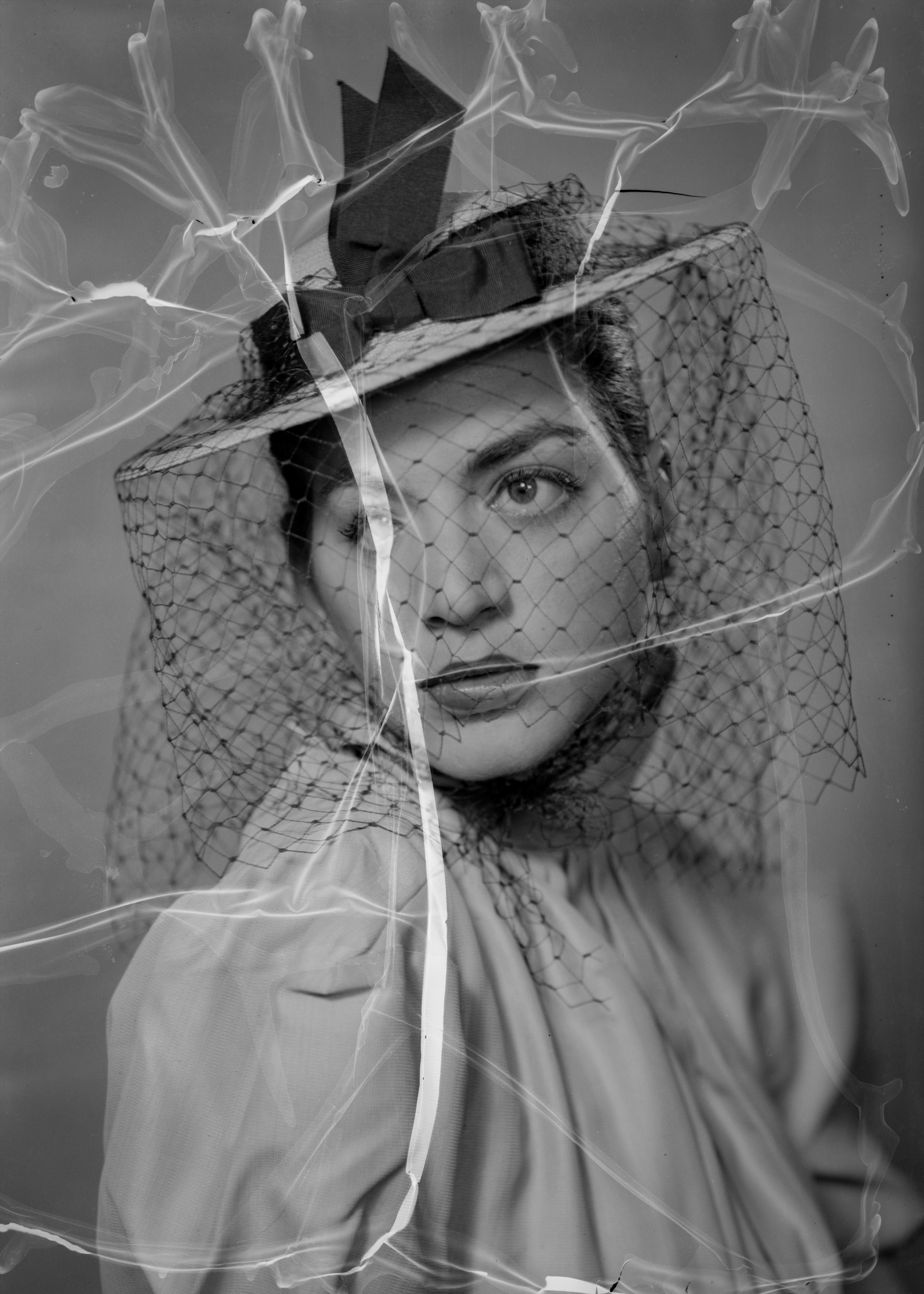
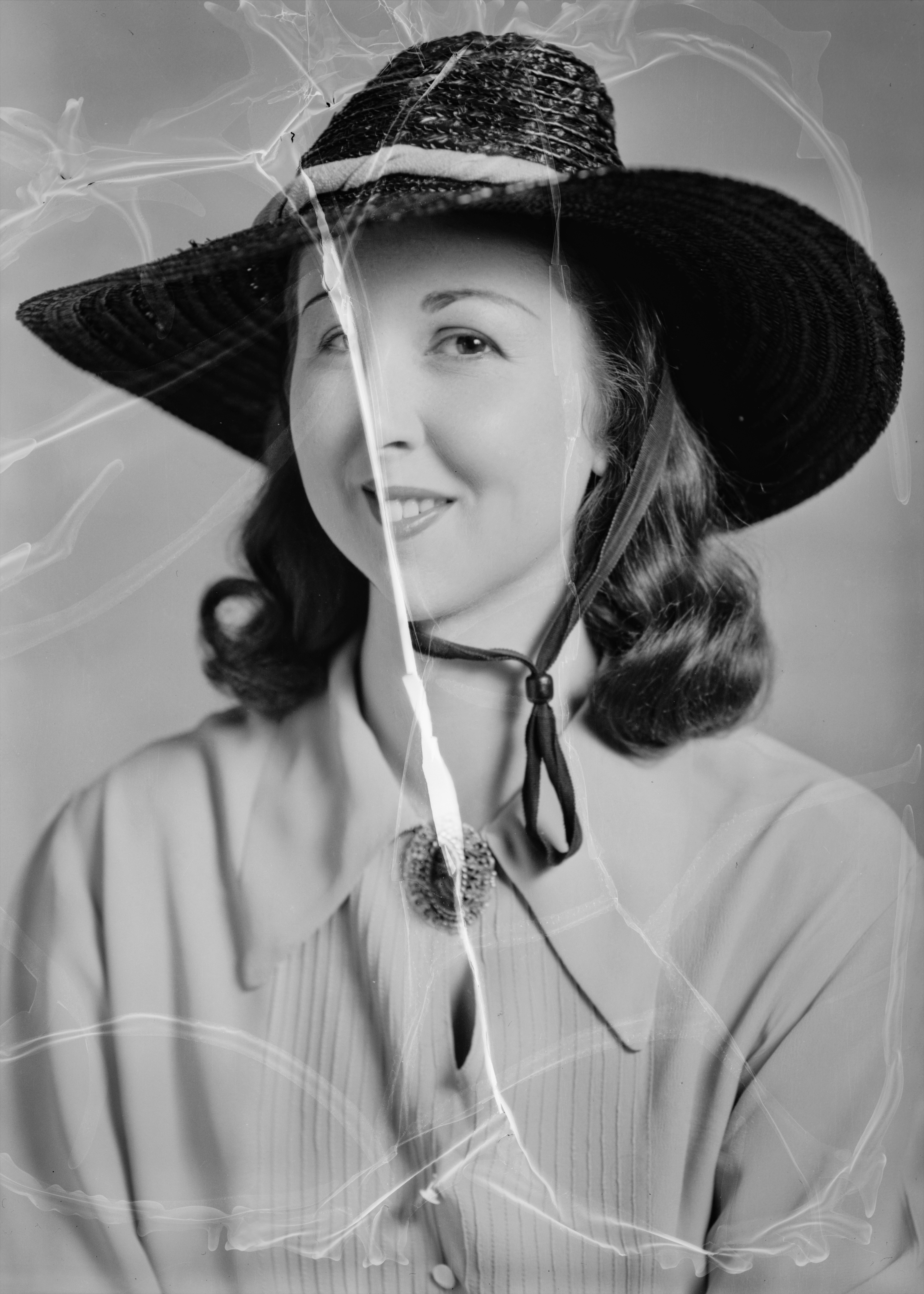
L-R: Image 19 of Sing for Your Supper (124 Photographs). (⇲ Library of Congress) Photograph Federal Theatre Project, Music Division, 1939 / Image 15 of Sing for Your Supper (124 Photographs). (⇲ Library of Congress) Photograph Federal Theatre Project, Music Division, 1939
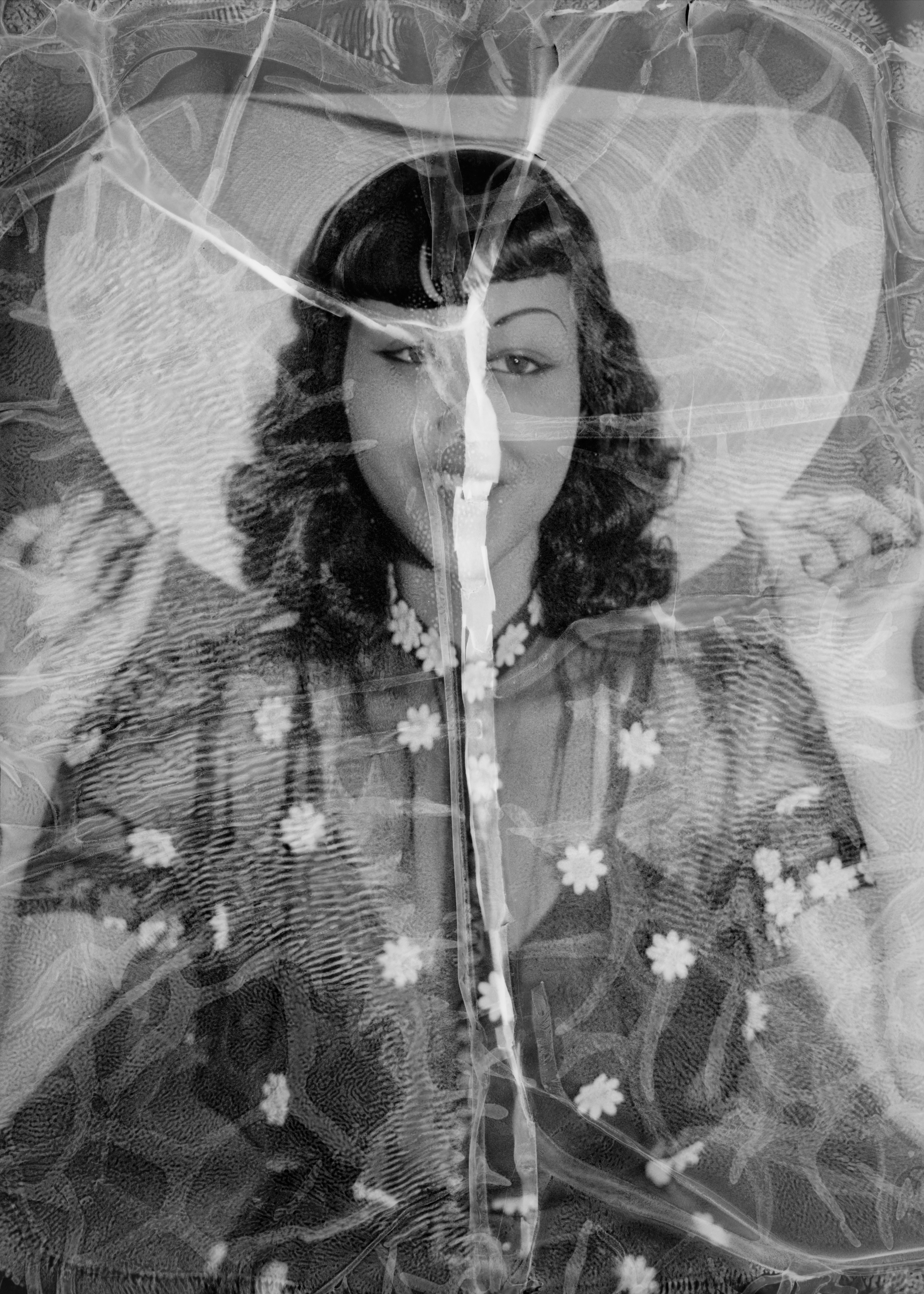
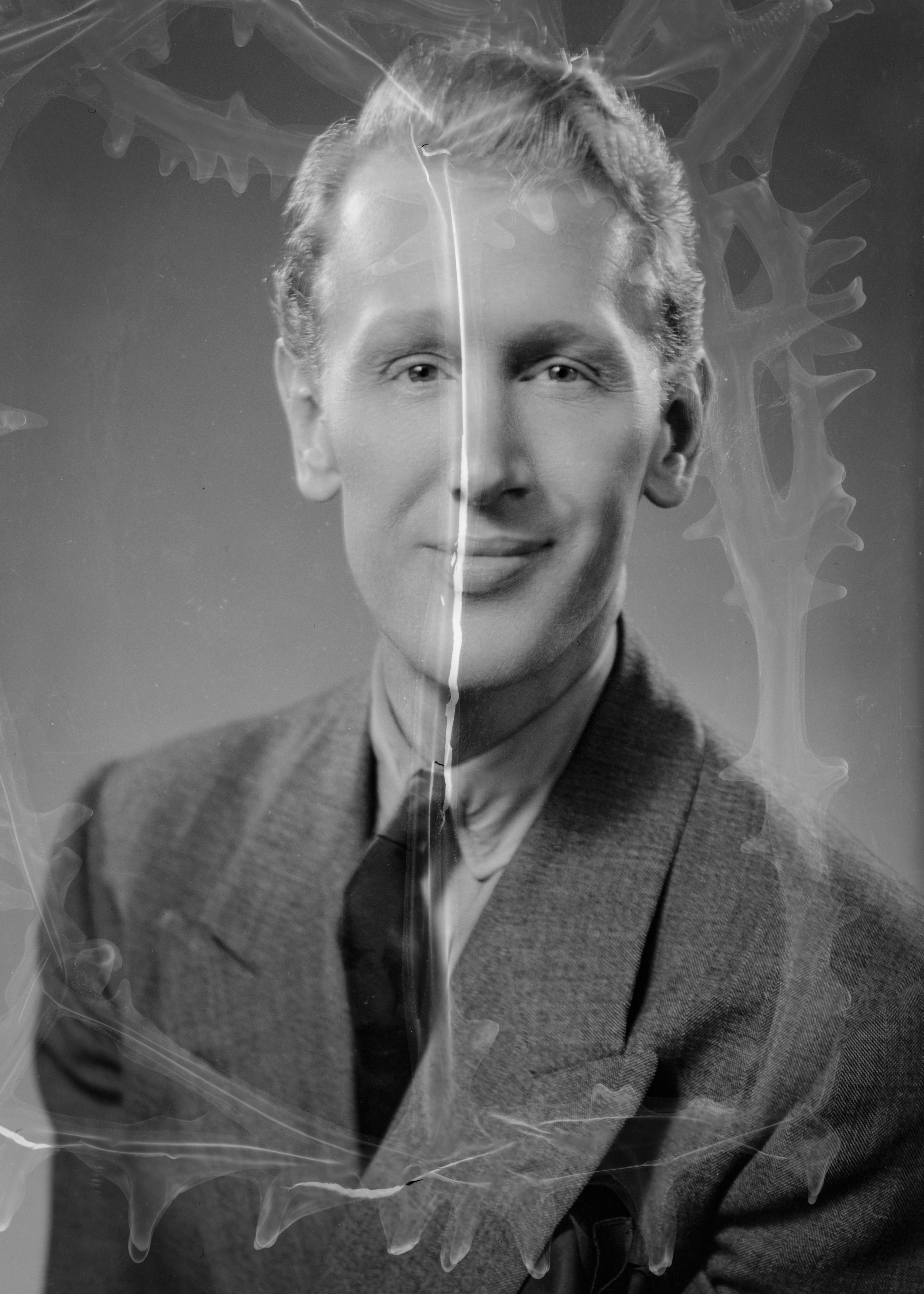
L-R: Image 2 of Swing It (58 Photographs). (⇲ Library of Congress) Photograph Federal Theatre Project, Music Division, 1937 / Image 122 of Sing for Your Supper (124 Photographs). (⇲ Library of Congress) Photograph Federal Theatre Project, Music Division, 1939
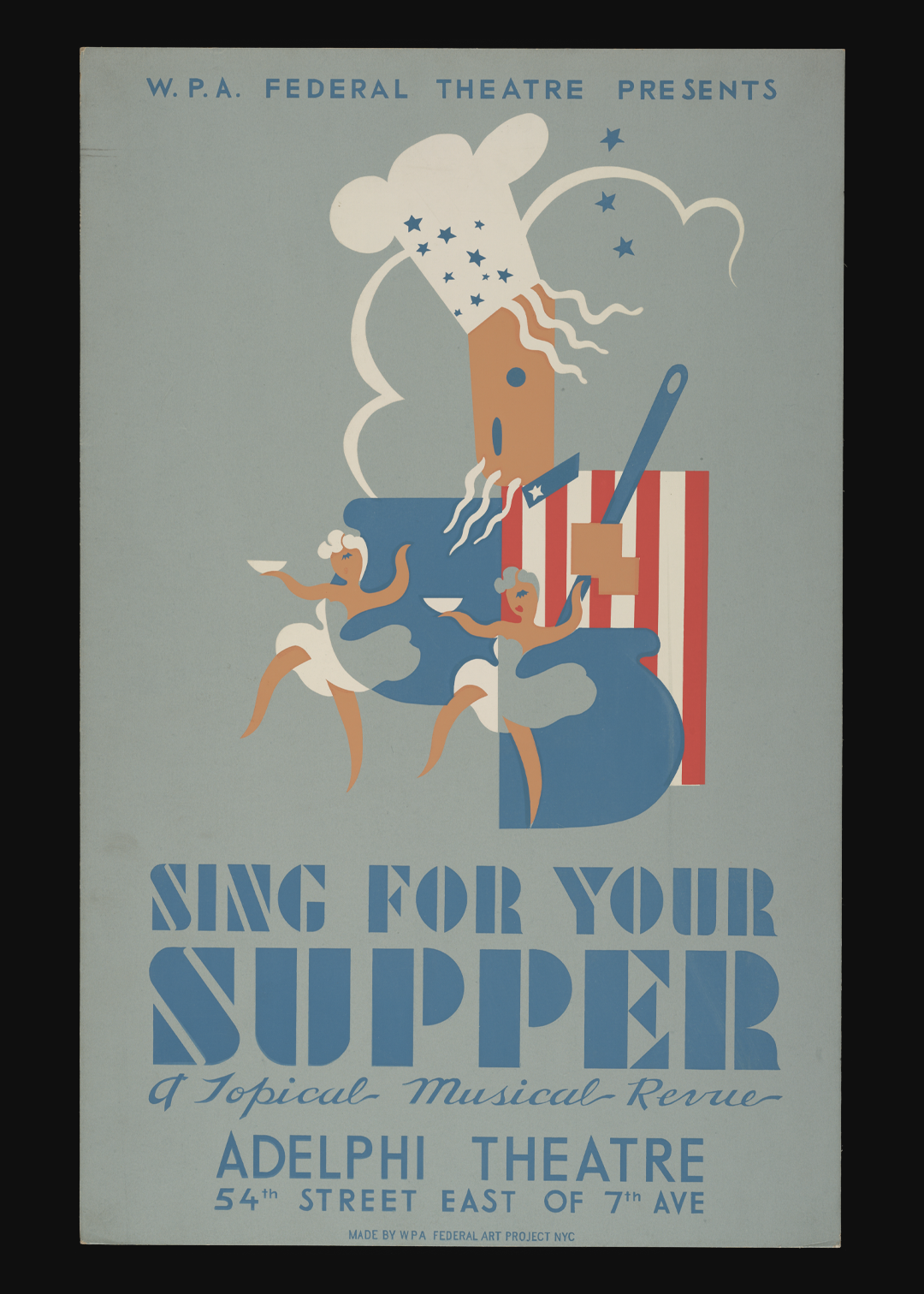
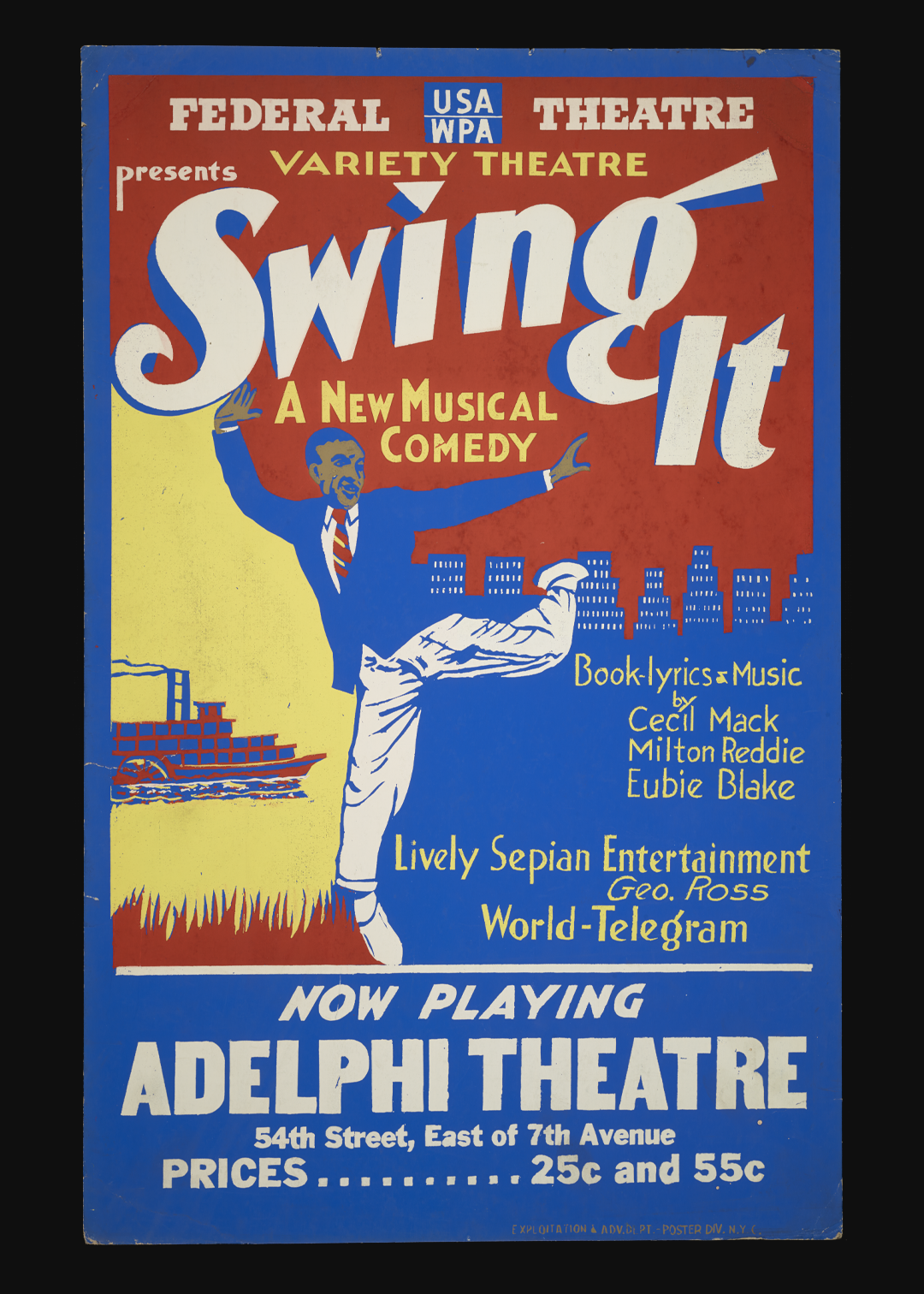
L-R: W.P.A. Federal Theatre presents "Sing for your supper" a topical musical revue. (⇲ Library of Congress) Poster Federal Theatre Project, Music Division, 1939 / Swing It. (⇲ Library of Congress) Poster Federal Theatre Project, Music Division
One of the Federal Theatre Project's most famous plays, Stevedore, centered around a black Union organizer falsely accused of raping a white woman.
There was also Power, a Living Newspaper production that promoted public ownership of utilities, a controversial idea in the 1930s. While Power brought in the crowds, Seattle newspapers heavily criticized the piece, and forced Seattle's FTP to focus on safer, less controversial productions.
Still, African American actors like Dooley Wilson and Canada Lee would get their start in the FTP, and go on to pave the way for other black artists. Perhaps the FTP's most famous piece, One Third of a Nation, premiered on May 23, 1938. The title was a reference to President Roosevelt's inaugural address, where he said, "I see one-third of a nation ill-housed, ill-clad and ill-nourished." The play, written by Arthur Arent, shined a spotlight on the need for housing reform in Seattle, and the atrocious track record of slum conditions in big cities.
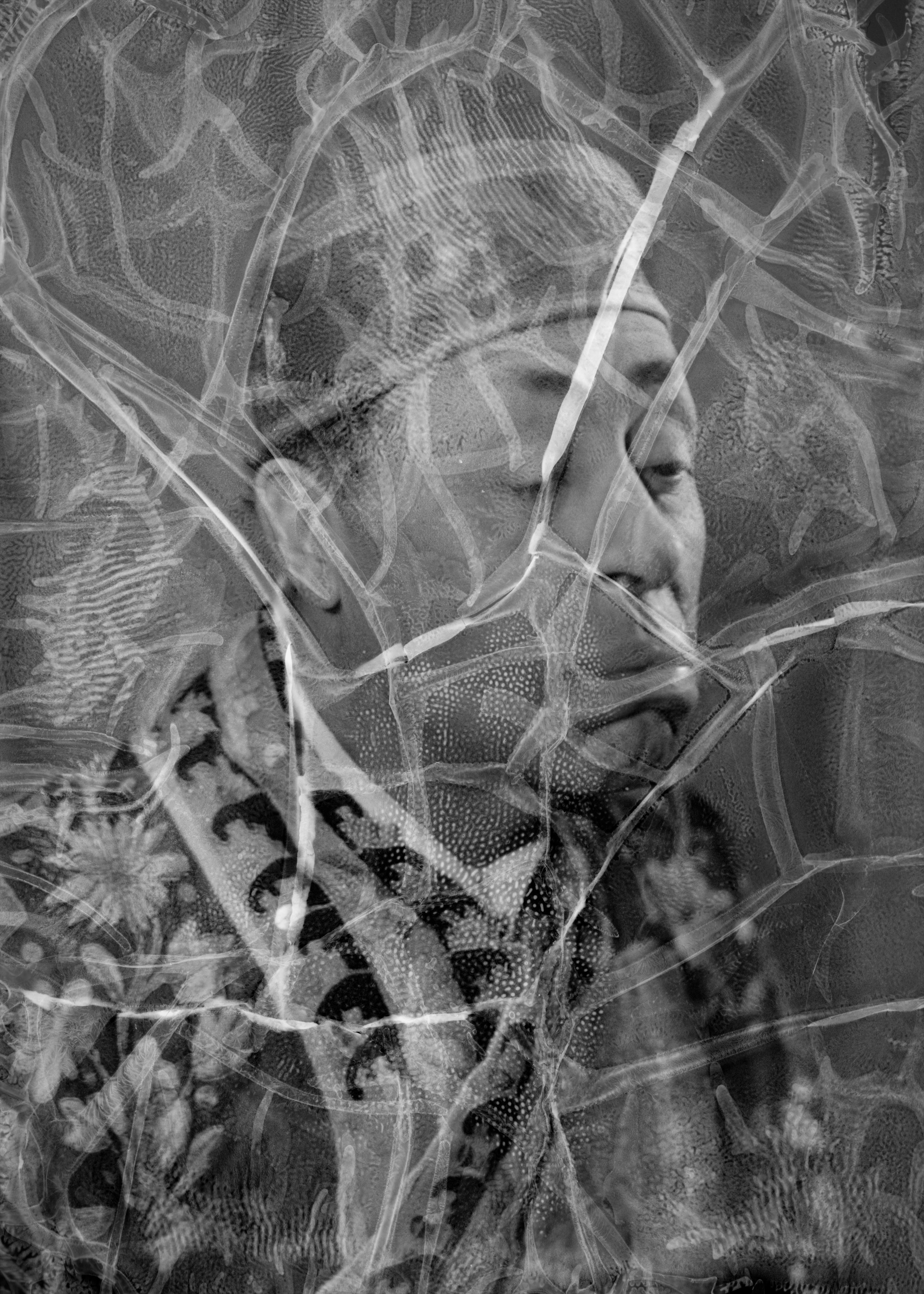
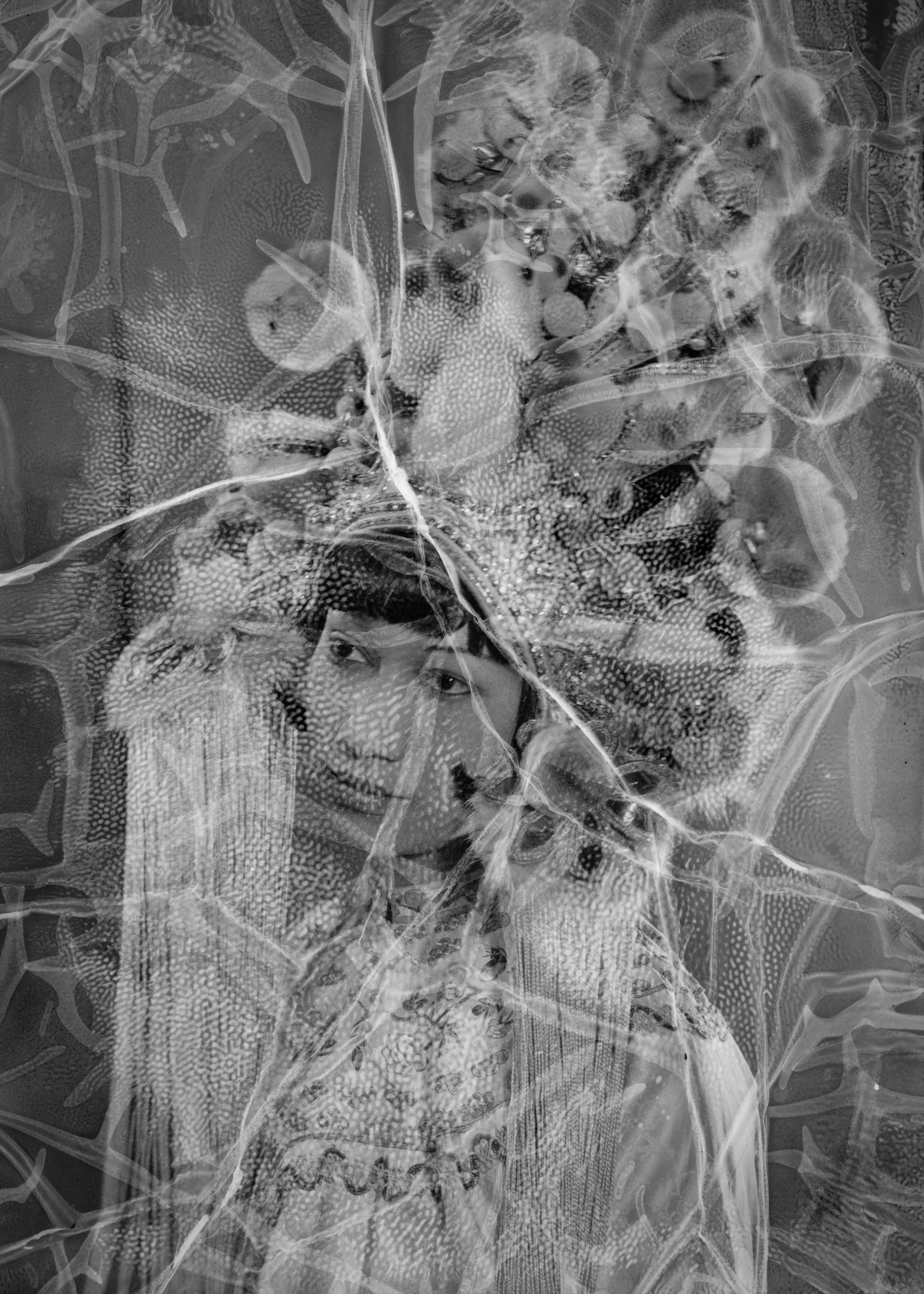
L-R: A headshot of African-American actor Al Young as CHIN CHIN for The Federal Theatre production of 'Swing It: A Comedy in Two Acts'. Image 11 of Swing It. (58 Photographs). (⇲ Library of Congress) Photograph Federal Theatre Project, Music Division, 1937 / A headshot of African-American actress Dorothy Turner as SU SAN for The Federal Theatre production of 'Swing It: A Comedy in Two Acts'. Image 4 of Swing It (58 Photographs). (⇲ Library of Congress) Photograph Federal Theatre Project, Music Division, 1939
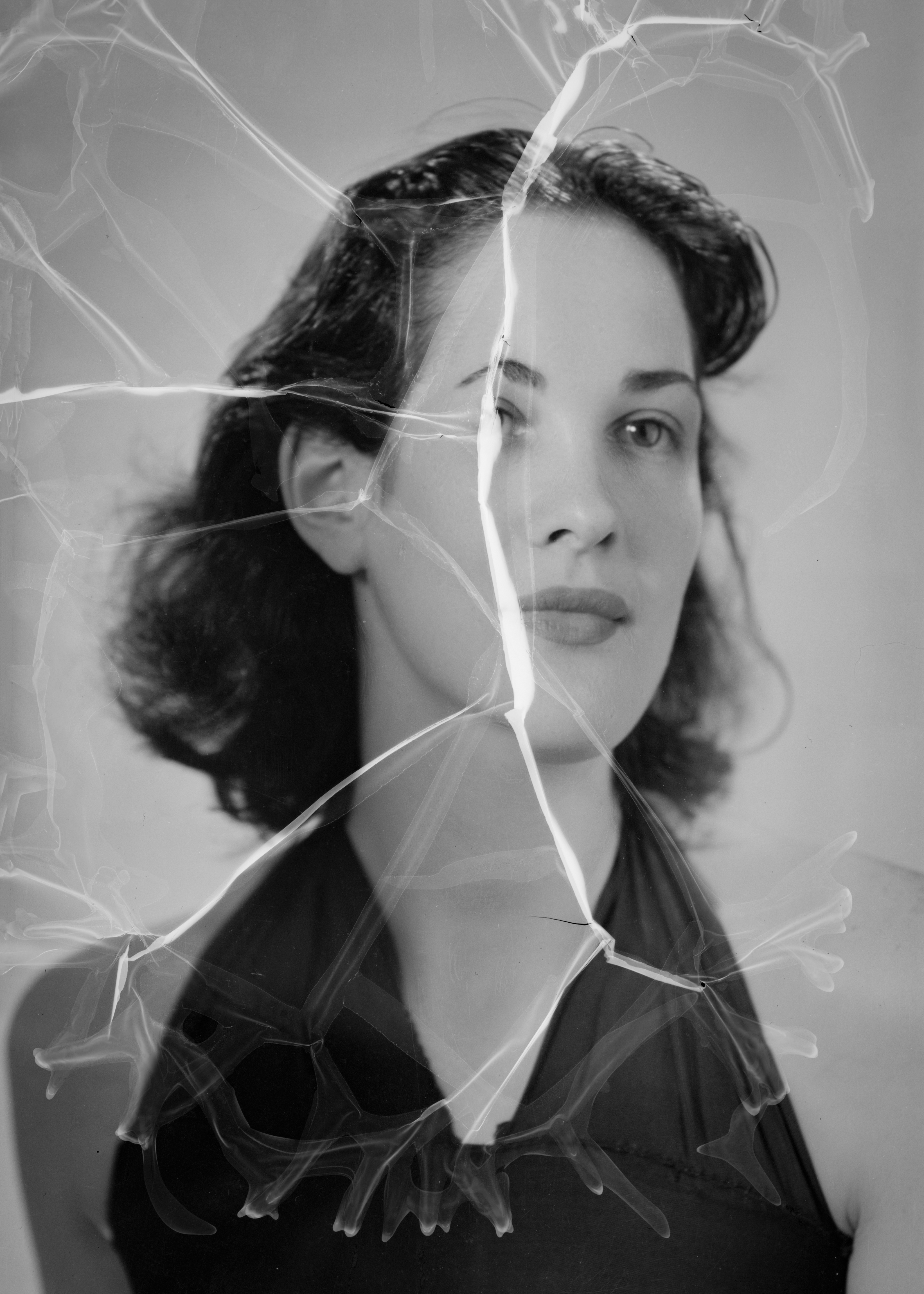
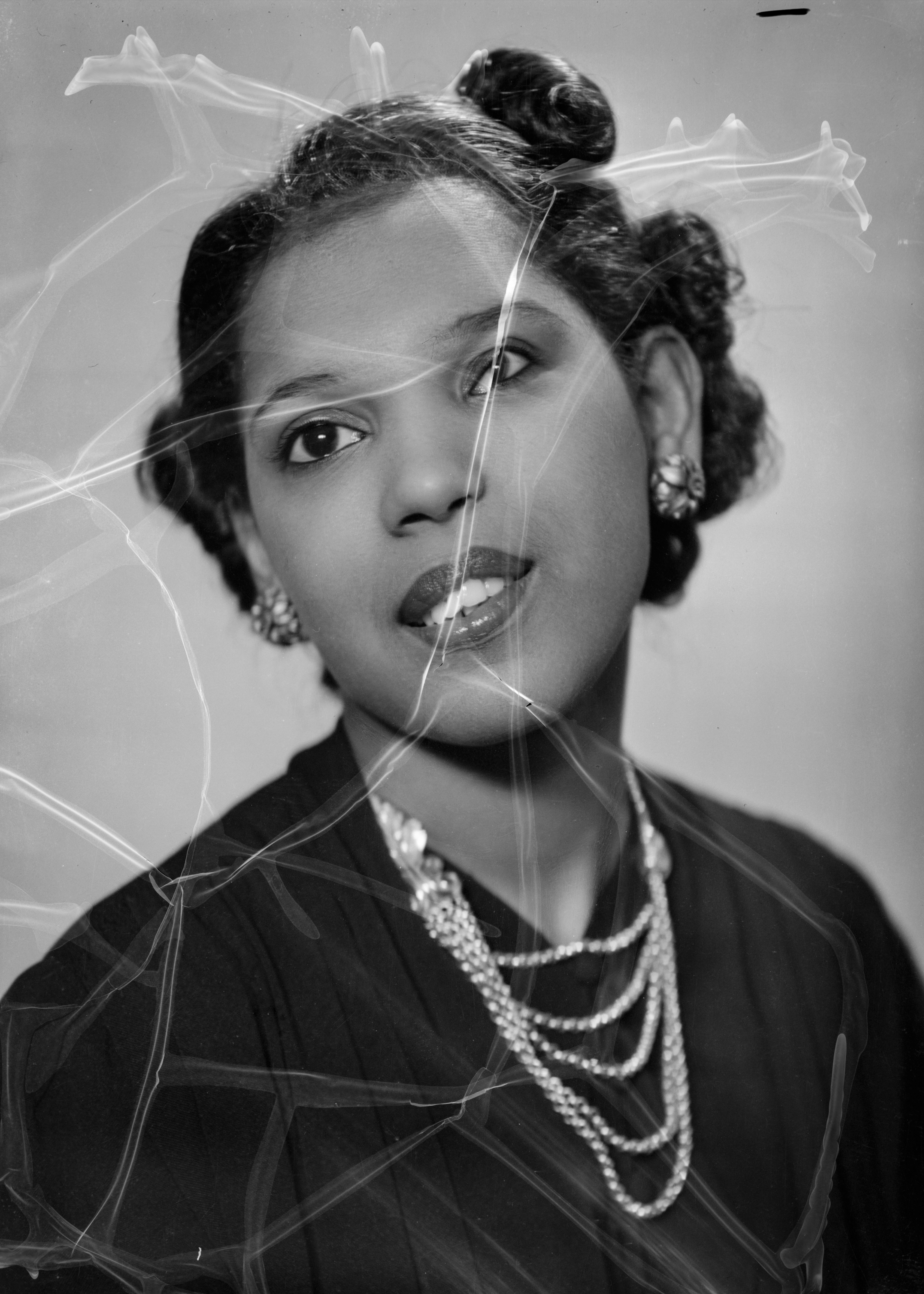
L-R: Image 8 of Sing for Your Supper (124 Photographs). (⇲ Library of Congress) Photograph Federal Theatre Project, Music Division, 1939 / Image 30 of Sing for Your Supper (124 Photographs). (⇲ Library of Congress) Photograph Federal Theatre Project, Music Division
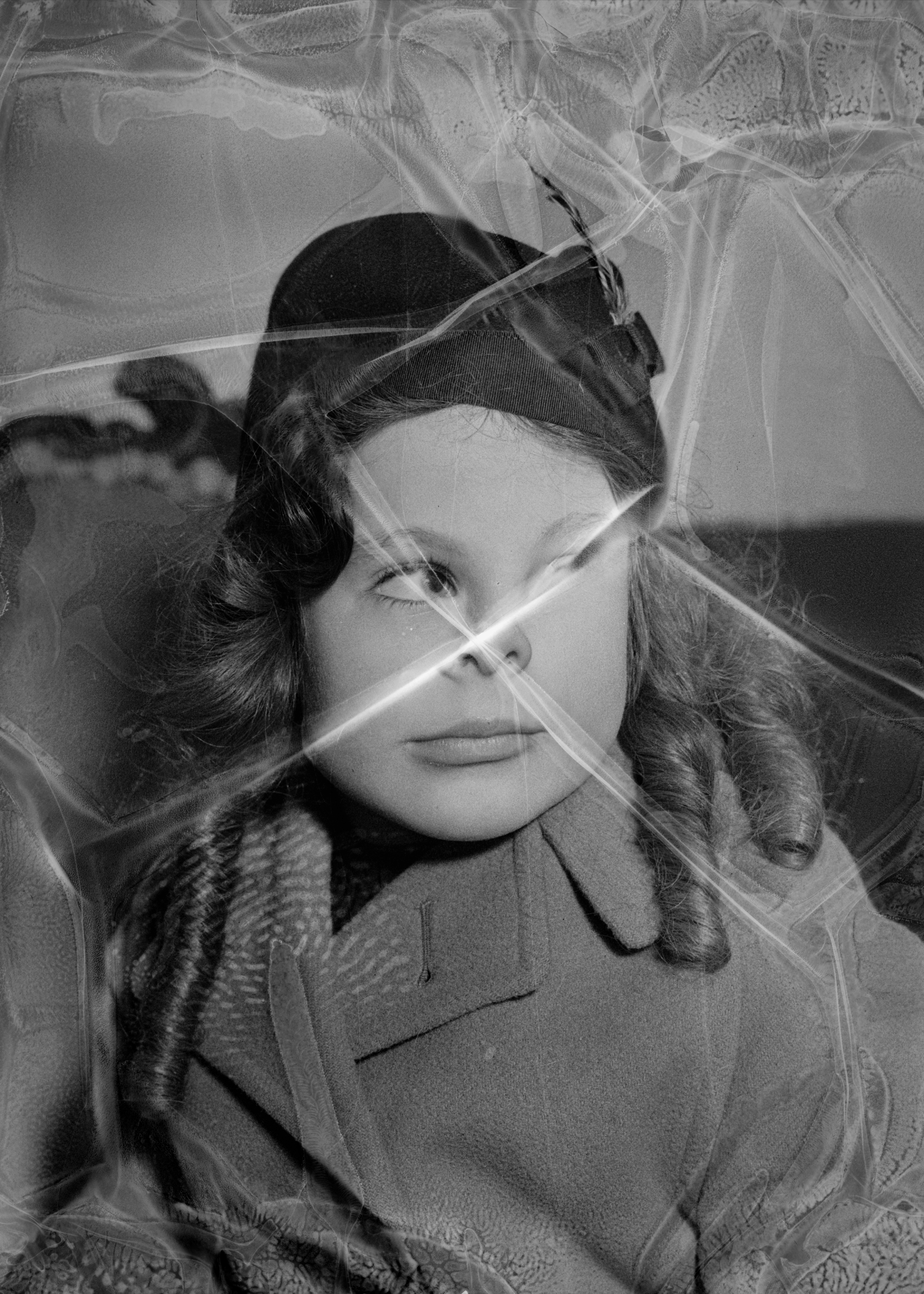
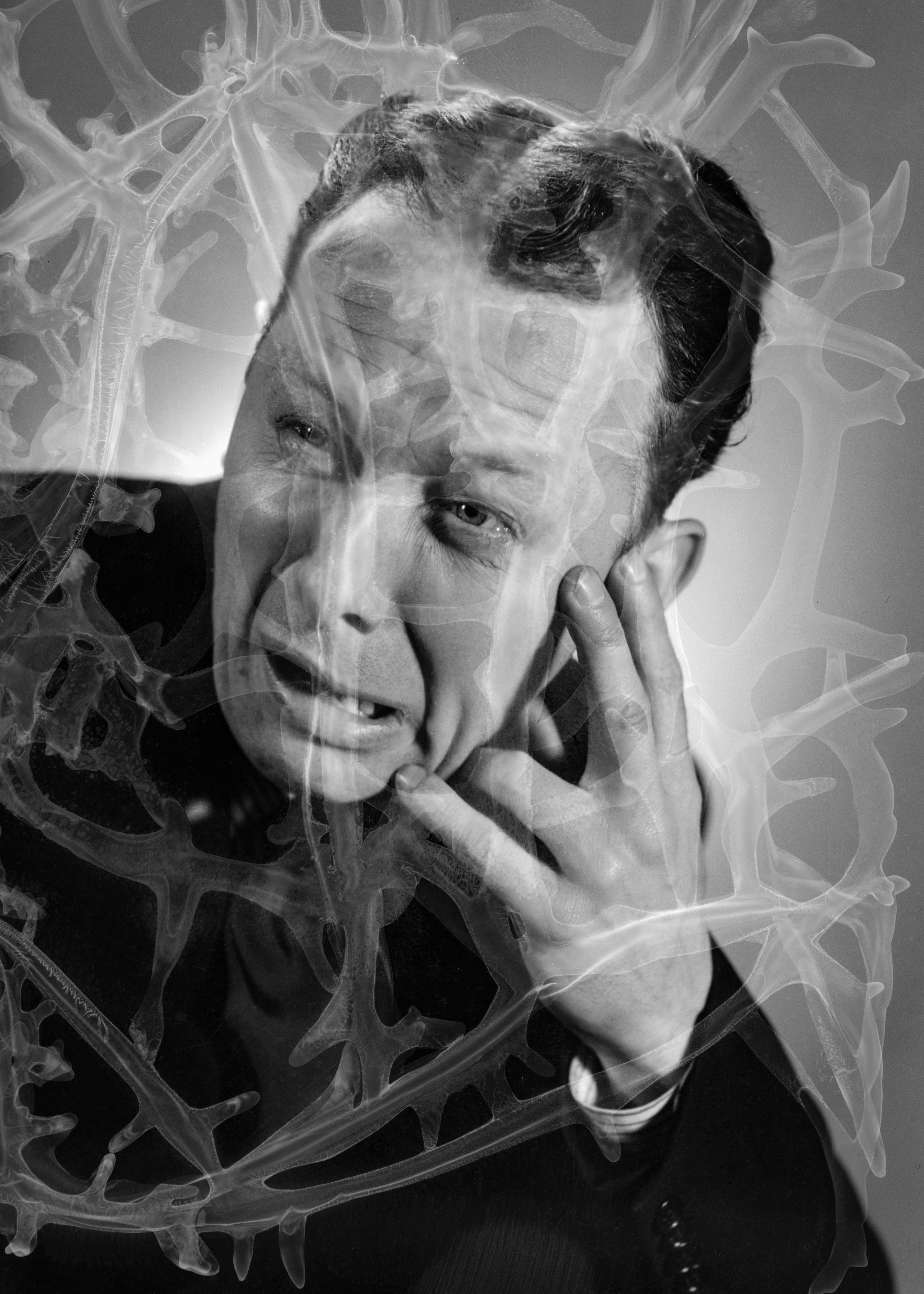
L-R: Image 1 of Roslyn Repertory (2 Photographs). (⇲ Library of Congress) Photograph Federal Theatre Project, Music Division / Image 113 of Sing for Your Supper (124 Photographs). (⇲ Library of Congress) Photograph Federal Theatre Project, Music Division, 1939
As popular as these controversial pieces were for the public, Congress did not agree. The House Committee on Un-American Activities targeted the FTP for investigation, and attacked the program's leftist commentary. It was labeled Communist propaganda, and as America's focus turned to the second World War, the FTP lost almost all of its federal funding.
On its death bed, the FTP still managed to produce Flotilla of Faith, a historical reenactment of Catholic missionaries to Fort Vancouver. However, pieces like Timber, a Living Newspaper about the rapid decline of timber availability, never got to see the light of day. The FTP was disbanded on June 30th, 1939, and every FTP worker received a pink slip.
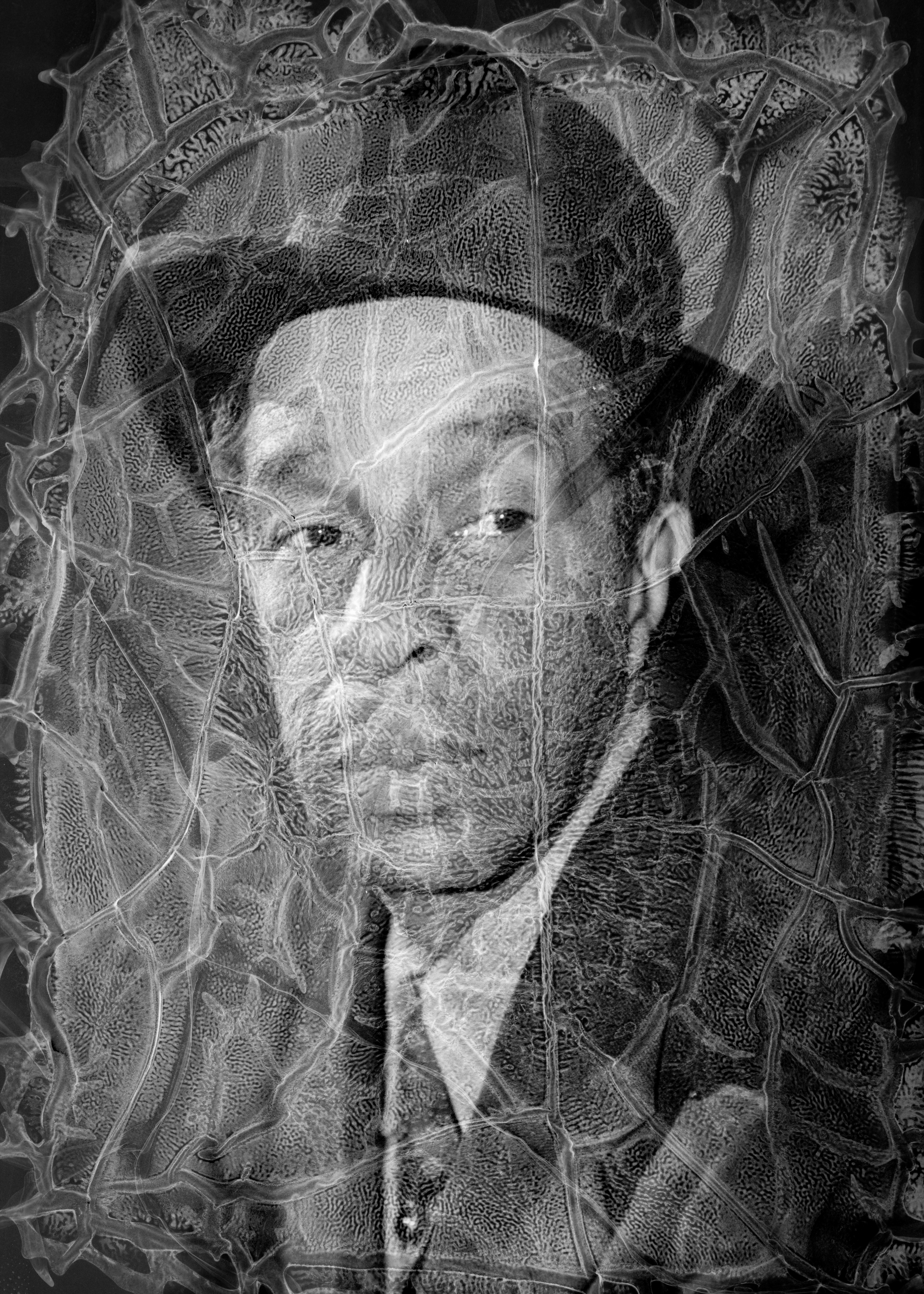
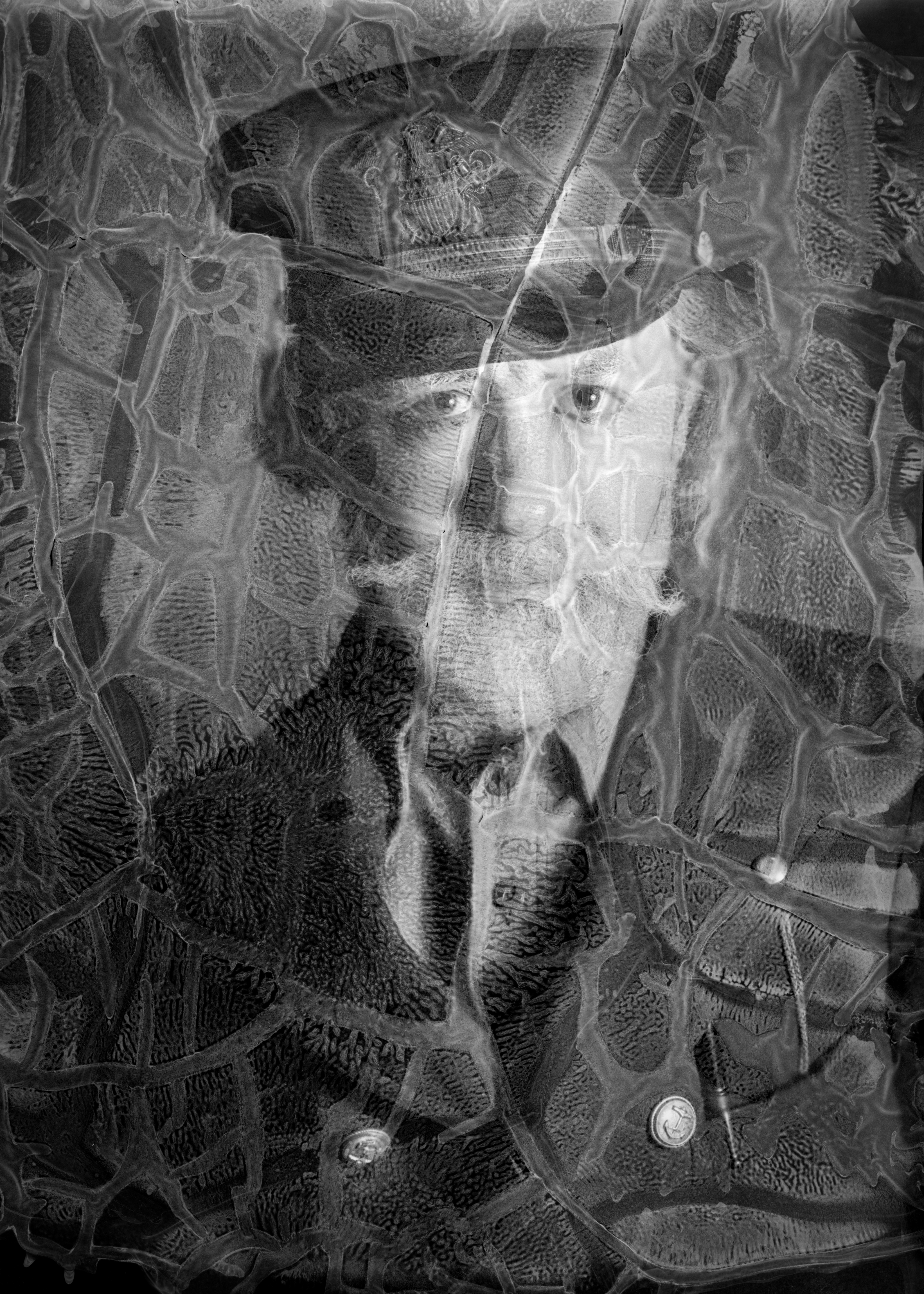
L-R: Likely an actor headshot from the Federal Theatre production of Eugene O'Neil's 'One Act Plays of the Sea'. Image 11 of O'Neill, Eugene (63 Photographs). (⇲ Library of Congress) Photograph Federal Theatre Project, Music Division, 1937 / Likely an actor headshot from the Federal Theatre production of Eugene O'Neil's 'One Act Plays of the Sea'. Image 30 of O'Neill, Eugene (63 Photographs). (⇲ Library of Congress) Photograph Federal Theatre Project, Music Division
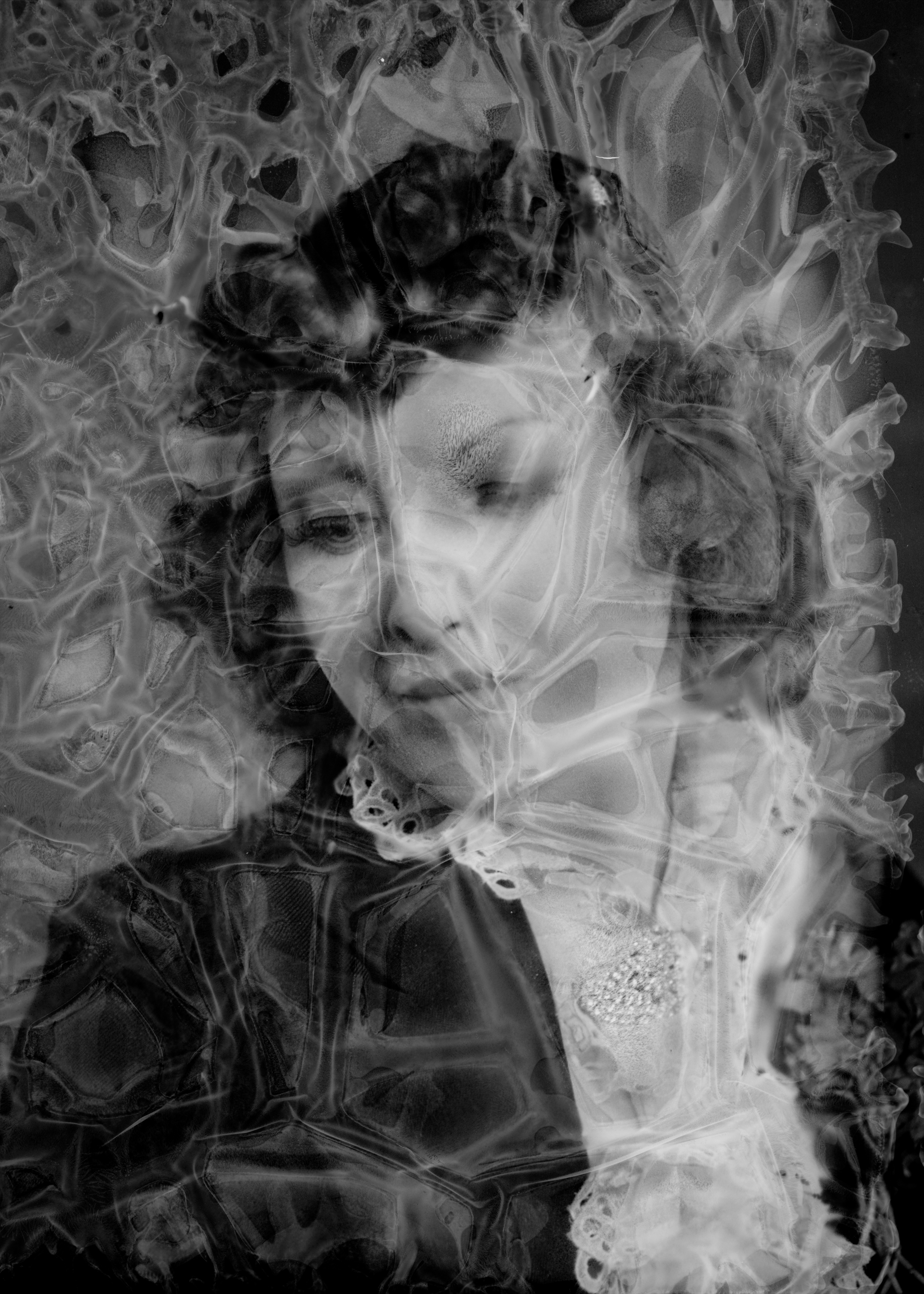
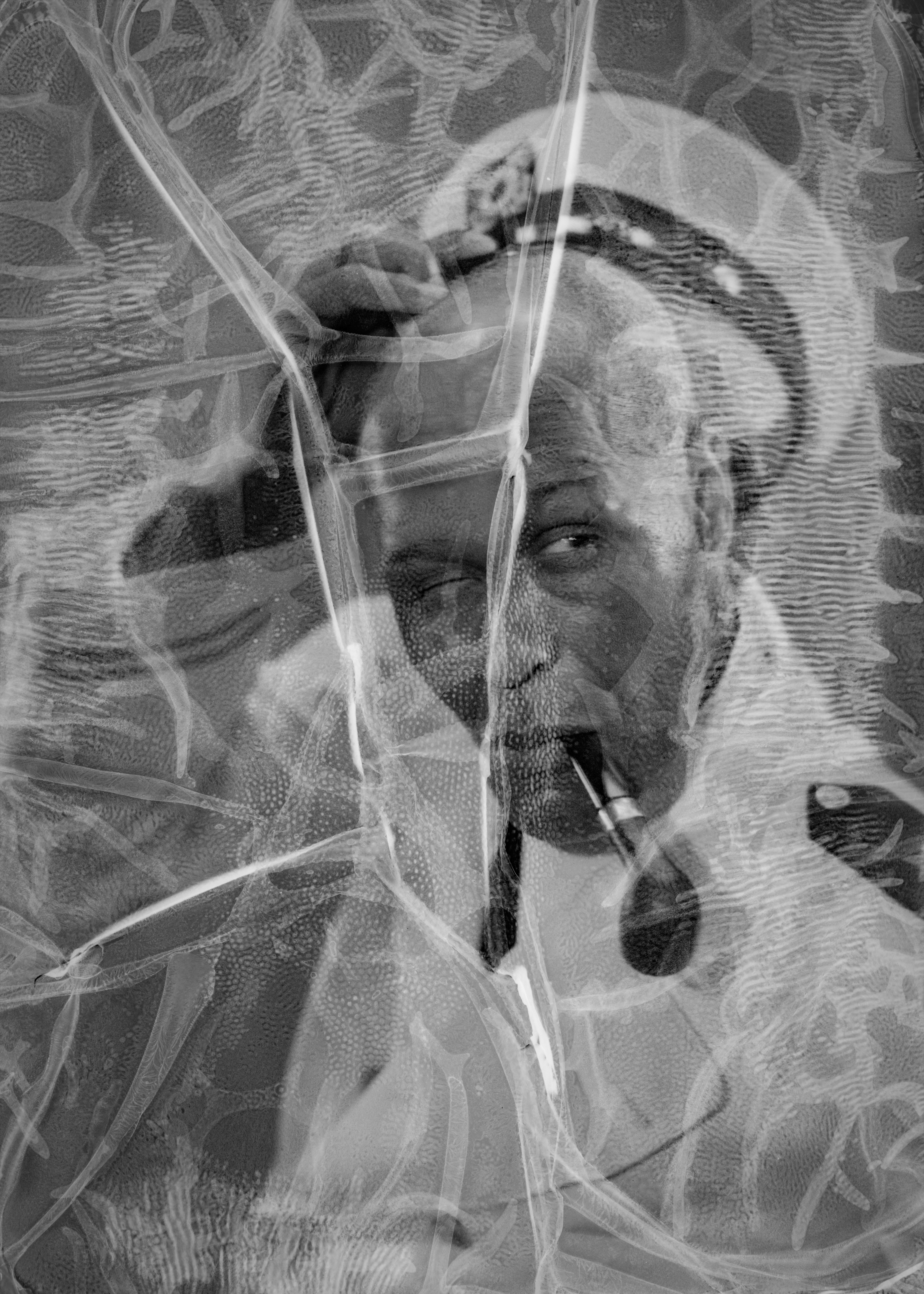
L-R: The Crippled Girl (1 Photograph). (⇲ Library of Congress) Photograph Federal Theatre Project, Music Division / Image 7 of Swing It (58 Photographs). (⇲ Library of Congress) Photograph Federal Theatre Project, Music Division, 1937
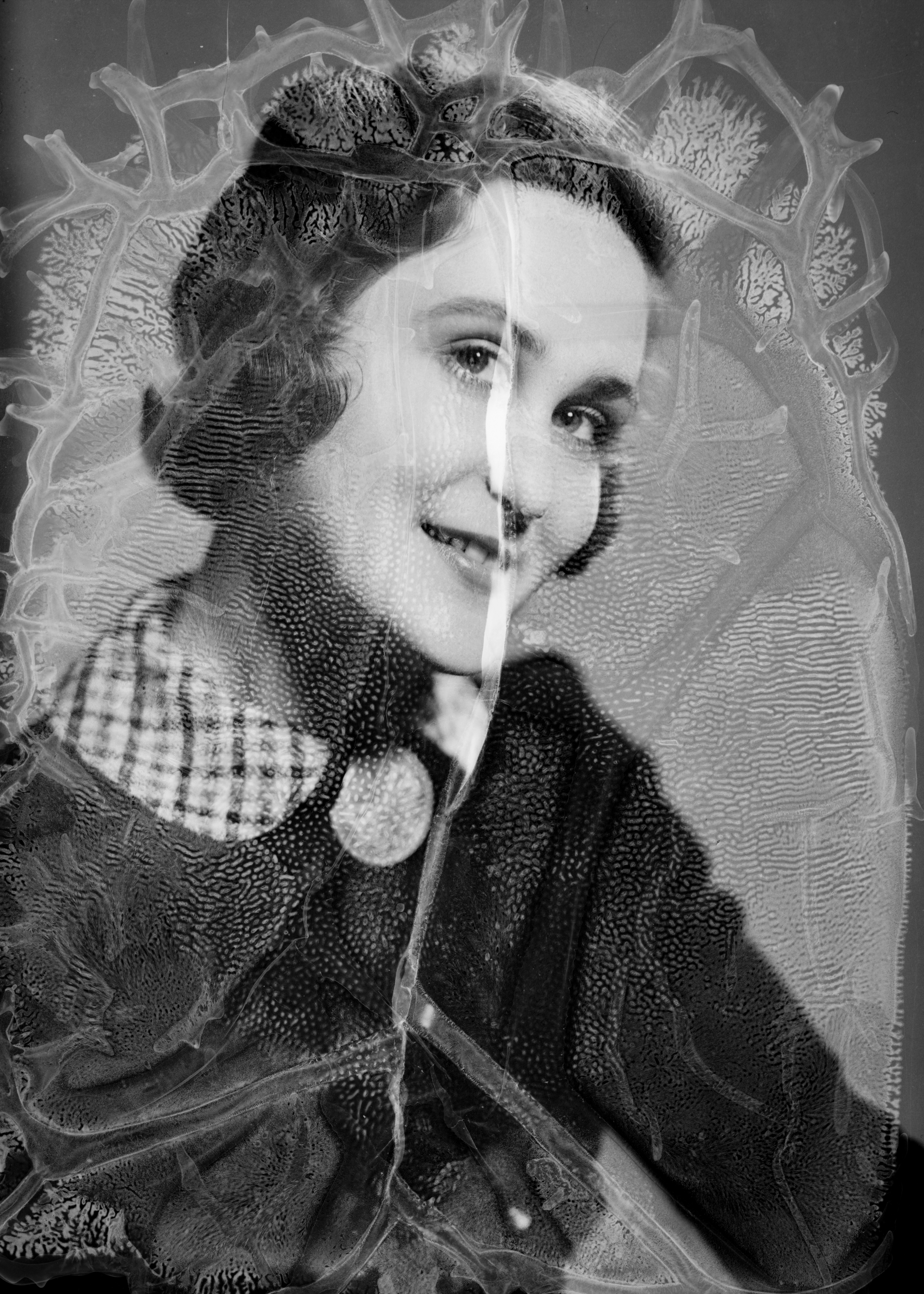
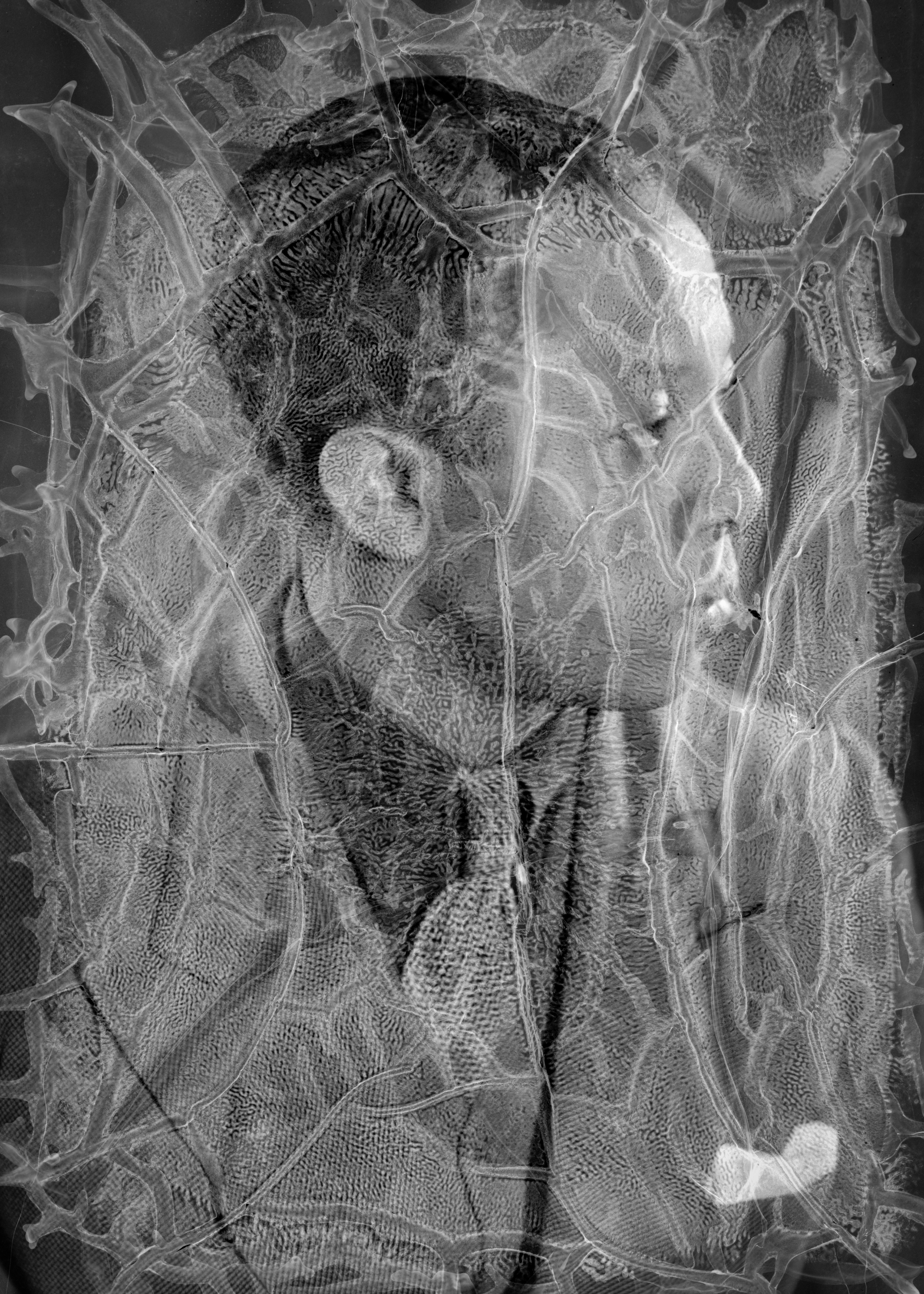
L-R: Image 2 of Sing for Your Supper (124 Photographs). (⇲ Library of Congress) Photograph Federal Theatre Project, Music Division, 1939 / Likely an actor headshot from the The Federal Theatre production of Eugene O'Neil's 'One Act Plays of the Sea'. Caption reads, "Image 1 of O'Neill, Eugene (63 Photographs). (⇲ Library of Congress) Photograph Federal Theatre Project, Music Division, 1937
While heavily criticized at the time, there's plenty of documentation of the FTP from old newspapers, photos, and even these distorted Broadway headshots. Unfortunately, many of these headshots bear the weight of time—the unique distortion you see on these photos is due to Negative Vinegar Syndrome. This issue affects photographic negatives and film reels printed on 'safety film', and is the result of diacetate gradually turning into acetic acid. The deterioration causes the warped lines you see on the headshots, as well as a vinegar-like odor •
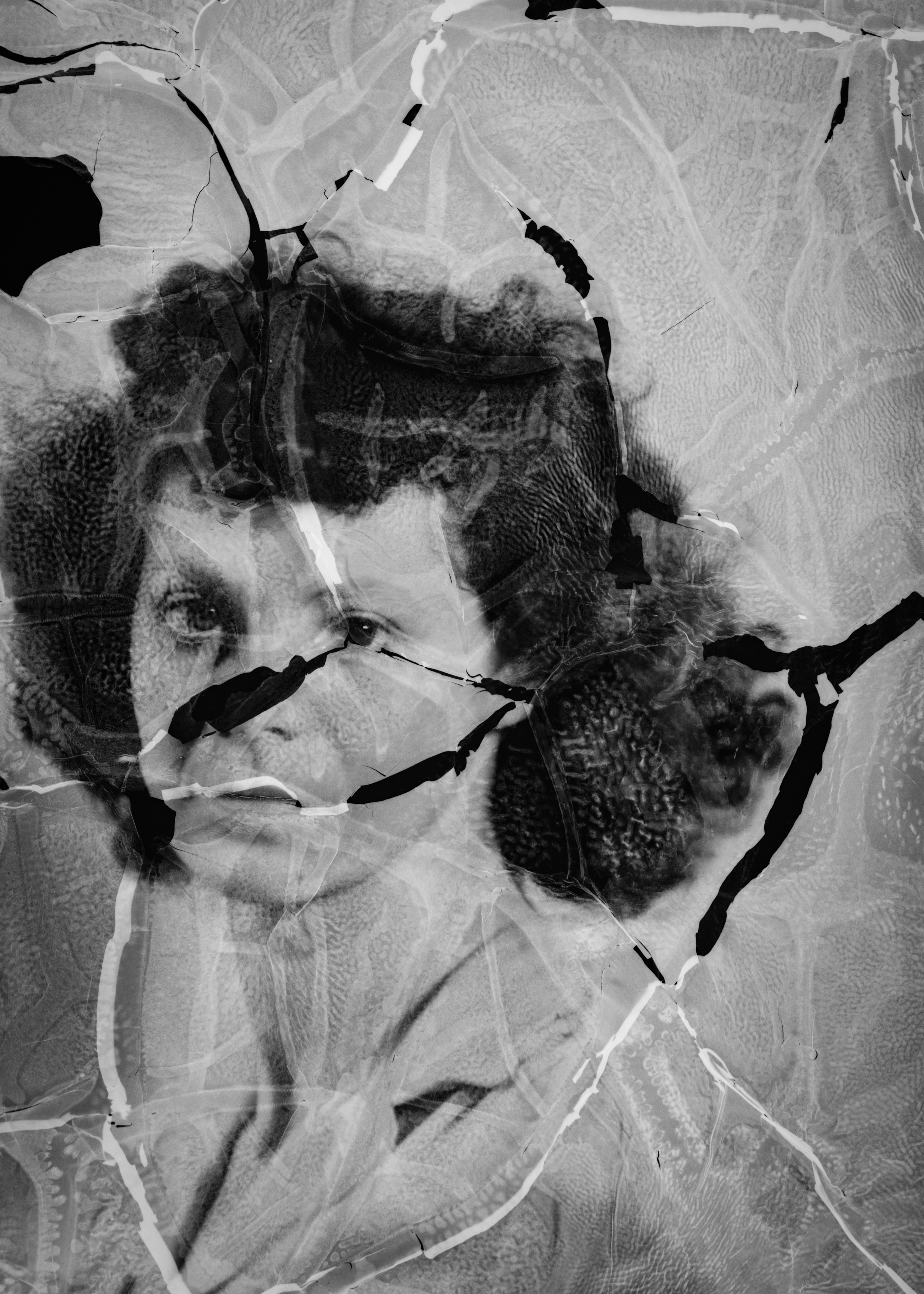
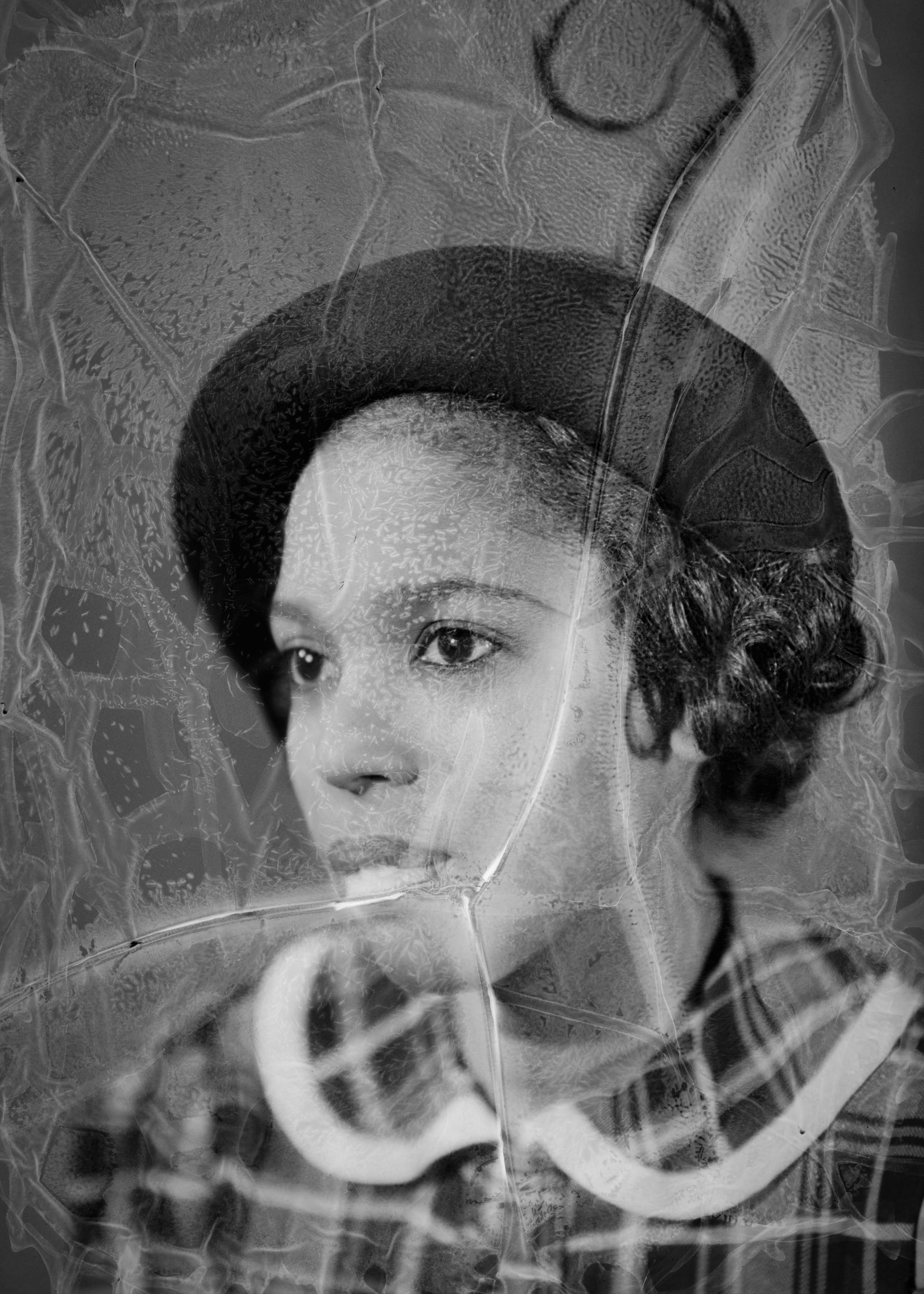
L-R: Headshot of American actress and choreographer Helen Becker Tamiris. (⇲ Library of Congress) Photograph Federal Theatre Project, Music Division / Image 16 of O'Neill, Eugene (63 Photographs). (⇲ Library of Congress) Photograph Federal Theatre Project, Music Division, 1937

All the black and white Public Domain photographs in this Viewfinder gallery have been meticulously restored from a high resolution digital scan from their original source. Share and use these remastered high resolution black & white historical pictures, for free, with Unsplash.
This Viewfinder gallery was originally published September 22, 2021.
More

Entertaining America: the Federal Theatre Project with James Shapiro
The origins of today's Culture Wars can be found in the 1930s, argues James Shapiro
With thanks to Michael-John Jennings.
📸 Dive into our Features
🎤 Read Interviews
🎧 Listen to Podcasts
🖼️ Buy fine art prints & more at our Store


