
Winston Churchill and Charles de Gaulle
Richard Vinen tells us about his biographical study of 'the last titans'


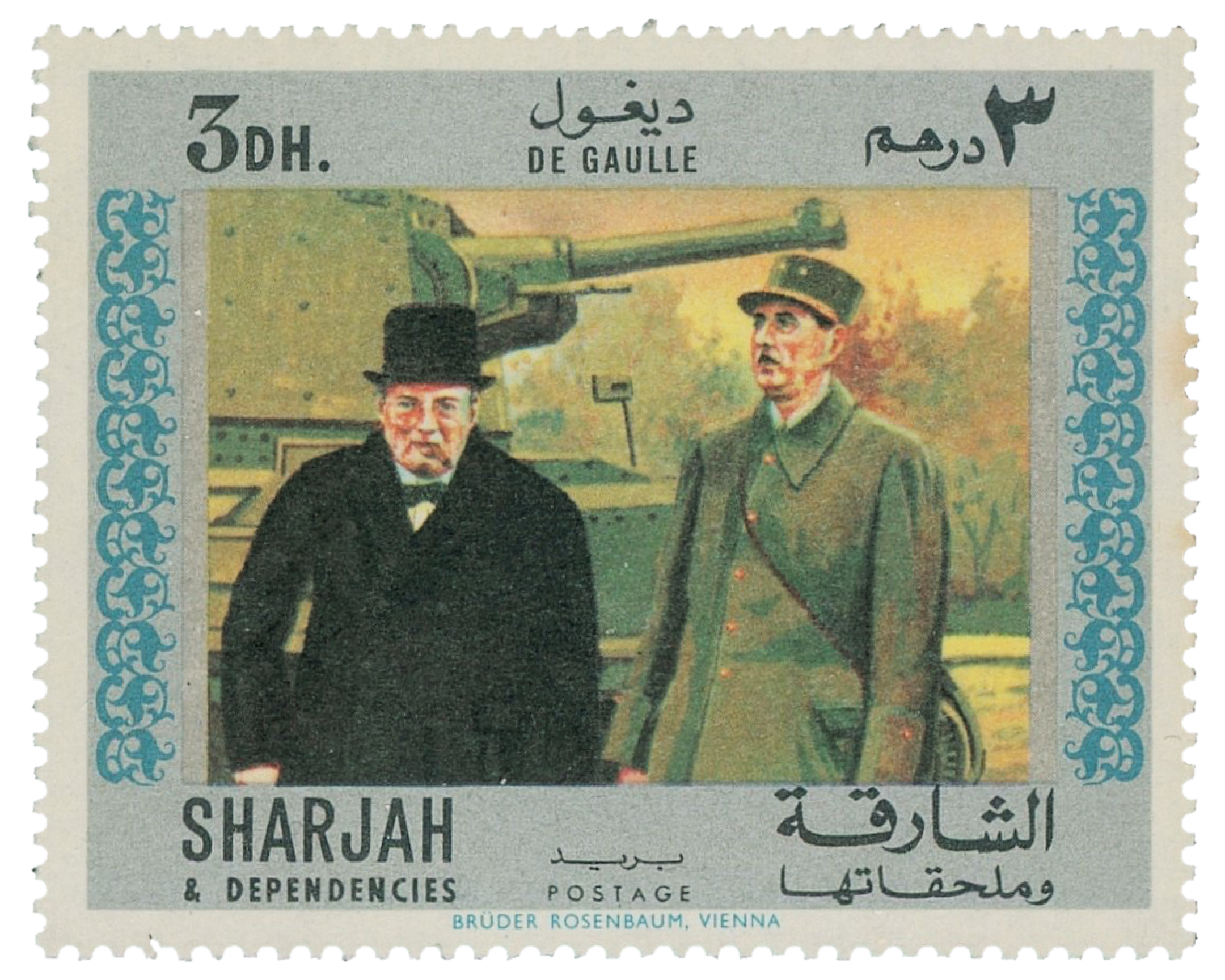
Few figures in history have come to represent their countries like Winston Churchill and Charles de Gaulle. In the desperate days of the Second World War, both emerged as sources of strength and hope to their respective people.
But Churchill and de Gaulle were very different personalities. To investigate their characters and achievements more deeply, Richard Vinen has written a joint biography of the two men he calls, 'the last titans'.
Questions by Peter Moore

Unseen Histories
Fox and Pitt, Disraeli and Gladstone, Nixon and JFK, there are some characters from political history whose lives entwine revealingly. The Last Titans brings Winston Churchill and Charles de Gaulle together in a joint study. When did the idea for such a project strike you?
Richard Vinen
In a way, I have been thinking about it for over half my life because I took a special subject on Charles de Gaulle in my last year at university.
When I began to work on British as well as French history, I realized how much there is about both de Gaulle and Churchill in the British archives – often I summoned up a document just out of interest and to break the monotony of work on other topics.
Unseen Histories
While both of your subjects remained alive at the time the Beatles released She Loves You, they were actually driven by a very old-fashioned, Victorian sensibility. Is that right?
Richard Vinen
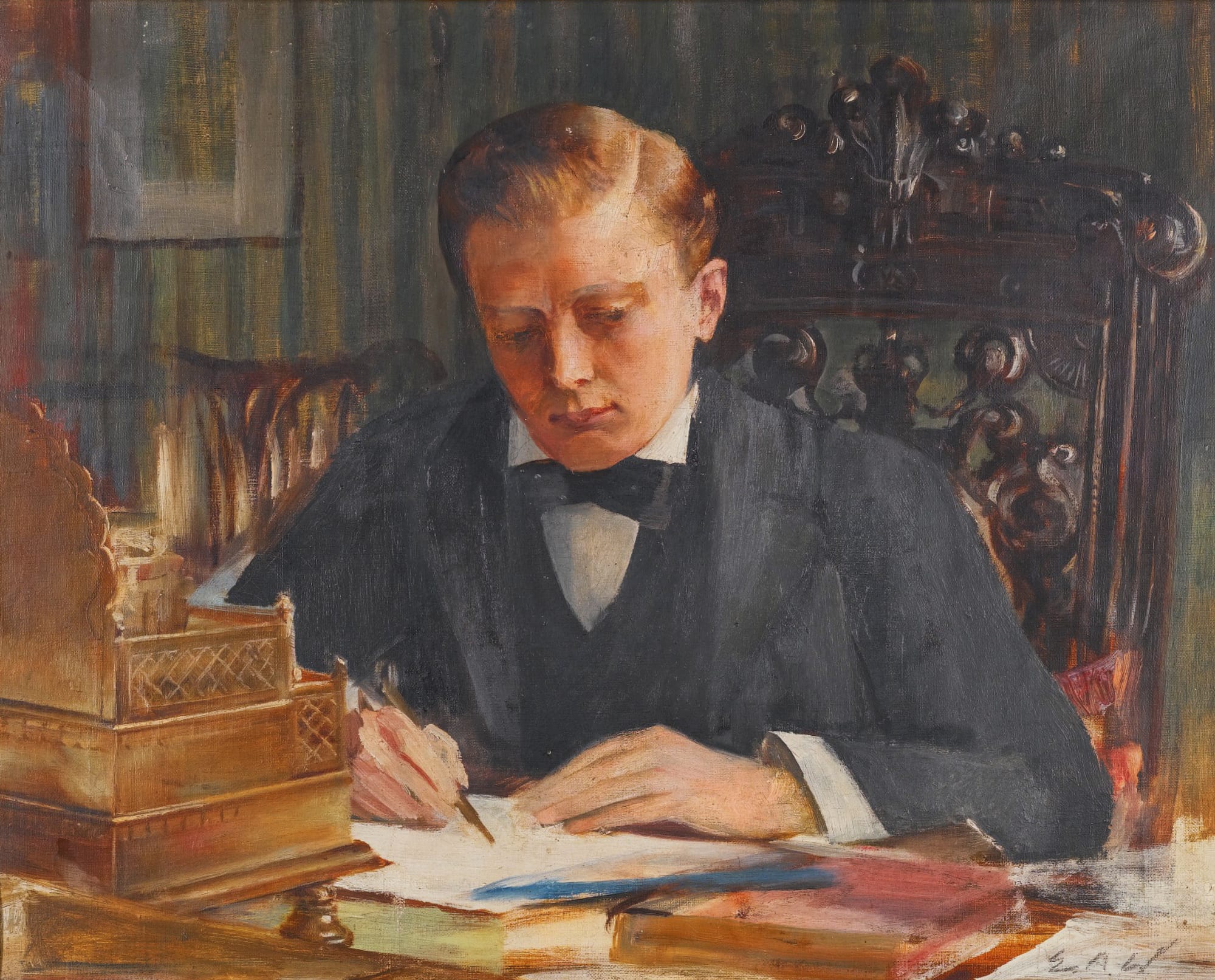
They were both born in the nineteenth century. Churchill often described himself as a Victorian but the ‘Victorianism’ of an upper class cavalry officer was not quite what we think of as ‘Victorian values.’
Churchill took pleasure seriously and was anything but a puritan – his first public speech was given during a riot at a music hall.
De Gaulle is, as always, more complicated. He was nostalgic for the world of his youth (and was, in some ways, more ‘Victorian’ than Churchill). But de Gaulle understood the need to change and to change his country. He was the man who gave French women the vote in 1944 and who agreed to the legalisation of birth control in 1967 (an important decision for a Catholic).
Unseen Histories
Both of their lives were transformed by the Second World War. Had they both died in 1939, how would they have been remembered? Indeed, would they have been remembered at all?
Richard Vinen
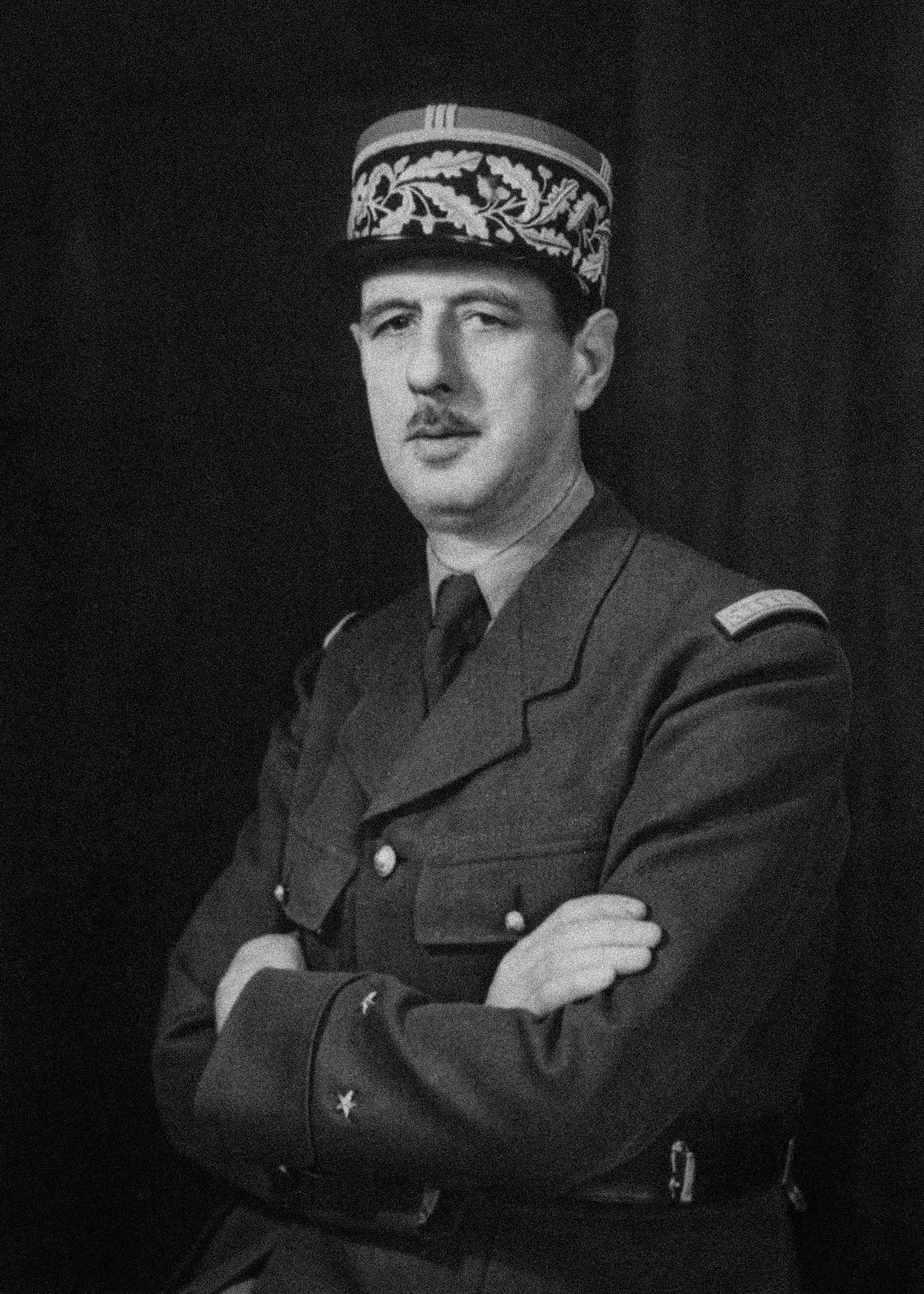
De Gaulle would hardly be remembered – he might attract a tiny amount of attention from people interested in the modernisation of the French army in the 1930s but he was not a very senior officer in 1939 and he had never held any political office. When he first broadcast to France in June 1940, even well-informed listeners had no idea who he was.
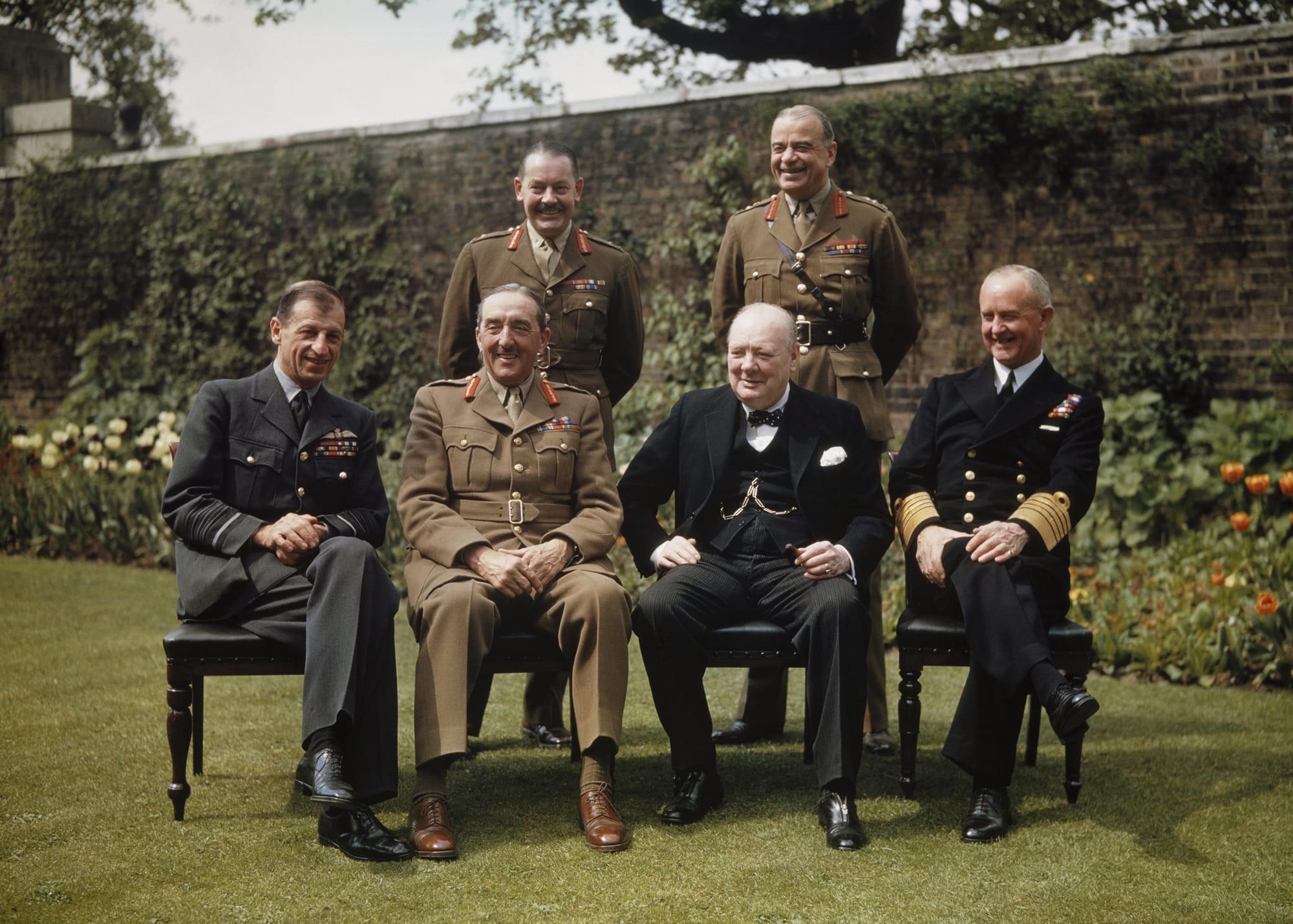
Churchill would certainly be remembered – he was, after all, famous - as a writer and adventurer - even before he entered the House of Commons at the age of twenty-five. He had first held senior ministerial office before the First World War and, even out of office in the 1930s, he still attracted attention.
In 1939, de Gaulle was an obscure success; Churchill was a world-famous failure and he would be remembered as a failure if it were not for the extraordinary reversal of his fortunes in 1940.
Unseen Histories
In many ways The Last Titans is a study in contrast. De Gaulle is reserved and stiff; Churchill is spontaneous and charismatic. You open with a delightful passage about Churchill dictating from his bathtub. Could you tell us about this?
Richard Vinen
Churchill first began dictating letters from his bath while he was a schoolboy at Harrow. Of course, he lived in a world where it was normal for men such as himself to be surrounded by servants who attended to their every need. He had valets to help him get dressed – except on one occasion after the war when his valet got drunk and Churchill, the most famous statesman in the world, did his best to put the valet to bed.
De Gaulle was more formal and more private. The public nakedness that was so common among upper-class English men was distasteful to him. There was, though, one Englishmen who was allowed to see him naked. Peter Coats (an upper-class officer and aide to General Wavell) delivered a message to de Gaulle in Egypt in 1941. He found de Gaulle in his bath and passed him ‘an elegant blue and red silk dressing gown which, as I handed it to him, I saw had been bought at Hawes & Curtis in London’.
Unseen Histories
While he was solitary and reflective, you note that de Gaulle was not without humour himself. Are there any episodes that illustrate this?
Richard Vinen
The British flew to de Gaulle to Egypt on the same plane as the mistress of the King of Greece (they hoped that she might restore the morale of her lover whose country had just been invaded). De Gaulle waved for her to leave the plane first and, consequently, she was greeted by a military band that played the French national anthem. This might just be because de Gaulle was gallant, but it might also be because he had noticed the date – 1 April.
Unseen Histories
There were points of similarity though. You note that they both were ‘defined’ by their use of aeroplanes. Is that correct?
Richard Vinen
Few politicians flew much before the war – Neville Chamberlain had never used a plane until, in his late sixties, he went to see Hitler at Munich in 1938. But Churchill had been flying – sometimes piloting his own plane- since before the First World War.
De Gaulle would have found it hard to escape to London in 1940 without a plane. Wartime flying was dangerous and uncomfortable, but Churchill and de Gaulle were willing to endure it as a means to visit various theatres of war and to maintain contact with their subordinates.
Churchill became the first major politician to cross the Atlantic by air in early 1942. Both men were great enthusiasts for meeting foreign leaders during their post-war careers and such meetings could not have happened so frequently without air travel.
De Gaulle was, though, more conscious than Churchill of one awkward fact – the planes that could undertake the longest journeys were usually of American manufacture.
Unseen Histories
The two did not meet in person until they were elderly men at the time of the Fall of France in 1940. What was this encounter like?
Richard Vinen
Well, Churchill was elderly in the sense that he was sixty-five – though he still had enormous energy. De Gaulle was only forty-nine and the most important part of his life was still in front of him.
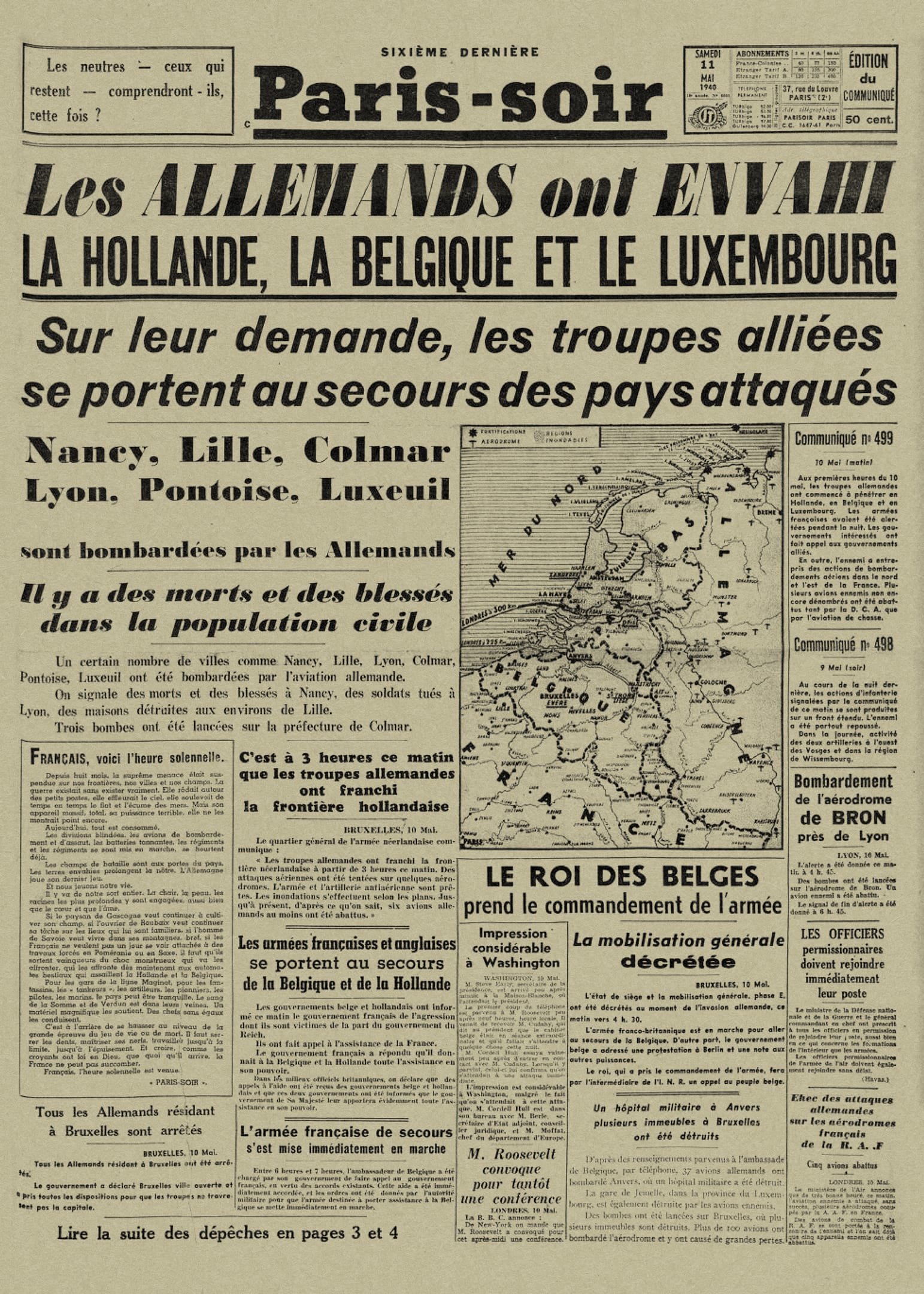
They first met on 9 June 1940. De Gaulle was an emissary from the French prime minister and one of his companions recalled Churchill pacing up and down the cabinet room in Downing Street ‘like a caged lion.’ They met again at the last desperate conferences in France as Churchill tried to stiffen the resolve of the French government to continue the fight against Germany.
It was at one of these conferences that Churchill claimed to have described de Gaulle as ‘l’homme du destin’ and it was at one of these that de Gaulle decided that he would continue the fight from England if France was defeated.
Churchill and de Gaulle discussed the extraordinary proposal of 16 June to create a union of Britain and France and Churchill’s emmissary helped de Gaulle to make his final escape from France to London on 17 June.
Churchill admired de Gaulle from the first but did not understand his importance until much later.
Unseen Histories
Another interesting difference in their stories is that post-World War Two, Churchill’s value as a public figure diminished swiftly. De Gaulle, however, grew increasingly significant. Is this a fair judgment?
Richard Vinen
Yes. In June 1940, Churchill was the most powerful Englishman since Cromwell and de Gaulle was still fairly obscure – until at least 1941, the British continued to hope that they might attract some better known Frenchman to their side.
De Gaulle, though, was never defined by 1940, or even the Second World War, in the way that Churchill was. By 1945, Churchill was tired and found it hard to adjust to the new order that came with peace. His admirers deferred to him, but they saw his great achievements as being in the past. No one could seriously claim that his second period as prime minister (from 1951 to 1955) was successful.
De Gaulle was, above all, a peace-time leader whose most important successes came after he returned to power in 1958. Withdrawing France from Algeria and then showing that France, unlike Britain, could find a role after it had lost an empire, was his great achievement.
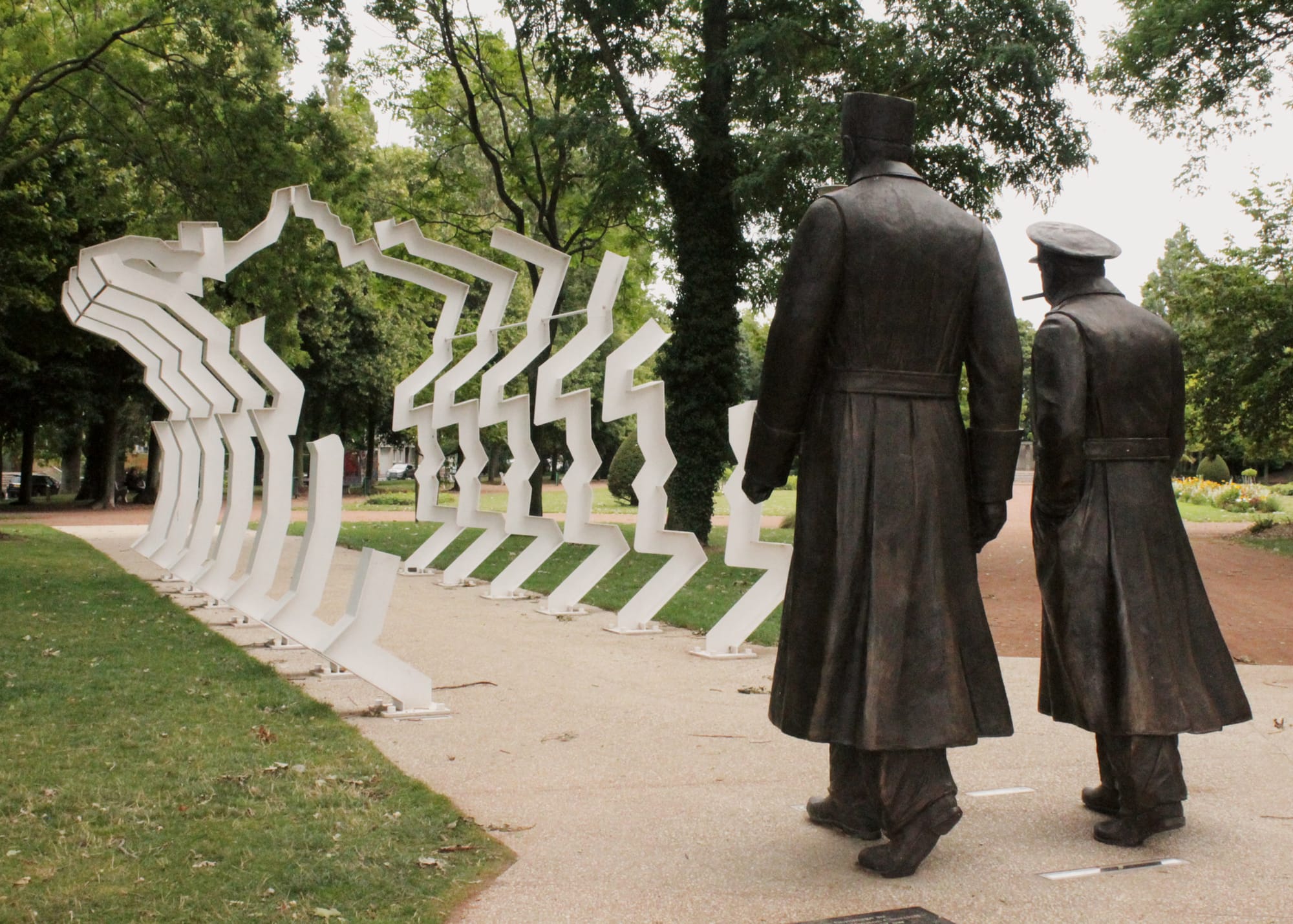
One might well argue that his apotheosis came when he was elected for a second term as head of state in 1965 (the year of Churchill’s death).
Unseen Histories
As well as comparing the two leaders in life, did you draw any conclusion about their posthumous reputations? Is it fair to say that de Gaulle’s reputation has endured the better?
Richard Vinen
In parts of the world, especially the US, Churchill is still greatly admired. De Gaulle’s reputation is strange. While alive, he was hated by part of the French population – especially those right-wingers who blamed him for opposing France’s wartime Vichy government and for taking France out of Algeria in 1962. After his death he has become a more consensual figure and he is associated with a period when France became stable and prosperous in the 1960s.
Looking back, de Gaulle seems to have been on the right side of history – with regard to decolonisation and modernization (the need, as he put it, for France to ‘marry her century.’).
Churchill was often on the wrong side of history. He defended empire and opposed the extension of women’s suffrage.
One should say, though, that the one thing about which Churchill was certainly right – the need to resist Hitler at almost any cost – was probably the most important issue of the twentieth-century and, perhaps, of all British history •
This interview was originally published September 5, 2025.
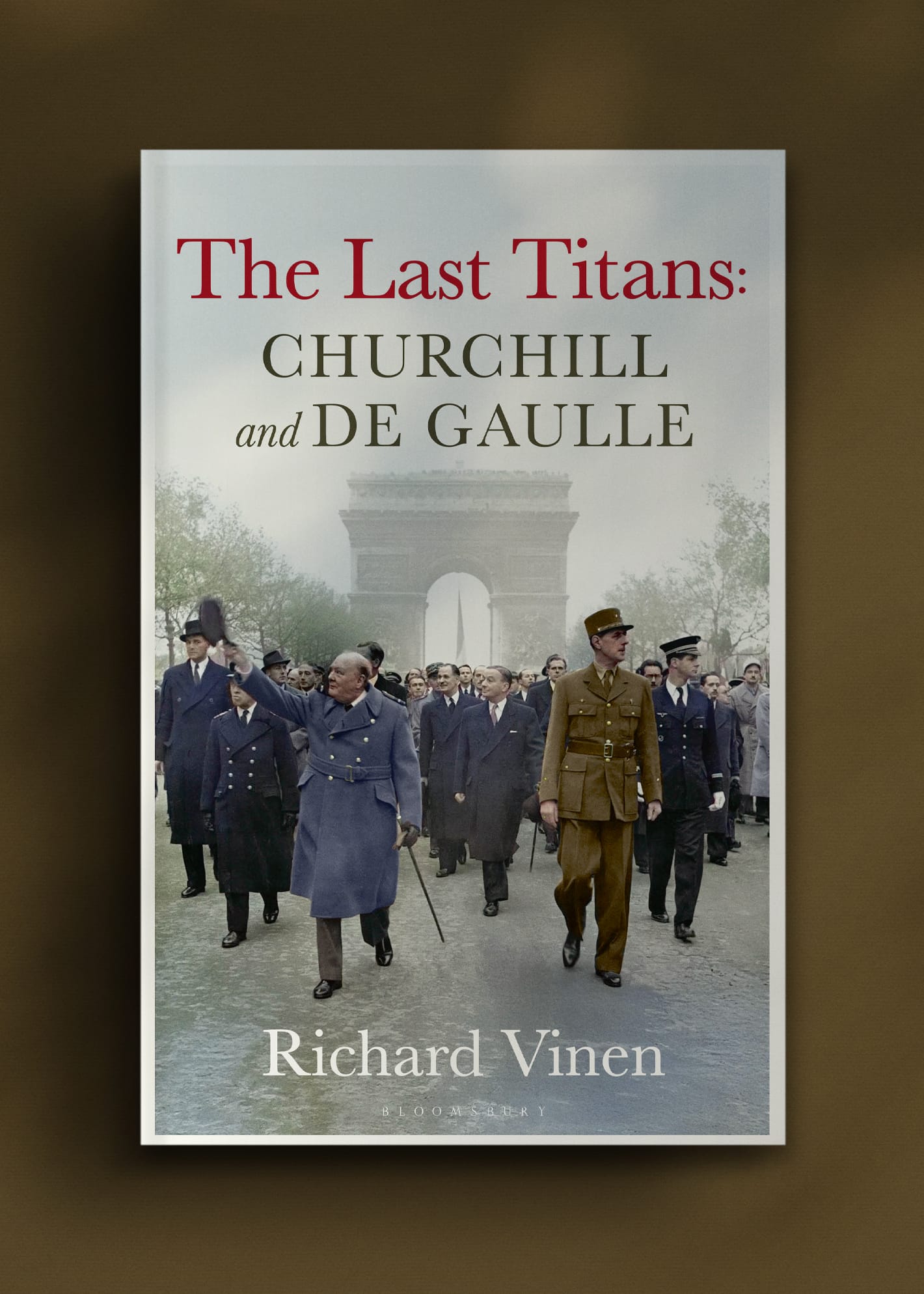
The Last Titans: Churchill and de Gaulle: Churchill and de Gaulle
Bloomsbury, 28 August 2025
RRP: £25 | ISBN: 978-1526668936
“Offers shrewd and sometimes original insights on both men ... Makes a thoughtful addition to the vast literature about both his subjects” – Max Hastings
A compelling dual biography of Winston Churchill and Charles de Gaulle that shines new light on two of the greatest figures of the twentieth century.
Winston Churchill and Charles de Gaulle were thrown together by war. They incarnated the resistance of Britain and France to the existential threat from Nazi Germany, and their ultimate victory over Hitler has ensured their achievements will never be forgotten. But, as The Last Titans: Churchill and de Gaulle shows, that is only a part of a complex story. Both men influenced their countries, and the world around them, long after the war was won.
There was a paradox in the parallel and intertwined lives of these extraordinary men. De Gaulle - tall, gauche and incorruptible - exhibited qualities often associated with the English. Churchill - short, charming, witty and a bon vivant - resembled the quintessential politician of the French Third Republic. Their working relationship was rarely smooth, but they appreciated each other's stature: de Gaulle said Churchill was 'the great artist of a great history', while Churchill recognised de Gaulle as 'l'homme du destin'.
Wolfson Prize-winning historian Richard Vinen explores what made these men exceptional and how profoundly they were influenced by their national cultures. Beyond personal intrigue, the book makes a wider point that Britain and France are both haunted by perceptions of past greatness. Vinen retraces the paths of two leaders who once helmed superpowers but lived to see their nations weakened by two world wars and the loss of empires.
With thanks to Brittani Davies.
📸 Dive into our Features
🎤 Read Interviews
🎧 Listen to Podcasts
🖼️ Buy fine art prints & more at our Store



.jpg?ref=unseen-histories.ghost.io)


